Make Better Mowing Decisions, Season After Season
Lawn Mowers.blog brings practical context to mower selection, routine care, troubleshooting, and everyday lawn work.
We focus on the details that affect real results, including cut quality, terrain, maintenance needs, runtime, storage, and long-term value.
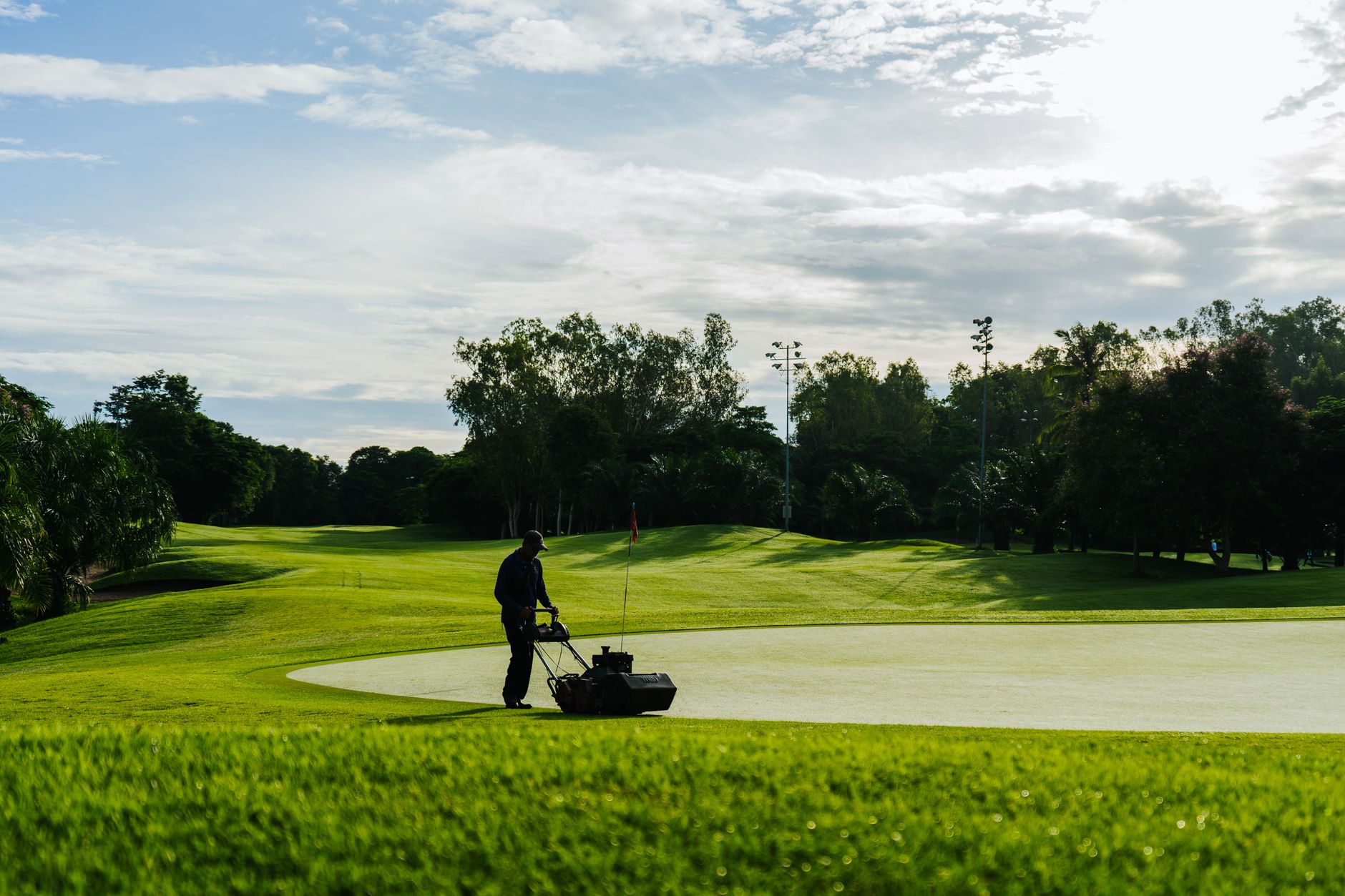
Choose a Useful Starting Point
Start with the question in front of you, whether it concerns equipment, healthier turf, a mechanical fault, or a purchase decision.
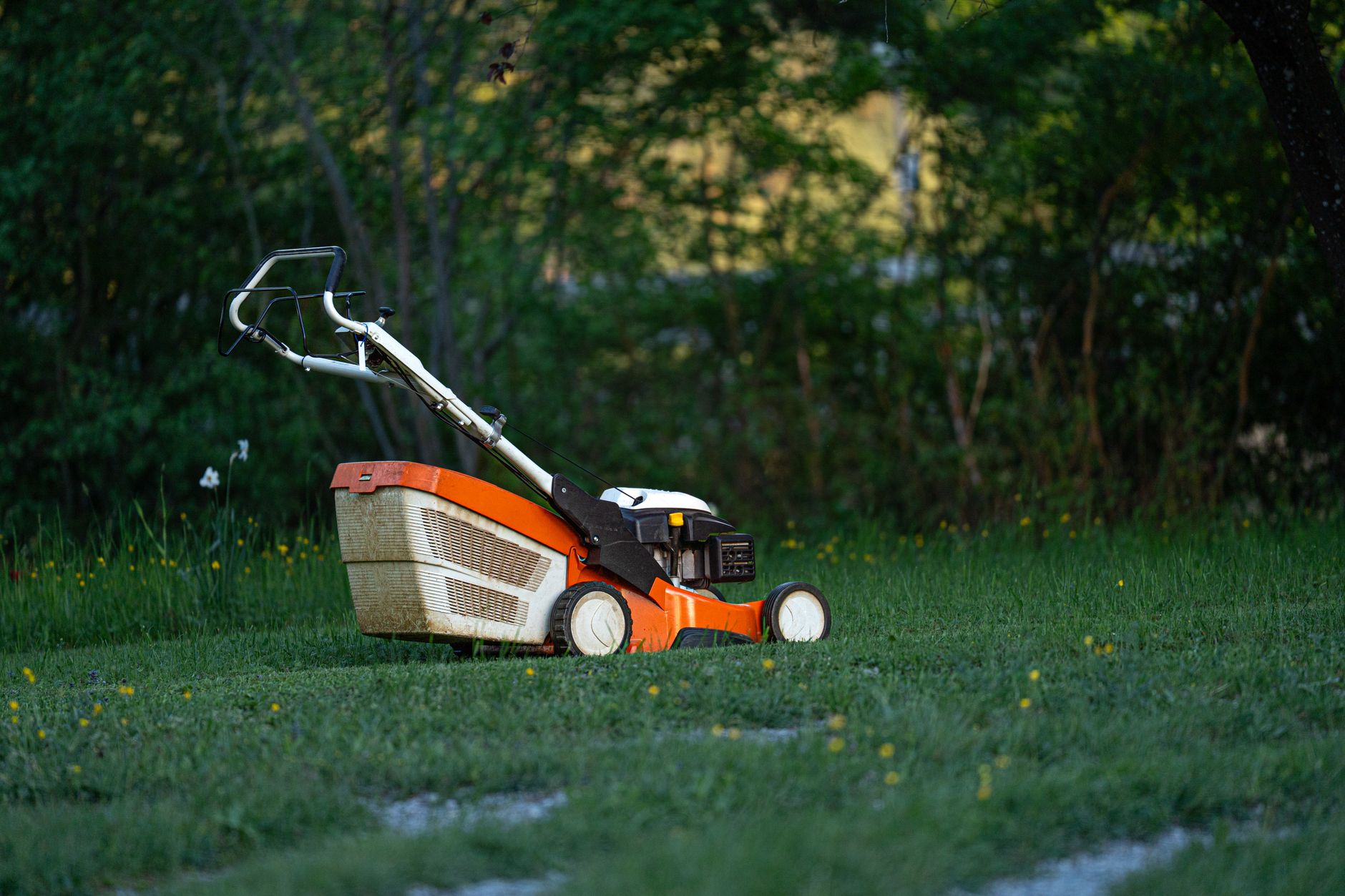
Lawn Mower
Understand mower types, operating details, cut settings, and the tradeoffs that matter on different properties.
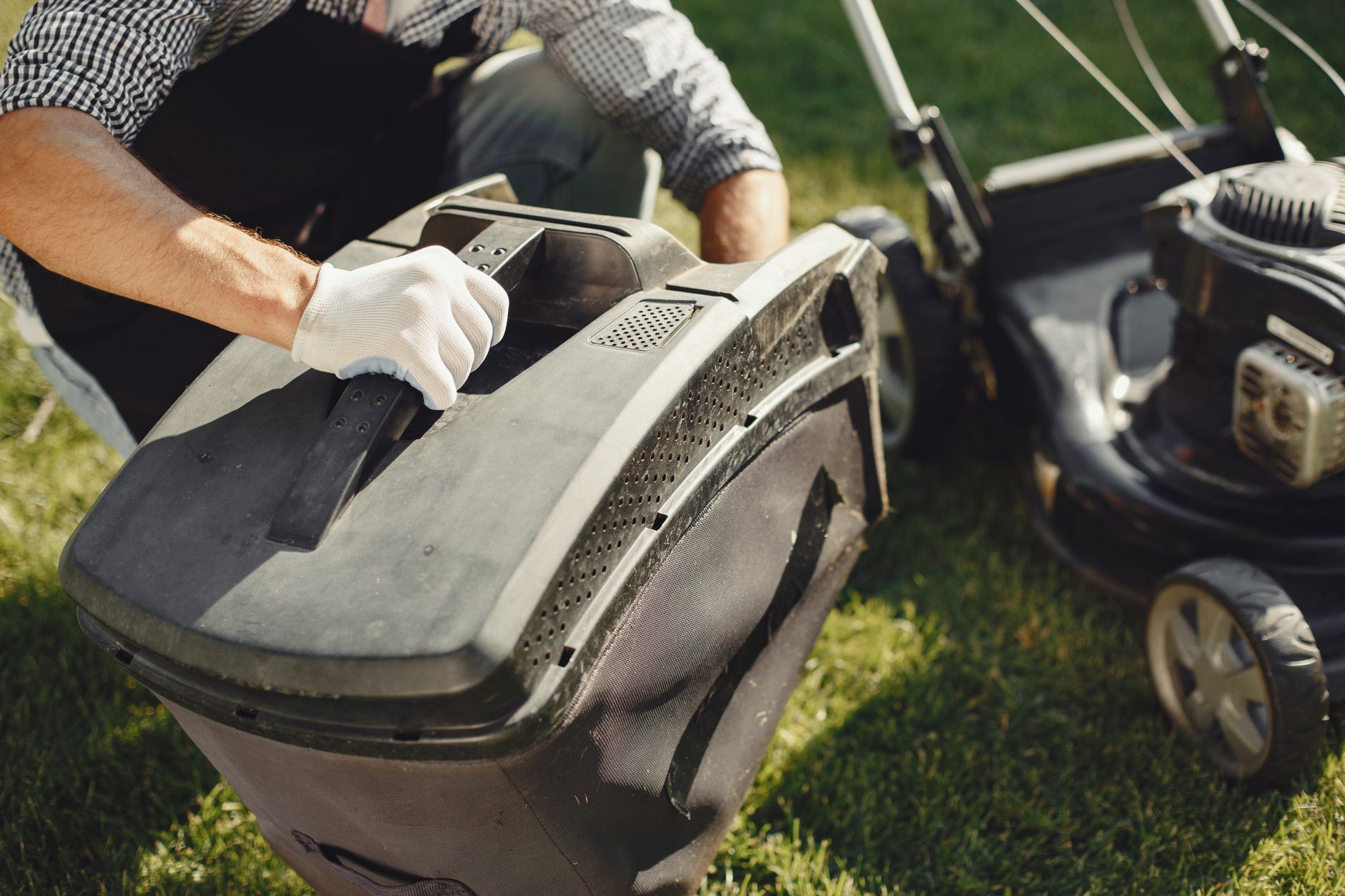
Lawn Care
Make informed choices about mowing frequency, grass height, clippings, seasonal stress, and routine upkeep.
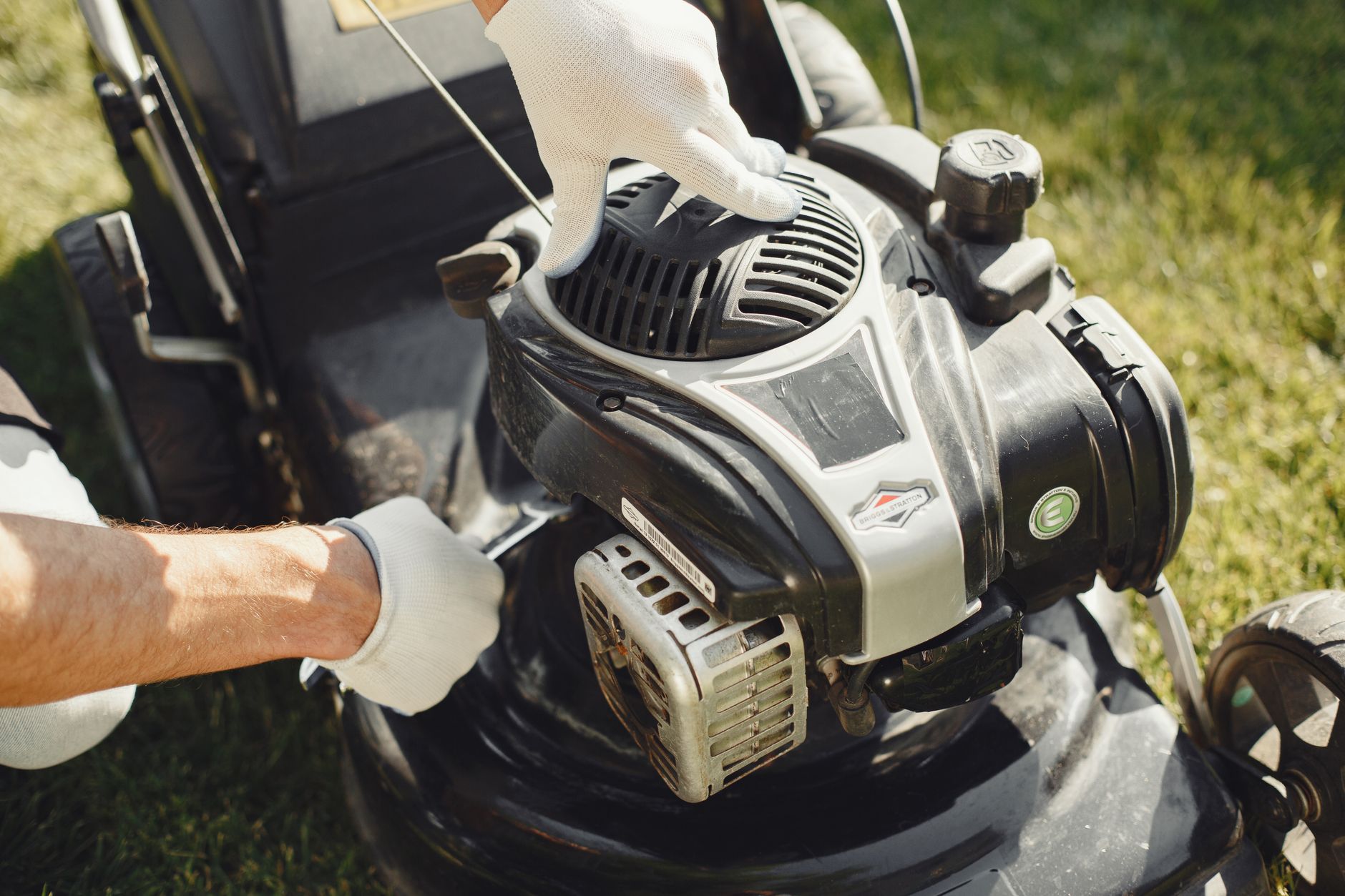
Repair
Work through common starting, cutting, drive, vibration, and maintenance problems in a sensible order.

Buying Guides
Compare power sources, deck sizes, controls, storage demands, ownership costs, and practical limitations.
Latest Articles for Better Mowing Decisions
Recent reporting and practical analysis focused on equipment choices, maintenance questions, and healthier mowing habits.


Field Notes for the Next Cut
A few useful ideas to keep in mind before changing a setting, replacing a part, or judging performance.
Cut Height Changes With the Grass
Species, growth rate, heat, shade, and moisture all affect the appropriate setting.
Wet Clippings Change the Job
Moist grass can clump, restrict airflow, load the deck, and make an otherwise sound mower seem underpowered.
Battery Runtime Needs Context
Grass density, pace, self-propel use, blade condition, temperature, and battery age can alter actual runtime.
A Sharp Blade Solves More Than It Seems
A clean cutting edge supports better appearance while reducing repeated passes and unnecessary strain.
Why Trust Lawn Mowers.blog
Our editorial approach favors useful reasoning over confident-sounding shortcuts, with uncertainty and practical limits stated where they matter.
Editorial Choices With a Purpose
We organize information around the decisions readers actually face rather than filling space with minor specifications.
Tradeoffs Stay Visible
Power, noise, weight, upkeep, runtime, storage, and cost are considered together because no mower suits every property.
Maintenance Advice Starts With Symptoms
We separate likely causes, simple checks, safety limits, and situations that call for qualified service.
A Quick Mower Type Comparison
The right format depends on property size, slope, obstacles, storage, noise tolerance, and the amount of maintenance you are willing to manage.
| Mower Type | Often Fits | Main Strength | Tradeoff to Consider |
|---|---|---|---|
| Corded electric | Smaller, open lawns near power | Low routine upkeep | Cord reach and management |
| Battery walk-behind | Small to medium properties | Quiet operation and simple starts | Runtime and battery replacement cost |
| Gas walk-behind | Denser grass and longer sessions | Sustained power with quick refueling | Fuel, noise, and engine maintenance |
| Riding mower | Larger, relatively open properties | Faster coverage with seated operation | Storage, turning space, and upkeep |
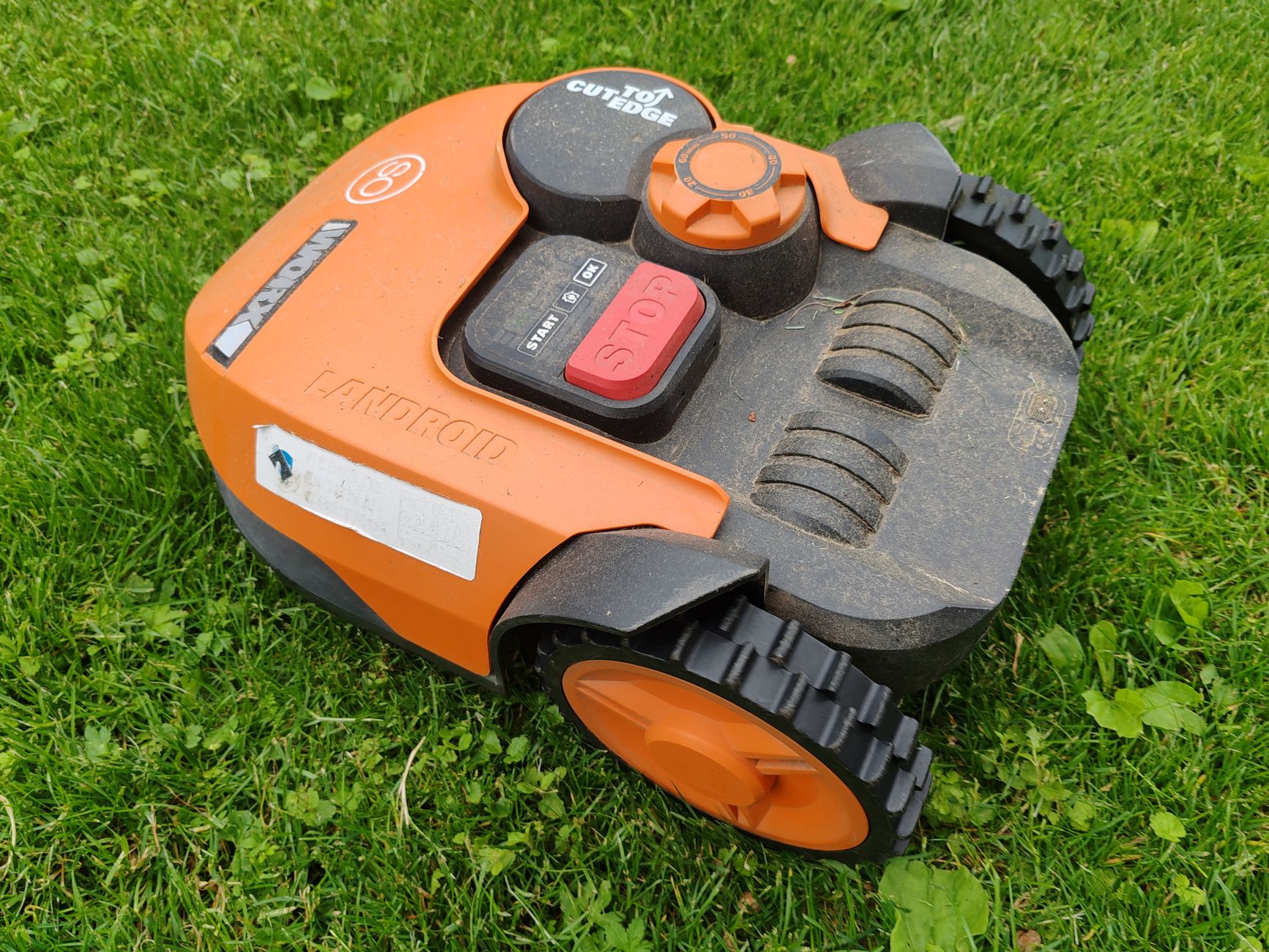
| Robotic mower | Defined lawns needing frequent light cuts | Automated mowing on a schedule | Setup limits, boundaries, and obstacle handling |
Put the Comparison in Context
Small Habits That Protect the Cut
Consistent results usually come from ordinary checks performed at the right time, not frequent adjustments made without a clear reason.
Check Conditions Before Mowing
Delay the job when soil is soft or grass is wet enough to mat, clog, or leave deep wheel marks.
Remove Less Grass at Once
When growth gets ahead of schedule, raise the deck and reduce height over more than one session.
Inspect the Blade and Deck
With the machine safely disabled, look for blade damage, packed debris, loose hardware, and uneven wear.
Change the Mowing Pattern
Alternating direction can reduce repeated wheel tracks and keep grass from leaning the same way every week.
Keep Reading at Your Own Pace
Our article archive offers measured explanations for mower ownership, lawn care decisions, repair questions, and equipment comparisons.