Mowing the lawn in my younger years meant coming inside with my ears ringing for an hour afterward. Once I learned how much steady lawn equipment noise affects long-term hearing, I started paying attention to earmuff protection the same way I pay attention to sharp mower blades: as essential gear, not an optional add-on. Headphones for mowing lawns come in two real flavors, passive protection for pure noise blocking and electronic pairs that add Bluetooth, AM/FM radio, or both. The trick is matching the protection level to how loud and how often you mow, then deciding whether music makes the job feel shorter.
The Choices Worth Comparing
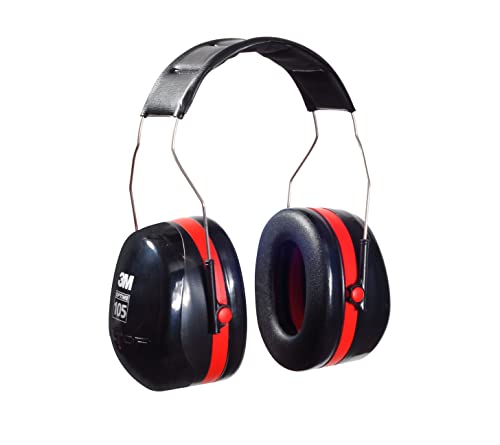
3M PELTOR Optime 105 Earmuffs Over-The-Head

3M PELTOR X5 Series Over-The-Head Earmuffs

3M Peltor Optime 98 Over-The-Head Earmuffs H9A

Dr.meter Kids Ear Protection Ear Muffs EM100

Kalence Gel Ear Pads Bluetooth Hearing Protection
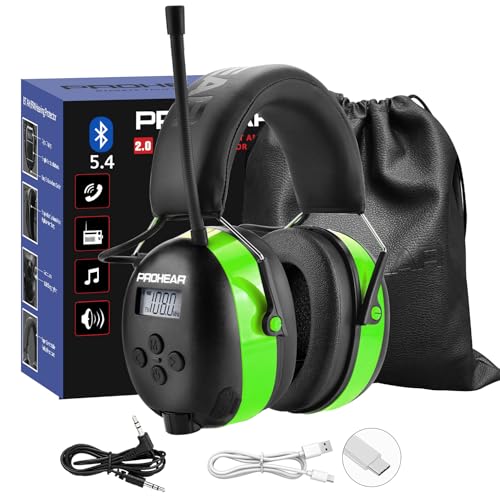
PROHEAR 033 AM FM Bluetooth Radio Headphones
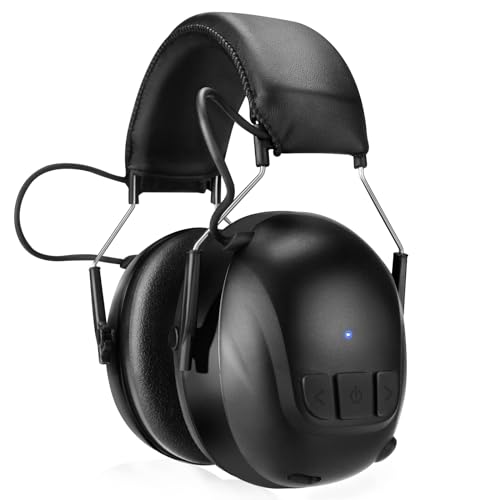
Kalence Bluetooth 6.0 Hearing Protection 120H

AM/FM Radio Ear Protection with Backlit Display
Taking A Closer Look At The Options
The Optime 105 is the loud-room workhorse of the PELTOR line, aimed squarely at environments with sustained high noise. For residential mowing, that usually means owners running bigger tractors, tillers, or chainsaws where the engine drone lingers. The cup depth is generous and the headband is the wide, padded style PELTOR has built its reputation on.
The trade-off is weight. Compared to slimmer entries like the Optime 98 later in this list, the 105 feels substantial on the head after long sessions. People with smaller heads sometimes find the seal drifts a little, which cuts into protection.
The Helpful Details
- Designed for sustained loud noise, so the rating fits well above a typical riding mower
- Over-the-head band keeps cups aligned, reducing seal drift while walking uneven ground
- E-A-Rfit compatibility means a workplace can verify actual attenuation per worker
- Construction is straightforward plastic and foam, the kind of gear that lasts years with basic care
Things To Consider
- Heavier than slim models, which shows up during long mowing stretches
- No Bluetooth or audio of any kind, so music requires a separate speaker
- Cups run warm in summer, a common complaint owners report in humid conditions
Right Fit For
Homeowners running loud gas equipment on acreage who want serious passive protection without any electronics to charge.
Swap It Out When
Anyone who wants music or podcasts with their protection should consider the PROHEAR 033 instead, since it adds AM/FM plus Bluetooth in a similar cup design.
The X5 sits in PELTOR’s higher-attenuation bracket and earns its reputation in industrial settings. For someone who splits time between mowing, grinding, and shop work, that range is genuinely useful. The cup profile is deeper than the Optime 98, which helps seal around glasses arms or larger ear shapes.
The honest read is that the X5 leans industrial rather than comfort-tuned. Owners commonly report the headband clamp feeling firm during the first few uses.
Notable Upsides
- NRR 21 dB, with deep cups that maintain seal across different ear sizes
- Versatile across construction, automotive, and yard work
- Padded headband spreads pressure across the crown
- Plastic shell wipes clean after dusty mowing sessions
Trade Offs
- Heavier than slim consumer models, noticeable on long days
- No audio input, so pairing with phones means a separate speaker
Quick Facts
Built With In Mind
People who split yard work with shop and automotive projects and want one muff that covers both worlds.
Consider Something Else When
Light, occasional residential mowing fits the 3M Peltor Optime 98 better, since it covers everyday noise at a friendlier weight.
The Optime 98 is the H9A model in the Optime family, positioned for moderate noise where you still want a credible rating. The Optime line organizes its models by noise level, with 95, 98, 101, and 105 dBA tiers, so the 98 covers typical residential mowing comfortably without going overboard.
It’s lighter than the 105 above and feels less like a workshop tool. The trade-off shows up around very loud equipment, where you may want to step up to the X5.
Everyday Advantages
- Lighter build than the higher-tier Optime 105, easier on longer sessions
- Simple over-the-head fit that works with glasses and most hat styles
- Established model with a long track record in the hearing conservation space
Points To Keep In Mind
- Less attenuation than the X5 and Optime 105, so loud tractors may feel under-protected
- No electronics, so audio needs a separate source
Made For
Residential users with small to mid-size push mowers who want reliable passive protection without extra features.
A Better Fit Elsewhere
Anyone wanting built-in audio for mowing should look at the Kalence Gel Ear Pads Bluetooth model, which adds streaming on top of solid protection.
The Dr.meter EM100 is sized for smaller heads, which matters more than people expect. Adult cups tend to gap on children, which leaks in mower noise and defeats the rating. The headband adjusts down to a snug fit, and the PU leather padding feels softer against skin than bare foam.
The honest read is that this is a comfort-first muff aimed at sensitive situations like yard work, fireworks, and stadium events. For riding a tractor or running a loud chainsaw, the rating may feel modest.
Key Advantages
- Smaller cup and headband scaled for kids and smaller adults
- Memory foam padding with PU leather cover stays comfortable during longer wear
- Lightweight build reduces neck fatigue for young helpers
Worth Noting
- Lower SNR rating than adult work earmuffs, so very loud tractors may still feel intense
- PU leather cover needs occasional wiping to prevent sweat buildup
Who It Suits Best
Parents bringing kids into the yard, plus anyone with a smaller head shape who finds adult cups too large.
Look Elsewhere When
Adults mowing large acreage should consider the PROHEAR 033, which pairs a higher rating with radio and Bluetooth for longer jobs.
The Kalence EP015 leans hard into comfort. The gel ear cushions combine silicone gel, memory foam, and a thin polyurethane skin that feels noticeably softer than standard foam rings. On long mowing days, that difference matters: pressure points show up around the jaw and behind the ear with cheaper pads.
Bluetooth 5.4 handles streaming from a phone. The 1200mAh battery supports multi-session use between charges, and 30dB noise reduction is enough for most residential mowing.
Why It Works Well
- Gel cushions reduce pressure, helpful during multi-hour mowing sessions
- Bluetooth 5.4 streams music and podcasts without dropouts in our view
- 1200mAh battery covers several yard days per charge
- 30dB noise reduction fits typical push and riding mowers
Less Ideal Details
- Gel covers need gentle cleaning since sweat accumulates faster than on plain foam
- No radio tuner, so live sports or news requires a phone stream
Feature Snapshot
Perfect Match For
Mowers who want plush comfort plus streaming audio and spend more than an hour at a time in the yard.
Not Your Match When
Anyone who prefers live radio over phone streaming should consider the 2025 AM/FM Radio Ear Protection with Backlit Display instead.
The PROHEAR 033 is the over-spec choice in this lineup. It runs AM/FM radio plus Bluetooth 5.4, charges over USB-C, and packs a 1500mAh battery rated for long playback. ABS shell construction keeps weight reasonable while standing up to yard abuse.
The catch is that with three audio inputs plus a sealed cup, the menu and button layout takes a session or two to learn. Owners commonly report it feels familiar by the second mowing.
The Good Stuff
- AM/FM radio built in for news, sports, and talk without a phone
- Bluetooth 5.4 for streaming from phones or tablets
- USB-C charging simplifies cable management on the workbench
- 1500mAh battery supports extended mowing days
- 31dB SNR fits loud push mowers and small tractors
Worth Bearing In Mind
- More buttons than simpler models, so learning the controls takes a few sessions
- ABS shell adds weight over foam-only passive muffs
Whose Shelf It Belongs On
Yard owners who genuinely want radio plus Bluetooth and don’t mind a slightly heavier muff for the extra features.
Where A Sibling Pick Shines
For a lighter streaming-only option, the Kalence Bluetooth 6.0 Hearing Protection keeps weight down while extending battery life.
Kalence built this EP015 variant around battery life and connection stability. Bluetooth 6.0 is newer than 5.4, with claims of faster pairing and a steadier link at range. The 120-hour working time is a clear upgrade for anyone who forgets to charge between weekends.
The honest read is that 30dB protection is the same rating as the Bluetooth 5.4 sibling, so the upgrade is really about battery and connection, not extra noise blocking.
Where It Excels
- 120-hour working time handles multi-day yard projects without daily charging
- Bluetooth 6.0 offers smoother pairing and a more stable phone connection
- Built-in mic supports hands-free calls when stepping away from the mower
- Suitable across mowing, workshops, construction, and snowblowing
Practical Considerations
- Same 30dB rating as the 5.4 sibling, so noise blocking isn’t the upgrade story
- No AM/FM radio, so live broadcasts require phone streaming
Best Suited To
Property owners with long weekend sessions who want to set the muff on the charger only occasionally.
Reach For A Different Pick When
Live AM/FM radio matters, in which case the PROHEAR 033 covers that gap while adding USB-C charging.
The Kalence EP025 closes the list with a feature that sounds small but solves a real annoyance: a color backlit display that stays readable in direct sun. Most radio earmuffs hide behind monochrome screens that wash out at noon. Tuning a station without pulling the muff off is genuinely useful mid-mow.
It pairs that display with 120-hour working time and 30dB noise reduction. Compared to the Bluetooth 6.0 model above, the difference is the radio tuner and screen rather than the protection itself.
Positive Points
- 1.8-inch color backlit display readable in bright sun
- AM/FM radio built in, no phone required
- 120-hour working time between charges
- 30dB noise reduction fits residential mowing
Things To Weigh Up
- Display adds cost and weight over simpler muffs
- No Bluetooth listed, so streaming requires a different pick
Feature Rundown
Who Should Grab It
Mowers who mainly want radio rather than phone streaming, especially in bright outdoor conditions where dim screens fail.
Skip It When
Phone streaming is the priority, in which case the Kalence Gel Ear Pads Bluetooth model covers that need with softer cushions.
Picking The Right Protection For Your Yard
Choosing headphones for mowing lawns comes down to matching protection level to the equipment you actually run. A push mower puts out a different noise profile than a riding tractor or chainsaw, and the gap between casual and serious yard work is where most mismatches happen.
Match NRR or SNR To Your Equipment
The noise reduction rating, labeled NRR in the US, tells you how many decibels the muff knocks off. SNR is the European equivalent, calculated slightly differently. Either rating is useful, but the practical question is whether your mower or tractor produces sustained noise above 90 dB. Most residential push mowers sit in that range, which is why 21 to 30 dB ratings cover the majority of homeowners. Riders and loud gas equipment push you toward the higher end.
Passive muffs like the PELTOR models handle pure noise blocking with no batteries. Electronic pairs add streaming or radio on top, which is great for motivation but slightly heavier and more expensive.
Consider Comfort Before Battery Specs
A muff with 120 hours of battery life doesn’t help if the ear pads pinch after twenty minutes. Comfort comes down to cup depth, headband padding, and the ear cushion material. Gel pads on the Kalence models feel softer than standard foam, which matters for long sessions. Weight shows up too: heavier muffs like the Optime 105 feel solid but press on the crown during extended wear.
For kids or smaller heads, the Dr.meter EM100 scales down so the cups actually seal. Adult muffs on children often gap at the jaw and leak noise, defeating the rating entirely.
Decide If Audio Is Worth The Extra Cost
Bluetooth and radio add convenience but also add complexity. If you mostly want quiet, passive protection from the PELTOR line is simpler and lasts longer on the shelf. If mowing feels like dead time without a podcast, an electronic pair turns the chore into background entertainment. The PROHEAR 033 combines both inputs, while the Kalence EP025 focuses on radio with a readable display.
Key Considerations Across These Picks
Pitfalls Shoppers Hit
A common mistake is buying a muff with a high rating and assuming it blocks everything. Ratings are measured under ideal seal conditions, so glasses arms, hat brims, and facial hair all leak noise around the cup. Fit matters more than the printed number, which is why adjustable headbands and proper cup depth deserve attention.
Another trap is choosing the lightest model and expecting workshop-level protection. Slim consumer muffs often trade attenuation for comfort, which works for short residential mowing but leaves you exposed around loud equipment.
What The Higher Tier Buys
Stepping up to premium electronic pairs costs more because of the audio hardware, rechargeable batteries, and tuning circuitry. The upgrade pays off when mowing stretches past thirty minutes, since music or radio noticeably changes how the job feels. It also pays off for shared use across mowing, snowblowing, and workshop tasks, where one pair covers multiple jobs.
For households that just want quiet, the trade-off flips: a passive PELTOR delivers the protection without the price premium for features that go unused.
Frequently Asked Questions
Do I really need headphones for mowing lawns?
Yes. Sustained mower noise sits well above levels linked to long-term hearing damage, and even short weekly sessions add up over years. A muff rated for 21 dB or higher cuts exposure dramatically.
Can I just use earbuds with noise cancellation?
Standard earbuds aren’t rated for industrial noise and rarely seal well enough for mowing. Purpose-built hearing protection uses denser cups and tested ratings, which earbuds can’t match for sustained lawn work.
How long does the battery last on Bluetooth models?
The Bluetooth models in this list run from roughly 30 hours on the Kalence EP015 to 58 hours on the PROHEAR 033, with the EP025 and EP015 Bluetooth 6.0 claiming up to 120 hours of working time. Real-world playback varies with volume and stream type.
Are these safe for kids to wear?
The Dr.meter EM100 is sized for smaller heads, which is what matters most. Adult muffs gap on children and leak noise, so a properly sized kids model is the safer pick for young helpers in the yard.
Do electronic earmuffs block as much noise as passive ones?
Yes, when fitted correctly. The electronic side handles audio input and amplification cutoff, while the cup and padding handle the actual noise reduction. A 30dB electronic muff blocks the same sound as a 30dB passive muff from the same brand.
The Takeaway
The right pair comes down to how loud your equipment runs, how long you mow, and whether music or radio makes the job easier. Passive PELTOR models handle pure protection with no charging, while the Kalence and PROHEAR electronic pairs add audio for longer sessions. Start with the noise level, then add comfort and audio features on top, and the choice usually narrows itself within a few minutes.