Backyard pests have a way of showing up right when you want to relax outside. Mosquitoes at dusk, ants marching across the patio, wasps building under the eaves: every lawn tells a slightly different pest story. I’ve pulled together eight sprays that cover the common situations homeowners actually face, from broad-spectrum concentrates to natural cedar-oil options that play nicely with kids and pets. The goal here is practical matching: pick the formulation that fits your pest, your garden, and your comfort with chemicals, not just the strongest bottle on the shelf.
The Essentials At A Glance

Bayer Suspend SC 16oz, White

Raid Ant & Roach Killer Fragrance Free 17.5 oz 2 Count

Southern Ag Neem Oil 8 Oz, White

Raid Wasp & Hornet Killer 14 oz 2 Count
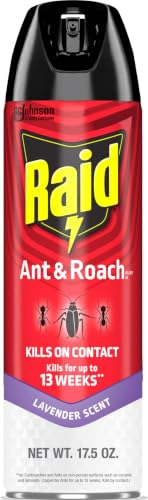
Raid Ant & Roach Killer Lavender Scent 17.5 oz

Cedarcide Outdoor Bug Spray Gallon

Cedarcide Outdoor Lawn and Garden Kit Small

Cedarcide YardSafe 1 Quart 32 Oz
Why These Options Stand Out
Concentrates usually mean business, and Bayer Suspend SC fits that description. It’s a professional-grade suspension concentrate (a liquid you dilute with water before spraying) designed for perimeter pest control around a home, which makes it a strong fit when ants, spiders, and occasional invaders keep showing up no matter what you spray. The 16-ounce bottle goes a long way once diluted, and it leaves no visible residue and no noticeable odor, so it stays discreet after application.
Compared to the ready-to-use aerosol picks further down the list, this one rewards people willing to mix their own solution in a pump sprayer. Homeowners with persistent multi-pest issues tend to get the most value from it.
What Stands Out
- Broad-spectrum control targets more than 50 nuisance pests in one formulation
- Long residual activity reduces how often you need to re-treat the same perimeter
- No odor and no visible residue, so treated surfaces look untouched
- A little goes a long way, since you dilute it with water for each application
Trade Offs
- Requires a separate pump sprayer, which adds a small upfront cost
- Mixing ratios need attention: too concentrated wastes product, too weak underperforms
- Storage of mixed solution is short-lived, so most people mix fresh for each session
Key Specs
Best Suited To
Homeowners with persistent multi-pest pressure who already own, or are willing to buy, a pump sprayer and want a concentrate that stretches across many treatments.
Reach For A Different Pick When
Pet households who prefer essential-oil formulas should look at Cedarcide Outdoor Bug Spray instead, which avoids the synthetic active altogether.
For people who want a no-fuss aerosol they can grab and spray, the Raid Ant & Roach fragrance-free two-pack earns its place. It’s a contact kill plus residual formula (it kills on contact and leaves a treated surface that continues killing for weeks) that handles a long list of crawling insects, from cockroaches and waterbugs to earwigs, silverfish, scorpions, and black widow spiders. The two-can format means one stays in the garage while the other lives near the kitchen.
Unlike the Southern Ag Neem Oil reviewed earlier, this is a synthetic insecticide tuned for fast knockdown on hard surfaces. That distinction matters: neem treats plants gently, while this one treats cracks, baseboards, and shed corners.
Positive Points
- Targets a long list of crawling pests in a single can
- No lingering chemical odor, which matters in attached garages and mudrooms
- Residual power for up to 13 weeks on treated surfaces
- Two-can pack gives flexibility: one indoors, one outdoors
Worth Noting
- Aerosol drift means you shouldn’t spray it near open food or beehives
- Not designed for lawn-wide broadcast application; it shines along edges and entry points
- Cans require normal household hazardous-waste disposal once empty
Whose Shelf It Belongs On
Garage, basement, and patio households dealing with ants and roaches along entry points who want a low-odor, ready-to-use spray without any mixing.
A Better Fit Elsewhere
Vegetable gardeners who need something plant-safe should turn to Southern Ag Neem Oil, which is formulated for edible crops rather than hard surfaces.
Neem oil (a naturally derived oil pressed from neem tree seeds, long used in organic gardening) sits in a different lane than synthetic insecticides, and Southern Ag’s 8-ounce bottle covers a lot of ground for a small container. It works on fruits, nuts, vegetables, herbs, and ornamentals, which makes it the obvious pick when the lawn gives way to raised beds and tomato cages. It also handles common fungal issues such as black spot on roses and powdery mildew, so it doubles as a fungicide.
Where the Raid products earlier act fast and hard, neem works gradually by disrupting insect feeding and reproduction. That’s a slower path, but it’s the one most edible gardeners prefer.
Features That Help
- Approved for use across all edible crops, herbs, and ornamentals in one product
- Targets aphids, spider mites, scale, whiteflies, and beetles
- Acts on eggs, larvae, and adults, so it disrupts multiple life stages
- Also suppresses black spot and powdery mildew on roses
Points To Keep In Mind
- Slower-acting than synthetic contact killers, so heavy infestations may need repeat sprays
- Needs to be mixed with water and a small amount of mild soap to emulsify (blend evenly)
- Best applied in early morning or evening to avoid leaf burn in direct sun
Quick Facts
Right Fit For
Vegetable gardeners and rose growers who want one bottle that handles chewing insects, sucking insects, and common fungal issues on edible and ornamental plants.
Not Your Match When
Homeowners dealing with wasps under the eaves should grab the Raid Wasp & Hornet Killer reviewed next, which is built for fast knockdown of stinging insects at range.
Wasps and hornets deserve their own tool, and this Raid two-pack is built for the job. The 22-foot spray reach lets you stand well back from the nest while still hitting it directly. That’s the whole point: stinging insects at height around eaves, sheds, or play structures benefit from distance, and this can delivers it. It’s also electrically non-conducting up to 32,500 volts, which is a meaningful safety detail when spraying near outdoor wiring or fixtures.
Compared to the crawling-insect sprays earlier in the list, this one is narrow-purpose: it doesn’t try to do everything. It kills paper wasps, yellow jackets, mud daubers, and bald-face hornets on contact, then keeps working on returning stragglers.
What Helps Most
- Sprays up to 22 feet, so you can treat nests from the ground or a step ladder
- Targets paper wasps, yellow jackets, mud daubers, and bald-face hornets
- Non-conductive up to 32,500 volts for safer use near outdoor fixtures
- Two-can pack handles multiple nests in one season
Some Limits To Know
- Only useful during active wasp season, then it sits in the garage most of the year
- Best sprayed at dusk when returning foragers are inside the nest
- Strongly directional aerosol, not a broadcast treatment for an entire yard
Made For
Homeowners with paper wasp nests under the eaves, yellow jacket mounds in the lawn, or hornet activity near a shed who need fast knockdown from a safe distance.
Skip It When
Pet households chasing mosquitoes and ticks across the whole yard are better served by Cedarcide Outdoor Bug Spray, which is designed for broad yard coverage rather than single-nest treatment.
The lavender-scented version of Raid Ant & Roach is the one I keep in the back of the headboard closet. It carries the same broad crawling-insect list as the fragrance-free two-pack earlier, but the light lavender note softens the experience for indoor use near living areas. It kills on contact and keeps working against roaches and carpenter ants on treated surfaces, with re-treatment suggested every four weeks for ongoing control.
It pairs naturally with a yard-side spray: knock down interior trails with this can, then handle the perimeter with Cedarcide YardSafe or the Bayer concentrate depending on your tolerance for synthetics.
Real-World Strengths
- Covers cockroaches, ants, silverfish, scorpions, stinkbugs, and more in one can
- Residual action against roaches and carpenter ants between treatments
- Lavender scent masks the chemical note better than unscented formulas
Honest Caveats
- Scent is mild but still present: people sensitive to fragrance may prefer the fragrance-free two-pack
- Needs re-treatment every four weeks for ongoing indoor control
- Designed for hard-surface application, not broad yard broadcast
Who It Suits Best
Apartment renters who want an aerosol that handles ants along baseboards and entryways without the sharp chemical smell of older bug sprays.
Look Elsewhere When
Anyone spraying a full yard’s worth of turf and shrubs should swap to the Cedarcide YardSafe reviewed last, which is built for hose-end coverage rather than spot treatment.
The gallon jug of Cedarcide Outdoor Bug Spray is the natural-oil option for households that prefer to skip synthetic actives. It’s formulated around cedar and lemongrass essential oils, and the family-and-pet positioning makes it the easy pick for backyards where kids and dogs are part of the daily routine. You dilute and spray it across shrubs, lawn edges, and patio zones to repel mosquitoes, fleas, ticks, and mites.
Where the Raid cans earlier aim at crawling insects indoors, this one thinks bigger picture: it treats the outdoor space so fewer insects make it to the door in the first place. There’s a one-quart YardSafe version further down the list for smaller lots, but the gallon earns its keep on properties over a few thousand square feet.
Everyday Perks
- Cedar and lemongrass essential oil base, no synthetic pyrethroid (a common class of synthetic insect-repellent chemicals)
- Repels and helps control mosquitoes, fleas, ticks, and mites
- Bulk gallon size keeps the per-application cost reasonable
- Fresh cedar scent that fades within hours of application
Where It May Fall Short
- Needs reapplication more often than long-residual synthetic sprays
- Requires a pump sprayer or hose-end sprayer for proper coverage
- Strong cedar scent at application may bother scent-sensitive neighbors at close range
Who Should Grab It
Pet households and families with children who entertain outdoors regularly and want a yard-wide repellent rather than a single-target aerosol.
Swap It Out When
Strict organic gardeners who want a single product for both plants and pests may prefer Southern Ag Neem Oil, which handles edible crops and fungal issues in one bottle.
This Cedarcide kit pairs a pint of outdoor bug control concentrate with a bag of cedar granules, which is a useful combination for households that want both a spray treatment and a perimeter barrier. The concentrate dilutes for foliar application, while the granules spread across lawn edges and shrub lines for an additional layer of cedar scent. Together they cover both fast and slow approaches in one purchase.
Compared to the bare gallon of Cedarcide Outdoor Bug Spray above, this kit costs a bit more but adds a physical-spread component. For yards where mosquitoes and fleas show up from a wooded edge, that two-step approach has real appeal.
Good Reasons To Consider
- Combines liquid spray and granules in a single seasonal purchase
- Cedar-based formula keeps the synthetic load light on the lawn
- Spray portion treats a meaningful area from a single pint of concentrate
- Granules spread easily along fence lines and ornamental beds
A Few Limitations
- More involved routine than a single-product application
- Both components need re-timing: spray every few weeks, granules monthly
- Granules can clump if stored in a humid shed
Perfect Match For
Suburban homeowners on a half-acre lot who want a complete cedar-based program without buying each piece separately at the garden center.
Consider Something Else When
City dwellers with a small patio instead of a yard may find Cedarcide YardSafe easier, since it attaches directly to a hose for fast coverage without a separate spreader.
YardSafe is the small-format hose-end cedar spray, sized for mid-size lawns where a full gallon would be overkill. You attach the bottle to a garden hose and spray directly across turf, shrubs, and patio edges, with no mixing and no pump sprayer to clean afterward. Cedar and lemongrass oils do the repelling work, which keeps it in line with the family-and-pet positioning the brand leans into.
It’s the easiest entry point on this list if you’ve never tried a cedar-oil yard spray before. Once you know whether the scent and reapplication rhythm fit your routine, the gallon or the kit version can step in next season.
A Strong Showing
- Hose-end attachment means no mixing and no extra equipment
- Covers up to 5,000 square feet from a single quart bottle
- Repels mosquitoes, ticks, fleas, and chiggers with cedar and lemongrass oils
- No downtime required after application, so the yard stays usable right away
Factors To Consider
- Smaller coverage footprint than the gallon jug, so large properties need multiple refills
- Reapplication cadence varies with rainfall and grass height
- Requires a standard outdoor garden hose with adequate water pressure
Feature Snapshot
Who Will Love This
First-time cedar-spray households on a quarter-acre lot who want a no-mix, hose-end option before committing to the bulk gallon size.
Where Another Pick Suits Better
Properties over 5,000 square feet get better value from the Cedarcide Outdoor Bug Spray gallon, which costs less per square foot treated.
Matching Sprays To Your Lawn Situation
Picking an insect spray gets easier once you separate two questions: which pest is driving the problem, and how you want to apply the product. Aerosol cans like the Raid Ant & Roach and Wasp & Hornet sprays are best for spot jobs on hard surfaces and single nests, where reach and contact speed matter more than coverage area. Concentrates like Bayer Suspend SC and Cedarcide Outdoor gallon work in a pump or hose sprayer and make sense when you’re treating a perimeter or a wide patch of lawn in one pass. Cedar-oil options earn their place in households with kids and pets, where the synthetic-pyrethroid route is something you’d rather avoid.
Pest type drives format. Crawling insects along the foundation call for a residual surface spray. Wasps and hornets under the eaves call for a long-reach aerosol. Aphids and mites on roses and vegetables call for a plant-safe oil like neem. Mosquitoes and ticks across the lawn call for a cedar-oil broadcast. Mismatched tools tend to disappoint: a neem spray won’t solve a yellow jacket nest, and a wasp aerosol won’t protect a tomato bed.
Lawn size and storage matter too. A 14-ounce can of wasp spray disappears fast if you have multiple nests to clear, while a gallon of concentrate sits on a shelf for a full season. Pet and child access changes the active-ingredient conversation entirely: families that want to avoid synthetics should anchor on the cedar line. Budget shoppers tend to do well with the Raid two-packs, since two cans at once stretch across more application days than a single 17.5-ounce can.
Key Things To Keep In Mind
Mistakes Worth Dodging
The most common slip is reaching for a broad-spectrum synthetic when a targeted tool would do the job. Spraying a yard-wide aerosol for a single ant trail wastes product and exposes non-target areas. The honest read is that matching the formulation to the pest saves money and reduces collateral impact on beneficial insects like bees.
Another trap is treating flowering plants with a non-selective insecticide. Pollinators visit blooms during the day, so spraying open flowers in mid-afternoon can hurt bees even when the active ingredient is plant-safe. Most labels suggest evening application for a reason.
Where The Extra Money Goes
Higher-tier options in this category usually buy you longer residual action, broader pest coverage, or natural-oil actives that command more from raw-material suppliers. A cedar gallon costs more per ounce than a synthetic aerosol because essential oils are more expensive to source and stabilize than commodity pyrethroids. The upgrade is worth it when household sensitivity, pet access, or organic-garden rules make synthetics a poor fit. For a typical suburban yard with mild pest pressure, a couple of well-timed Raid cans may be all you actually need.
Frequently Asked Questions
When Is The Best Time Of Day To Spray A Yard?
Early morning or late evening tends to work best for broadcast sprays. Wind is calmer, beneficial insects are less active, and the product has time to dry before heavy foot traffic returns.
Can I Mix Neem Oil With Other Pesticides?
It’s safer to apply neem on its own. Mixing with synthetic insecticides or fungicides can change how each product performs and may damage sensitive plant foliage.
How Often Do Cedar-Oil Sprays Need Reapplication?
Most homeowners reapply every two to four weeks during peak mosquito season, or sooner after heavy rain. Coverage fades faster than long-residual synthetics.
Are Wasp Sprays Safe Near Outdoor Lights And Fixtures?
The Raid Wasp & Hornet spray is non-conductive up to 32,500 volts, which makes it a sensible choice near outdoor electrical fixtures when used as directed on the label.
Will These Sprays Harm Bees And Butterflies?
Synthetic pyrethroids and broad-spectrum insecticides can affect pollinators, especially on blooming plants. Cedar-oil options and evening application windows reduce that risk, but no spray is entirely neutral in a flowering garden.
Bottom Line
The right spray depends on the pest you can actually see. Ants along the foundation call for a residual aerosol or perimeter concentrate. Wasps under the eaves call for a long-reach can. Mosquitoes and ticks across the lawn call for cedar-oil coverage. Pick the tool that fits the job, and a calm evening in the backyard gets a lot easier to enjoy.