I live in a place where the driveway never stays clean for long. After a few seasons wrestling with flimsy scoops and blades that bend at the first icy patch, I learned that an 18-inch head hits a sweet spot: wide enough to move real volume, narrow enough to fit between a car and a curb. Whether you’re tackling a short walkway or a two-car drive, the right tool turns an hour of grunting into twenty focused minutes. I pulled together eight solid options across steel, poly, aluminum, and hybrid builds, matching each one to a specific kind of winter workload and a specific kind of user.
The Shortlist At A Glance

True Temper 1603072 18″ Poly Snow Shovel
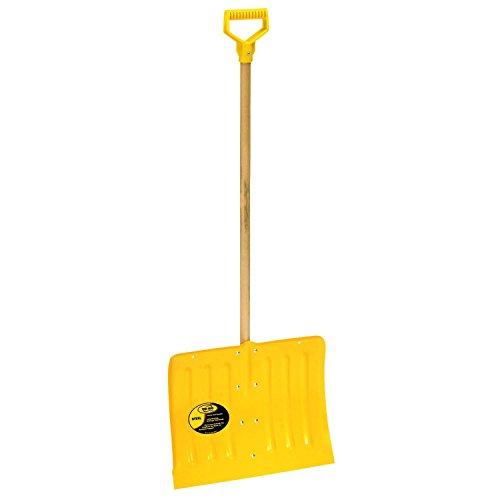
Yeoman Snow Shovel Steel 18″ W
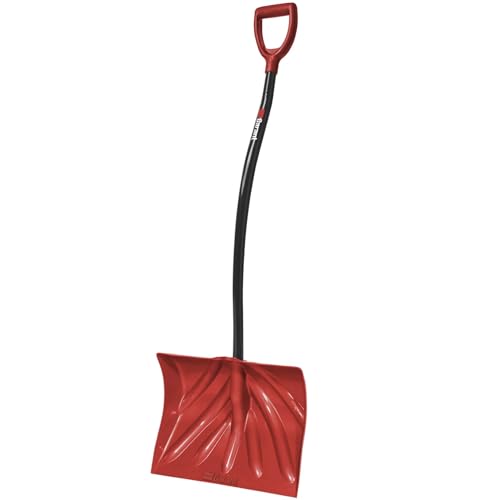
Garant Yukon Ergonomic 18″ Snow Shovel

Emsco Group 1199 Bigfoot Poly Snow Shovel

Suncast Ergonomic Snow Shovel Pusher 18″

True Temper 1640700 Steel Snow Shovel 18″

Bigfoot 18″ Combination Snow Shovel

Garant 18″ Poly Blade Snow Shovel
Taking A Closer Look At The Options
For homeowners who clear a typical two-car drive after a six-inch snowfall, the True Temper 1603072 lands in that useful middle zone between featherweight plastic and heavy steel. The 18-inch poly combo blade scoops and pushes with equal confidence, so I find it adapts when snow shifts from light and fluffy to wet and heavy partway through the job.
The bent steel handle geometry is the detail that separates it from straighter budget scoops. For most backyards, that bend flattens the wrist angle during long sessions. Compared with the Yeoman’s all-steel approach coming up next, this one trades raw toughness for a noticeably lighter lift cycle.
A Few Highlights
- Combo-shape blade handles both pushing drifts and scooping slush without switching tools
- Bent steel handle flattens wrist angle, which helps on longer driveway clears
- Steel wear strip along the blade bottom resists abrasion on rough concrete
- Extra-large D-grip gives gloved hands a secure purchase in deep cold
Things To Consider
- Poly blade can flex under very heavy, wet loads, so you’ll work harder on soaked spring storms
- Steel handle adds weight versus the all-poly options, which may matter for shorter users
Key Specs
Who It Suits Best
Suburban homeowners with a mid-size drive and a walk-out front path who want one reliable tool for most storms.
Where Another Pick Suits Better
If your storms tend to freeze into a hard crust, the True Temper 1640700 Steel Snow Shovel 18″ cuts through crusted drifts with more authority.
The Yeoman doesn’t try to be clever. It’s a full-steel 18-inch scoop aimed at people who treat their shovel like a pry bar after a freezing rain. For most backyards, this kind of brute approach is overkill, but for rural driveways, gravel lanes, and compacted plow berms, nothing digs into a hard crust the way steel does.
Coming from the True Temper poly model above, the trade-off here is obvious: more weight on every lift, less give when the blade hits a hidden chunk of ice. You may find the extra heft tires out smaller users quickly, but for someone who values longevity, the steel build outlasts plastic by several seasons of hard use.
What It Does Well
- All-steel construction shrugs off impacts that would crack a poly blade
- Cuts cleanly through hardened snow and ice ridges left by plows
- Stable feel when scraping stubborn patches off rough pavement
Worth Noting
- Steel-on-concrete contact can scratch decorative or stamped concrete surfaces
- Heavier lift cycle than poly or aluminum options, so fatigue builds faster
- Lacks ergonomic shaping in the handle, which matters during extended clears
Made For
Property owners dealing with packed drifts, ice ridges, or rural gravel drives where a poly blade would scuff or stall.
Swap It Out When
If you’re working around finished concrete or pavers, the Suncast Ergonomic Snow Shovel Pusher 18″ protects surfaces while still moving serious volume.
The Garant Yukon’s defining feature is the curved aluminum shaft, which angles the hand position closer to neutral. Anyone who has felt that low-back sting after an hour of stooped shoveling will recognize the value immediately. Combined with an 18-inch poly blade, it leans into volume without punishing the operator.
Compared with the True Temper poly pick earlier, this one strips a meaningful amount of weight off the lift cycle. Aluminum (a lightweight metal that resists corrosion) keeps the shaft from rusting through repeated wet-snow contact, while the curve keeps shoulders more relaxed. You may find the grip shape takes a few minutes to settle into if you’ve used straight-handle shovels your whole life.
Points In Its Favor
- Curved aluminum handle flattens the back angle during long clears
- Wide 18-inch scoop pushes heavy volume with fewer passes
- Lightweight shaft reduces arm fatigue across multiple storms
Trade Offs
- Curved shaft reduces leverage when prying at hard ice, so it pairs poorly with crusty conditions
- Aluminum can feel cold to bare hands, so gloves are a must
Best Suited To
Older users, anyone with a history of back strain, or homeowners facing frequent moderate storms that demand long sessions.
Reach For A Different Pick When
For mostly ice-bound conditions where you need to chip rather than push, the Yeoman Snow Shovel Steel 18″ W handles the abuse better.
The Bigfoot 1199 is built around a simple idea: move snow without scraping the deck. The polyethylene (a flexible, weather-resistant plastic) blade is gentle on wood and composite surfaces, and the metal handle keeps the shaft rigid without piling on weight. For most backyards with a back deck, that combination saves real damage over a season.
Right out of the gate, it competes with the Suncast pusher coming later for the “polite on surfaces” niche. The 17-7/8-inch blade width (just shy of the 18-inch standard) still moves plenty of snow per pass. The bright finish means you won’t lose it in a snowbank during a late-night clear.
Useful Strengths
- Poly blade is safe on wood decks, composite boards, and finished concrete
- Snow releases cleanly without sticking to the blade surface
- High-visibility orange color reduces trip hazards in low light
- Large D-grip accommodates mittens comfortably
Points To Keep In Mind
- Poly blade flexes noticeably on packed drifts, slowing heavy clears
- Made in the USA heritage adds pride but not necessarily extra stiffness
Feature Snapshot
Perfect Match For
Homeowners with a back deck, a paver walkway, or any surface where a steel edge would leave marks after a season of clearing.
A Better Fit Elsewhere
For long, open concrete driveways where you want to push instead of scoop, the Suncast Ergonomic Snow Shovel Pusher 18″ covers more ground per pass.
Where most of the picks so far lean toward scooping, the Suncast pusher is built to glide snow off a flat plane. The 18-inch coated head pushes rather than lifts, which suits long driveways where you want to clear strips without hauling every scoop to the lawn edge. The angled rib pattern stiffens the blade and keeps snow traveling forward instead of spilling over the top.
Compared with the Bigfoot 1199 above, this one commits to the pusher style: less lifting, more shoving. The galvanized steel wear strip (a zinc-coated steel edge that resists rust) along the bottom extends blade life on rough concrete, which is the wear point most poly shovels give up at first.
Positive Takeaways
- Pusher design moves snow off flat driveways with fewer lifts
- Galvanized wear strip resists abrasion and rust on the cutting edge
- Coated poly blade sheds buildup during wet, sticky storms
- Ergonomic shaft shape eases wrist angle across long clears
Room For Improvement
- Pusher shape struggles with deep drifts where lifting is unavoidable
- Less effective on uneven gravel surfaces than a true scoop
Who Should Grab It
Homeowners with a long, flat concrete or asphalt driveway who mostly push snow to the side rather than haul it away.
Skip It When
For deep, fresh falls that need real lifting, the Garant Yukon Ergonomic 18″ Snow Shovel scoops with more authority.
The True Temper 1640700 is the classic winter workhorse: a ribbed steel blade paired with a hardwood shaft and a D-grip sized for gloves. It feels old-school in the best sense, the kind of tool your parents bought once and used for fifteen years. For hardened drifts that won’t budge under a poly blade, steel is the answer.
Compared with the Yeoman model earlier, this one trades the all-metal industrial feel for a warmer hardwood handle. You may find the wood shaft easier on cold hands than bare steel, though it adds a touch of weight. D-grip geometry makes a real difference when you’re wearing thick mittens in single-digit weather.
What Makes Sense
- Ribbed steel blade resists bending during heavy prying at ice
- Hardwood handle stays warmer to the touch than metal in deep cold
- D-grip is sized for gloved hands without cramping fingers
- Durable enough to handle a decade of regular winter use
Honest Caveats
- Steel edge can leave marks on decorative concrete or pavers
- Heavier than poly options, so longer clears build more fatigue
- Hardwood handle benefits from occasional oiling to prevent drying
Quick Facts
Whose Shelf It Belongs On
Snow-belt homeowners who fight crusty drifts and frozen plow berms every winter and need a tool that won’t quit.
Look Elsewhere When
For finished surfaces where steel would leave scratches, the Emsco Group 1199 Bigfoot Poly Snow Shovel protects while it clears.
The Bigfoot Combination is the shape-shifter of the list. Its hybrid blade works as a standard scoop, a deep-scoop carry, and a wide pusher, so it adapts mid-storm without switching tools. For homeowners who don’t know whether the morning brings fluff, slush, or crust, that flexibility pays off quickly.
Compared with the dedicated pusher from Suncast earlier, this one sacrifices a touch of pure push efficiency for shape-shifting versatility. The steel-core handle keeps the shaft stiff under heavy loads, while the poly blade stays gentle on driveways. You may find the orange finish easier to spot in deep snow than darker options.
Positive Points
- One blade handles scoop, deep-scoop, and push duties without tool changes
- Steel-core handle stays rigid even under heavy wet loads
- Poly surface keeps snow from clumping to the blade
- High-visibility color reduces loss in snowbanks during night clears
Some Limits To Know
- Hybrid shape isn’t quite as efficient as a dedicated pusher or scoop
- Heavier than the ultralight Emsco Group 1199 Bigfoot Poly Snow Shovel
Right Fit For
Shoppers who want one tool for unpredictable conditions rather than buying separate scoop and pusher options.
Where A Sibling Pick Shines
For dedicated pushing across long flat drives, the Suncast Ergonomic Snow Shovel Pusher 18″ glides faster and fights fatigue better.
The foldable Garant is the apartment-dweller, trunk-stuffer, and small-closet solution. At 3.8 pounds with a hinged handle that folds flat, it slips behind a door, into a trunk, or under a workbench without dedicating a wall hook. For most backyards with limited storage, that matters more than raw toughness.
Coming from the heavier True Temper 1640700 earlier, the weight difference is striking the moment you pick it up. The trade-off is rigidity: a folding joint is a hinge, not a welded tube, so it flexes more under heavy loads. You may find the poly blade and steel handle strike a friendly middle ground for moderate snows.
Everyday Wins
- Folding handle collapses for compact storage in trunks, closets, or under benches
- Lightweight 3.8 lb build reduces arm strain during mid-length clears
- Ergonomic bent handle reduces back strain on quick jobs
- Ready to use straight out of the box with no assembly required
Worth Bearing In Mind
- Folding joint flexes under very heavy loads, so it’s not ideal for wet cement-like snow
- Shorter reach than full-length shovels, which may matter for taller users
Feature Rundown
Built With In Mind
Apartment dwellers, condo owners, drivers who want an emergency shovel in the trunk, or anyone short on storage space.
Consider Something Else When
For deep, sustained winter work where rigidity and reach matter most, the Garant Yukon Ergonomic 18″ Snow Shovel handles bigger jobs with more authority.
What To Weigh Before Picking An 18 Inch Snow Shovel
A blade’s material drives almost every other decision. Polyethylene (a flexible, weather-resistant plastic) sheds snow cleanly and forgives contact with delicate surfaces, but flexes under cement-heavy drifts. Steel cuts through crust but scratches decorative concrete and adds weight to every lift. Aluminum splits the difference: lighter than steel, stiffer than poly, but colder on bare hands and pricier.
Handle geometry matters more than people expect. A straight shaft maximizes leverage for prying, while a curved or bent shaft keeps the back angle flatter during long sessions. For most users over fifty or anyone with a history of back strain, the ergonomic curve wins every time, even at the cost of pure lifting power.
Surface type should drive the call. Wood decks and composite boards want a poly edge every time. Finished or stamped concrete can handle steel but may show scuffs over a season. Gravel lanes and rural drives reward steel’s digging ability. Length matters too: taller users gain from full-length shafts, while shorter users often prefer a mid-length tool that keeps the back straighter.
Where Shoppers Go Wrong With 18 Inch Snow Shovels
Pitfalls Shoppers Hit
Buying for the storm you had last year instead of the storm you’ll get next year leads to mismatched tools. A poly blade perfect for light fluffy snow bogs down in wet spring slush, and a heavy steel scoop is overkill for three-inch dustings. Match the tool to your typical conditions, not your worst memory.
Ignoring handle length is the other common trap. A shovel that’s too tall forces stooping and back strain, while one that’s too short makes you crouch and exhaust your legs. Stand next to the tool before committing: the grip should sit roughly at chest height for most adults.
The Upgrade Payoff
Spending more on a 18 Inch Snow Shovel usually buys three things: better blade stiffness under load, a handle that stays rigid at the joint, and a wear strip that protects the cutting edge through seasons of concrete contact. None of those matter for a single storm on a flat drive, but they pay off across years of repeated use.
Premium picks also tend to weigh less for the same strength, because manufacturers pair aluminum shafts with reinforced poly blades instead of stacking heavier steel. For anyone who clears more than a small stoop, that weight savings compounds across every session.
Frequently Asked Questions
How wide should a snow shovel blade be?
An 18-inch blade splits the difference between compact 16-inch scoops and wide 24-inch pushers. Eighteen inches is wide enough to move real volume per pass, narrow enough to fit between a car and a curb, and balanced enough for most adult body types without throwing off your center of gravity.
Are poly or steel snow shovel blades better?
Neither wins outright. Poly sheds snow cleanly, weighs less, and forgives contact with decks and pavers. Steel cuts through hard crust and resists bending under heavy loads but scratches finished surfaces and adds weight. Match the blade to your typical storm and surface, not to a generic recommendation.
Can one shovel handle both pushing and scooping?
Combination and hybrid blades (like the Bigfoot Combination) handle both reasonably well, while dedicated pushers glide faster and dedicated scoops lift deeper. For variable conditions, a hybrid saves the hassle of swapping tools, but a dedicated pusher wins on long flat drives.
How do I keep a snow shovel from sticking to snow?
A coated or slick-surfaced poly blade releases snow far better than bare steel or unfinished plastic. Lightly spraying the blade with a non-stick cooking spray before a storm also helps wet snow slide off cleanly between passes.
Closing Remarks
The right 18 Inch Snow Shovel comes down to your typical storm, your surface, and your body. Match the blade to the conditions you face most weeks, not the worst-case blizzard you remember. A tool that feels balanced and light will get used more often than a heavy-duty beast that sits in the garage. Pick the profile that fits your winter, and the driveway clears itself that much faster.