A modest yard asks a simple question of any mower: can you push it out, finish the cut, and put it away without it dominating the shed or your Saturday? Most homeowners with smaller lawns don’t need a 22-inch gas monster. They need something that starts instantly, fits through the side gate, and finishes a 1,000 to 2,500-square-foot patch before the neighbors fire up their grills.
I put together this list for folks shopping specifically for Lawnmowers For Small Lawns, covering everything from manual reel push mowers to brushless cordless workhorses. Whether you want quiet battery power, a simple no-fuss manual cut, or a self-propelled upgrade that handles a slight slope, there’s something here that fits a tight footprint.
The Lineup, Simplified

Casince 17 in Cordless Walk Behind Lawn Mower

Einhell GC-EM 1742 42cm Manual Rotary Lawn Mower
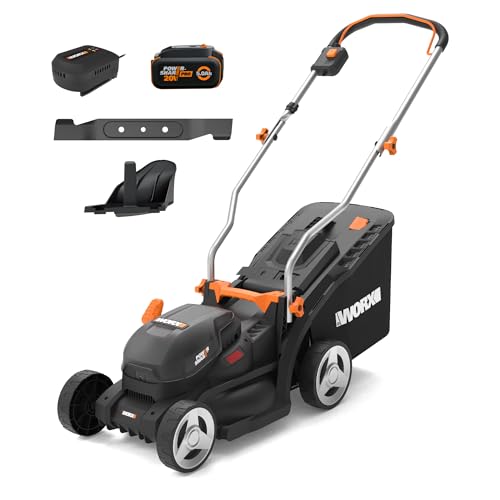
Worx 20V 14in 2-in-1 Cordless Lawn Mower WG733.1
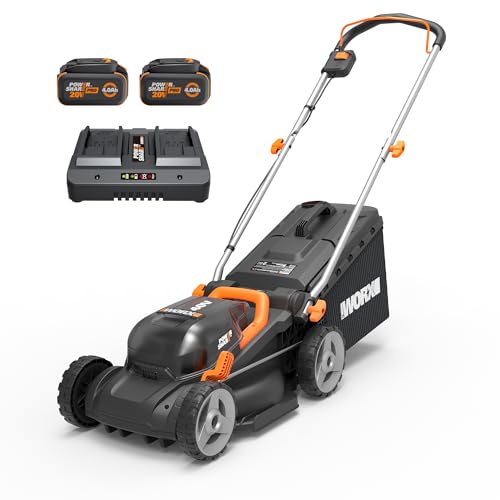
Worx 40V 14in 2-in-1 Cordless Lawn Mower WG735

Worx 40V 17in 2-in-1 Cordless Lawn Mower WG745

EGO POWER+ LM2135SP 21in Self-Propelled Cordless Mower Bundle

Litheli 40V 16in Brushless Cordless Lawn Mower with 50L Bag
Why These Options Stand Out
The Casince 17-inch deck sits in a comfortable middle ground for homeowners whose lawn isn’t tiny but doesn’t justify a wide commercial cut. Two 20V 4.0Ah batteries run in tandem, and you get six cutting heights between roughly 1 and 3 inches, enough flexibility to handle early spring scalping through summer’s thicker growth.
For someone mowing a 1,500-square-foot lot, this is the kind of machine you push out, finish in under thirty minutes, and wheel back without thinking about gas or oil. Compared to the lighter Einhell below, you trade weight for runtime and a noticeably wider cut.
Everyday Wins
- 17-inch deck means fewer passes than the 14-inch Worx models
- Six height settings cover most residential grass types
- Dual 20V batteries cover up to about 5,380 square feet per charge
- Cordless start removes the pull-cord learning curve
Points To Note
- Roughly 40 minutes of runtime assumes light, level conditions
- Heavier than the manual Einhell, which matters on slopes
Feature Snapshot
Who Will Love This
Suburban homeowners with lawns up to roughly 1/4 acre who want cordless convenience without paying for self-propelled drive.
A Better Fit Elsewhere
Sloped lots benefit more from the self-propelled EGO POWER+ LM2135SP, which takes the push effort out of inclines.
The Einhell GC-EM 1742 is a manual push reel-style rotary mower with a 42-centimeter cutting width and no motor at all. You push it, the blades spin, the grass falls. Nothing to charge, nothing to fuel, nothing to winterize.
This is the right answer for a postage-stamp lawn under 1,000 square feet where dragging out a battery model feels like overkill. Compared to the Casince above, the Einhell asks for actual physical effort, but it also weighs a fraction as much and stores in a closet.
What Makes Sense
- No battery or engine means near-zero maintenance
- Quiet enough to run before sunrise without complaints
- Light frame suits users who find heavier mowers tiring
Things To Consider
- Tall, wet grass resists manual cutting and demands slow, steady pushes
- No drive means steep lawns become a workout fast
- Cutting width is generous but build is simpler than powered options
Made For
Owners of very small, flat lawns who want a no-electric, no-gas tool that just works with a push.
Skip It When
Thicker turf or any slope over a gentle grade points you toward the Worx WG735 with IntelliCut torque instead.
The Worx WG733.1 is the smallest, lightest cordless mower in the Worx family, built around a 14-inch deck and a single 20V 5.0Ah PowerShare Pro battery. It runs a brushless motor (the kind with no carbon brushes wearing down internally), which typically lasts longer and sips battery more efficiently than older brushed designs.
For tight city lots, fenced backyards, or anyone whose mower lives on a garage shelf, this is the easiest Worx to live with. Step up to the WG735 reviewed below and you trade that compact feel for noticeably more cutting power.
Where It Helps
- Lightest cordless option in this roundup, easy to carry and store
- Brushless motor promises longer life and quieter running
- PowerShare battery works across the broader Worx tool lineup
- Covers up to about 3,200 square feet per charge
Trade Offs
- 14-inch deck means more passes than the Casince above
- Single 20V battery tapers fast in dense or tall grass
Best Suited To
Apartment renters and townhome owners with lawns under 1,500 square feet who prize a featherweight machine.
Consider Something Else When
Anyone with a quarter-acre lot and patchy growth gets more consistent torque from the Worx WG735 with IntelliCut.
The Worx WG735 adds 40V muscle to the same 14-inch deck, plus an IntelliCut system that senses grass density and ramps torque up when things get thick. The deck is also designed to pull airflow upward, helping clippings stand up for a cleaner cut on the first pass.
This is a smart step up from the WG733.1 for the same lawn that has rougher patches or sometimes goes a week too long between cuts. Versus the Casince, you get a tighter cutting width but smarter load handling.
Bright Spots
- IntelliCut torque adapts on the fly in dense grass
- 40V battery covers up to 1/8 acre per charge
- Airflow-optimized deck leaves a tidier finish in fewer passes
Honest Caveats
- 14-inch width means slower coverage than the 17-inch Casince
- Battery is included, but spare packs cost extra
Quick Facts
Right Fit For
Homeowners whose small lawn occasionally grows out before they can mow and want a self-adjusting motor to keep up.
Look Elsewhere When
Anyone wanting the same IntelliCut smarts with a wider deck should jump to the Worx WG745 below.
The Worx WG745 is the bigger sibling of the WG735, trading the 14-inch deck for a 17-inch cut and doubling battery capacity to two 20V 4.0Ah packs on a shared 40V platform. It is sized for lawns up to roughly a quarter acre.
Where the Casince also offers a 17-inch deck, the WG745 runs on Worx’s shared PowerShare batteries, which means your existing Worx tools and chargers all play nicely together. If you’re already in that ecosystem, this slots in cleanly.
A Favorable Mix
- 17-inch deck shortens mowing time versus 14-inch models
- Two batteries let you swap and keep going without a long wait
- PowerShare batteries work across 140+ Worx tools and lifestyle products
Points To Keep In Mind
- Heavier than the WG735, which adds push effort on warm days
- Dual-charger setup takes bench space in the garage
Technical Sheet
Whose Shelf It Belongs On
Existing Worx tool owners who want a wider deck and already own compatible batteries and chargers.
Reach For A Different Pick When
Anyone with a noticeable slope will appreciate the EGO POWER+ LM2135SP’s self-propelled drive more than a wider push deck.
The EGO POWER+ LM2135SP is the only self-propelled pick in this roundup, and it carries a 21-inch deck with a 56V 7.5Ah battery plus a rapid charger, plus a second 5.0Ah battery shipped separately in this bundle. The Select Cut multi-blade system lets you swap between mulching, bagging, and extended-runtime lower blades depending on conditions.
This is overkill for a perfectly flat 800-square-foot patch, but for a small lawn with a slope, dense grass, or a homeowner who simply wants a cordless machine that feels like a gas mower, nothing else here comes close. Compared to the Worx WG745, you pay more and gain drive assist plus a wider cut.
Where It Excels
- Self-propelled drive removes the heaviest workout from mowing
- Select Cut blade system switches between mulching, bagging, and runtime modes
- 56V battery delivers torque comparable to many gas mowers
- Rapid charger cuts downtime between sessions
Trade-Offs To Consider
- Larger and heavier than any other pick on this list
- Premium price versus simpler 14- and 17-inch cordless options
- Extra battery ships separately, so expect a second delivery
Feature Card
Who Should Grab It
Anyone with a small lawn that includes a real slope, or a homeowner who wants one cordless mower to feel like a true gas replacement.
Where A Sibling Pick Shines
For flat lots and tighter budgets, the Worx WG745 delivers a 17-inch cut without the self-propelled premium.
The Litheli 40V wraps a 16-inch deck, a brushless motor, and a notably roomy 50-liter collection bag into a tidy package that arrives with two 5.0Ah batteries and a charger. You also get six cutting heights between 25 and 75 millimeters, covering everything from a tight clean cut to a taller summer setting.
For anyone whose lawn routine ends with a full bag of clippings rather than mulch dropped back into the turf, the catcher size is the headline feature. Compared to the similarly sized Casince, the Litheli leans into bagging rather than wide-deck coverage.
What Helps Most
- 50-liter bag means fewer trips to the compost pile
- Dual 5.0Ah batteries handle a typical small lawn on one charge
- Six height settings from 25 to 75 millimeters cover most grass types
- Brushless motor reduces routine upkeep over brushed designs
Some Limits To Know
- Both batteries must be installed to deliver full 40V power
- 16-inch deck sits between the 14- and 17-inch options in coverage speed
Key Product Details
Built With In Mind
Homeowners who prefer bagging clippings over mulching and want a generous catcher to reduce emptying stops.
Swap It Out When
Anyone with a steeper lot will find more relief from the self-propelled EGO POWER+ LM2135SP than from a larger catcher.
What To Weigh Before Choosing Your Next Mower
Deck Width And Lawn Size
The cutting deck is the metal housing around the blade, and its width determines how much grass you cut per pass. A 14-inch deck suits lawns under 1,500 square feet, while 16- to 17-inch decks cut that time roughly 15 to 20 percent. Anything over 21 inches is wasted on a small yard, since you start bumping into flower beds, fencing, and tight turns before you ever use the full width.
Battery Voltage And Real Runtime
Voltage (V) is the electrical pressure driving the motor, and amp-hours (Ah) describe how much energy the battery holds. A 20V 4.0Ah pack delivers less sustained power than a 40V 4.0Ah system, which is why the WG735 and WG745 handle thicker grass with more authority than the WG733.1. Manufacturer runtime numbers assume light, level cutting, so plan for roughly 70 to 80 percent of that figure in real-world conditions with turns and thicker patches.
Drive Type And Terrain
Push mowers work on flat ground and lighter frames. Self-propelled mowers, like the EGO POWER+ LM2135SP, use a motor-driven rear wheel to pull the machine forward, which matters on any meaningful slope. For lawns that drop more than a few feet from end to end, drive assist is the single biggest comfort upgrade you can buy.
Storage, Noise, And Maintenance
Cordless mowers store vertically in many cases and run quietly enough for early-morning cuts without complaints. Gas mowers need fuel stabilizer, oil changes, and air filter swaps, which is one reason the cordless category keeps growing. Brushless motors (no internal brushes to wear out) typically outlast brushed designs and need less routine care.
Where Shoppers Slip Up And When To Spend Up
Where Shoppers Go Wrong
The most common mistake is buying a deck that’s too wide for the property and then fighting it around every landscaping border. A second misstep is trusting headline runtime numbers without accounting for grass thickness, slope, and cutting style. Mulching eats more battery than bagging, and tall grass eats dramatically more than a weekly maintenance cut.
The Upgrade Payoff
Stepping up to a higher-tier model typically buys three things: a brushless motor, a wider deck, and a larger battery system. For a flat 800-square-foot yard, those upgrades are hard to justify. For a quarter-acre with slopes and inconsistent growth, the same upgrades turn mowing from a workout into a quick chore, and the EGO POWER+ LM2135SP is the clearest example of where that extra spend changes the experience.
Frequently Asked Questions
How often should I mow a small lawn?
Most grass types do best with a weekly cut during peak growing season, though some drought-resistant varieties tolerate a ten-day interval. Letting clippings get too long forces the mower to work harder, drains batteries faster, and stresses the grass more than a regular trim.
Can a cordless mower really replace a gas one?
For lawns under a quarter acre, modern 40V and 56V cordless systems match gas performance in most conditions. Torque-sensitive features like Worx IntelliCut or EGO’s Select Cut close the gap further, especially when grass gets damp or dense.
What deck size is right for a small lawn?
A 14- to 16-inch deck handles anything up to about 2,000 square feet without wasted motion. A 17-inch deck adds speed for lawns closer to a quarter acre, and 21 inches is generally overkill unless the property is wide-open and flat.
Are brushless motors worth the extra cost?
Brushless motors run cooler, draw battery more efficiently, and typically last longer than brushed designs. For homeowners who mow weekly across multiple seasons, the extra upfront cost usually pays back through longer tool life and steadier power.
How long do cordless mower batteries last?
Most lithium-ion packs deliver about three to five years of regular use before capacity noticeably drops. Storing batteries indoors over winter, avoiding full discharges, and keeping them at moderate temperatures all extend that lifespan.
Closing Remarks
The best mower for a small lawn is the one that disappears into your routine. Match the deck to the lot, the battery to your mowing frequency, and the drive system to the slope in your yard. Any of these seven picks will handle the job well; the right one just depends on the kind of Saturday you want to have.