Brown patches creeping across your grass, dollar spots multiplying overnight, and that powdery white film that refuses to quit. I’ve watched lawns go from showcase to salvage because the wrong fungicide got applied too late, or the right one got skipped because picking felt overwhelming. Liquid fungicides for lawns work differently from granular options: they coat blades faster, absorb into tissue more evenly, and give you a head start on fungal outbreaks before they spread. Picking the right bottle means matching active ingredients to the disease you actually have, plus the lawn type you’re treating.
The list below mixes preventive and curative formulas across price points and use cases. I focused on products with clear labeling, practical bottle sizes, and active ingredients suited to common residential lawn problems. Whether you’re battling brown patch in fescue or anthracnose in Bermuda, there’s a fit here.
The Shortlist At A Glance

Advanced Nutrients Piranha Liquid Fertilizer, 1L

BioAdvanced All-In-One Rose and Flower Care Concentrate

Atticus Gravex 20EW Fungicide Myclobutanil Concentrate

Fertilome (16116) Fungicide 5 Ready to Use, 32 oz

Bonide Sulfur Plant Fungicide, 4 lb. Ready-to-Use

Atticus Talak 7.9% Bifenthrin Insecticide Concentrate (1Gal)

Bonide Captain Jack Copper Fungicide Concentrate 16 oz
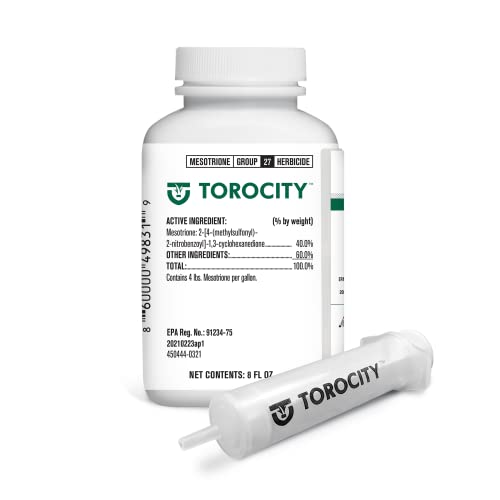
Atticus Torocity Mesotrione Herbicide (8oz)
Taking A Closer Look At The Options
Piranha stands apart from the rest of this list because it doesn’t actually kill fungi. Instead, it introduces beneficial fungal species that colonize root zones, where they compete with harmful pathogens for space and nutrients. The 1-liter bottle is a concentrate you mix into your regular feeding schedule, making it appealing to growers who already follow a structured nutrient program.
For lawns that struggle with chronic fungal issues rooted in poor soil biology, this approach addresses the underlying cause rather than just the symptoms. You’ll likely see the best results on turf that’s been chemically treated for years and needs microbial recovery. It won’t replace a curative fungicide during an active outbreak, though.
Benefits That Matter
- Introduces beneficial fungi that outcompete harmful species in the root zone
- Supports long-term soil health rather than quick surface fixes
- 1-liter concentrate stretches across multiple feedings
- Works alongside existing nutrient schedules without conflict
- Helps restore microbial balance in chemically stressed turf
Points To Keep In Mind
- Not a standalone solution for visible, active fungal infections
- Results build slowly and require consistent application over weeks
Who Will Love This
Lawn caretakers focused on rebuilding soil biology and preventing future outbreaks will find this fits naturally into a long-term feeding routine.
Swap It Out When
You need immediate disease control, the Atticus Gravex 20EW Fungicide is the more direct choice for active outbreaks.
This concentrate combines fertilizer, insect control, and disease management in a single 32-ounce bottle. The formulation targets common flower bed problems like Japanese beetles while also providing systemic protection against fungal diseases that often follow pest damage to leaf tissue.
The trade-off is focus: this isn’t a dedicated fungicide, so serious lawn-wide fungal issues may need a more targeted product. For mixed-use landscapes where roses, iris, and hibiscus share space with turf edges, the convenience of one bottle covering three jobs is genuinely useful.
Strong Points
- Three-way formula reduces the number of products you need to stock
- Systemic rainproof protection lasts several weeks per application
- Targets both pests and the fungal infections they often invite
- Works across roses, azaleas, and several other ornamentals
Trade-Offs To Consider
- Not formulated for turf-specific fungal diseases like brown patch or dollar spot
- Mixing and measuring concentrate adds a step compared to ready-to-spray options
- Combining fertilizer with pesticide means less flexibility in feeding schedules
Made For
Garden beds with flowering shrubs where pest and disease pressure tend to arrive together will benefit most from this combined approach.
Consider Something Else When
Your main concern is lawn turf diseases, the Fertilome Fungicide 5 Ready to Use is purpose-built for grass instead of ornamentals.
Gravex 20EW contains 19.7% myclobutanil, a systemic fungicide that works both as a cure for active infections and a preventive barrier against new ones. The 16-ounce concentrate is designed for homeowners comfortable measuring and mixing, and it’s particularly well-suited to tackling stubborn outbreaks of dollar spot, brown patch, and rust on cool-season grasses.
Myclobutanil moves through plant tissue, meaning it protects new growth that emerges after application, not just the blades present at spray time. For homeowners who’ve watched fungal damage return season after season, that systemic action is often the difference between a one-time fix and a recurring headache.
A Favorable Mix
- Dual-action formula handles both existing infections and prevents new ones
- Systemic movement protects new grass growth after treatment
- Concentrate format offers better long-term value per ounce
- Effective against a broad range of common lawn fungal diseases
Honest Caveats
- Concentrate requires accurate measuring and a dedicated sprayer
- Mixing mistakes can lead to under-dosing or wasted product
- Not suitable for organic lawn care programs
The Right Fit
Homeowners comfortable with concentrate mixing who want a serious broad-spectrum fungicide for stubborn outbreaks will get strong returns here.
Reach For A Different Pick When
You’d rather skip mixing altogether, in which case the Fertilome Fungicide 5 Ready to Use offers a no-measure experience.
Fungicide 5 comes pre-mixed in a 32-ounce ready-to-spray bottle, which removes the guesswork from application. The formula targets a wide list of fungal and bacterial issues including blights, molds, rots, spots, and mildews, so it covers a broad problem set without forcing you to identify the exact pathogen first.
Versatility across indoor and outdoor use is one of its quiet strengths. You can treat lawn areas, ornamentals, vegetable gardens, and even houseplants with the same bottle, which makes it a practical shelf staple for households managing plant health in multiple zones.
What Works In Its Favor
- Ready-to-spray format eliminates measuring and mixing errors
- Tackles both fungal and bacterial disease issues across many plant types
- Suitable for lawns, flower beds, vegetables, and indoor plants
- Beginner-friendly with clear on-bottle instructions
- 32-ounce bottle covers a typical residential lawn treatment
Small Caveats
- Pre-mixed format costs more per application than concentrates
- Sprayer nozzle may need replacement after extended storage
Best Suited To
First-time fungicide users and anyone who prefers grab-and-spray simplicity over mixing concentrates will appreciate the straightforward setup.
Look Elsewhere When
You’re managing a large property where concentrate economics matter, the Atticus Talak 7.9% offers gallon-scale coverage with better cost efficiency.
This 4-pound container of micronized sulfur works as both a spray and a dust, giving you flexibility in how you apply it. The fine particle size helps the product adhere to plant surfaces, which improves coverage and reduces the amount that bounces off during application. It’s approved for organic gardening, which opens it up to growers who can’t use synthetic fungicides.
Sulfur has been a garden disease tool for generations, and it remains relevant for powdery mildew, rust, and black spot on a wide range of plants. The trade-off is application sensitivity: too much sulfur or application in high heat can damage sensitive foliage, so timing and rate matter.
Everyday Wins
- Approved for organic gardening and usable up to harvest day on edibles
- Dual-purpose format works as either a dust or a spray
- Fine particles cling to leaves better than coarser sulfur products
- Long-standing track record against powdery mildew and rust
Where It May Fall Short
- Can burn foliage in high heat or on sulfur-sensitive plants
- Dust application can drift in breezy conditions
- Requires more frequent reapplication than synthetic options
Right Fit For
Organic growers and edible garden managers who need disease control without synthetic residues will find this aligns with their program.
Not Your Match When
You need fast curative power on a serious outbreak, the Atticus Gravex 20EW delivers stronger knockdown of active infections.
Talak 7.9% contains bifenthrin, an insecticide that’s been a reliable tool for over three decades. The water-based formula dries clear, leaves no visible residue, and is low-odor, which makes it more pleasant to work with than older solvent-based insecticides. The 1-gallon size targets property owners managing larger areas.
Now for the honest read: this is an insecticide, not a fungicide. Bifenthrin targets insect pests, and I included it because insect damage often opens the door to fungal infections on lawns. Treating chinch bugs or grubs early can prevent the secondary fungal problems that follow.
Key Advantages
- One-gallon size suits multi-acre properties and repeated treatments
- Water-based formula dries clear with minimal odor
- Effective indoors and outdoors across a wide pest spectrum
- Long track record of reliability for perimeter and lawn pest control
Worth Noting
- Does not directly target fungal diseases, pairs best with a dedicated fungicide
- Concentrate requires proper PPE and accurate dilution during mixing
- Oversized bottle may be more than small-yard owners need
Who Should Grab It
Property managers and homeowners with larger lawns dealing with insect infestations that invite secondary fungal problems will benefit from the scale.
A Better Fit Elsewhere
You’d rather treat fungal disease directly, the BioAdvanced All-In-One covers insects and disease in one bottle for smaller spaces.
Captain Jack’s liquid copper fungicide is approved for organic gardening and can be used up to the day of harvest on edible crops. The 16-ounce concentrate covers a wide range of plant diseases, including blights, leaf spots, and mildews that commonly trouble both vegetable gardens and ornamental beds.
Copper fungicides have a long history in gardening because they’re effective against many pathogens and break down without leaving persistent residues. For households growing food alongside lawn areas, that compatibility matters, and the concentrate format gives you flexibility on mixing ratios for different plant types.
The Good Stuff
- Approved for organic gardening and safe up to picking day
- Broad-spectrum coverage against blights, spots, and mildews
- Concentrate format lets you adjust strength for different plants
- Works on vegetables, fruits, and ornamentals from one bottle
Small Limitations
- Copper can accumulate in soil with repeated annual use
- Requires thorough coverage to be effective, missed spots invite reinfection
Perfect Match For
Edible garden growers who want fungal protection without synthetic chemicals will find this fits cleanly into organic systems.
Where Another Pick Suits Better
You mainly need lawn grass protection, the Fertilome Fungicide 5 Ready to Use is more directly aimed at turf applications.
Torocity contains 40% mesotrione, which functions as both a pre-emergent and post-emergent weed control tool. While technically a herbicide rather than a fungicide, it belongs on this list because it shares timing windows with fungicide applications during lawn renovation and reseeding. Newly seeded areas and established turf can both receive treatment.
The flexibility around application timing is the real value here. Most weed killers require you to choose between preventing weeds before they emerge or killing them after, but mesotrione handles both stages. For homeowners renovating damaged lawns, that dual action saves a season of sequential treatments.
Good Reasons To Consider
- Functions as both pre-emergent and post-emergent in one product
- Safe for use on newly seeded areas during lawn renovation
- Works on established turf without halting growth
- Concentrate format offers adjustable coverage rates
A Few Limitations
- Primarily targets weeds, not fungal diseases directly
- Smaller 8-ounce bottle may run out on larger properties
- Concentrate requires careful rate calculation for different grass species
Built With In Mind
Homeowners in the middle of lawn renovation or overseeding projects will appreciate how this fits around seeding timelines.
Skip It When
Your priority is fungal disease control alone, the Bonide Captain Jack Copper Fungicide addresses that directly with organic-allowed chemistry.
What To Weigh Before Choosing Liquid Fungicides For Lawns
Match The Active Ingredient To Your Disease
The first decision point isn’t brand or price, it’s chemistry. Systemic fungicides like myclobutanil (in Gravex 20EW) move through plant tissue and protect new growth, making them strong choices for active outbreaks. Contact fungicides like copper and sulfur stay on the surface and work best as preventive shields. If your lawn already shows visible damage, you’ll generally want a systemic option. If you’re spraying before disease arrives, contact products often suffice at lower cost.
Consider Your Lawn Type And Timing
Cool-season grasses like fescue and Kentucky bluegrass face different fungal pressure than warm-season Bermuda or zoysia. Brown patch loves humid summer nights on fescue, while dollar spot can hit either grass type under stress. Timing matters too: many fungicides work best when applied before symptoms appear or at first sign of trouble. Waiting until damage is widespread reduces effectiveness and forces repeat treatments.
Decide Between Concentrate And Ready-To-Spray
Concentrates cost less per ounce but require measuring, mixing, and a dedicated sprayer. Ready-to-spray bottles cost more but eliminate errors and cleanup. For homeowners treating a single small lawn once or twice a season, ready-to-spray makes sense. For anyone managing multiple zones, large properties, or recurring issues, concentrates pay back the small extra effort quickly.
Check Coverage Area And Reapplication Needs
Bottle size tells you how much area one container covers, but reapplication intervals matter more for total cost. Some products need reapplication every 7 to 14 days during disease pressure, while others hold for several weeks. Always read the label interval, then estimate how many bottles you’ll need across a full season before committing to a purchase.
Key Considerations Across These Picks
Where Shoppers Go Wrong
The most common slip-up I see is treating the wrong problem. Brown patch, dollar spot, and drought stress can look similar at a glance, and grabbing any fungicide off the shelf wastes time and money. Take ten minutes to compare your symptoms against extension service photos or university turf guides before spraying. Another mistake is skipping the reapplication schedule: one treatment rarely clears an active infection, and stopping too early invites reinfection that’s harder to beat the second time.
The Upgrade Payoff
Spending more typically buys you systemic action, broader disease spectrum, or both. The Gravex 20EW costs more than basic sulfur, but it works as a curative rather than just a preventive, which saves a season of watching damage spread. Similarly, concentrate formats cost less per ounce but require investment in a sprayer and a few minutes of mixing. The honest calculation is total seasonal cost plus your time, not just the price on the bottle.
Frequently Asked Questions
How Often Should I Apply Liquid Fungicide To My Lawn?
Most liquid fungicides need reapplication every 7 to 14 days during active disease pressure, though some systemic formulas extend to several weeks between treatments. Always follow the specific product label intervals, since over-application won’t speed results and under-application wastes effort.
Can I Apply Liquid Fungicide In Hot Weather?
Application timing depends on the active ingredient. Sulfur-based products like Bonide Sulfur Fungicide can burn foliage in temperatures above 85°F, while most synthetic fungicides tolerate moderate heat. Early morning or evening application reduces stress on grass and improves product uptake.
Is It Safe To Use Fungicide Around Pets And Children?
Product labels specify re-entry intervals, which range from a few hours to 24 hours depending on the formulation. Once the spray has dried completely, most modern fungicides pose minimal risk, but keeping pets and kids off treated areas until dry is the standard precaution across this category.
Do Liquid Fungicides Expire Or Lose Effectiveness?
Concentrates generally remain viable for two to three years when stored in a cool, dry place away from direct sunlight. Ready-to-spray bottles have similar shelf lives. Always check the label for expiration information, and shake containers before use since settling can occur during storage.
Can I Mix Fungicide With Fertilizer Or Other Lawn Products?
Mixing depends on the specific products, and label instructions should always take priority. Some combinations are explicitly prohibited because they reduce effectiveness or cause phytotoxicity. When in doubt, apply products separately with a few days between treatments to avoid unintended interactions.
Bottom Line
Lawn fungal disease doesn’t wait for you to get organized, and the right bottle depends on whether you need prevention, cure, or both. Most homeowners will land on one of the ready-to-spray options for simplicity, while those with recurring problems will benefit from a systemic concentrate. Match the active ingredient to your specific lawn issue, follow label intervals closely, and treat at the first sign of trouble rather than after the damage spreads.