Alabama yards deal with humidity, sandy patches, sudden downpours, and long dry stretches that punish the wrong turf. I put together this list for anyone who wants a decent-looking lawn without spending every weekend watering, mowing, and reseeding. Seven seed mixes made the cut, each one solving a slightly different problem for the Deep South.
The Lineup, Simplified

Hancock’s Pensacola Bahia Spring & Summer Grass Seed Mix
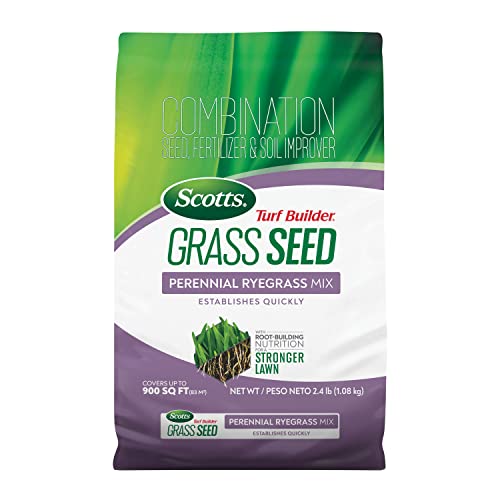
Scotts Turf Builder Perennial Ryegrass Mix

Scotts Turf Builder Rapid Grass Sun & Shade Mix

X-Seed Kentucky 31 Tall Fescue Grass Seed

Pennington Kentucky Smart Seed

Barenbrug Winter Wonderlawn Grass Seed

Scotts Turf Builder Thick’R Lawn Southern Gold
Taking A Closer Look At The Options
Bahia is a workhorse warm-season grass that Alabama growers have trusted for decades, and Pensacola is the variety that handles sandy coastal soils most gracefully. The seed comes in a 10-pound bag, which is generous coverage for most suburban lots. Pensacola forms a tough, deep root system that chases moisture down through poor soil where other grasses give up. Owners with large sunny yards, pasture edges, or roadside strips tend to like the low-input nature of this turf.
For most Alabama homeowners dealing with red clay or sand, Bahia asks for less irrigation than fescue blends and stays green through brutal August afternoons. It is not a showcase grass, but it survives where fussier varieties thin out.
Everyday Perks
- Drills deep roots that shrug off extended drought once established
- Tolerates sandy, acidic southern soils that other grasses reject
- Lower mowing frequency than many cool-season picks on this list
- Wide regional track record across the southern U.S.
Things To Consider
- Texture is coarser and the color is lighter than fescue or rye
- Seedheads pop up in summer, which some homeowners find unsightly
Made For
Anyone with a large sunny lot, sandy soil, or a roadside strip who wants a self-sufficient lawn without constant babysitting.
Swap It Out When
You want a denser, darker lawn for curb appeal, in which case the Scotts Turf Builder Thick’R Lawn Southern Gold Blend handles that brief better.
Perennial ryegrass germinates fast, sometimes in under a week, which makes this small 2.4-pound bag a handy patch-and-repair tool. Scotts blends the seed with a starter fertilizer, so the young grass gets a nutritional push while it roots. The mix handles both full sun and light shade, which covers most home lawn situations.
Compared to the slower Bahia on pick 1, rye gives nearly instant cover for bare spots where you do not want to wait a season. It plays a different role, more repair patch than full reseeding, so keep expectations matched to that scope.
What Helps Most
- Quick germination fills bare patches fast
- Built-in starter nutrition supports young roots
- Tolerates sun and partial shade alike
- Compact bag fits small repair jobs without waste
Points To Keep In Mind
- Cool-season grass struggles through Alabama’s hottest months without supplemental watering
- Small bag size does not suit full-lawn renovation on its own
- Needs more frequent mowing than Bahia or tall fescue
Key Specs
Right Fit For
Homeowners patching bare spots or thickening a thin lawn quickly during the cooler months.
A Better Fit Elsewhere
For a full-lawn overhaul in a single bag, the Scotts Turf Builder Rapid Grass Sun & Shade Mix covers more ground.
This Rapid Grass blend pairs seed with fertilizer in one pass, so the spreader does double duty on the day you seed. The 10-pound bag covers a meaningful chunk of new lawn or a serious overseeding project. Scotts engineered the mix for both sun and shade patches, which spares the guesswork on tricky yards with mixed exposure.
Versus the smaller ryegrass mix on pick 2, this version trades quick patch repair for a heavier bag and a more aggressive establishment timeline. It is the right call when you want results within weeks rather than months.
Useful Touches
- Seed and fertilizer combined into a single application step
- Ten-pound bag suits new-lawn or large overseeding projects
- Handles mixed sun-and-shade lawns without splitting products
- Establishes noticeably faster than seed-only blends
Worth Noting
- Demands consistent watering during the establishment window
- Higher price per pound than basic seed-only options
Whose Lawn It Belongs On
Someone starting a new lawn from scratch or rebuilding a large patch and wanting one trip with the spreader.
Skip It When
You are only patching a few bare spots, in which case the smaller Scotts Turf Builder Perennial Ryegrass Mix is the better buy.
Kentucky 31 is the grandfather of tall fescue, prized for tough blades and a root system that punches into clay. The moisture-coated seed here holds water against each kernel, which speeds germination in tricky southern heat. This blend handles sun, partial shade, and the rough-and-tumble use that comes with kids and dogs.
Where the Hancock’s Bahia on pick 1 leans coarse and utility-grade, this tall fescue leans darker and denser. It stays greener into winter, which matters for anyone who wants color past December.
Useful Strengths
- Coated seed holds moisture, helping germination in heat
- Tolerates heavy foot traffic without thinning out
- Works in both sun and shaded sections of the yard
- Drought-resistant once the root system matures
Honest Caveats
- Cool-season grass may go semi-dormant in peak Alabama summer without irrigation
- Clumps can form over years, requiring occasional overseeding to keep turf even
Quick Facts
Who Should Grab It
Families with active kids, dogs, or backyard sports who need a thick lawn that bounces back from wear.
Consider Something Else When
You want a finer-bladed, darker fescue with lower water needs, where the Pennington Kentucky Smart Seed has the edge.
Pennington’s Smart Seed line is built around varieties bred to use less water once they mature. The seed covers up to 2,000 square feet per bag and germinates within 10 to 21 days under typical conditions. It is also self-spreading, meaning the lawn fills in small gaps on its own over time.
Compared to the Kentucky 31 on pick 4, this is the more refined sibling, trading some raw toughness for better drought efficiency. Anyone watching their water bill or trying to reduce irrigation should pay attention here.
Reasons It Performs
- Uses roughly 30% less water than ordinary grass seed once established
- Covers up to 2,000 square feet per bag
- Self-spreading habit patches minor gaps naturally
- Germinates within a 10 to 21 day window
Small Caveats
- Higher up-front cost per pound than basic tall fescue
Feature Snapshot
Best Suited To
Homeowners who want a refined-looking lawn that drinks less water and patches itself over time.
Look Elsewhere When
Raw durability matters more than water savings, in which case X-Seed Kentucky 31 Tall Fescue is the stronger choice.
Winter Wonderlawn blends perennial and Italian ryegrasses to keep a southern lawn green through the months when Bermuda and Bahia go dormant. The 25-pound bag covers generous square footage, which matters for larger properties. Barenbrug designed the mix to handle foot traffic and to fade out naturally in spring without chemical intervention.
This is a specialist product, not a year-round lawn solution, and it plays best as an overseeding partner to a warm-season base. It bridges the color gap from roughly November through March.
What Makes Sense
- Maintains green color during southern winter dormancy
- Blends perennial and Italian ryegrasses for balanced performance
- Large 25-pound bag suits sizable properties
- Transitions out in spring without chemical assistance
Points To Note
- Acts as an overseed, not a standalone permanent lawn
- Ryegrass struggles in unshaded southern summers
- Bigger bag means more storage space required
Feature Overview
Perfect Match For
Anyone with a Bermuda or Bahia base lawn who wants winter color without losing the warm-season grass underneath.
Reach For A Different Pick When
You need a permanent year-round lawn, where Hancock’s Pensacola Bahia Spring & Summer Grass Mix or the X-Seed Kentucky 31 Tall Fescue fits the role.
Southern Gold is a three-in-one blend that combines tall fescue seed, fertilizer, and a soil improver in a single 12-pound bag. It targets thinning southern lawns that need filling in rather than complete replacement. The soil improver component supports root development in compacted clay, which is common across Alabama suburbs.
Think of this as the renovation pick on the list, more aggressive than the Perennial Ryegrass patch bag on pick 2 but less of a full restart than the Rapid Grass Sun & Shade on pick 3. It hits a useful middle ground for tired lawns.
Positive Points
- Combines seed, fertilizer, and soil improver in one bag
- Tall fescue blend holds up well in southern heat
- Targets thin, weak lawns where bare spots keep returning
- Soil improver helps with compacted clay common in Alabama
Trade Offs
- Best used for overseeding rather than starting bare dirt
- Requires consistent watering through the establishment window
- Results vary depending on how compacted the underlying soil is
Feature Card
Built With In Mind
Homeowners with thinning warm-season lawns who want to thicken and green up without a full teardown.
Where A Sibling Pick Shines
You are establishing a brand-new lawn on bare soil, in which case the Scotts Turf Builder Rapid Grass Sun & Shade Mix is the better starting point.
What To Weigh Before Choosing A Southern Lawn Seed
Alabama sits in the transition zone, where neither strictly cool nor strictly warm grasses have it easy. Tall fescue blends stay greener through mild winters but struggle in peak July heat without irrigation. Bahia and Bermuda-type warm-season grasses handle the heat but brown out from late fall to early spring, which is why some homeowners pair them with a ryegrass overseed like the Barenbrug Winter Wonderlawn.
Soil type matters as much as climate. Sandy coastal soils push Bahia to the front of the line, while heavy red clay rewards fescue’s deeper roots. Coverage goals also steer the choice: small patch repairs call for a 2.4-pound bag, while full-lawn reseeding wants 10 pounds or more.
Sun exposure is the last big variable. Mixed sun-and-shade yards do well with flexible blends like the X-Seed Kentucky 31 or the Scotts Rapid Grass Sun & Shade. Full-sun lots with sandy soil can lean on Pensacola Bahia without much fuss.
Key Considerations Across These Picks
Common Shopping Slip Ups
The biggest mistake I see is matching seed to climate zone without checking soil type. A fescue blend thrown onto pure sand will struggle even with perfect watering, while Bahia planted in heavy clay will sit there sulking. Another trap is buying the cheapest bag without checking coverage, then ending up with a half-seeded lawn and a second trip to the retailer.
What The Higher Tier Buys
Bigger bags and three-in-one formulas cost more because they bundle seed, fertilizer, and sometimes soil improver into a single pass. That convenience shows up as fewer spreader trips and fewer separate product purchases. For a single project, the upgrade often pays for itself in time saved and more uniform results.
Frequently Asked Questions
What grass stays green year-round in Alabama?
No single grass stays perfectly green through Alabama’s full seasonal swing. Most homeowners pair a warm-season base like Bahia or Bermuda with a ryegrass overseed in fall for winter color.
When is the best time to seed a lawn in Alabama?
For warm-season grasses, late spring through early summer is ideal. For tall fescue and ryegrass blends, aim for early fall so seedlings establish before summer heat arrives.
How often do I need to water new grass seed in Alabama?
Light daily watering for the first two to three weeks keeps the topsoil moist without drowning seedlings. Once grass is established, deep but less frequent watering builds stronger roots.
Will tall fescue survive Alabama summers?
Tall fescue handles mild southern summers with some supplemental watering but often goes semi-dormant during the hottest weeks. Choosing drought-tolerant blends helps, and Pennington Smart Seed varieties lean into that.
How long does it take for new grass to fill in?
Perennial ryegrass can sprout within a week, while tall fescue and Bahia usually take two to three weeks. Full thickening typically runs a full growing season.
Bottom Line
Alabama lawns reward growers who match seed to soil, sun, and the seasons they care most about. Bahia handles tough sandy lots with almost no fuss, tall fescue blends give year-round color in transition-zone yards, and a ryegrass overseed keeps everything green through winter. Pick the seed that fits your yard, water it through the establishment window, and let the roots do the rest.