A lawn mower that refuses to start on a Saturday morning is one of those small headaches that can wreck a whole weekend. More often than not, the real culprit is stale or thin oil rather than a busted part. I put together this roundup for homeowners and weekend yard warriors who want their mower, snow blower, and small tractor to last more than a couple of seasons.
How The Shortlist Stacks Up

Valvoline 4-Stroke Powersport Full Synthetic Motor Oil

Honda 5W-30 Motor Oil 08207-5W30

Briggs & Stratton 100005 SAE 30W 18oz (6-Pack)
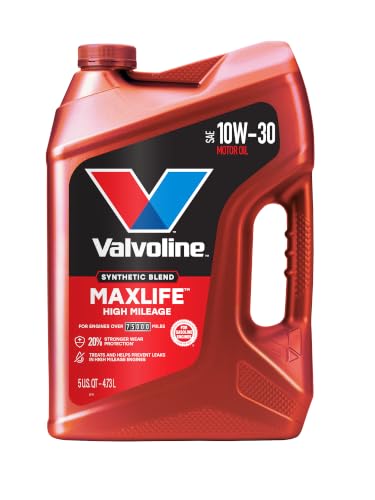
Valvoline High Mileage MaxLife 10W-30 5 Quart

Castrol GTX 10W-30 Conventional 5 Quarts

Pennzoil 10W-30 Motor Oil 1 Quart

Briggs & Stratton SAE 5W-30 Synthetic

STP Premium Synthetic Blend 4-Cycle 10W-30 32oz
The Picks, Examined More Closely
Small 4-stroke engines work harder than most folks realize. They rev higher than car engines and deal with dust, heat, and seasonal swings without much fanfare, so I look for an oil that can keep up. The Valvoline 4-Stroke Powersport Full Synthetic motor oil is blended specifically for these compact powerplants, the kind found in push mowers, generators, and compact tractors.
Compared to the bulkier conventional quart I’ll cover later, this synthetic formula stays more stable when temperatures swing from a cold morning start to a hot afternoon mowing session. For anyone who treats their yard equipment like real machinery, not a disposable appliance, this feels like the right starting point.
What Pays Off
- Full synthetic formula designed for higher-revving 4-stroke engines
- Performs across wide temperature ranges, from cool mornings to summer heat
- One-quart size makes it easy to grab for single oil changes
- Solid fit for power equipment beyond mowers, including generators and compact tractors
Things To Consider
- Synthetic oils carry a higher cost per quart than basic conventional options
- Overkill for older, simpler engines that don’t demand full-synthetic protection
Whose Shed It Belongs In
Homeowners with multiple 4-stroke machines who want one versatile quart to keep on the shelf all year.
Swap It Out When
If you only run a single basic push mower in a warm climate, the Briggs & Stratton 100005 SAE 30W 6-pack is a more economical match.
There’s something reassuring about using oil that the engine’s own manufacturer blended. The Honda 5W-30 is approved across Honda’s 4-stroke power equipment line, and that approval matters more than any marketing claim on the shelf. It’s also well-suited for snow blowers since the 5W weight flows easily in cold weather.
The trade-off compared with the Valvoline synthetic is engine compatibility. This oil is genuinely optimized for Honda machines, while the previous pick covers a wider mix of brands. For anyone running a Honda mower, generator, or snow blower, sticking with the factory-recommended fluid keeps warranty coverage intact and reduces guesswork.
Everyday Wins
- Officially approved for all Honda 4-stroke power equipment
- 5W-30 weight flows quickly at low temperatures, helping cold starts
- One-quart bottle is convenient for top-offs between changes
- Reduces hesitation about whether a generic oil will void coverage
Worth Noting
- Less useful if your shed is full of non-Honda equipment
- Conventional blend, not a full synthetic option
Quick Facts
Made For
Honda mower, generator, and snow blower owners who want factory-spec protection without the trial-and-error.
Consider Something Else When
Households running a mix of brands should reach for the Valvoline Powersport synthetic instead for broader coverage.
Six bottles of 18-ounce oil sounds like a lot until you remember that lawn mowers, tillers, and pressure washers all sip from the same family of lubricants. The Briggs & Stratton 100005 SAE 30W comes in a six-pack that covers several seasons of casual maintenance without forcing repeat trips to the store.
The catch is that SAE 30W is a warm-weather weight. It behaves well in summer but thickens up once temperatures drop, which is the opposite scenario where the Honda 5W-30 above excels. For warmer regions, this bulk format keeps the garage well-stocked.
Good Reasons To Consider
- Six-bottle pack reduces the cost per ounce and cuts down on reorder frequency
- Smaller 18oz bottles are easier to handle during top-offs than bulky jugs
- SAE 30W is a classic match for many Briggs & Stratton mower engines
- Useful across multiple pieces of outdoor power equipment
Trade Offs
- Not ideal for cold-start mornings or winter equipment use
- Requires storage space for six bottles at once
Who It Suits Best
Fleet owners, small property managers, and households running multiple mowers in temperate-to-warm climates.
Where Another Pick Suits Better
Anyone needing oil that handles snowy mornings should look at the Briggs & Stratton SAE 5W-30 instead.
Older lawn tractors tend to leak oil and burn through it faster than newer machines. The Valvoline High Mileage with MaxLife Technology is a synthetic blend designed for engines that have put on serious hours, focusing on reducing leaks and conditioning internal seals.
The 5-quart jug is the largest container in this roundup, which makes sense for a riding mower or lawn tractor with a bigger oil capacity. Compared to the single-quart Honda option above, this is more of a refill-and-reset purchase for someone reviving a neglected machine.
The Case For It
- MaxLife additives help condition seals in higher-mileage engines
- Synthetic blend offers better protection than a basic conventional oil
- 10W-30 weight works across a reasonable temperature range
- 5-quart jug suits the larger oil capacity of riding mowers and tractors
Minor Gripes
- Unnecessary for newer engines that don’t show wear signs yet
- Heavier jug is awkward to pour from without a funnel
Feature Snapshot
Best Suited To
Owners of older riding mowers and garden tractors that burn oil, leak, or show signs of internal wear.
A Better Fit Elsewhere
For brand-new small engines, the STP Premium Synthetic Blend is a more proportionate option.
Sludge is the quiet killer of small engines, especially when equipment sits in a garage for months between uses. Castrol GTX has been formulated to fight that buildup, making it a sensible conventional choice for a mower that gets used sporadically rather than weekly.
Where it differs from the Valvoline MaxLife above is intent. GTX is built to prevent deposits before they form, while MaxLife targets engines that already show wear. For mid-life equipment that’s well-maintained but used seasonally, GTX sits in a practical middle ground.
Strong Points
- Designed to resist sludge formation in stop-and-go seasonal use
- 10W-30 handles a broad temperature range for most regions
- Conventional oil keeps cost lower than synthetic options
- 5-quart container suits lawn tractors and larger mowers
Points To Keep In Mind
- Conventional formula provides less protection than full synthetics in extreme conditions
- Won’t recondition aging seals the way MaxLife does
Right Fit For
Owners of well-maintained mowers who want affordable, time-tested protection against sludge buildup.
Reach For A Different Pick When
For engines showing visible wear or oil consumption issues, the Valvoline MaxLife is a more direct answer.
Sometimes the right answer is the simplest one. The Pennzoil 10W-30 is a basic conventional quart that does what its label says without any extras, no detergent additives promoted as miracles, no specialty blends. For a homeowner who just needs to top off a mower before the next cut, that simplicity is a feature.
Versus the Honda OEM quart, this is the generic-store-brand approach. It still meets the right viscosity spec, and many people keep one of these in the garage as a backup alongside a more specialized product.
Bright Spots
- Widely available 10W-30 quart in a familiar single-bottle format
- Easy to pour and store on a basic garage shelf
- Works across a wide range of small 4-stroke engines
- Convenient size when only a small top-off is needed
Some Limits To Know
- Conventional formula lacks the additives found in synthetic blends
- Not tailored to any specific engine brand
Who Will Love This
Homeowners who want a no-frills quart to keep on hand for routine top-offs between seasonal oil changes.
Where A Sibling Pick Shines
For a machine that’s seen better days, the Castrol GTX is better suited to fight sludge in older equipment.
The Briggs & Stratton 5W-30 is a 100% synthetic formulated for air-cooled 4-cycle engines, the kind that run hot in summer and sit cold through winter. The 32-ounce bottle (sold in a 2-pack) splits the difference between single-quart convenience and bulk storage.
The synthetic formula sets it apart from the conventional Briggs & Stratton 30W six-pack earlier in the list. That one handles warm months; this one stretches across colder shoulder seasons without thickening up.
Positive Takeaways
- 100% synthetic base for stronger film strength at high temperatures
- 5W-30 weight flows at low temps for easier cold-weather starts
- Engineered specifically for the demands of air-cooled 4-cycle equipment
- Two 32oz bottles balance convenience with a longer supply window
Honest Caveats
- Synthetic pricing exceeds most conventional small-engine oils
- Some owners report occasional packaging leaks during shipping
Feature Card
Perfect Match For
Homeowners in four-season climates who want one oil that works from early spring through late fall.
Not Your Match When
For warm-weather-only use, the Briggs & Stratton 30W 6-pack delivers better value per ounce.
Sheds with one mower are rare. Most yards have at least a mower and a generator, plus maybe a pressure washer or compact tractor. The STP Premium Synthetic Blend 4-Cycle 10W-30 is built for that kind of mixed equipment lineup, with an all-weather formula designed for easier cold starts.
Versus the Honda OEM quart, this trades brand specificity for broader compatibility. Where it differs from the Valvoline Powersport synthetic is positioning: this is a synthetic blend rather than a full synthetic, which lands it in a comfortable middle price tier.
What Works In Its Favor
- Synthetic blend gives better protection than a basic conventional oil
- All-weather formula supports easier starts in cooler temperatures
- Works across mowers, generators, tractors, and snow blowers
- 32-ounce bottle fits the oil capacity of many common small engines
Practical Considerations
- Not a full synthetic, so peak protection falls short of the Valvoline Powersport
- Bottle design is functional but not particularly easy to pour cleanly
Quick Technical Notes
Built With In Mind
Households running multiple types of small 4-cycle equipment who want one versatile bottle on the shelf.
Look Elsewhere When
For a strict Honda-only fleet, the Honda 5W-30 OEM quart is the more authentic match.
What Matters When Buying Motor Oils For Lawn Mower
The first thing to nail down is viscosity. That number tells you how the oil flows at different temperatures, which is why a 5W-30 handles frosty mornings better than a straight 30W. Check the mower’s owner manual first, since most small engines accept either 30W or 10W-30 depending on climate. Using the wrong weight can lead to sluggish cranking in winter or thin protection on a hot day.
Next, think about oil type. Conventional motor oils are affordable and fine for many push mowers that see light seasonal use. Synthetic blends offer stronger protection during temperature swings and longer intervals between changes. Full synthetics are worth the upgrade for harder-working engines, including generators and riding tractors that run longer cycles.
Oil capacity matters more than most shoppers expect. Push mowers usually need 18 to 22 ounces, while riding mowers and compact tractors often require 1.5 to 2 quarts or more. Picking the wrong container size means either running out mid-change or storing half-used bottles that collect moisture. The Briggs & Stratton 18oz six-pack and the 5-quart jugs are sized for those different needs.
Finally, manufacturer approval is worth weighing. Honda’s OEM quart carries official approval for Honda power equipment, and Briggs & Stratton offers its own small-engine line for the same reason. OEM-spec oils can preserve warranty coverage and remove doubt about whether a generic alternative will hold up.
Spotting The Right Tier Without Overspending
Where Shoppers Go Wrong
A common mistake is grabbing any 10W-30 off the shelf without checking the engine manual first. Some mowers, especially older Briggs & Stratton models, genuinely prefer SAE 30 in warm weather. Another slip-up is buying automotive-only motor oil for a small engine without confirming compatibility, since small engines run hotter than car engines and benefit from additives aimed at higher RPM operation. Skipping oil changes between seasons is the bigger trap, and stale oil turns to sludge long before the next spring startup.
Where The Extra Money Goes
A premium tier like the Valvoline Powersport synthetic or the STP Synthetic Blend costs more per quart, and that money shows up in stronger additive packages, better thermal stability, and longer drain intervals. For a riding mower, generator, or compact tractor that runs hard and often, the upgrade pays back through fewer repairs. For a basic mower used a few times each summer, a conventional oil does the job and saves cash that can go toward sharper blades or fresh spark plugs.
Frequently Asked Questions
Can I use car motor oil in my lawn mower?
Most car motor oils work in 4-stroke lawn mower engines, since they share basic lubrication principles. Check the owner’s manual for the recommended viscosity, and stick with oils that meet common small-engine specs for the best protection.
How often should I change my lawn mower oil?
A typical recommendation is once per season or every 25 to 50 hours of run time, whichever comes first. Heavy use, dusty conditions, or running a generator for long stretches can shorten that interval noticeably.
What viscosity is best for a mower used year-round?
A multi-grade oil like 10W-30 handles the broadest temperature range and is a sensible default for year-round mowing in most climates. In regions with deep cold, a 5W-30 flows more easily at startup.
Is synthetic oil worth it for a small engine?
Synthetic and synthetic blend oils offer better temperature stability and longer drain intervals, which is meaningful for equipment that runs hot or sits unused for months. For occasional light use, a good conventional oil remains adequate.
What happens if I overfill my mower with oil?
Overfilling can cause foaming, reduced lubrication, and oil leaking past seals or into the air filter. It can also lead to rough running and excess smoke, so always check the dipstick after refilling.
Bottom Line
The right oil for your mower depends less on the brand and more on matching viscosity, oil type, and container size to the engine in front of you. Once those basics are settled, any of these eight picks will keep a small engine running cleanly through another season of work.