Spring weeds creep in fast, and once crabgrass and poa annua take hold, they fight your turf all season. I put together this roundup for anyone who’d rather stop weeds before they sprout than spend weekends pulling them. Every pick below targets a different scenario, from a small garden bed to a half-acre lawn, and from a gentle flower-safe option to a serious total-kill concentrate for hardscapes.
A Snapshot Of The Selections

Preen Garden Weed Preventer Bundle (16 lb. + 5.625 lb.)
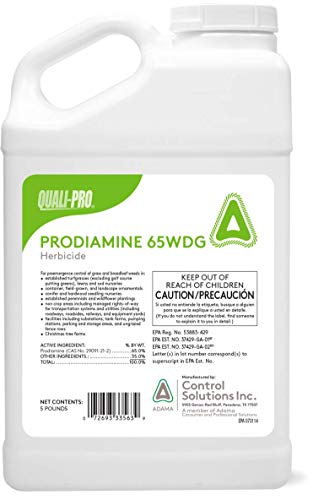
Quali-Pro Prodiamine Pre-Emergent Herbicide 5 lb

Prodiamine 65 WDG 5 lb Pre-Emergent (Generic Barricade)
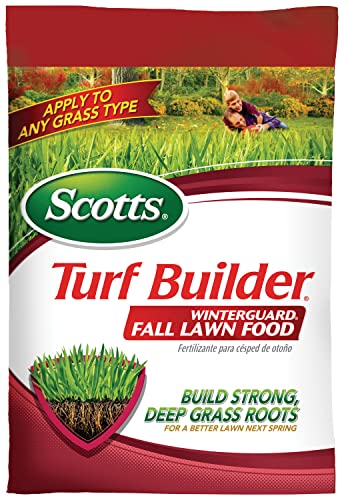
Scotts Turf Builder WinterGuard Fall Lawn Food 10 lb
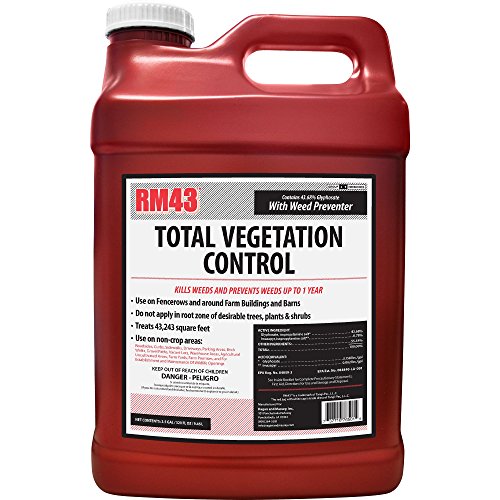
RM43 Total Vegetation Control 2.5-Gallon

0-0-7 Granular Prodiamine Pre-Emergent Fertilizer 45 lb

Roundup Quick Pro (Makes 5 Gallons)

Spectracide Weed & Grass Killer Concentrate 1 Gal
More Details On Our Top Picks
This bundle pairs a large jug with a smaller flip-top bottle, which is honestly the shape most people actually want. The big jug handles the wide perennial beds, and the flip-top makes quick work of edging around established shrubs without hauling the whole container out.
For homeowners who don’t want to broadcast granules across a lawn, this is the path of least resistance. You sprinkle, water it in, and walk away. Compared to the heavier prodiamine products later in this list, this one stays in the flower bed where it belongs.
Where It Helps
- Stops weed seeds from germinating for up to three months in beds and borders.
- Labeled for over 200 established flowers, vegetables, trees, and shrubs.
- The flip-top bottle is genuinely easy to shake out along a tight edge.
- Two container sizes cover both small and large garden footprints.
- Usable in spring, summer, or fall, depending on what you’ve already planted.
Worth Noting
- Explicitly not labeled for lawn use, so it won’t replace a true pre-emergent on turf.
- It suppresses new weeds only; existing weeds need to be pulled or sprayed first.
- Coverage numbers assume even spreading, which can drift in dense plantings.
Who It Suits Best
Anyone with established flower or vegetable beds who wants a low-effort pre-emergent they can sprinkle without a spreader.
Consider Something Else When
Homeowners treating a full cool-season lawn should reach for the Quali-Pro Prodiamine 5 lb jug instead.
Prodiamine is the active ingredient that pros reach for, and Quali-Pro bottles it in a convenient five-pound jug of yellow granules. The formulation is built to be mixed and sprayed, so a pump or backpack sprayer is the realistic way to apply it across an entire yard.
For homeowners comfortable with a calibration chart, this is the same chemistry used on golf courses and sports turf. The five-pound size handles roughly the kind of coverage most people need for spring plus a fall booster.
Reasons It Performs
- Prodiamine 65% gives season-long pre-emergent activity when timed correctly.
- Works on crabgrass and a wide list of broadleaf weeds at the seedling stage.
- Spray application allows precise, even coverage on a turf lawn.
- Flexible enough for both spring and fall application windows.
Trade Offs
- Requires a sprayer, calibration, and a comfort level with mixing concentrates.
- Granules need to dissolve fully or they can clog standard nozzle tips.
- Over-application can stress certain turf types, so rate matters.
Quick Facts
Made For
DIYers with a sprayer and a cool-season lawn who want pro-grade chemistry and don’t mind measuring.
Not Your Match When
If you’d rather skip calibration, the Yard Mastery 0-0-7 granular version spreads dry with a push spreader.
This jug is essentially the same active ingredient as the Quali-Pro pick, just sold under a generic label. For shoppers watching their lawn-care budget, that chemistry equivalence matters more than the branding on the bottle.
The 65 WDG designation means water-dispersible granule, the same spray-friendly format. If you already own a pump sprayer and know your square footage, this is a sensible money-saver.
What Earns Its Place
- Identical prodiamine 65% chemistry to the name brand at a lower cost.
- Targets crabgrass, poa annua, and other grassy pre-emergents.
- Also covers broadleaf weeds at the germination stage.
Small Caveats
- Label instructions can be thinner than the name-brand equivalents.
- Same sprayer and calibration requirements as the Quali-Pro version above.
- Storage in a humid garage can clump the granules over time.
The Right Fit
Budget-conscious homeowners comfortable with the prodiamine spray method and a DIY approach.
A Better Fit Elsewhere
If you’d prefer a granular option you can walk out with a spreader, the Yard Mastery 0-0-7 45 lb bag is the smarter pick.
Strictly speaking, this is a fall fertilizer rather than a herbicide, but it slots into a pre-emergent plan as the recovery partner. The whole point of stopping summer weeds is so the lawn can bulk up before winter, and WinterGuard is what closes that loop.
Spread it in fall after your pre-emergent window has passed, and it pushes root growth when top growth is slowing down. Pairing it with a spring prodiamine treatment is a common two-step routine.
Notable Gains
- Builds deeper root mass heading into cold weather.
- Helps lawns recover from summer heat and drought stress.
- Granular format works with any standard rotary spreader.
- Ten-pound bag covers a typical mid-size residential lawn.
Points To Keep In Mind
- It’s fertilizer, not a pre-emergent, so it won’t stop weeds on its own.
- Timing matters; applying too early can push vulnerable late-season growth.
Best Suited To
Homeowners running a year-round lawn-care calendar who already use a separate weed preventer in spring.
Reach For A Different Pick When
If you want a single product that handles both feeding and weed prevention, look at the Yard Mastery 0-0-7 combo bag.
RM43 is the nuclear option in this lineup. The 43% glyphosate concentration kills existing vegetation, while the added imazapyr residue keeps new growth from coming back for up to a year. That’s a long residual window, and it’s why the label is so emphatic about where you spray.
For non-lawn areas like gravel driveways, fence lines, and barn perimeters, that long window is the whole point. One pass in spring can keep a whole season of regrowth from breaking through.
Notable Upsides
- Treats up to 43,243 square feet from a single 2.5-gallon container.
- One application suppresses regrowth for up to twelve months.
- Designed for fence rows, gravel paths, sidewalks, driveways, parking areas, and farm buildings.
- Concentrated format means mixing flexibility for different spot jobs.
Honest Caveats
- It kills everything green, including grass you wanted to keep.
- The residual chemistry makes replanting nearby areas tricky for months.
- Spray drift onto desirable plants is a real risk on open sites.
- Storage of a 2.5-gallon jug calls for a cool, dry, locked spot.
Feature Snapshot
Who Should Grab It
Property owners with serious hardscape and right-of-way clearing where total vegetation control is the goal.
Skip It When
Homeowners with a normal residential lawn should choose the Spectracide concentrate for gentler spot spraying.
This is the all-in-one answer for big yards. A 45-pound bag covers 15,000 square feet at the 3 lb per 1,000 rate, and the 0-0-7 NPK ratio means it’s mostly potassium with no nitrogen, so it feeds roots without pushing a flush of tender top growth.
The dry granular format means you push it out with a rotary spreader, no mixing, no sprayer to clean. For homeowners with a half-acre or more, that’s a serious time savings.
A Favorable Mix
- Covers up to 15,000 sq ft from a single bag at standard rates.
- Prodiamine content stops crabgrass, poa annua, bittercress, chickweed, and henbit.
- Dry spread with no measuring, mixing, or sprayer cleanup.
- 0-0-7 ratio feeds without driving nitrogen-fueled growth at the wrong time.
- Single product replaces a separate fertilizer and pre-emergent pass.
Practical Considerations
- A 45-pound bag is heavy to haul from the car to the spreader.
- Needs water activation within a window after spreading to lock in the barrier.
- Spreader calibration affects how evenly the barrier forms across the lawn.
Spec Overview
Whose Shelf It Belongs On
Homeowners with quarter-acre-plus lawns who want one product that combines feeding and pre-emergent control.
Where A Sibling Pick Shines
For smaller yards where a 45-pound bag is overkill, the Quali-Pro 5 lb jug mixed in a sprayer covers the same chemistry on a smaller scale.
Quick Pro is technically a post-emergent, not a pre-emergent, but it earns its place here because so many lawn-care plans use a knock-down spray alongside the preventer. It mixes into five gallons of water and dries fast, so rainfast timing is less of a worry.
Think of it as the cleanup step after the pre-emergent barrier is in place. Anything that slipped through the barrier gets wiped out before it can go to seed.
What It Does Well
- Combines glyphosate with diquat for fast visible activity on emerged weeds.
- Powder format mixes into a standard backpack or pump sprayer.
- One box yields five gallons of finished spray.
- Rapid absorption reduces worry about an unexpected shower after spraying.
Some Limits To Know
- Kills only what’s already emerged; it does not stop future germination.
- Not a substitute for a true pre-emergent program in a crabgrass-prone lawn.
Perfect Match For
Homeowners who already run a pre-emergent and need a fast post-emergent to clean up escapes.
Swap It Out When
For a non-selective total-clear job with built-in residual, the RM43 2.5-gallon concentrate is a stronger one-pass option.
Spectracide’s concentrate is the friendly jug on this list. It’s designed for hardscape spot spraying, so the bottle is meant to be poured into a pump sprayer and used around driveway cracks, walkway edges, and patio lines.
For someone who doesn’t want to wrestle with a heavy 2.5-gallon container of RM43, this one-gallon format is easier to handle. You give up the year-long residual, but you also give up the long replanting delay.
A Few Strong Suits
- One-gallon size is manageable to carry and store.
- Built for driveway and walkway spot applications.
- Concentrate format lets you mix only what each job requires.
- Quieter chemistry profile than the heavier total-vegetation products.
Less Ideal Details
- It’s a contact kill, so it won’t keep weeds from coming back next month.
- Spray drift onto lawn edges can damage grass you wanted to keep.
Built With In Mind
Homeowners who want a manageable concentrate for small hardscape jobs without committing to a long-residual formula.
Look Elsewhere When
For year-long suppression on big gravel areas, the RM43 2.5-gallon concentrate goes further per square foot.
What Matters Most Before Choosing Pre-Emergents For Lawns
Match The Chemistry To The Site
A pre-emergent only stops weeds that haven’t sprouted yet, and the right active ingredient depends on what you’re trying to protect. Prodiamine is the go-to for lawns because it builds a barrier across turf without harming the established grass. Trifluralin-based products like Preen target flower and vegetable beds where you want to keep ornamentals safe. Total-vegetation concentrates like RM43 belong on hardscape, never on a lawn you want to keep. A pre-emergent applied to the wrong site either wastes money or damages the very plants you’re trying to protect.
Time It Before Germination, Not After
Crabgrass, poa annua, and other summer annual weeds germinate when soil temperatures climb into the fifties. For most of the country, that means a late-winter to early-spring application window. Fall applications target winter annuals and give a second barrier layer before spring. Missing the window is the most common reason pre-emergents underperform, because once the seed has sprouted, the barrier is irrelevant. Soil temperature tracking is more reliable than the calendar here.
Spray Versus Granular Format
Spray products like Quali-Pro Prodiamine and the generic 65 WDG jug give the most even coverage on a lawn, but require a pump sprayer, water, and calibration. Granular options like the Yard Mastery 0-0-7 bag walk out with a rotary spreader and skip the cleanup, which is a real advantage on bigger properties. For small yards, spray gives finer control around bed edges. Pick the format that matches your gear and patience level.
Coverage And Residual Window
Every product on this list publishes an expected coverage area and a residual duration, and both numbers deserve attention. A five-pound jug at the standard prodiamine rate covers a smaller footprint than a 45-pound granular bag, so total square footage drives container size. Residual windows range from a few months for flower-safe products to a full year for total-vegetation concentrates. Longer residuals mean fewer repeat applications, but they also lock you out of replanting nearby areas for longer.
Pitfalls Shoppers Hit And The Upgrade Payoff
Wrong Turns To Avoid
The most common mistake is applying a pre-emergent to a lawn that’s about to be reseeded, because the barrier will block the new grass seed right along with the weeds. Another is treating beds where you plan to direct-sow vegetables or flowers within the next few months, which kills germination across the board. Total-vegetation concentrates like RM43 are sometimes sprayed on lawn edges by accident, and the residual chemistry can keep those patches bare for the entire growing season. Always read the reseeding interval on the label before you commit to a product.
Where The Extra Money Goes
Higher-tier pre-emergents earn their premium through longer residuals, more concentrated active ingredients, and combo formats that fold in fertilizer. The Yard Mastery 0-0-7 bag combines prodiamine with a potassium-heavy fertilizer, replacing two passes across the lawn with one. Concentrated liquids like RM43 cost more per container but treat tens of thousands of square feet and skip a fall re-spray. For larger properties, those upgrades usually pay for themselves in time and labor, not just in chemistry.
Frequently Asked Questions
When should I apply a pre-emergent to my lawn?
Apply it in early spring before soil temperatures stay above 55 degrees Fahrenheit for several days, since that’s when crabgrass and most summer annual weeds start germinating. A second fall application can catch winter annuals before they establish.
Can I use a pre-emergent and a fertilizer at the same time?
Yes, combination products like the Yard Mastery 0-0-7 granular blend prodiamine with a 0-0-7 fertilizer ratio so you feed and prevent weeds in a single pass. Just confirm the potassium-only ratio matches what your lawn actually needs at that time of year.
Will a pre-emergent kill the weeds I already see?
No, pre-emergents work by stopping seeds from sprouting, so they have no effect on weeds that have already emerged. You’ll need a post-emergent like Roundup Quick Pro or hand-pulling for anything that’s already growing.
Is it safe to use a pre-emergent around flower beds?
Some are, some aren’t. Preen Garden Weed Preventer is labeled for use around over 200 established flowers and shrubs, but lawn-targeted prodiamine products are not. Always match the product to the site you actually want to protect.
How long does a pre-emergent barrier last?
Most lawn pre-emergents hold their barrier for three to six months, which is why a fall plus spring schedule covers the whole year. Total-vegetation concentrates like RM43 leave a residual that lasts up to a year, but only on non-lawn sites where you don’t want regrowth.
Closing Thoughts
A pre-emergent plan is one of the few lawn-care habits that pays off twice: less pulling in summer and a thicker stand of grass going into fall. Match the chemistry to the site, hit the timing window, and pick the format that fits your gear. The right product for your yard depends on what you’re protecting, how big the space is, and whether you want a granular spread or a spray.