I spend a lot of time thinking about lawns, from postage-stamp city patches to sloped suburban lots where pushing a mower uphill feels like punishment. Remote and robotic mowers have changed what “mowing the lawn” actually means, and the gap between a basic bot and a serious slope-tamer is wider than most shoppers expect. This list sorts through seven solid options so you can match the right machine to your yard, your budget, and how hands-off you really want to be.
The Main Contenders

Mowrator S1 4WD Remote Control Lawn Mower (21-Inch)

LEBOSBO V3 AI Vision Robotic Lawn Mower (1600 Sq.Ft)
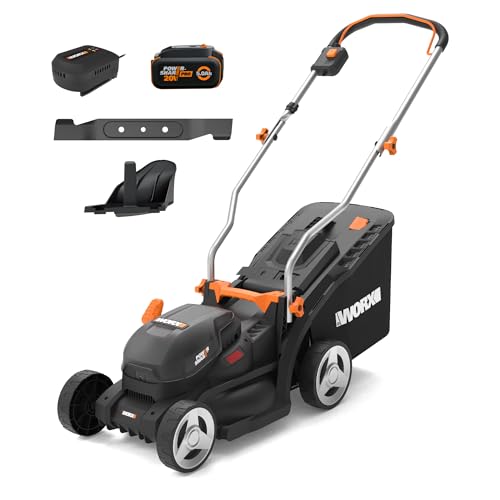
Worx 20V 14″ Cordless Lawn Mower (WG733.1)
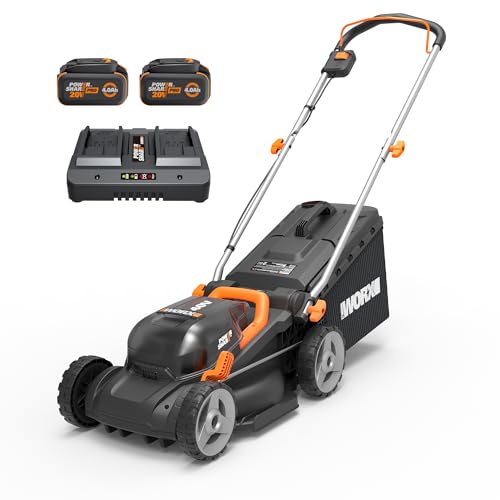
Worx 40V 14″ Cordless Lawn Mower (WG735)

Worx 40V 17″ Cordless Lawn Mower (WG745)
YARDCARE V100 Robot Lawn Mower (1600 sq ft)

Litheli 40V 16″ Cordless Lawn Mower (50L Bag)
The Strengths Of Each Pick
The Mowrator S1 4WD is built for the yards that scare ordinary walk-behind mowers. A 21-inch cutting deck pairs with four-wheel drive and a stated 37° slope rating, meaning you can keep your hands on the remote instead of wrestling a heavy machine uphill. Where the robotic picks later in this list work best on flat, simple ground, this one leans into terrain other mowers refuse.
For owners of hilly lots who still want a hand in the process, the remote-control format sits in a useful middle ground between full autonomy and full manual labor.
What Stands Out
- 4WD traction handles inclines that stall standard walk-behinds.
- The 21-inch deck clears wide paths in fewer passes than 14-inch mowers.
- Remote operation keeps you out of dust, pollen, and loud engine noise.
- Slope rating of 37° covers most residential hills without flinching.
- Year-round framing makes it a flexible platform beyond just summer grass.
Things To Consider
- Heavier and more complex than a basic cordless push mower.
- Remote-control mowing still asks for your attention each session.
- Some add-ons may be sold separately depending on the listing.
Key Specs
Made For
Owners of sloped, uneven, or larger rural lots who want remote guidance without a full robotic installation.
Where Another Pick Suits Better
For flat, simple lawns under 1,600 square feet, the LEBOSBO V3 AI Vision Robotic Lawn Mower delivers more automation for less setup.
Where the Mowrator leans on human guidance, the LEBOSBO V3 trades the controller for an onboard camera. AI vision sensing scans the lawn for obstacles and maps safer travel paths, so the mower reacts to toys, pets, or garden hoses without constant supervision. Its 1,600-square-foot coverage window lines up with typical townhouse or small-suburban lawns.
For hands-off owners with tidy yards, this is the kind of “set it and forget it” experience that justifies a robotic platform.
Positive Points
- AI vision helps the mower recognize and avoid common yard obstacles.
- 1,600 sq ft coverage matches a small lawn without wasted capacity.
- Compact footprint slips through tight side yards and gates.
- True autonomy once installed, freeing up your weekend time.
Worth Noting
- Smaller coverage area than larger robotic models.
- Vision systems can struggle in heavy rain or very low light.
- Owners may need to tidy the lawn before each run for best results.
Right Fit For
Owners of small, relatively flat lawns with some obstacles who want fully autonomous mowing after a brief setup.
Look Elsewhere When
For larger or steeper properties, the Mowrator S1 4WD Remote Control Lawn Mower handles terrain this robot cannot.
The Worx WG733.1 is the lightest, most storable option in this lineup, and the 20V platform keeps it approachable for first-time battery-mower owners. A 14-inch deck suits narrow side yards, fenced patches, and townhouse strips where larger mowers simply do not fit. For shoppers stepping away from corded or gas mowers without committing to a full robotic system, it lands in a sweet spot.
In tight urban spaces, the small footprint matters more than a wider deck ever could.
Where It Delivers
- Lightweight build makes push-mowing genuinely easy.
- 14-inch deck slips through gates and narrow walkways.
- Lower 20V platform keeps cost accessible for new cordless owners.
- Brushless motor supports efficient runtime for small yards.
Trade Offs
- Not built for yards above the suggested coverage range.
- Smaller battery means frequent recharging on bigger lots.
Quick Facts
Who It Suits Best
City dwellers and small-yard owners who want a simple, cordless upgrade over a basic electric mower.
Not Your Match When
For a hands-off, fully automated experience, the YARDCARE V100 Robot Lawn Mower does the work itself.
The Worx WG735 steps the 20V WG733.1 up to a 40V platform, which translates directly into more torque and longer runtime. IntelliCut is the headline feature: it senses thick or wet grass and pushes the motor harder on demand, so you stop babysitting the mower in spring growth spurts. Rated for up to 1/8 acre on a single charge, it covers most starter suburban lots comfortably.
Compare it to the smaller WG733.1, and the difference shows up in the kind of grass each one can confidently chew through.
What Works In Its Favor
- IntelliCut adjusts torque automatically for thicker patches.
- Brushless motor keeps maintenance low and runtime efficient.
- 40V battery has enough headroom for 1/8-acre lots.
- 2-in-1 deck offers bagging or mulching without extra tools.
Honest Caveats
- 14-inch deck still means more passes than the 17-inch WG745.
- Battery is shared with the broader 40V Worx tool family, which helps only if you already own one.
Perfect Match For
Suburban homeowners with small-to-medium lawns who want cordless convenience without jumping to a full robotic system.
A Better Fit Elsewhere
For lots closer to a quarter acre, the Worx WG745 trims mowing time noticeably with its wider 17-inch deck.
Where the WG735 handles 1/8 acre, the WG745 stretches comfortably into 1/4-acre territory. The 17-inch deck cuts more grass per pass, and the included dual-battery setup keeps the mower moving without forced mid-yard breaks. For shoppers who already use Worx 20V or 40V tools, that battery sharing is one of the quietest perks in the whole category.
You give up some nimbleness, and gain a lot of weekend hours back.
A Strong Showing
- 17-inch deck cuts a noticeably wider path per pass.
- Dual 20V batteries keep runtime consistent across larger yards.
- Battery compatibility with 140+ Worx tools simplifies recharging.
- Brushless motor keeps the noise level friendly for neighbors.
Points To Note
- Bigger deck means tighter storage in small sheds.
- Total weight climbs once both batteries are installed.
Spec Overview
Best Suited To
Family homeowners with quarter-acre lawns who want fewer passes and reliable battery runtime.
Skip It When
For lawns under 1,000 square feet, the lighter Worx WG733.1 is easier to maneuver and store.
The YARDCARE V100 sits in the same small-lawn lane as the LEBOSBO V3, with a similar 1,600 sq ft coverage cap and an HD camera doing the navigation heavy lifting. The visual sensor combined with a bumper sensor gives the unit a redundant sense of its surroundings, so it reacts to obstacles even when lighting shifts across the day. For busy households that want the lawn handled without setting foot outside, this is the easy-pick pitch.
Compared to a push mower, the tradeoff is patience: the robot trims in small, frequent passes rather than one fast sweep.
Useful Touches
- HD camera supports smarter route planning and obstacle detection.
- 1600 sq ft capacity matches a typical small urban lawn.
- Set-and-go operation frees up weekends for other projects.
Practical Considerations
- No-go zones require some manual setup during installation.
- Robot mowers are quieter than gas, but still need charging dock space.
Who Will Love This
Owners of tidy, contained lawns who value a fully automated mowing routine over hands-on control.
Reach For A Different Pick When
For yards with heavy slopes, the Mowrator S1 4WD Remote Control Lawn Mower handles terrain robots cannot.
The Litheli 40V sits between the compact 14-inch Worx models and the wider 17-inch WG745, with a 16-inch deck and an unusually generous six-step height range. Cutting heights between 25mm and 75mm cover everything from close-cropped summer cuts to longer late-spring growth without swapping blades. Two 5.0Ah batteries ship in the box, so you are not chasing a charger before your first mow.
For shoppers who want one mower to flex across seasons, the height range is the quiet star of the spec sheet.
Reasons It Performs
- Six cutting heights adapt to changing grass conditions.
- Dual 5.0Ah batteries extend runtime for medium-sized yards.
- 50L collection bag reduces emptying trips during longer mows.
- Brushless motor cuts down on long-term maintenance.
Where It May Fall Short
- 50L bag adds bulk compared to mulching-only setups.
- Brand ecosystem is smaller than the Worx 40V family.
Feature Snapshot
The Right Fit
Owners with mid-size lawns who switch between short summer cuts and longer spring growth throughout the year.
Swap It Out When
For a fully autonomous, set-and-forget routine, the LEBOSBO V3 AI Vision Robotic Lawn Mower removes the pushing entirely.
What To Weigh Before Choosing a Remote Lawn Mower
A “remote lawn mower” can mean three very different things: a true robotic bot, a remote-controlled tractor, or a cordless walk-behind. Sorting those categories first keeps the rest of the decision honest.
Yard Size and Layout
Measure your lot, but also look at how it is shaped. Robotic mowers like the LEBOSBO V3 and YARDCARE V100 cap out around 1,600 sq ft, which is great for townhouse lawns and awkward side strips. Walk-behind cordless mowers scale with you: 14-inch decks suit narrow gates, 17-inch decks cover wider runs.
Terrain and Slope
Flat lawns give you more flexibility, but anything beyond a gentle incline changes the shortlist. Remote-control and 4WD mowers such as the Mowrator S1 exist specifically for properties where a wheeled robot would lose traction. For gentle rolls, most cordless push mowers manage fine without drama.
Power Source and Runtime
Cordless walk-behinds run on swappable battery platforms. Worx’s 20V and 40V lines share batteries across 140+ tools, which is a real perk if you already own one. Robotic mowers dock themselves and recharge between sessions, removing that mental load entirely.
Storage and Maintenance
Robotic mowers need a charging base in a dry corner. Cordless push mowers fold or stand upright in a shed, but heavier batteries add weight. Brushless motors across this list cut down on long-term wear compared to brushed designs, which matters if you mow weekly for years.
Common Sense Choices for Smart Shoppers
Pitfalls Shoppers Hit
The most common buying mistake is matching a tiny robotic mower to a half-acre yard and expecting miracles, or grabbing a 14-inch push mower for a quarter acre and spending the whole weekend outside. Measure the lawn before anything else. The other trap is ignoring obstacles: pet zones, kids’ toys, and garden beds all change which mower makes sense, and vision-equipped robots handle those far better than basic bump-and-turn bots.
When Paying More Pays Off
Higher-tier models tend to add slope handling, wider decks, or genuine autonomy. The Mowrator S1 4WD costs more because it climbs where cheaper mowers stall. Robotic platforms with AI vision cost more because they map and react instead of just bouncing around. For owners of uneven, larger, or obstacle-heavy yards, that extra spend usually trades weekend hours for a tidy lawn.
Frequently Asked Questions
How does a remote lawn mower differ from a robotic one?
A remote lawn mower is steered by a handheld controller, so you still guide it. A robotic mower uses sensors, sometimes including a camera, to navigate on its own once you set boundaries.
Can robotic mowers handle slopes?
Most entry-level robotic mowers are designed for gentle, even ground. For steep inclines, a 4WD remote-control unit like the Mowrator S1 is the safer, more capable choice.
Do I need to install boundary wires?
Many newer robotic mowers use cameras and AI plus magnetic strips for no-go zones, reducing the need for buried wire. Push mowers need no installation at all.
How long do cordless mower batteries last?
A 40V battery in this category typically covers a 1/8 to 1/4 acre on a single charge, depending on grass thickness. Spare batteries extend that range without downtime.
Are remote lawn mowers safe around kids and pets?
Robotic mowers with obstacle detection and remote-control units with operator visibility are both designed for household use. Still, common-sense supervision around active play areas is wise.
The Takeaway
I find that the right mower always starts with the yard, not the spec sheet. Measure first, note the slopes, then choose between autonomous and remote-guided. Any of these seven will serve a thoughtful shopper well.