Pulling a starter cord at 7 a.m. on a Saturday feels old-fashioned once you’ve lived with a cordless mower. I’ve been researching electric walk-behinds for suburban lots, and the 80V and 56V systems have caught up to small gas engines on torque without the noise, fumes, or fuel mixing. What follows are eight models worth a serious look, ranging from compact 15-inch push units to wide-deck self-propelled rigs built for half-acre lawns. Every pick here cuts cleanly, starts instantly, and folds for storage. The goal: help you match deck size, battery voltage, and drive style to your yard and your weekend schedule.
A Closer Look At The Lineup

Greenworks 80V 21in Push Lawn Mower, 4.0 Ah Battery and Charger

Makita DLM460Z Twin 18V (36V) Li-ion LXT Brushless Lawn Mower
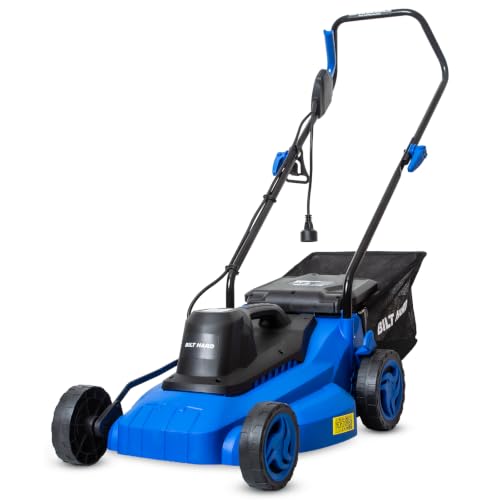
BILT HARD 15″ Corded Electric Lawn Mower, 11A Motor

Casince 17in Cordless Walk Behind Lawn Mower

EGO POWER+ 56V Self-Propelled Lawn Mower (LM2135SP)

Honda HRX-BE 21-Inch Battery Lawn Mower (HRX217YXBEXA6)

Honda HRX-BV 21-Inch Battery Lawn Mower (HRX217YXBVKA4)

Makita DLM330Z 18V Li-ion LXT Lawnmower
Meet The Standout Selections
The Greenworks 80V platform has earned a loyal following among suburban homeowners, and this 21-inch push model is a good case study in why. The steel deck handles rougher patches without flexing the way plastic shells do, and a single lever lets you change height across seven positions rather than fiddling with four wheels individually.
On a typical quarter-acre lot with a fully charged 4.0Ah pack, owners commonly report finishing the yard before the battery gives out. Compared with the smaller BILT HARD unit below, this one trades compactness for raw cutting width and noticeably stronger airflow under the deck.
Bright Spots
- Brushless motor runs quieter and tends to outlast brushed equivalents, especially under heavy weekly use.
- 21-inch deck covers wide strips, so fewer passes across medium lawns and quicker weekend turnaround.
- Single-lever height adjustment saves time when switching between grass types or patchy zones.
- Rapid charger refills the 4.0Ah pack in roughly 60 minutes, cutting downtime between sessions.
Things To Consider
- At roughly 60 minutes of runtime, larger half-acre yards may need a second battery to finish in one go.
- Push-only drive means sloped sections take more effort than self-propelled alternatives like the EGO LM2135SP.
Who It Suits Best
Homeowners with flat, medium-sized lawns who want a sturdy push mower without stepping up to a self-propelled rig.
Where Another Pick Suits Better
For steeper terrain where walking effort becomes a chore, the EGO POWER+ LM2135SP self-propelled model is a better match.
Makita’s LXT platform already powers a generation of drills, saws, and blowers, and the DLM460Z leverages that ecosystem with a twin-18V design that delivers 36V to a brushless motor. Soft-start electronics and constant-speed control help the blade hold its pace through dense, slightly damp grass instead of bogging down.
The trade is real: this body is sold without batteries or a charger, so first-time shoppers need to factor in 5.0Ah packs and a rapid charger. For contractors or homeowners already running LXT tools, that shared battery pool turns the mower into a near-zero-cost upgrade.
Everyday Perks
- Brushless motor and twin-battery architecture produce the torque profile that thicker lawns demand.
- Sharing batteries with existing LXT tools saves space and money for anyone running a Makita kit.
- Constant-speed control keeps blade RPM steady, which owners commonly link to a more even cut.
- 3-in-1 design supports bagging, mulching, and side discharge without extra accessories.
Worth Noting
- Batteries and charger ship separately, so total cost climbs quickly for shoppers without LXT packs on hand.
- G-Series batteries are not compatible, which catches out shoppers with older Makita tools.
- Body-only pricing puts it out of reach for shoppers seeking a one-purchase walk-behind solution.
Made For
Existing Makita LXT owners and trade users who already own compatible 18V packs and want a tool that slots right into their kit.
Swap It Out When
First-time cordless shoppers without LXT batteries should pivot to the Greenworks 80V push mower for an out-of-box ready experience.
Strictly speaking, the BILT HARD 15-inch is a corded mower rather than a battery-driven one, but it earns a spot for shoppers with small yards who never want to think about charging cycles. The 11-amp motor spins the blade up to 3300 RPM, which sounds modest next to a gas engine but handles weekly trims on city-sized plots without protest.
Five height positions between 1 and 3 inches give enough range for most cool-season grasses, and the foldable handle collapses for upright storage in a garage or shed. The cord does limit reach, so a 50- or 100-foot outdoor extension is essentially required.
Useful Touches
- 35L grass bag holds enough clippings for a typical small-yard session without constant emptying.
- Foldable handle saves floor space in tight garage corners or shared-storage sheds.
- Lightweight build keeps pushing effort low for users who find heavier steel-deck mowers tiring.
- Corded design eliminates battery replacement costs for shoppers planning to stay put for years.
Points To Keep In Mind
- The cord restricts movement and forces careful navigation around trees, beds, and pathways.
- 15-inch deck is narrow for any lawn beyond about 2,000 square feet.
- Not a true cordless pick, so it sidesteps the convenience factor that draws most shoppers to this category.
Quick Facts
Right Fit For
Renters and townhouse owners with small, easily reachable lawns who want a low-cost, low-fuss mower without battery maintenance.
Look Elsewhere When
Anyone mowing past a 50-foot reach or wanting true cordless freedom should pick the Casince 17-inch dual-battery unit instead.
The Casince 17-inch lands in a sweet spot for first-time buyers: a manageable deck width, a dual-battery setup that extends runtime, and a price that doesn’t punish anyone still learning the category. Six height positions from 1 to 3 inches let a household adjust between grass types without swapping tools.
Two 20V 4.0Ah packs feed the motor for up to about 40 minutes under typical conditions, which covers most suburban front-and-back sessions. Compared with the wider Greenworks 80V, this one trades blade span for a lighter overall feel that easier for smaller family members to handle.
Real Benefits
- Two included batteries mean most users won’t need a second purchase to finish a typical yard.
- 17-inch deck balances cutting width with maneuverability around trees and flower beds.
- Six height settings cover a wider grass range than the 5-position BILT HARD unit.
- Lightweight frame reduces fatigue for households where multiple people take turns mowing.
Honest Caveats
- 40-minute runtime is shorter than the Greenworks 80V’s potential hour on a single pack.
- Brushless motors are not specified at this tier, so long-term durability may trail premium options.
- Push-only design means more walking effort compared with self-propelled EGO or Honda rigs.
Best Suited To
First-time homeowners with modest suburban lawns who want a complete, ready-to-mow bundle without separate battery purchases.
Consider Something Else When
Shoppers dealing with hills or fatigue concerns should consider the EGO POWER+ LM2135SP, which drives itself across uneven ground.
The LM2135SP is the pick I’d hand a friend replacing a gas mower for good. EGO’s 56V platform has matured into something genuinely competitive, and this self-propelled model layers a Select Cut multi-blade system on top. Three interchangeable lower blades (mulching, high-lift bagging, extended runtime) let you tune the cut to the season without buying attachments.
The bundle ships with a 7.5Ah pack, a 5.0Ah secondary pack, and a rapid charger, so larger lawns get a meaningful runtime boost right out of the box. Self-propulsion removes most of the walking effort that makes push mowers tiring on sloped lots.
Good Reasons To Consider
- Select Cut blade system adapts between mulching, bagging, and runtime modes with a quick swap.
- Self-propelled drive flattens the effort curve on hills and thicker turf where push mowers drag.
- Two included batteries extend runtime enough for half-acre yards without buying extras.
- 56V architecture delivers torque that, in spec terms, rivals small gas engines.
Trade Offs
- Premium positioning puts it well above entry-level picks like the BILT HARD or Casince units.
- Self-propelled models weigh more and take up more storage space than compact push alternatives.
- Battery and charger arrive separately for the extra pack, which complicates first-day setup.
Feature Snapshot
Who Will Love This
Homeowners with half-acre lots, sloped terrain, or anyone trading up from a tired gas mower who wants the most refined cordless experience available.
Skip It When
Shoppers with a tiny, flat lot don’t need self-propulsion and would be better served by the lighter Greenworks 80V push mower.
Honda’s HRX line has long been a benchmark for cut quality, and the battery-powered HRX-BE carries that reputation into the cordless category. The 21-inch deck wraps the brand’s Versamow system with a Clip Director, letting you shift between mulching, bagging, discharge, and leaf shredding without swapping parts.
Twin blades improve mulching fineness, and Honda targets cut quality and RPM maintenance as the headline benefit. For shoppers upgrading from a basic push mower, the price jump is real, though often justified by build quality and deck longevity.
Standout Benefits
- 4-in-1 Versamow with Clip Director eliminates the need for attachment swaps between cuts.
- 21-inch deck paired with twin blades produces the fine mulch finish detail-oriented homeowners prefer.
- Honda build quality tends to translate into years of weekly service on residential lots.
- Battery operation brings Honda cut standards to noise-restricted communities and early-morning mowers.
Where It May Fall Short
- Premium pricing puts it well above mainstream cordless options like the Greenworks 80V.
- Heavy deck construction requires more storage space than compact 15- or 17-inch alternatives.
Perfect Match For
Detail-focused homeowners who care about mulching finish and long-term deck durability more than headline price.
A Better Fit Elsewhere
Shoppers wanting self-propulsion should look at the EGO POWER+ LM2135SP, which adds drive assist the Honda lacks.
The HRX-BV variant shifts the focus toward variable-speed drive, giving shoppers who pace themselves through longer sessions a more controlled walking speed. Like its HRX-BE sibling, it uses the Versamow 4-in-1 system with Clip Director, and twin blades carry over for a clean mulching profile.
The headline difference is the variable transmission: rather than a single self-propelled pace, the mower responds to your walking pressure. Compared with the HRX-BE, this model suits larger or more varied lawns where pace control helps over multi-zone mow sessions.
Benefits That Matter
- Variable-speed self-propelled drive adapts to walking pace across straight runs and tight turns.
- Versamow 4-in-1 system covers mulching, bagging, discharge, and leaf shredding without attachments.
- Twin-blade deck refines mulching for homeowners who skip bagging during peak growing months.
- Honda battery platform extends the HRX reputation into cordless territory.
A Few Limitations
- Premium tier pricing exceeds entry-level picks and many midrange competitors.
- 21-inch deck and self-propelled hardware add weight that complicates storage in smaller sheds.
Built With In Mind
Heavy mulching users with larger, more open lawns who want pace control during long sessions and the cleanest possible cut finish.
Reach For A Different Pick When
Shoppers with smaller plots and tighter budgets get more practical value from the Greenworks 80V push mower.
Makita’s DLM330Z is the smaller sibling to the DLM460Z, and it’s the right pick for tight city yards where a 36-inch gate or narrow side passage rules out wider decks. The 330mm cutting width turns sharply around raised beds and tree wells without constant repositioning.
Powered by a single 18V LXT pack rather than the twin setup of its larger sibling, this body ships without batteries. For existing Makita households, that turns the mower into a straightforward add-on rather than a fresh investment in a new battery platform.
Practical Advantages
- Compact 330mm deck navigates narrow gates and side-yard strips where wider mowers won’t fit.
- Shares 18V LXT batteries with the broader Makita tool ecosystem for easy charging.
- Soft-start electronics protect the motor and make key-turn startups feel refined.
- 3-in-1 cutting modes support bagging, mulching, and side discharge in one chassis.
Some Limits To Know
- Bodies-only pricing inflates the real cost for first-time Makita shoppers.
- Smaller deck means more passes on any lawn above roughly 1,500 square feet.
Feature Card
Whose Shelf It Belongs On
Existing Makita households with small, narrow-access yards who want a compact mower that uses batteries they already own.
Not Your Match When
Shoppers wanting a complete out-of-box bundle should pick the Casince 17-inch dual-battery mower instead.
What Matters Most When Picking Cordless Lawn Mowers
Deck Width And Yard Footprint
Deck width decides how many passes a mow session takes. A 15-inch deck, like the BILT HARD unit, fits behind narrow gates and turns in tight spaces but doubles the passes on half-acre lots. A 21-inch deck, found on the Greenworks 80V, EGO LM2135SP, and Honda HRX twins, cuts wider strips and finishes faster on open lawns. For lots under 2,000 square feet, compact decks save time on turning. For anything above a quarter acre, a wider deck reduces fatigue and runtime strain.
Battery Voltage And Runtime
Voltage (V) measures battery system power, while amp-hours (Ah) measure how long that power lasts. An 80V system like Greenworks or a 56V system like EGO delivers more torque than a single 18V platform, which matters for thick or slightly damp grass. Runtime depends on deck load, grass height, and battery capacity. For yards above 5,000 square feet, dual-battery setups (Casince) or bundled second packs (EGO LM2135SP) cover the full session without mid-mow charging.
Drive Style And Yard Terrain
Push mowers work on flat, even ground and cost less. Self-propelled mowers like the EGO LM2135SP and Honda HRX-BV drive the rear wheels for you, which pays off on slopes, thicker turf, and longer sessions. Variable-speed drive, found on the Honda HRX-BV, adapts to walking pace for the most natural feel. For flat city lots, push is fine. For hilly suburbs, self-propelled is worth the upgrade.
Cutting Modes And Deck Build
3-in-1 decks bag, mulch, and side discharge. 4-in-1 systems like Honda’s Versamow add leaf shredding, useful for fall cleanup. Steel decks (Greenworks 80V) resist impact damage but add weight. Plastic/composite decks keep weight down at the cost of long-term durability. For mulching-focused households, twin-blade decks (Honda HRX series) produce a finer result.
Key Takeaways Across These Picks
Common Buying Traps To Dodge
Shoppers often pick the widest deck without measuring gate access, only to find the mower won’t reach the backyard. Measure the narrowest passage before committing. Another common slip: assuming “battery included” covers everything. Several Makita models ship body-only, requiring separate battery and charger purchases that meaningfully change the real cost. Match voltage to grass thickness: an 18V platform handles tidy lawns, but thick cool-season grass asks for 56V or 80V systems.
Where The Extra Money Goes
Premium tiers like the EGO LM2135SP and Honda HRX models pay for self-propelled drive, multi-blade cutting systems, and refined battery platforms. The upgrade is worth it for larger lawns, sloped terrain, or anyone who mows weekly and wants less fatigue and a cleaner finish. Budget picks like the BILT HARD 15-inch work for small, flat yards where cutting width and self-propulsion don’t matter as much. Paying up makes sense when weekly use is the plan, not occasional touch-ups.
Frequently Asked Questions
How long do cordless lawn mower batteries typically last?
Most lithium-ion mower batteries hold useful capacity for roughly 3 to 5 years of regular weekly use before runtime noticeably declines. Storage matters: keeping packs at room temperature and avoiding full discharges in storage extends their working life.
Can cordless mowers handle thick or wet grass?
Higher-voltage systems (56V and 80V) handle thick grass far better than single 18V platforms, especially when paired with brushless motors. Wet grass remains tougher for any cordless mower; waiting for drier conditions produces cleaner cuts and reduces strain on the motor.
Are cordless mowers powerful enough for large yards?
Yes, with the right battery setup. Self-propelled 56V or 80V models with dual-battery bundles or high-amp packs (EGO LM2135SP, Greenworks 80V) routinely handle half-acre lots. Smaller 18V platforms are better suited to compact yards under 2,000 square feet.
How do I store a cordless mower through winter?
Store the mower in a dry, temperature-stable space like a garage or shed. Remove the battery and keep it indoors at partial charge (around 40 to 60 percent) rather than fully depleted. A quick clean of the deck before storage prevents caked grass from holding moisture against metal surfaces.
Is mulching better than bagging for lawn health?
Mulching returns clippings to the soil, adding organic matter and reducing fertilizer needs over time. Bagging produces a tidier look and helps control thatch in heavy-growing seasons. Many mowers in this roundup offer both modes, letting you choose season by season.
Closing Verdict
The right cordless mower depends on yard size, terrain, and how often you cut. The Greenworks 80V push mower and Casince 17-inch cover most suburban lots without complications. For larger or sloped yards, the self-propelled EGO LM2135SP and Honda HRX twins deliver the refinement that weekly mowing rewards. Pick the one that matches your lawn, charge it overnight, and enjoy quieter Saturdays.