Anyone with a push mower, riding mower, or trimmer knows the off-season heartache: a tank of last fall’s gas, a reluctant pull-cord, and an engine that refuses to catch. Modern ethanol-blended fuels pull moisture from the air, oxidize, and leave varnish behind in carburetors and fuel lines, which is exactly why a good stabilizer belongs on the shelf beside the mower. I put together this list for homeowners and weekend yard warriors who want their equipment to start clean after a winter in the shed, and who care more about real chemistry than flashy labels.
The Shortlist At A Glance

STA-BIL Storage Fuel Stabilizer, 16 oz

STA-BIL 360 Marine Ethanol Treatment 10 oz (Pack of 2)

Ethanol Shield Fuel Stabilizer, 24 oz (2 Pack)
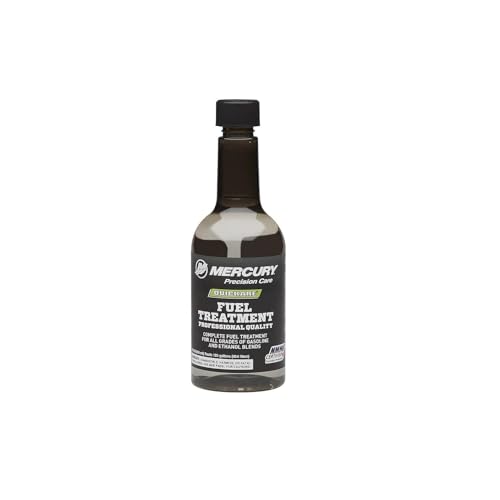
Mercury 8M0047930 Quickare Fuel Treatment, 12 oz
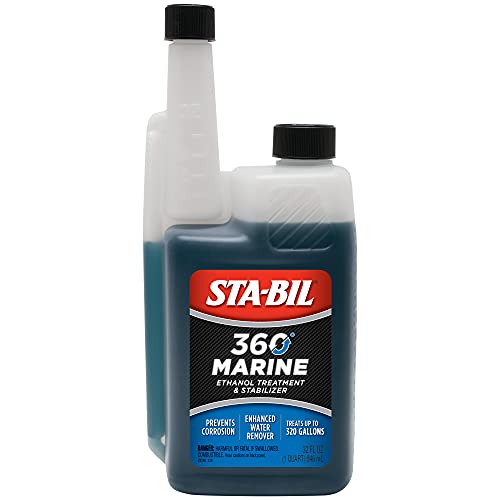
STA-BIL 360 Marine Fuel System Treatment, 32 oz

STAR BRITE Star Tron Enzyme Fuel Treatment, 32 oz

Mechanic in A Bottle Fuel System Cleaner, 24 oz 2-Pack

STA-BIL In-Season Fuel System Treatment, 32 oz

STA-BIL In-Season Fuel System Treatment, 32 oz 6-Pack
The Details Behind The Selections
The original red-bottle STA-BIL Storage has earned its reputation by doing one job reliably. Pour it into a mower tank before the last mow of the season, run the engine briefly to circulate the additive, and walk away. Months later, the fuel still smells like gas rather than varnish.
This 16 oz size treats a generous amount of stored gasoline, making it the practical pick for a single push mower, a trimmer, and a blower in one shed. For anyone who has fought a clogged carburetor on a cold spring morning, the chemistry here earns its place.
The Good Stuff
- Time-tested formula specifically engineered for off-season fuel storage
- Compatible with both two-cycle and four-cycle small engines
- Compact 16 oz bottle stores easily on a garage shelf
- Widely available at hardware stores as a familiar fallback
Things To Consider
- Dosed for storage only, not built to clean an already gummed-up carburetor
- Bottle measurements are in metric ounces, so a small measuring cap helps with precision
Who It Suits Best
Homeowners who park their mower for winter and want a classic, easy-to-find additive that keeps fresh gas fresh.
Where Another Pick Suits Better
Anyone dealing with a tank of fuel that has already gone bad should reach for the STA-BIL 360 Marine Fuel System Treatment instead, since it actually scrubs the system.
Ethanol is the silent killer of small engines, and STA-BIL built the 360 Marine line specifically to fight back. This pack of two 10 oz bottles is rated to treat up to 100 gallons combined, so a tankful of mower gas gets serious antioxidant coverage without breaking the budget.
The chemistry pulls moisture out of the fuel and keeps it from phase separating, which is the failure mode where ethanol binds with water and drops out of solution into a corrosive layer at the bottom of the tank. Boat owners trust it, but the same protection translates directly to mowers sitting in humid sheds.
Reasons It Performs
- Active corrosion inhibitor built for water-exposed environments
- Two bottles give roughly 100 gallons of treated fuel
- Functions as both a stabilizer and a full fuel system cleaner
- Specifically engineered to counter ethanol-related wear
Trade Offs
- Smaller bottles mean measuring more often per gallon
- Marine branding may feel mismatched for strictly lawn equipment
Made For
Anyone who fuels a mower at a station that pumps high-ethanol gasoline, especially in humid coastal or southern climates.
Skip It When
You only own one push mower and prefer a single oversized bottle, in which case the Mechanic in A Bottle two-pack is easier to pour.
Ethanol Shield plays in both the storage and the working-season lanes. The triple antioxidant formula targets the chemistry that breaks gasoline down into gum, and a phase separation inhibitor keeps water bound up so it cannot drop into a corrosive puddle.
A nice bonus for trimmer and chainsaw owners: it helps bond two-cycle oil into the gasoline mix, which matters when premix sits in a jug for weeks. The 24 oz two-pack is generous for a household running a riding mower and a couple of handheld tools through the season.
Where It Excels
- Year-round usability rather than seasonal-only storage focus
- Detergent package designed to keep injectors and carburetors cleaner
- Phase separation inhibitor adds humidity resistance
- Mix ratio of 1 oz per gallon keeps dosing simple
Points To Note
- Less familiar brand than STA-BIL, so finding it locally may take a beat
- Owners commonly report that the label instructions emphasize safety around hot equipment
Key Attributes
Right Fit For
Suburban yards running mixed equipment with both two-cycle and four-cycle engines that get used across spring and summer.
Consider Something Else When
Most of your equipment lives on a boat or jet ski, where the STA-BIL 360 Marine Ethanol Treatment brings a more targeted water-removal package.
Mercury’s Quickare leans on marine engineering heritage but translates cleanly to any gasoline-powered yard tool. The 12 oz bottle is sized for smaller fleets, with a treat ratio of just 1 oz per 10 gallons that fits neatly into routine top-ups.
It is also one of the few stabilizers formulated for use at every fill-up, which suits riders who mow weekly rather than seasonally. The bottle runs through a fuel system actively, helping keep varnish from forming in carburetors and intake valves over a full cutting season.
What Works In Its Favor
- Wide engine compatibility across two-stroke and four-stroke designs
- Substantial 3-month freshness window between fill-ups
- Engineered to clean existing deposits from fuel lines and spark plugs
- Compact 12 oz bottle stores in tight garage cabinets
Small Caveats
- Not a heavy-duty cleaner for severely varnished carburetors
- Marine branding may suggest higher cost than budget stabilizers
Quick Facts
Best Suited To
Homeowners who mow frequently through the season and want a stabilizer they can add every time they refill the gas can.
Look Elsewhere When
You mostly store equipment through long winters and need a dedicated storage-only formula, where the classic STA-BIL Storage Fuel Stabilizer fits the routine more naturally.
The 32 oz bottle of STA-BIL 360 Marine is the deep-clean sibling in the family, formulated with PEA detergent additives (polyether amine, a serious fuel-system scrubber used widely in automotive chemistry) to clean fuel injectors, lines, and pumps. Compared to the storage-only classic, this one earns its place in the garage when you inherit a mower with stale fuel.
For any piece of equipment that has been running rough at the end of last season, running a tank through with this additive often restores idle quality without disassembly. The larger bottle also lasts through several refills for a single homeowner.
Practical Advantages
- PEA-based chemistry actively scrubs varnish and gum deposits
- Anti-corrosion protection for internal fuel-system components
- Generous 32 oz size suits multiple tools across the season
- Doubles as a stabilizer and a cleaner in one bottle
Things To Consider
- Stronger cleaner can be overkill for fresh fuel in newer mowers
- Larger bottle adds weight if you only treat one small tank
Built With In Mind
Anyone reviving yard equipment that sat through a long winter with old fuel, or owners who want a deep-clean reset before storing a mower for the off-season.
Swap It Out When
Your mower runs fine on fresh gas and you only need a light storage top-up, since the classic STA-BIL Storage Fuel Stabilizer is a more targeted fit.
Star Tron earns its reputation through a different mechanism: an enzyme-based formula that breaks down fuel clusters so they burn more completely. The 32 oz bottle is rated to treat up to 512 gallons, which makes it one of the most concentrated stabilizers in this roundup.
For homeowners with acreage, multiple riders, or a small fleet of handheld tools, the dilution math works out favorably over a full year. The chemistry is also friendly to engines that have already sat idle for months, helping wake them up without aggressive solvent action.
Positive Points
- Single 32 oz bottle covers a season of mowing multiple machines
- Enzyme technology works across ethanol and ethanol-free fuels
- Tends to reduce smoke and rough idle in older two-cycle engines
- Low treat ratio means a single bottle lasts through many fill-ups
Honest Caveats
- Enzyme action is gentler than PEA detergents on heavy varnish
- Bottle label can run small for accurate measuring at low doses
Feature Snapshot
Perfect Match For
Property owners running several gas-powered machines across a season, who want one bottle to treat a riding mower, push mower, generator, and trimmer.
Another Choice May Suit
Anyone cleaning up a single neglected mower with thick deposits should consider the STA-BIL 360 Marine Fuel System Treatment instead, since the PEA chemistry is more aggressive on varnish.
Mechanic in A Bottle stretches beyond pure stabilizer work into active deposit removal. The synthetic additive handles varnish, shellac, and carbon while dispersing water, and the formula works in gas, gas-ethanol blends, diesel, and biodiesel.
For a yard that includes a diesel compact tractor alongside gas mowers, that dual-fuel versatility is rare in this category. The 24 oz two-pack is also generous, giving multiple treatments for stubborn equipment over a long weekend of cleanup.
Strong Points
- Effective against carbon and shellac alongside standard varnish
- Dual-fuel compatibility covers diesel and biodiesel equipment
- Antioxidant and anticorrosive package extends storage life
- Two-pack format suits multi-tool households
Points To Keep In Mind
- Not formulated as a routine every-fill-up additive
- Stronger cleaner profile means more attention to dose ratios
Whose Shelf It Belongs On
Owners with mixed gas and diesel equipment who want one product to handle deposits across the whole yard.
Not Your Match When
You run only a single gasoline push mower and just need a routine storage stabilizer, where the Ethanol Shield 24 oz 2-Pack is the easier pick.
The In-Season formula from STA-BIL is built for mowers that run every week rather than sit through winter. It cleans injectors, lines, and pumps while the engine is in active use, which suits homeowners who would rather maintain a system than repair one later.
The 32 oz bottle is well-matched to a riding mower that sees weekly cuts from spring through fall. Rust and corrosion protection runs alongside the cleaning action, so internal metal parts stay coated during humid summer stretches.
A Strong Showing
- Engineered for active weekly mowing rather than long storage
- Industry-leading rust and corrosion coverage on internal parts
- Designed to optimize fuel performance while equipment is in regular use
- Compatible with fuel-system components across small engines
Room For Improvement
- Less useful for equipment that genuinely sits for months at a time
Who Should Grab It
Homeowners mowing weekly through spring and summer who want a tank additive that keeps fuel delivery components clean in real time.
Reach For A Different Pick When
You mainly need to protect a mower through long winter storage, in which case the STA-BIL Storage Fuel Stabilizer is purpose-built for the job.
Same chemistry as the single 32 oz bottle, just multiplied by six for serious small-engine households. The 6-pack suits anyone running a riding mower, a zero-turn, a generator, a pressure washer, and a string trimmer, plus enough bottles left over for next season.
For a landscaping side business or a neighborhood handyman who services multiple machines, this format keeps the shelf stocked without reordering every month. Each bottle still pours cleanly into a gas can without the hassle of decanting from a large drum.
Features That Help
- Six bottles cover multiple machines across multiple seasons
- Per-bottle pricing typically works out lower than single bottles
- Same in-season cleaning and corrosion protection as the single bottle
A Few Limitations
- Bulk format demands storage space in a garage or shed
- Excess supply if you only maintain one or two engines
Feature Card
Who Will Love This
Multi-mower households and small landscaping operations that go through stabilizer fast and want a single bulk purchase.
A Better Fit Elsewhere
You maintain only a single push mower, in which case the classic 16 oz STA-BIL Storage is a more proportionate buy.
What Matters Most Before Choosing Fuel Stabilizers For Lawn Mower
Match The Formula To The Season
Storage stabilizers are designed for engines that sit untouched for weeks or months, while in-season treatments focus on keeping fuel delivery components clean during regular use. A homeowner parking the mower from November through March gets the most value from a storage formula like the STA-BIL Storage classic or Ethanol Shield. A weekly mower benefits more from an in-season additive like the STA-BIL In-Season Fuel System Treatment. Pick the wrong lane and you either overpay for cleaning power you do not need or under-treat a long storage stretch.
Ethanol Protection Is The Real Battle
Most gasoline sold in the United States contains 10 percent ethanol, and that additive pulls moisture from the air, oxidizes faster, and corrodes metals inside carburetors. Look for additives that explicitly mention ethanol defense, phase separation inhibitors, and water removal. Products like the STA-BIL 360 Marine Ethanol Treatment or the Ethanol Shield 24 oz 2-Pack target exactly these failure modes.
Watch The Treat Ratio
Every bottle lists a ratio of ounces per gallon of fuel, and that number drives how fast you go through the bottle. A 1 oz per gallon ratio like Ethanol Shield is friendly for topping off a small push mower. A 1 oz per 10 gallon ratio like Mercury Quickare lasts longer per dose but needs accurate measurement for tiny tanks. Miscalculating the dose wastes product and leaves engines vulnerable.
Pick The Right Bottle Size For Your Fleet
A single push mower might use one bottle across multiple seasons, while a riding mower plus trimmer plus generator runs through additive much faster. Buying the 6-pack of STA-BIL In-Season makes sense for multi-machine households, but a single 16 oz bottle is the more proportionate buy for a basic setup. Match the bottle size to your actual fuel consumption.
Key Considerations Across These Picks
Pitfalls Shoppers Hit
A common slip is grabbing a marine-formulated stabilizer for a basic push mower and paying for water-removal chemistry that the small engine never sees. Another trap is assuming all stabilizers work equally well during long storage, when only storage-focused formulas like the classic STA-BIL Storage are designed to keep fuel fresh across months of inactivity. Misreading treat ratios leads to either under-dosing and risking varnish or overdosing and wasting additive.
What The Higher Tier Buys
Premium stabilizers like the STA-BIL 360 Marine Fuel System Treatment or Mechanic in A Bottle add active detergent chemistry, including PEA additives and synthetic dispersants, that physically clean varnish and gum from fuel-system components. That extra chemistry costs more per ounce, but it pays off when reviving neglected equipment. For everyday fresh-fuel maintenance, a budget stabilizer like the classic STA-BIL Storage delivers protection without the cleaning premium.
Frequently Asked Questions
How long does fuel stabilizer actually keep gas fresh?
Most storage-formulated stabilizers keep gasoline usable for roughly 12 months in a sealed tank, with the exact window depending on the formula, fuel freshness at the time of treatment, and storage temperature.
Can I use marine stabilizer in my lawn mower?
Yes, marine stabilizers like the STA-BIL 360 Marine line are chemically compatible with lawn mower engines, and the extra corrosion and water-removal chemistry is usually beneficial rather than harmful.
How much stabilizer should I add per gallon?
Dose varies by product, with most stabilizers in this roundup calling for 1 oz per gallon, and concentrated formulas like Mercury Quickare using as little as 1 oz per 10 gallons.
Do stabilizers work in two-cycle engines?
Several products in this roundup, including Ethanol Shield and Mercury Quickare, are explicitly rated for two-cycle and four-cycle engines, though two-cycle mix ratios can vary by tool.
Should I run the engine after adding stabilizer?
Yes, running the engine for a few minutes after dosing circulates the additive through the carburetor and fuel lines so the chemistry reaches all internal surfaces before storage.
The Takeaway
Pick the formula that matches how you actually use your mower, dose it accurately, and run the engine briefly to circulate. A small bottle on the garage shelf saves a much larger repair bill later. The honest read is that any of these nine stabilizers will outperform skipped maintenance, so the real decision is matching strength to need.