Wet grass is unforgiving. Blades clog, decks gum up, and motors stall in ways they never do on a dry Tuesday afternoon. Choosing a mower that stays calm and cutting when the lawn is damp is less about raw power and more about deck shape, blade geometry, and airflow management. I built this list for homeowners in humid climates, coastal regions, and anyone whose lawn never seems to fully dry out between mowings.
The Shortlist At A Glance

Greenworks 80V 21in Push Lawn Mower
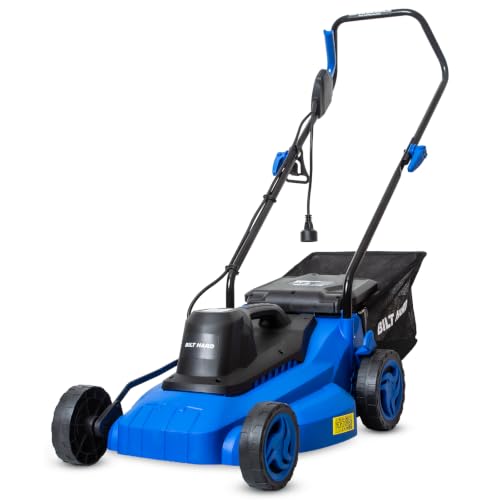
BILT HARD 15″ Corded Electric Lawn Mower

Casince 17 in Cordless Walk Behind Lawn Mower

Honda HRX-BE 21-Inch Walk Behind Battery Lawn Mower (HRX217YXBEXA6)

Honda HRX-BV 21-Inch Walk Behind Battery Lawn Mower (HRX217YXBVKA4)

Litheli 40V 16 Inch Cordless Lawn Mower

Litheli 14 Inch Cordless Brushless Push Mower
What Each Pick Brings To The Table
The 80V platform gives this Greenworks a torque reserve that corded and lower-voltage battery mowers simply cannot match. A brushless motor means less friction and a longer service life, and the steel deck adds the kind of weight that helps the blade push through damp clippings rather than skating over them. For suburban lawns up to about a third of an acre, that combination tends to keep cuts clean even when morning dew still clings to the grass.
A single-lever height adjustment keeps mode-switching quick, and the 4.0Ah battery recharges in around an hour on the rapid charger. Compared to the lighter BILT HARD that follows, this one is built for homeowners who want more headroom for tall, wet growth without leaning into the handle.
Strengths Worth Knowing
- Brushless motor delivers consistent blade speed under load, helping the deck shear rather than tear damp grass.
- Steel deck resists flex and weighs enough to settle into uneven lawns, which improves cut consistency on wet ground.
- Single-lever height adjust saves trips back to the shed when conditions change mid-mow.
- Up to about 60 minutes of runtime per charge gives real coverage for medium yards on a single pack.
- Quieter than gas, with none of the carburetor maintenance that humid climates tend to punish.
Things To Consider
- Runtime drops sharply in thick, wet grass, so overgrown lawns may need a planned recharge.
- Steel deck adds weight, which can tire out users on slopes or steps between mowing sessions.
- Owners commonly report battery capacity fading after several seasons of heavy weekly use.
Key Specs
Right Fit For
Suburban homeowners with medium lawns who mow weekly through humid summers and want gas-like torque without the maintenance.
A Better Fit Elsewhere
Small-yard shoppers who only need a quick weekly tidy should consider the lighter BILT HARD 15″ Corded Electric Lawn Mower instead.
The corded 11A motor on this BILT HARD pushes the blade at 3300 RPM, which is plenty of speed to shear wet grass blades cleanly when the lawn is small. Continuous power means no battery sag partway through a damp lawn, which matters more on cool mornings when runtime is hardest to predict. The 35L grass bag catches clippings before they clump under the deck.
Five height settings from 1 to 3 inches cover most turf types, and the foldable handle drops the footprint down for tight garage storage. For shoppers who already own a quality outdoor extension cord and just need a no-fuss mower for a small yard, this is a practical entry point.
Good Reasons To Consider
- Corded power keeps RPM steady, helping cut quality stay consistent in damp conditions.
- Lightweight build reduces fatigue on small, oddly shaped lawns with lots of turning.
- Foldable handle shrinks storage footprint for apartment sheds and narrow garages.
- No battery to charge or replace, so long-term ownership stays simple.
Minor Gripes
- Cord limits range and forces extra care mowing around trees and beds.
- 15-inch deck means more passes on anything beyond a small yard.
- Plastic deck is more prone to scuffs from curbs or rough terrain over time.
Built With In Mind
First-time homeowners and renters with a small, flat lawn who want a simple, low-fuss mower for weekly maintenance.
Reach For A Different Pick When
Shoppers with a medium suburban lawn will find the Greenworks 80V 21in Push Lawn Mower a more capable cut for damp conditions.
Casince stacks two 20V 4.0Ah batteries in this 17-inch walk-behind, which lands in the middle of the pack on deck size but pushes runtime further than many single-battery rivals. Six height settings between 1 and 3 inches give a finer tuning range than the BILT HARD, and the deck is wide enough to finish a small-to-medium lawn in a reasonable number of passes.
For damp grass, the dual-battery setup matters because wet cutting drains packs faster than dry cutting. With two batteries working in series, owners can usually finish a typical suburban lot without scrambling for the charger mid-mow.
Everyday Perks
- Dual-battery design extends runtime, a real help when wet grass drains packs faster.
- 17-inch deck balances coverage and maneuverability for irregularly shaped lawns.
- Six height settings allow finer tuning for different grass species and damp conditions.
- Cordless design removes the trip hazard and reach limit of corded models.
Honest Caveats
- Lower voltage than the Greenworks or Honda picks, so thick, wet growth may bog the blade.
- Plastic deck can show wear if dragged over rough edges or curbs during regular use.
- Charging both batteries to full takes longer than a single high-voltage pack.
Key Specs
Whose Shelf It Belongs On
Homeowners with a small or mid-sized lawn who prefer cordless freedom but still want extended runtime for damp sessions.
Swap It Out When
Shoppers managing a larger or thicker lawn should look at the Honda HRX-BE 21-Inch Walk Behind Battery Lawn Mower for stronger mulching performance.
Honda builds its HRX line for people who refuse to compromise on cut quality. The HRX217YXBEXA6 carries a brushless Honda motor tuned to hold RPM under load the way the company’s gas GCV engines do. In damp grass, that means the blade keeps its tip speed rather than slowing down and tearing wet blades into brown tips.
The 4-in-1 Versamow system with Clip Director switches between mulching, bagging, discharge, and leaf-shredding without changing attachments. For a homeowner who mows wet clippings one week and mulches leaves the next, that flexibility is the main draw.
What Makes Sense
- Honda’s motor tuning holds blade speed under the extra load of damp, thick grass.
- Versamow system with Clip Director handles mulch, bag, discharge, and shred modes without swapping parts.
- Twin blades improve mulching consistency on wet clippings.
- 21-inch deck covers more ground per pass than the smaller picks on this list.
Worth Bearing In Mind
- Heavier chassis than most battery mowers, so transport and storage take more planning.
- Premium positioning means replacement batteries and parts cost more over time.
- Wet-grass runtime claims vary, so larger yards may need a planned charging break.
Perfect Match For
Homeowners with larger, demanding lawns who want Honda-grade mulching and the option to bag clippings when the grass is wet.
Not Your Match When
Shoppers with a small, flat lawn will get more value from the lighter Litheli 14 Inch Cordless Brushless Push Mower.
The HRX217YXBVKA4 takes the same Honda battery platform as the BE variant and adds a heavier-duty chassis for shoppers who mow more often or push through tougher conditions. The Versamow system with Clip Director carries over, and the twin-blade mulching design handles wet clippings without the clumps that choke single-blade decks.
Compared with the HRX-BE above, this BV model is the right pick for homeowners who want the same Honda cut quality but expect rougher week-to-week use. For damp-grass duty specifically, the heavier deck settles into soft ground and helps the blade shear wet growth cleanly.
Bright Spots
- Heavy-duty chassis handles frequent weekly mowing on damp lawns without flexing.
- 4-in-1 Versamow system with Clip Director lets owners switch modes without tools.
- Honda brushless motor keeps blade speed steady through wet, thick patches.
- 21-inch cutting deck reduces mowing time on larger lots.
Trade-Offs To Consider
- Heavier build can be tiring on sloped or terraced lawns during long sessions.
- Larger footprint makes storage planning more important in tight sheds.
- Battery and replacement components are priced at the premium end of the category.
Who Will Love This
Homeowners who mow weekly through humid or rainy seasons and want a Honda-grade cut with a beefier chassis for the long haul.
Skip It When
Casual shoppers with a small lawn will find the Litheli 40V 16 Inch Cordless Lawn Mower easier to store and lighter to push.
Litheli pairs a 40V brushless motor with two 5.0Ah batteries in this 16-inch mower. The dual-battery system keeps a steady 40V feed to the motor, which is the kind of consistency wet grass really benefits from. A brushless design removes the carbon brushes that wear out first on brushed motors, so this is a low-fuss machine over its service life.
Six cutting heights from 25 to 75 mm give this mower a wider adjustment range than most of the picks on the list. Combined with both mulching and a 50L collection bag, owners can bag damp clippings when conditions demand it or mulch when the lawn finally dries out.
What Earns Its Place
- 40V dual-battery setup maintains consistent power for cutting through damp patches.
- Six height settings span 25 to 75 mm, which covers most cool-season and warm-season grasses.
- Brushless motor runs quieter and tends to last longer than brushed equivalents.
- 50L collection bag catches wet clippings so they don’t smother the lawn below.
- Both batteries and charger ship in the box, so there’s no extra accessory shopping.
Points To Keep In Mind
- 16-inch deck means more passes than 21-inch mowers on bigger lots.
- Dual-battery design adds weight versus a single-pack mower of similar size.
Key Specs
Best Suited To
Homeowners with a small or mid-sized lawn who want mulching or bagging flexibility for changing damp and dry conditions.
Look Elsewhere When
Shoppers needing wider coverage should consider the Honda HRX-BV 21-Inch Walk Behind Battery Lawn Mower for larger properties.
The smallest deck on the list, this 14-inch Litheli is built for tight lawns where a 21-inch mower simply will not fit. A brushless motor with zero required maintenance keeps the ownership experience simple, and the 5.0Ah battery covers up to about 3,000 square feet per charge. For a small city lawn that never fully dries out, that is usually enough.
Five height positions between 1 and 2.5 inches cover most residential turf types, and the quick-fold design drops the mower into a compact footprint for storage in a small shed or apartment balcony closet. Compared to the larger Litheli 40V reviewed above, this one trades coverage for maneuverability.
Where It Excels
- Compact 14-inch deck threads through narrow gates and tight side yards with ease.
- Brushless motor eliminates routine maintenance like brush replacements.
- Up to about 3,000 sq. ft. of coverage per charge suits small urban lots.
- Quick-fold handle shrinks the mower for tight storage in closets or small sheds.
- Lightweight build reduces fatigue for seniors or anyone new to push mowing.
Where It Is Less Suited
- 14-inch deck requires many more passes on lawns larger than a small city lot.
- 1 to 2.5-inch height range is narrower than the larger Litheli or Honda options.
- Wet, thick growth can drain the battery faster than the larger dual-battery picks.
Made For
Urban homeowners, seniors, and renters with small, tight lawns who need a lightweight, storable mower for damp weekly cuts.
Consider Something Else When
Shoppers with a wider lawn or heavier growth should consider the Litheli 40V 16 Inch Cordless Lawn Mower for more coverage and runtime.
What To Weigh When Choosing A Mower For Wet Grass
Mowing wet grass is not just about horsepower. The deck shape, blade design, and airflow path under the deck decide whether clippings exit cleanly or ball up into clumps. A deck with steeper sidewalls and a high rear baffle keeps clippings moving toward the bag or mulch plug rather than falling back into the cut path.
Motor torque matters because wet grass resists the blade more than dry grass does. A motor that holds its RPM under load produces cleaner cuts and avoids tearing the leaf, which leaves a brown tip on the blade. Brushless motors tend to hold RPM better than brushed designs and run quieter as a side benefit.
Deck material is the quiet durability story. Steel decks resist flex and survive rough terrain, but they add weight. Plastic and composite decks are lighter and rustproof, though they can scuff or crack over years of curbside storage. For humid coastal climates, a composite or powder-coated deck often outlasts bare steel.
Battery platform choice comes down to how much lawn you cover. Single 20V packs work for tight city lawns but drain quickly when cutting wet grass. 40V systems with two packs in series deliver steadier voltage, and 80V platforms add the most headroom for thick or overgrown damp growth. Match the platform to yard size rather than chasing the largest pack available.
Corded electric models are worth a second look for small lawns. Continuous power keeps blade speed steady regardless of grass moisture, and there is no battery to charge or replace. The trade-off is reach, so a quality outdoor extension cord and a careful routing plan matter for anything beyond a tiny yard.
Key Considerations Across These Picks
Where Shoppers Go Wrong
A common mistake is buying a mower with a wide deck and assuming wider always means faster. On wet lawns, a too-wide deck can overload the motor and leave clumps behind, especially on turns where the blade slows. Match deck width to lawn size and to the motor’s torque, not to the largest number on the box.
Another pitfall is underestimating battery drain. Wet grass loads the motor harder, so a pack that covers the whole lawn in dry conditions may run short on damp mornings. Plan for a longer charge cycle or a backup battery before the season turns humid.
Where The Extra Money Goes
Premium models in this category typically upgrade three things. The motor is more efficient and holds RPM under load, which matters most when grass is wet. The deck is stiffer and tuned for airflow, which keeps clippings moving. And the battery platform is higher voltage, which translates into more usable torque without the weight penalty of a larger single pack. For homeowners who mow every week through humid summers, those upgrades pay off in cut quality and fewer bog-downs.
Frequently Asked Questions
Is it bad to mow damp grass?
Mowing wet grass stresses both the mower and the lawn. Wet clippings clump under the deck, and torn leaf tips can brown after the cut. A mower with strong airflow and a motor that holds RPM makes the job safer for the turf and easier on the equipment.
What deck material works best in humid climates?
Powder-coated steel and composite decks both resist rust and corrosion. Bare steel can hold up with care, but in coastal or high-humidity regions, a coated or composite deck typically lasts longer with less maintenance.
Are brushless motors really better for wet grass?
A brushless motor maintains blade speed under load more consistently than a brushed motor, which translates into cleaner cuts when grass resists the blade. That advantage shows up most clearly when the lawn is damp and overgrown.
How much runtime do I actually need?
A typical small suburban lawn of about a quarter acre takes 30 to 45 minutes to mow in dry conditions. Wet grass usually adds time and battery load, so shoppers in humid regions often benefit from a platform that delivers 45 minutes or more per charge.
Can a corded mower really handle damp grass?
A corded mower delivers continuous power, so blade speed does not sag as the motor strains. For small, flat lawns, that steady torque can outperform a smaller battery platform on wet grass, provided the cord is managed safely.
Bottom Line
Damp grass rewards mowers with strong airflow, motors that hold RPM, and decks tuned to move wet clippings rather than trap them. Match the deck width and battery platform to the size of your lawn, and lean toward brushless power if your region mows through humid summers. The right pick on this list comes down to your lot size, your storage space, and how often rain shows up between cuttings.