A dead riding mower battery always shows up at the worst time, usually right when the grass has hit that sweet spot between “a little long” and “needs a bush hog.” I put together this shortlist of eight Group U1 batteries covering both AGM lead-acid and lithium LiFePO4 chemistries, because the right replacement depends on your tractor, your climate, and how often you actually mow. Every pick here drops into the standard U1 footprint used by John Deere, Cub Cadet, Craftsman, Toro, and Husqvarna garden tractors, so fit is rarely the headache, cold-cranking performance is.
A Side-By-Side Look

WEIZE Lawn Garden AGM Battery 12V 300CCA BCI Group U1

WEIZE Lawn Garden AGM Battery 12V 200CCA BCI Group U1

MARXON U1 Riding Lawn Mower Battery 12V 330CCA
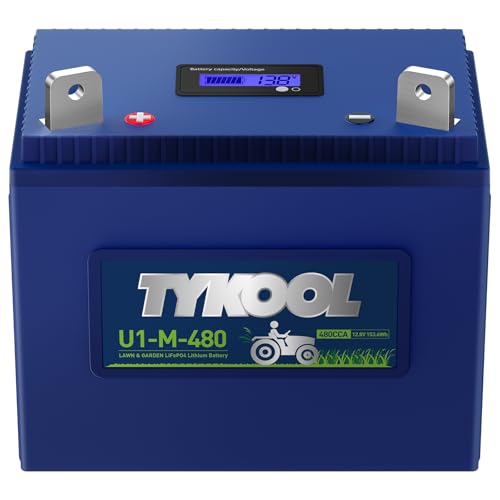
TYKOOL 480CCA Group U1 Lithium LiFePO4 Lawn Mower Battery

Forgetyo U1 Riding Lawn Mower Battery 12V 16Ah 720CCA Lithium

WEIZE Lawn Garden AGM Battery 12V 350CCA BCI Group U1

UPLUS U1 Riding Lawn Mower Battery 12V 330CCA Maintenance Free AGM

SDULIBITIY YTX30L-BS Lithium Motorcycle and Riding Mower Battery
The Picks, Examined More Closely
The WEIZE 300CCA AGM sits in a comfortable middle ground that suits most residential riders. It drops into the same U1 footprint used by the 200CCA WEIZE later on, so swapping between the two is a bolt-and-cable job rather than a bracket hunt.
For homeowners firing up a single-cylinder or small V-twin in mild spring weather, 300 cold cranking amps is a sensible buffer above the minimum. I like that it’s a sealed AGM, so there’s no acid top-up or vent hose drama during off-season storage.
Notable Upsides
- 300CCA handles typical riding tractor starters without strain
- Sealed AGM means no electrolyte checks, fewer corrosion worries at the terminals
- Standard U1 case fits John Deere, Cub Cadet, Craftsman, and Toro trays
- Around 18.7 lbs, light enough to install without wrestling the tray
Things To Consider
- Returns may be restricted on this sealed lead-acid chemistry, so double-check terminal orientation before ordering
- Less reserve capacity than higher-CCA siblings if you run accessories like LED lights or a sprayer pump
Key Specs
Who It Suits Best
Homeowners with a single riding mower who want a no-fuss AGM replacement at a sensible price.
Where Another Pick Suits Better
Shoppers running bigger V-twin engines in colder climates get more confident cold starts from the WEIZE 350CCA covered later.
Stepping down to the WEIZE 200CCA, the trade is straightforward: less cranking muscle for less money. For a small single-cylinder mower in a temperate climate, that equation usually works.
Compared with the 300CCA WEIZE above, the 200CCA version uses the same case dimensions and terminal layout, so installation feels identical. The honest read is that it’s a sensible value pick for light-duty mowing, not a powerhouse for sub-zero starts or accessories.
Everyday Perks
- Standard U1 footprint keeps the swap simple
- Sealed AGM chemistry means no acid spills on the garage floor
- Square-hole nut and bolt terminals accept common mower cables
Points To Keep In Mind
- 200CCA is the minimum end of the spectrum, so heavy V-twins may crank slowly in cold weather
- At roughly 21.5 lbs, it’s heavier than the 300CCA sibling despite the lower rating, something to note when lifting
Right Fit For
Suburban homeowners with a small engine rider used on a flat half-acre lot in moderate weather.
Skip It When
Riders in northern climates or anyone running a larger V-twin should jump to the WEIZE 350CCA later in this list.
The MARXON 330CCA leans hard into compatibility. The brand lists an unusually long roster of supported tractors, from AGCO and Bob-Cat through Gravely and Husqvarna, which is a quiet flex for owners of mixed-brand equipment.
It ships with the mounting screws included, a small but appreciated touch when an old bolt has gone missing mid-project. Owners of commercial-grade walk-behinds and zero-turns in the same shed as a residential rider may appreciate having one battery spec to remember.
Well-Handled Touches
- 330CCA sits comfortably between the WEIZE 300 and 350 options
- Sealed lead-acid AGM construction with positive-left, negative-right polarity matching common U1 layouts
- Broad compatibility list covers both homeowner and prosumer brands
- Includes mounting hardware, saving a trip to the hardware store
Trade Offs
- Slightly narrower width than some U1 batteries, so tray shims may be needed on certain tractor models
- Heavier than lithium alternatives reviewed later, which matters for top-load battery compartments
Feature Snapshot
Best Suited To
Owners of multiple tractors across different brands who want one battery SKU to remember.
Look Elsewhere When
Anyone chasing a major weight reduction for an older top-loader should consider the Forgetyo 720CCA lithium unit instead.
The TYKOOL 480CCA is where the chemistry changes. Lithium iron phosphate (LiFePO4) is a different beast from the AGM units above: lighter, with stronger cranking surges and a much longer cycle life, but at a higher upfront cost.
For someone tired of replacing a lead-acid battery every few seasons, the 480CCA rating paired with a 12Ah capacity gives enough starting headroom for mid-sized tractors. The trade-off shows up in the price tag, not the performance.
Positive Points
- 480 cold cranking amps for confident cold-morning starts
- LiFePO4 chemistry rated for thousands of cycles versus typical AGM lifespan
- Noticeably lighter than the lead-acid WEIZE and MARXON options earlier
- Built-in management circuitry protects against overcharge and deep discharge
Honest Caveats
- Costs more than most AGM alternatives in this shortlist
- Some older tractors with unregulated charging systems may need a voltage check before swapping in lithium
Made For
Owners who mow year-round and want to stop replacing batteries every few seasons.
Swap It Out When
Tight-budget shoppers on a once-a-season mowing routine get more value from the WEIZE 200CCA covered earlier.
The Forgetyo steps up the lithium story with a 720CCA peak rating and a 16Ah capacity, a step above the TYKOOL 480CCA just reviewed. The combination suits larger V-twin garden tractors that draw more current at first crank.
Weight is the headline number: at roughly 5 pounds, it sits at about a third of the typical AGM unit. For tractors with top-loader battery compartments that strain hinges, that drop is more meaningful than it sounds.
Features That Help
- 720CCA peak cranking handles larger V-twin starters confidently
- 16Ah capacity supports light accessory loads like sprayer pumps
- About 5 lbs total, a major reduction from lead-acid alternatives
- Standard U1 dimensions keep it compatible with the usual tractor trays
Where It May Fall Short
- Premium pricing reflects the lithium chemistry and high CCA rating
- BMS protection can trip on very old tractors with weak voltage regulators, so a quick charging-system check is wise before installing
Quick Facts
Perfect Match For
Riders with larger V-twin engines, commercial-grade mowing schedules, or weak top-loader hinges that benefit from a lighter battery.
Another Choice May Suit
Shoppers who only need a budget-friendly replacement for a small engine rider should consider the WEIZE 200CCA reviewed earlier.
At 350CCA, the higher-output WEIZE tops the AGM side of this roundup. The CCA bump over its 300CCA sibling matters most when the temperature drops or the engine has been sitting through a long winter.
For someone running a Briggs or Kawasaki V-twin in a region with real winters, the extra cranking power is genuine insurance. Compared to the lithium options further down, you trade weight savings for lower upfront cost and broader compatibility with older charging systems.
Key Advantages
- 350CCA handles larger V-twin engines and colder starts with margin to spare
- Sealed AGM means no acid maintenance or vent hose routing
- Familiar U1 dimensions and positive-left polarity for drop-in installation
Less-Strong Areas
- At 21.45 lbs, it’s the heaviest battery in this shortlist, worth noting for top-loader compartments
- Lead-acid chemistry means more frequent replacements than lithium over the long haul
Who Should Grab It
Owners in northern climates with larger V-twin tractors who want AGM simplicity without going lithium.
Reach For A Different Pick When
Anyone chasing major weight savings or longer cycle life should look at the Forgetyo 720CCA lithium covered earlier.
The UPLUS takes the “install it and forget it” approach to AGM batteries. The branding calls out maintenance-free operation, no water to check, no spills to chase, which is exactly what seasonal riders want.
Where the WEIZE 350CCA offers higher cranking amps, the UPLUS counters with a higher 25Ah capacity rating, which means more reserve for accessories and slow cranking. In the right tractor, that reserve can be the difference between a spring start and a frustrating trickle-down.
Points In Its Favor
- 330CCA paired with 25Ah capacity supports both starting and accessory loads
- Sealed AGM means no electrolyte top-ups, no vent hose to plumb
- Brand lists use of high-purity primary lead, a long-standing quality marker in the category
- Compatible with the major residential rider brands plus Husqvarna and Ariens
Room For Improvement
- Reserve capacity adds weight compared with lower-CCA siblings
- Heavier than lithium alternatives covered elsewhere in this roundup
Built With In Mind
Set-and-forget homeowners who mow on a seasonal schedule and want a battery that just works at the first turn of the key.
Not Your Match When
Shoppers focused on shedding every pound from a top-loader compartment get more benefit from the Forgetyo 720CCA lithium reviewed earlier.
The SDULIBITIY closes the list with a powersports-flavored lithium option. The YTX30L-BS form factor is familiar to anyone who has shopped for a motorcycle, ATV, or jet ski battery, and it explicitly lists riding mowers among supported uses.
The real appeal is shared battery inventory. Owners with a garage full of toys can stock one lithium SKU and rotate it through machines. The 850CCA peak rating is the highest number on this list, though it’s worth checking the actual U1 tray dimensions before assuming fit.
The Helpful Details
- 850CCA peak rating, the highest figure among picks in this roundup
- LiFePO4 chemistry with a built-in battery management system for overcharge and short-circuit protection
- About 5.3 lbs, similar to the Forgetyo and a fraction of any AGM option
- Works across motorcycles, ATVs, jet skis, scooters, and riding mowers
Things To Weigh
- Form factor follows the YTX30L-BS powersports standard, so a quick tray measurement is essential before buying
- Higher price reflects the multi-use design and lithium chemistry
Whose Shelf It Belongs On
Multi-vehicle households that want one lithium battery to service a garage of powersports and mower equipment.
A Better Fit Elsewhere
Single-purpose mower owners get a more straightforward install from the UPLUS 330CCA AGM reviewed earlier.
What Matters When Shopping For A Riding Lawn Mower Battery
Cold Cranking Amps And Engine Size
Cold cranking amps (CCA) measure how much current a battery can deliver at zero degrees Fahrenheit for 30 seconds while maintaining voltage. Single-cylinder riders often start fine at 200CCA, while V-twin engines and colder climates want 300CCA or more for a confident first crank.
AGM Versus Lithium LiFePO4
AGM (absorbed glass mat) batteries are sealed lead-acid units that resist spills and need no maintenance. Lithium iron phosphate batteries are lighter, last more cycles, and hold voltage better in storage, but cost more upfront and sometimes need a quick check of the tractor’s charging system.
Physical Fit And Terminal Polarity
Every battery in this roundup uses the BCI Group U1 case size, but small differences in height, width, and positive-terminal side can matter. Measure the existing battery and confirm the cable reaches before pressing the order button.
Capacity And Reserve For Accessories
Capacity, expressed in amp-hours (Ah), governs how long the battery can run accessories like lights, sprayer pumps, or electric blades. Riders using these features benefit from higher Ah ratings, such as the 25Ah on the UPLUS, rather than the bare minimum needed for starting.
Key Considerations Across These Picks
Mistakes Worth Dodging
Choosing purely on price often leads to a 200CCA unit that struggles on the first cold morning, especially with a V-twin. Always cross-check the engine’s required CCA in the tractor’s manual and match or exceed it. A second common slip is ignoring terminal orientation; U1 batteries typically place positive on the left, but verifying this against the existing photo saves a return trip.
When Paying More Pays Off
The jump from a basic AGM to a lithium LiFePO4 unit buys real weight savings, longer cycle life, and steadier voltage during long storage. For frequent riders, multi-vehicle households, or anyone tired of replacing batteries every few seasons, that premium pays back over time. Seasonal users on a tight budget still get solid service from the AGM options earlier in this list.
Frequently Asked Questions
How long does a riding lawn mower battery typically last?
AGM batteries in residential riders usually last three to five years with basic off-season care, while lithium LiFePO4 units often push past seven years thanks to higher cycle counts. Climate, storage, and accessory load all shift those numbers in either direction.
Can I use a lithium battery in any riding mower?
Most modern riders handle lithium swaps without issues, but tractors with older unregulated charging systems should have the charging voltage checked first. The built-in battery management system in lithium units can shut down if the regulator runs too hot, leaving you stranded.
What does CCA mean for a riding mower battery?
Cold cranking amps measure how much current a 12V battery can deliver at zero degrees Fahrenheit for 30 seconds while staying above a minimum voltage. Higher CCA means stronger cranking in cold weather, which matters more for V-twin engines and northern climates.
Do I need to maintain a sealed AGM battery?
Sealed AGM batteries don’t need water top-ups or electrolyte checks, but the terminals still benefit from occasional cleaning and a light dielectric grease coating. A winter storage tender helps extend life in regions with long off-seasons.
How do I confirm battery fit before buying?
Measure the existing battery’s length, width, and total height including terminals, then check the positive-terminal side against the product listing. Most Group U1 replacements share a similar footprint, but a half-inch difference in height can prevent the hold-down from seating properly.
Wrap Up
Any battery in this shortlist will get a residential rider turning over again, so the real choice comes down to climate, engine size, and how much weight you’re willing to lift. Pick the chemistry and CCA that match your mowing reality, and the rest of the swap is a straightforward Saturday-morning project.