A tidy lawn shouldn’t mean wrestling with a bulky machine or hunting for an outlet mid-mow. For homeowners with modest square footage, a self-propelled mower that fits through a garden gate and parks neatly in a shed makes the whole chore less of a workout. I narrowed down five current options that hit the sweet spot between maneuverability, cutting quality, and storage-friendly footprints.
The Main Contenders

Casince 17 in Cordless Walk Behind Lawn Mower

EGO POWER+ 21″ Self-Propelled Electric Lawn Mower (LM2135SP)
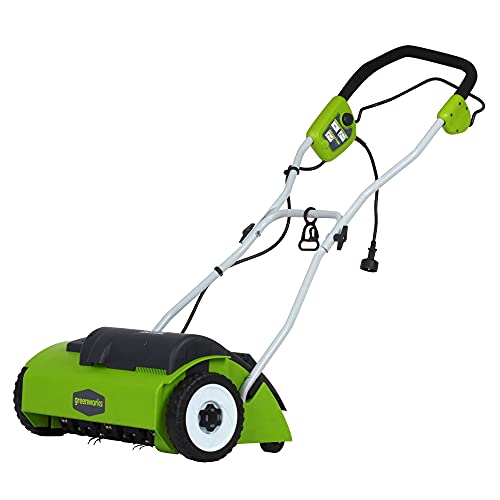
Greenworks 10 Amp 14″ Corded Electric Dethatcher

Litheli 40V 16″ Cordless Brushless Lawn Mower

Litheli 14″ Cordless Brushless Push Lawn Mower
Taking A Closer Look At The Options
For someone juggling a small suburban patch under 5,000 square feet, this cordless walk-behind model covers the basics without overcomplicating storage. The 17-inch cutting deck is wide enough to make quick passes yet narrow enough to thread between raised beds, and the six height settings let you ease off the cut during hot summer weeks.
Two 20V batteries (each 4.0Ah, meaning 4 amp-hours of capacity) come included, and owners commonly report getting through most modest yards on a single charge. Compared to the larger EGO covered later, this is a quieter, lighter option that still delivers an even finish for everyday mowing.
Where It Helps
- Six height positions (roughly 1 to 3 inches) cover everything from cool-season touch-ups to taller summer growth.
- Dual-battery setup means swapping packs without stopping mid-lawn, which is useful for yards near the upper end of the small-lawn range.
- 17-inch deck walks the line between speed and precision, fitting through standard garden gates.
- Cordless design eliminates the extension-cord dance that corded models require.
Things To Consider
- Runtime varies with grass thickness and terrain, so thicker spring growth may need a slower pace.
- Battery longevity depends on storage temperature, and batteries left in freezing sheds tend to hold less charge.
Key Specs
Who It Suits Best
Homeowners with flat, rectangular lawns under roughly a quarter acre who want cordless convenience without a premium price tag.
Consider Something Else When
The Litheli 16-inch brushless model suits shoppers who mow weekly and want a longer-lasting brushless motor instead.
The EGO LM2135SP steps into self-propelled territory, meaning the rear wheels drive themselves so you walk behind rather than push. That’s a meaningful upgrade on sloped lawns where lighter cordless mowers tend to skid or stall. The 21-inch deck is the widest in this roundup, which speeds up the cut but requires a slightly more open storage spot.
For shoppers considering the Casince model above, the trade-off is straightforward: you give up some deck size for genuine muscle and a multi-blade cutting system that handles thick, damp grass with less bog-down. The bundled 7.5Ah battery and rapid charger mean downtime between sessions stays short.
Everyday Wins
- Self-propelled drive reduces arm fatigue, which matters on anything beyond a flat patch.
- Multi-blade cutting system (a deck design with interchangeable lower blades for mulching, bagging, or extended runtime) gives flexibility without buying accessories separately.
- 56V battery platform delivers gas-comparable torque for dense grass.
- 21-inch deck covers more ground per pass than any other model here.
Trade Offs
- Heavier than push-only models, and storage in a tight shed corner takes planning.
- Higher upfront cost than smaller cordless options.
- Battery and charger ecosystem is brand-specific, so expansion costs add up.
Right Fit For
Homeowners with sloped or uneven terrain who want cordless convenience without sacrificing cut quality or coverage speed.
Look Elsewhere When
Shoppers with tiny, flat lawns and limited storage should look at the Litheli 14-inch model, which folds down small enough to live in a closet.
This pick breaks the pattern on purpose. A dethatcher is not a mower, but for a small yard that looks tired, compacted, or thick with thatch (a layer of dead grass and roots that builds up between soil and blades), pairing a self-propelled mower with a dedicated dethatcher twice a year can transform results. The Greenworks 14-inch dethatcher uses stainless steel tines to lift thatch so water and nutrients reach the soil.
Compared to the mowing options above, this machine is one-directional: corded, single-purpose, and best used in early spring or early fall. It complements rather than replaces your mower, and for shoppers who want their small lawn to actually look healthy, the timing of dethatching matters more than the brand.
Points In Its Favor
- Stainless steel tines resist rust, which matters when the tool sits in a damp shed between uses.
- Corded power means consistent output without runtime anxiety.
- 14-inch path is well-matched to small-yard layouts and standard gate widths.
Honest Caveats
- Corded design limits reach to wherever your outdoor outlet and extension cord can stretch.
- Not a mowing tool, so it pairs with one of the mowers above rather than replacing it.
- Works best on established lawns, not freshly seeded areas.
Best Suited To
Homeowners reviving a tired lawn in spring or fall who already have a mower and want to address thatch buildup.
Reach For A Different Pick When
Shoppers who only need one tool should start with the Casince 17-inch mower instead, which handles weekly cuts without extra accessories.
The Litheli 40V lands in a useful middle spot: smaller deck than the EGO, but a brushless motor (a design with no carbon brushes to wear down, giving longer motor life and quieter operation) and dual 5.0Ah batteries that keep the mower running longer between charges. For shoppers who mow weekly and value low maintenance, the brushless design skips the brush replacements that brushed motors eventually need.
Six height positions match the Casince above, and the 50L collection bag (a rear bag that catches clippings, roughly 50 liters of capacity) plus mulching mode gives flexibility for whether you bag clippings or chop them back into the lawn. Owners commonly report that the dual-battery requirement takes getting used to, since both packs must be inserted for the 40V output to work.
Advantages To Know
- Brushless motor extends service life and reduces routine maintenance.
- Dual 5.0Ah batteries provide extended runtime for yards on the larger end of “small.”
- Mulching plus bagging in one deck lets you switch modes seasonally.
- Six height positions cover most grass types and seasonal needs.
A Few Limitations
- Both batteries must be installed to operate, so swapping to a single lighter pack isn’t an option.
- 16-inch deck requires more passes than the wider EGO covered earlier.
Feature Snapshot
Made For
Homeowners who mow weekly and want a maintenance-light brushless motor paired with a generous collection bag.
Swap It Out When
The EGO LM2135SP suits shoppers with sloped lawns who need self-propelled drive to manage the incline.
The smallest mower in this roundup, the Litheli 14-inch trades deck size for genuine storage convenience. The fold-down handle shrinks the footprint enough to fit in an apartment closet, a narrow side-yard shed, or behind a trash bin. For older adults or anyone who values a light carry weight, this is the easiest option here to lift and maneuver.
Compared to the Casince and Litheli 16-inch above, runtime is shorter (rated up to 3,000 sq. ft. per charge) and the deck covers less per pass. But for a postage-stamp lawn or a tight courtyard where the mower lives indoors, that trade-off is reasonable. The brushless motor still keeps long-term maintenance low.
The Good Stuff
- Lightweight frame makes it manageable for users with limited strength or storage space.
- Foldable handle reduces footprint for apartment and closet storage.
- Brushless motor runs quieter than brushed designs, which neighbors tend to appreciate.
- Five height settings cover basic seasonal adjustments.
Practical Considerations
- 14-inch deck requires more passes for yards approaching the upper end of small-lawn size.
- Runtime tops out around 3,000 sq. ft., so larger small yards may need a mid-session charge.
Who Will Love This
Apartment dwellers, seniors, and anyone with a courtyard-sized lawn who values storage and weight savings over cutting speed.
A Better Fit Elsewhere
The Casince 17-inch cordless mower suits homeowners with a slightly larger small yard who can spare a few extra inches of shed space.
What Matters Most Before Choosing a Self-Propelled Lawn Mower For a Small Yard
Deck Size and Gate Clearance
The cutting deck dictates how fast you finish and whether the mower actually fits where you live. Measure the narrowest path between fence panels, shed doors, or side-yard gates before settling on a width. A 14-inch deck clears almost any residential passage, while a 21-inch deck rewards you with faster passes but requires a clear route to storage.
Battery Capacity and Runtime
Look at amp-hour (Ah) ratings rather than just voltage. A 5.0Ah battery stores more energy than a 2.5Ah pack and will run longer between charges, which matters when your lawn sits at the upper end of small-yard size. Cold temperatures reduce available capacity, so storing batteries indoors during winter preserves runtime.
Drive Type and Terrain
Self-propelled mowers use a transmission to drive the wheels, reducing the effort you put into pushing. For flat lawns, a push model costs less and weighs less. For slopes, soft soil, or thicker grass, self-propelled drive is the difference between an easy Saturday and a frustrating workout.
Weight, Storage, and Long-Term Care
Lighter mowers fold smaller but tend to skip features. Heavier mowers offer more power but demand more storage space. Brushless motors outlast brushed ones, and stainless steel components resist corrosion in damp sheds. Match the tool to the space you actually have, not the one you wish you had.
Smart Shopping Notes Across This List
Common Shopping Slip Ups
The most frequent mistake I see is buying a mower that barely fits through the garden gate. Measure first, then pick the deck width. Another pitfall is underestimating battery needs: a 2.5Ah pack sounds fine on paper, but thicker grass and hilly terrain drain it faster than the rated numbers suggest.
Where The Extra Money Goes
Premium mowers invest in brushless motors, larger batteries, and self-propelled transmissions. The upgrade pays off for shoppers with slopes, weekly mowing routines, or plans to keep the tool for many seasons. For occasional use on a tiny patch, the savings on a simpler model usually make more sense than paying for capability that sits unused.
Frequently Asked Questions
What size lawn qualifies as small for a self-propelled mower?
Most self-propelled cordless models handle lawns up to about a quarter acre comfortably, with runtime being the limiting factor rather than cutting power.
Are self-propelled mowers harder to store than push models?
They’re typically heavier and bulkier, but several options fold down for shed-friendly storage. Measure your available space before choosing a wider deck.
How long do lithium mower batteries actually last?
With reasonable storage conditions and partial-state charging habits, most lithium packs last several years before noticeable capacity loss. Cold sheds and full discharges shorten that window.
Can I mow wet grass with a cordless mower?
Light dew is workable, but heavy wet grass strains the motor and leaves uneven clumps. Waiting for the lawn to dry yields a cleaner cut and protects the battery.
Is a dethatcher worth adding to a small-yard routine?
For lawns with visible thatch buildup or compacted soil, a seasonal dethatch significantly improves water and nutrient absorption. It’s optional for healthy lawns that recover on their own.
Closing Remarks
The right self-propelled lawn mower for a small yard comes down to matching the tool to the space, the slope, and how often you actually mow. A wide deck speeds up cutting but needs room to live, and a smaller deck trades speed for storage ease. Pick the trade-off that matches your weekends, and the rest of the season gets simpler.