Replacing a worn rear tire on a riding mower can feel like guessing at numbers on a sidewall, especially when listings mix tire-only and tire-and-wheel assemblies. I pulled together seven options in the 20 x 8 x 8 footprint that cover different needs, from turf-friendly tread patterns for home lawns to lug-style tires for steeper terrain. Most homeowners mowing an acre or two will find the sweet spot right here, no guesswork required.
The Shortlist At A Glance
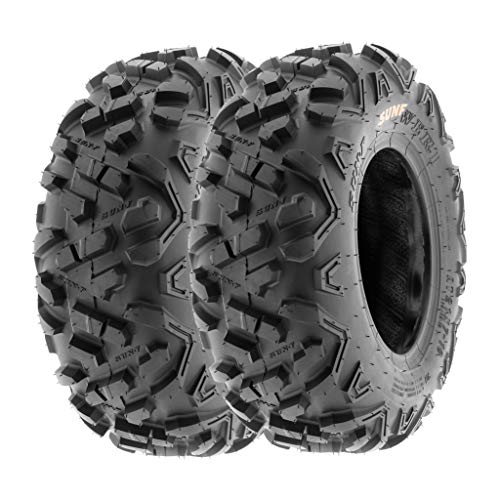
SunF 16×8-7 ATV UTV All Terrain Tires 6 PR A051 (Pair)

GICOOL 20×8.00-8 Lawnmower Tire 4 Ply Turf V (2 Pack)
GICOOL 20×8.00-8 Lawn Mower Tire and Wheel Assembly

SunF 20×7-8 ATV UTV Hardpack Race Sport A021 (Pair)

SunF Power.II 21×7-10 All-Terrain ATV UTV Tires (Pair)

GICOOL 20×8.00-8 Tire and Wheel 4 Ply (2 Pack)
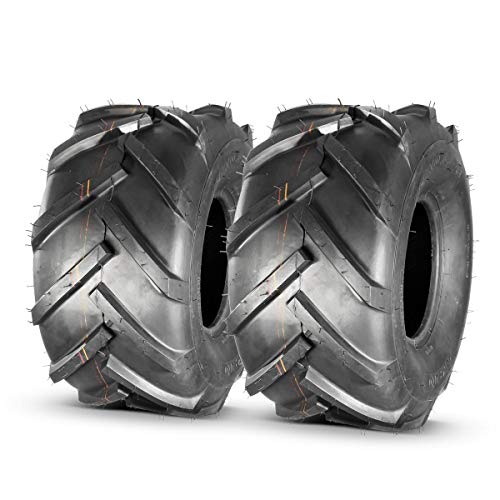
MaxAuto 20×10-8 Ag Lug Riding Mower Tires (Set of 2)
The Picks, Examined More Closely
Starting with a smaller-format pick, the SunF A051 in the 16×8-7 size lands on a 7-inch rim and uses a non-directional tread pattern (a tread design that performs the same whether the tire rolls forward or backward). I like that it ships as a pair, so you can swap both fronts on a smaller UTV or a yard quad without buying singles twice. The tread grips well on dirt and gravel paths, which matters when mowing transitions from lawn to back-forty access roads.
For most folks running compact utility vehicles rather than full-size riding mowers, this tire fills a niche the lawn-specific options below don’t quite touch.
Useful Touches
- Aggressive lug tread grips loose soil and gravel paths
- Six-ply carcass (a tire’s layered internal structure) resists punctures from brush and rocks
- Non-directional pattern keeps installation simple, no left/right orientation to fuss over
- Pair packaging saves a second order for dual-axle setups
Trade Offs
- The 7-inch rim is smaller than typical riding mower rear wheels, so this won’t fit 20 x 8 x 8 spec decks
- Knobby tread can feel rougher on paved driveways than turf-style options
Feature Snapshot
Built With In Mind
Owners of small UTVs and yard quads who tackle uneven ground beyond a manicured lawn.
Swap It Out When
The GICOOL 20×8.00-8 Lawnmower Tire is a better fit for anyone working on a standard riding mower rear axle.
This is the textbook 20 x 8 x 8 turf tire for residential riding mowers. The tread is a V-pattern, which means angled ribs that bite forward and shed grass clippings backward, and it’s tubeless, so there’s no inner tube to patch after a thorn puncture. It comes as a two-pack, which I appreciate because rear tires usually wear in pairs and replacing both keeps the deck level.
Compared to the SunF A051 above, this tire trades knobby aggression for lawn gentleness. You’ll feel less traction in mud but a lot less torn-up turf on turns.
Where It Excels
- Turf V-pattern grips without gouging soft grass on tight turns
- Four-ply construction holds up to a typical riding mower’s weight
- Tubeless design simplifies repairs and reduces flat headaches
- Pair format matches the rear axle, no leftover single tire in the garage
Points To Note
- Tire only, no wheel included, so you’ll need to mount onto your existing rim
- 905-lb load rating suits residential mowers but is lower than heavier-duty options
Whose Shelf It Belongs On
Homeowners with a flat, well-kept lawn and a riding mower that needs both rear tires replaced.
A Better Fit Elsewhere
For steeper terrain where lug bite matters more, the MaxAuto 20×10-8 Ag Lug delivers deeper traction.
When the rim itself is rusted or bent, swapping just the tire turns into more work than it’s worth. This GICOOL option solves that by shipping a pre-mounted tire and wheel: a 3.5-inch offset hub (the lip that sits between the rim and axle), a 3/4-inch bore (the center hole that slides onto the axle), and a 3/16-inch keyway (a small slot that locks the wheel to the shaft so it can’t spin freely). It’s a true bolt-on replacement rather than a tire swap.
The dynamic load rating climbs to 1,190 lbs per wheel, noticeably higher than the previous GICOOL option. For most riding mower decks in the 20 x 8 x 8 spec, that’s the right bracket of headroom.
Real-World Strengths
- Pre-assembled tire and wheel removes the trip to a tire shop
- Higher load capacity handles heavier garden tractors confidently
- Standard 3/4-inch bore fits most residential riding mower axles
- Turf V-tread balances grip and lawn protection
Minor Gripes
- Single wheel per purchase, so replacing both rear wheels requires ordering two
- Steel rim adds weight, which can matter when lifting for storage
Right Fit For
Anyone whose existing rims are corroded, bent, or just tired enough that a tire-only swap feels like a half-fix.
Consider Something Else When
Budget shoppers happy to mount their own tires should look at the GICOOL 20×8.00-8 tire-only two-pack above.
SunF’s A021 shifts the focus from loose dirt to hard-packed surfaces. The directional tread pattern (grooves angled one specific way to channel debris and grip during forward motion) resembles a street tire, so it rolls smoothly on gravel drives and compacted trails without the constant chatter of knobby blocks. It’s also a 20-inch tire on an 8-inch rim, putting it in the same general size family as the lawn-specific picks above.
Where it differs from the GICOOL turf tires is the riding feel: firmer, quieter, and less lawn-friendly if you wander off the path.
Strong Points
- Six-ply carcass handles rough utility work without flex fatigue
- Directional pattern self-cleans on hardpack and gravel
- Pair packaging suits dual-axle replacements on smaller utility quads
Honest Caveats
- Street-style tread can skid on wet grass compared to V-pattern turf tires
- Width is 7 inches rather than 8, so it’s not a direct swap for 20 x 8 x 8 mower rears
Feature Snapshot
Who Will Love This
ATV and small UTV owners splitting time between gravel roads and back-lot mowing rather than dedicated lawn care.
Look Elsewhere When
The GICOOL 20×8.00-8 Turf V is the more lawn-conscious choice for everyday residential mowing.
The Power.II steps the SunF A051 footprint up to a 21-inch tire on a 10-inch rim. That size puts it in larger side-by-side territory, well beyond a riding mower but very much at home on a utility ATV pulling a trailer or pushing through brush. The same aggressive non-directional tread carries over from the smaller A051, so it grips in either rotation.
I see this as the option for someone who already owns a side-by-side and wants a spare set or an upgrade from factory rubber.
A Few Strong Suits
- Six-ply rating handles heavier UTV payloads with confidence
- Larger 21-inch diameter rolls over ruts and roots smoothly
- Aggressive tread maintains traction in mud and loose fill
Where It Is Less Suited
- Too large for any standard riding mower rear in this footprint
- Aggressive lugs wear faster on paved surfaces than hybrid tread designs
Best Suited To
UTV and side-by-side owners running mixed terrain where traction matters more than lawn polish.
Reach For A Different Pick When
For riding mower duty specifically, the GICOOL 20×8.00-8 Turf V two-pack fits the bill cleanly.
This two-pack version of the GICOOL tire-and-wheel assembly is the right call when both rear tires need replacing at once. Each wheel ships with the same 3.5-inch offset hub, 3/4-inch bore, and 3/16-inch keyway as the single assembly above, so installation is identical. Buying them together typically streamlines the project, since you’re already pulling the deck for one side.
The dynamic load rating here drops to 600 lbs per wheel, lower than the single-assembly version, which is worth weighing against your mower’s actual weight.
The Value In It
- Two pre-mounted wheels delivered together, perfect for full rear-axle refresh
- Standard hub and bore specs drop into most residential riding mowers
- Steel rims resist bending from curb impacts better than lighter alloys
Practical Considerations
- Lower per-wheel load rating than the single-assembly GICOOL option
- Pair packaging adds shipping weight and may cost more to move to a shed or garage
Feature Snapshot
Who Should Grab It
Homeowners replacing both rear wheels on a typical riding mower in a single weekend project.
Where Another Pick Suits Better
For heavier garden tractors, the single-assembly GICOOL offers a higher load rating per wheel.
Wrapping up with the most aggressive lawn-side option, the MaxAuto 20×10-8 uses a Super Lug Ag pattern, deep angled blocks designed to dig into soft soil. The 20.09-inch outer diameter and 9.4-inch section width make this a wider, taller tire than the standard 20 x 8 x 8 turf options, which means more contact patch (the area of tire touching the ground) and noticeably better hill-holding. You give up some lawn polish in exchange for genuine slope confidence.
For sloped properties or soft, loamy soil, this is the kind of tire that earns its keep the first time you mow after a rain.
Strengths Worth Knowing
- Deep lug blocks grip slopes and soft earth where turf tires slip
- 1,190-lb load capacity handles heavier garden tractors with ballast (added weight for traction)
- Wider footprint distributes weight to reduce rutting
Small Caveats
- Tire only, no wheel, so existing rims need to be in serviceable shape
- Aggressive tread tears up turf on tight turns compared to V-pattern designs
Perfect Match For
Rural property owners with hilly terrain or soil that stays soft through spring mowing.
Not Your Match When
The GICOOL 20×8.00-8 Turf V is gentler on a flat, manicured lawn where traction matters less.
What To Weigh Before Choosing 20 X 8 X 8 Lawn Mower Tires
Tire Only or Pre-Mounted Wheel
The biggest fork in the road is whether you need just the rubber or a complete wheel assembly. Tire-only options like the GICOOL Turf V cost less and work fine when your existing rims are straight and rust-free. Pre-mounted assemblies make sense when rims are corroded, when you want to skip the tire shop, or when you’re starting from scratch on a project mower.
Tread Pattern and Lawn Care Goals
Turf V-patterns balance grip and gentleness, ideal for flat residential lawns. Lug-style treads dig deeper for slopes and soft soil but leave more visible tearing on tight turns. Hardpack directional designs lean toward utility vehicles and away from fine turf. Matching tread to terrain saves you repair time and reseeding costs later.
Load Rating and Mower Weight
A 4-ply tire in this footprint typically handles residential riders up to around 900 lbs per wheel. Heavier garden tractors with attached implements benefit from higher load ratings in the 1,100-1,200 lb range. Check your mower’s operator manual for the spec, or weigh the loaded machine if you’ve added baggers or weight bars.
Hub, Bore, and Keyway Fitment
A pre-mounted wheel that doesn’t match your axle is useless. The standard 3/4-inch bore and 3/16-inch keyway covers most residential riding mowers, but some models use metric sizes or wider hubs. Measure the old wheel or check the parts diagram before ordering an assembly.
Smart Choices Before You Click Order
Traps First Timers Fall Into
The most common slip-up is matching the size string loosely: 20 x 8 x 8, 20×8.00-8, and 20×8-8 NHS all describe the same general tire family, but rim width and tire width details vary by brand. Cross-check your existing sidewall before committing. Another pitfall is ordering a tire only when the rim is the actual problem, or vice versa, leading to a half-finished repair on a Saturday morning.
The Case For Spending Up
The price gap between a basic turf tire and a pre-mounted wheel assembly reflects the labor and steel you’re skipping. Spending more pays off when your rims are borderline, when downtime matters, or when you’re replacing both sides at once. For a one-off tire swap on a healthy rim, the basic option is usually enough.
Frequently Asked Questions
What does the NHS marking mean on these tires?
NHS stands for Non-Highway Service, meaning the tire is not rated for public road speeds and is intended for off-road equipment like riding mowers.
Can I use a 20 x 8 x 8 tire on a smaller rim?
No, the tire size assumes an 8-inch rim diameter. Mounting on a smaller rim distorts the sidewall and risks bead unseating (the tire popping off the rim edge) under load.
How do I know if my mower takes a tire or a tire-and-wheel assembly?
Check your existing setup. If the rim is rusty, bent, or has separated from the tire, replacing the assembly is faster than wrestling with a tire machine.
Are tubeless tires safe for riding mowers?
Yes, tubeless designs are standard on most modern riding mowers and simplify puncture repairs compared to tube-type setups.
How often should riding mower rear tires be replaced?
Rear tires on residential mowers typically last 4-6 years, depending on terrain, storage, and whether the mower spends time on pavement. Cracking, weather checking (small cracks from sun exposure), or visible ply separation means it’s time.
Final Verdict
For most homeowners with a standard riding mower, the GICOOL 20×8.00-8 Turf V two-pack hits the right balance of price, lawn safety, and easy installation. Pre-mounted wheel assemblies earn their place when rims are tired or both sides need attention at once. Steep properties and soft soil point toward the MaxAuto lug option, while utility vehicle owners will find the SunF A051 and A021 footprints better sized for their machines. Measure twice, match your axle spec, and the right tire will carry you through many mowing seasons.