Mowing a sloped, uneven yard drains the fun out of a Saturday fast. A proper four-wheel-drive walk-behind solves that by powering all four wheels at once, so you guide instead of wrestle. These four picks cover the range, from budget-friendly corded options to battery workhorses built for serious acreage.
The Main Contenders

Greenworks 80V 21in Push Lawn Mower 4.0 Ah Battery
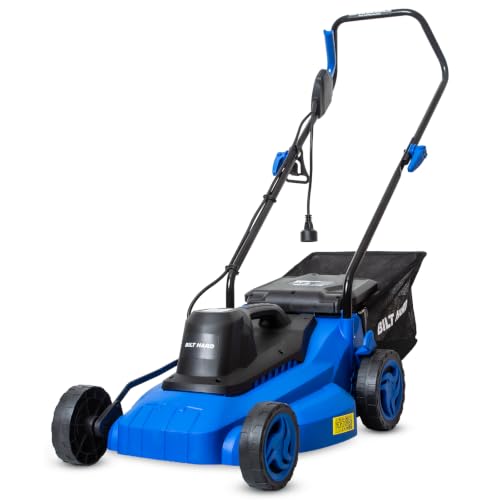
BILT HARD 15in Corded Electric Lawn Mower 11A

SKIL PWR CORE 40 20in Self-Propelled Mower Kit

Honda HRX-BE 21in Battery Walk-Behind Mower
A Breakdown Of The Leading Choices
The Greenworks 80V 21-inch push mower is the kind of tool that disappears into your routine after the first mow. Its steel deck is wide enough for most suburban lots, and the brushless motor, a motor design that uses electronic switching instead of carbon brushes, gives you quiet, efficient cutting without the vibration of older brushed designs. For homeowners transitioning from gas, this often feels like the easiest first step.
Single-lever height adjustment lets you move between cuts quickly, which matters more than it sounds on a yard with mixed grass types. The included 4.0Ah battery recharges in about an hour, so a quick top-up between sessions is realistic.
Useful Touches
- Brushless motor runs quieter and tends to last longer than brushed designs
- 21-inch steel deck handles typical half-acre lots comfortably
- Single-lever height adjustment speeds up cut changes
- 60-minute recharge keeps downtime short between sessions
Things To Consider
- Push-only design means steeper slopes can wear you out
- Battery runtime drops in tall, thick grass
Who It Suits Best
Homeowners with flat-to-mildly-sloped suburban lawns who want a quiet, low-maintenance replacement for gas.
Where Another Pick Suits Better
For larger yards with steeper pitches, the SKIL PWR CORE 40 self-propelled mower reduces fatigue considerably.
Compared to the Greenworks above, the BILT HARD 15-inch trades raw power for simplicity. The 11-amp motor spins at 3300 RPM, which is plenty for the small, flat lawn this mower was built for. The 35L grass bag fills slowly enough that you can finish most tiny yards without stopping.
The foldable handle is the real headline for apartment dwellers or anyone storing tools in a tight garage. Five height settings between 1 and 3 inches give you enough flexibility for most common turf types, and the lightweight frame makes pulling it out for a quick trim feel like no big deal.
Reasons It Performs
- Lightweight body is easy to carry and maneuver
- Foldable handle collapses for tight storage spaces
- 35L bag means fewer stops on small lawns
Worth Noting
- Cord limits range and requires an outdoor-rated extension
- 15-inch deck means more passes on larger yards
- Not built for wet or overgrown grass
Key Product Details
Made For
Anyone with a small urban yard under 1,500 square feet and a convenient outdoor outlet.
Consider Something Else When
Properties larger than a quarter acre really benefit from the Greenworks 80V push mower’s wider 21-inch deck.
The SKIL PWR CORE 40 earns its spot because self-propulsion changes the whole experience. Self-propelled means the mower’s rear wheels drive themselves, so instead of pushing, you simply steer. A variable-speed dial lets you match the pace to your stride, which sounds minor until you tackle a hill and realize the mower is doing the heavy lifting.
The 6.0Ah battery and Auto PWR JUMP charger are designed for faster top-ups. Push-button start eliminates pull-cord frustration, and the 20-inch deck splits the difference between compact and full-size mowers.
Everyday Wins
- Self-propel with variable speed reduces fatigue on slopes
- Push-button start is simpler than pull cords
- Brushless 40V motor balances power and runtime
- 3-in-1 versatility: bag, mulch, or discharge
Points To Note
- Heavier than push-only models
- Battery and self-propel add to the price tag
Feature Snapshot
Best Suited To
Homeowners with uneven ground or moderate slopes who want the mower to do the pushing.
Look Elsewhere When
Tiny, flat lots under 1,000 square feet don’t need self-propel, and the BILT HARD corded mower handles those for less.
The Honda HRX-BE sits at the top because Honda’s reputation for engine engineering carries into its battery platform. The motor is tuned to hold RPM under load, meaning tall or wet grass doesn’t bog it down the way cheaper brushless motors can. For homeowners who expect a gas-like cut without gas-like maintenance, this delivers.
Honda’s Versamow system with Clip Director is genuinely useful, letting you switch between mulching, bagging, discharging, and leaf-shredding without swapping attachments. The 21-inch deck matches the Greenworks width but adds the build refinement Honda is known for.
What Works In Its Favor
- Honda-grade motor maintains cutting speed in tough conditions
- 4-in-1 Versamow with Clip Director saves attachment swaps
- Twin-blade design improves mulching fineness
- 21-inch deck finishes large lawns in fewer passes
Honest Caveats
- Premium pricing reflects the engineering
- Battery and charger sold separately in some bundles
- Heavier than compact options
Who Will Love This
Demanding homeowners with larger properties who want Honda durability without gas-engine upkeep.
Swap It Out When
Budget-focused shoppers on flat, smaller lots get more value from the Greenworks 80V or BILT HARD picks.
Picking The Right 4wd Mower For Your Yard
Match Drive Type To Terrain
Self-propelled mowers shine on slopes, hills, and uneven ground because the wheels carry the weight. For flat yards under a quarter acre, a simple push mower saves money and storage space. Honestly, paying for self-propel on a pancake-flat lawn is overkill.
If your property has consistent grades above 15 degrees, prioritize rear-wheel or all-wheel drive over front-wheel drive. Rear-wheel drive maintains traction when the bag fills and shifts weight backward, while all-wheel drive handles the toughest combination of slope and thick grass.
Power Source Changes Everything
Corded electric mowers offer unlimited runtime but tether you to an outlet. Battery models give you full freedom, though runtime drops in tall grass. Gas still wins for marathon sessions, but battery voltage keeps climbing, and most homeowners find 40V or 80V platforms cover a typical lot on one charge.
Deck Size Versus Storage
A wider deck means fewer passes, but it also means a bigger footprint in your garage or shed. Measure your storage space before choosing between a 15-inch and 21-inch deck. For most suburban lots, 20 to 21 inches strikes the best balance between coverage and maneuverability around flower beds.
Key Considerations Across These Picks
Pitfalls Shoppers Hit
One of the most common slip-ups is buying a mower with more power than the yard actually needs, then spending three seasons dragging a heavy machine around a flat patch of grass. The opposite mistake is choosing a compact corded mower for a half-acre lot, which leaves you wrestling extension cords all afternoon.
Another trap is ignoring battery platform compatibility. Brands like SKIL and Greenworks sell multiple tools that share batteries, so buying into an ecosystem pays off. Mismatched batteries force you into proprietary replacements later, which can sting over time.
What The Higher Tier Buys
The jump from a budget push mower to a premium self-propelled model buys you three things: a brushless motor that lasts longer, better cutting performance in wet or tall grass, and features like variable-speed drive. For a small, flat yard, none of that matters much. For a sloped property over a third of an acre, those upgrades pay for themselves in saved time and reduced fatigue.
Frequently Asked Questions
What’s the difference between self-propelled and 4wd?
Self-propelled mowers drive their rear wheels with a single motor and gearbox. True 4WD systems power all four wheels independently, which matters most on steep, wet, or muddy terrain where two-wheel traction slips.
Can battery mowers really replace gas?
For most suburban lots under one acre, modern 40V and 80V batteries handle the job on a single charge. Only large properties or commercial crews still benefit from gas runtime.
How long do lithium mower batteries last?
Most lithium-ion mower batteries deliver 3 to 5 years of regular seasonal use before noticeable capacity loss. Storing them indoors over winter extends their life considerably.
Are brushless motors worth the extra cost?
Brushless motors run cooler, use less energy, and typically outlast brushed designs by years. For anyone mowing more than a few times a season, the upgrade is worth it.
What deck size fits a typical yard?
A 20-inch deck handles most quarter-acre to half-acre lots efficiently. Anything larger benefits from 21 inches or a riding mower altogether.
Closing Remarks
The right 4wd mower depends less on specs and more on your specific yard. Flat and small? Go compact. Sloped and sprawling? Self-propel or premium. Any of these four will outlast the gas mower you’re nursing along, and your weekends will quietly thank you.