A dead battery on a Saturday morning is the kind of small annoyance that ruins the whole day, especially when the grass has already waited through a week of rain. The right replacement keeps a riding mower firing reliably through cold starts, long mowing sessions, and the occasional forgotten headlight left on overnight. I put together this roundup for anyone staring at a tractor that won’t turn over and weighing lead-acid against newer lithium options for the first time.
Your Options, Compared

WEIZE Lawn Garden AGM Battery, 12V 300CCA BCI Group U1

WEIZE Lawn Garden AGM Battery, 12V 200CCA BCI Group U1
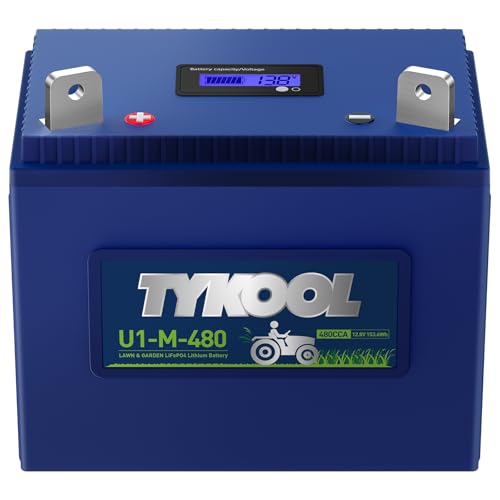
TYKOOL 480CCA Group U1 Lithium LiFePO4 Lawn Mower Battery

WEIZE Lawn Garden AGM Battery, 12V 350CCA BCI Group U1
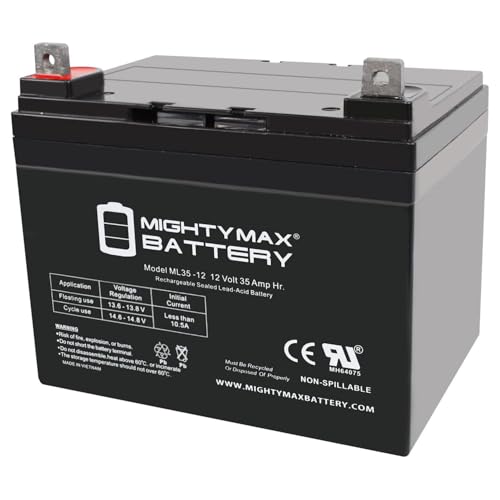
Mighty Max 12V 35Ah SLA Battery for John Deere 108

BRS U1 AGM Battery, 12V 300 CCA Group U1
A Closer Look At Each Pick
For most suburban lots with a mid-sized riding mower, this WEIZE AGM (Absorbed Glass Mat, a sealed lead-acid design that resists vibration and spills) sits right in the comfortable middle. Its 300 cold cranking amps handle typical spring starts in most regions without straining, and the Group U1 case fits the battery trays of common John Deere, Cub Cadet, Craftsman, and Toro tractors.
AGM construction means owners skip the periodic electrolyte top-ups that older flooded batteries demand, and the sealed case can be mounted in slightly tilted positions without leaking. For a homeowner who cuts weekly through spring and summer and parks the mower in an unheated garage, this tends to be a sensible, long-running choice.
The Value In It
- 300 CCA gives reliable cranking for typical mid-sized engines in moderate climates
- Sealed AGM design means no fluid checks and no corrosion on nearby cables
- Group U1 footprint matches the most common riding mower battery trays
- Square-hole nut-and-bolt terminals are easy to secure with basic hand tools
- Often arrives fully charged, so installation can happen in a single afternoon
Trade Offs To Consider
- 300 CCA may feel light for very cold northern winters or larger V-twin engines
- AGM batteries can show shorter service life if left deeply discharged for weeks
Who It Suits Best
Suburban homeowners with a typical riding mower who want a low-maintenance replacement that just fits and starts.
Consider Something Else When
The TYKOOL 480CCA Group U1 Lithium LiFePO4 Lawn Mower Battery suits shoppers willing to pay more for noticeably stronger cold-start output.
Where the 300CCA sibling handles most yards, this 200CCA version is the trimmer alternative for anyone in a warmer climate or with a smaller engine. Cold cranking amps measure the current a battery can deliver at 0°F for 30 seconds while staying above a minimum voltage, so 200 is on the modest side, but plenty for single-cylinder tractors in moderate temperatures.
The same Group U1 case, sealed AGM internals, and square-hole terminals carry over from its higher-CCA sibling, so installation and maintenance look identical. Homeowners who store their mower in a heated garage and only need a fresh battery after an old one finally gave up will find this a perfectly reasonable pick.
The Case For It
- Lower CCA rating keeps the price accessible for budget-conscious shoppers
- AGM sealed design avoids the spills and corrosion common with flooded cells
- Standard Group U1 footprint fits John Deere, Toro, Cub Cadet, and Craftsman trays
- Positive terminal on the left matches most riding mower wiring layouts
Points To Keep In Mind
- 200 CCA may struggle in freezing climates or with engines above 20 hp
- Less headroom for repeated short trips that don’t fully recharge the battery
- Owners in cold regions may notice slower cranking after a long winter layup
Right Fit For
Shoppers with smaller riding mowers in mild climates who want a no-fuss AGM replacement without stretching into premium territory.
Look Elsewhere When
The WEIZE Lawn Garden AGM Battery, 12V 350CCA BCI Group U1 is the better match for larger engines that demand more cranking headroom.
The TYKOOL jumps categories entirely. Instead of lead-acid AGM chemistry, it uses LiFePO4 (lithium iron phosphate), a battery type that holds a higher voltage as it discharges and weighs roughly a third of a comparable lead-acid unit. The result is a noticeably lighter swap that still delivers 480 cold cranking amps, well above any AGM pick on this list.
For a homeowner tired of dragging a heavy battery out of a tractor tray every few years, the weight savings alone feel like an upgrade. Cold starts in early spring tend to be sharper, and the unit is built to fit the same Group U1 footprint used by John Deere, Cub Cadet, Craftsman, and Troy-Bilt machines.
Bright Spots
- 480 CCA outperforms every AGM option in this roundup for cold-weather starts
- LiFePO4 chemistry holds voltage more steadily as the battery drains
- Significantly lighter than a lead-acid replacement, easier to lift into the tray
- Long cycle life suits frequent mowing and PTO-heavy attachments
Where It Is Less Suited
- Costs more up front than any AGM option in this list
- Some older mowers with basic charging systems may not fully support lithium profiles
Best Suited To
Owners in cold climates or anyone planning to keep their mower for many seasons who wants the lightest, strongest-cranking battery in the roundup.
Another Choice May Suit
The BRS U1 AGM Battery, 12V 300 CCA Group U1 is worth a look for shoppers who prefer staying with proven AGM chemistry at a lower cost.
This is the highest-output AGM option from WEIZE in the lineup, and the pick for anyone running a larger V-twin engine or mowing in a region where spring temperatures can still dip near freezing at 6 a.m. At 350 cold cranking amps, it has more cranking headroom than its 300CCA sibling while staying within the same Group U1 case dimensions.
The dimensions and terminal layout mirror the other WEIZE AGM batteries in this roundup, so swapping from a smaller CCA unit to this one usually requires no bracket changes. For a property with hills, thick grass, or a mower that pulls a cart or snow blade, the extra cranking reserve feels worthwhile.
Where It Delivers
- 350 CCA handles larger engines and colder morning starts with confidence
- Same sealed AGM design as the rest of the WEIZE Group U1 family
- Standard Group U1 footprint fits most riding mower battery trays
- Square-hole nut-and-bolt terminals keep cable connections secure
Honest Caveats
- Pricier than the 200CCA and 300CCA WEIZE options
- Overkill for small single-cylinder engines that don’t need the extra amps
Made For
Homeowners with larger riding tractors, hilly terrain, or cold spring mornings who want stronger AGM cranking without moving to lithium.
Reach For A Different Pick When
The Mighty Max 12V 35Ah SLA Battery for John Deere 108 is a better match for owners of that specific older tractor seeking a higher-capacity replacement.
Older John Deere 108 tractors have their own quirks, and the Mighty Max ML35-12 is built specifically as a replacement for that model. At 35Ah (amp-hours, a measure of how much energy a battery can deliver over time), it offers higher storage capacity than the typical Group U1 mower battery, which translates into more cranking reserve before voltage drops too low to turn the engine over.
The sealed lead-acid AGM construction keeps maintenance to a minimum, and the battery ships with screws for terminal connection. For owners nursing a 108 back to life or replacing a tired original, this is a no-drama swap that fits the existing tray.
The Helpful Details
- 35Ah rating delivers strong reserve capacity for accessories and headlights
- Sealed SLA/AGM design avoids spills and works in any mounting orientation
- Ships with terminal screws for straightforward installation
Some Limits To Know
- Listed specifically for the John Deere 108, so fit should be verified for other models
- No wire harness or mounting accessories included in the box
- CCA rating is not the headline spec on this unit, so cold-climate starting may be modest
Perfect Match For
John Deere 108 owners restoring or maintaining a classic riding mower who want a direct-fit replacement with solid amp-hour capacity.
Not Your Match When
The BRS U1 AGM Battery, 12V 300 CCA Group U1 is a broader fit across modern riding mower brands where the 108-specific sizing is not required.
BRS leans into the working end of the category with a Group U1 AGM battery that pairs 300 cold cranking amps with vibration-resistant internal construction. For riding mowers that spend their lives bouncing across uneven ground, or for compact UTV and generator use alongside mowing duties, that rugged build is the main draw.
The sealed maintenance-free design means owners can install it and largely forget about it, aside from the occasional terminal cleaning. It arrives fully charged in many cases, which shortens the project from “swap, then charge overnight” to a one-afternoon task.
Good Reasons To Consider
- 300 CCA handles typical small-engine cold starts in most regions
- Vibration-resistant AGM build suits rough terrain and utility use
- Sealed maintenance-free design requires no fluid top-ups
- Fits Group U1 trays across many riding mowers, UTVs, and generators
Factors To Consider
- 300 CCA trails the TYKOOL lithium option for the coldest mornings
- Heavier than a lithium equivalent, so lifting into the tray takes more effort
Who Will Love This
Owners with rough-terrain mowers, side-by-side UTVs, or backup generators who want a sealed AGM battery that shrugs off vibration.
Skip It When
The WEIZE Lawn Garden AGM Battery, 12V 350CCA BCI Group U1 is a stronger fit for shoppers focused purely on cranking amps in a standard mower.
What To Weigh Before Choosing Batteries For Riding Lawn Mowers
Match The Battery Group And Terminal Layout
Before anything else, confirm the battery case group (U1 in most cases) and the terminal orientation of your mower. A wrong-fit battery can leave cables unable to reach, or worse, force them into a strained position that loosens over time.
Read CCA, Not Just Amp Hours
Cold cranking amps (CCA) measure starting power at freezing temperatures, while amp-hours (Ah) describe stored energy. A mower that cranks hard on a frosty morning cares more about CCA than Ah, so the rating that matters depends on your climate.
Pick The Chemistry That Fits Your Routine
Sealed AGM lead-acid batteries are affordable, recyclable, and widely supported. Lithium LiFePO4 costs more but weighs less and lasts longer. For light weekly mowing in moderate weather, AGM is plenty. For cold climates or heavy use, the lithium premium can pay off.
Check Physical Fit And Charging System
Battery trays vary slightly between brands even within the same group, and older charging systems may not fully support lithium profiles. Measure the existing battery and skim the mower manual before committing to a chemistry switch.
Key Considerations Across These Picks
Common Buying Slip Ups
The most frequent mistake I see is shopping by CCA alone and ignoring terminal position. Even with the right group size, reversed terminals can leave cables short, which leads to stretched wires or jumpers that nobody wants. Another trap is underestimating weight: a 35Ah AGM battery feels fine on a workbench but can surprise anyone lifting it into a tight tray.
What The Higher Tier Buys
Stepping up to the TYKOOL lithium option or the 350CCA WEIZE AGM mostly buys stronger cold-start headroom and longer cycle life. For homeowners in mild climates with smaller engines, the extra cost may not show up in daily use. For anyone in a northern region or running a large V-twin, the upgrade tends to feel justified within the first cold spring morning.
Frequently Asked Questions
How long does a riding mower battery typically last?
Most sealed AGM batteries last three to five years with regular use, while lithium options can stretch longer with proper care. Storage conditions and how often the mower is used both play a big role in real-world lifespan.
Can I use a higher CCA battery than the original?
Yes, higher CCA is generally safe because the battery only delivers what the starter demands. The main consideration is physical fit in the tray and that the terminals align with the existing cables.
Do lithium lawn mower batteries need a special charger?
Lithium LiFePO4 batteries charge well with most modern mower charging systems, but very old tractors with basic regulators should be checked. A lithium-friendly charger is a small extra cost if the system is outdated.
What does Group U1 actually mean?
Group U1 is a battery size standard covering roughly 7.7 by 5.1 inches, used by most riding mowers. Sticking to U1 ensures the replacement drops into the existing tray without modification.
Is AGM really maintenance-free?
AGM batteries are sealed, so there is no fluid to top up. Owners still benefit from keeping the terminals clean and the battery charged during long winter storage.
Final Verdict
The right battery comes down to climate, engine size, and how much weight you want to lift. For most yards, the WEIZE 300CCA AGM hits a balanced middle, while the TYKOOL lithium is the strongest pick where cold starts and longevity matter most. Pick the chemistry that fits your routine and confirm the tray dimensions, and your mower will be ready to fire up on the first try come spring.