A mower that sputters, stalls halfway up the first pass, or refuses to start after a long winter is one of the most frustrating small-engine problems a homeowner can face. Most of the time, the culprit is a gummed-up carburetor, and the right cleaner can mean the difference between a five-minute tune-up and a full teardown. I’ve put together a shortlist of sprays and tool kits that target the exact jets, passages, and choke components that tend to clog in lawn mower carbs.
A Quick View Of The Lineup

Berryman B-12 Carburetor & Throttle Body Cleaner 20 oz

Coeweule Carburetor Cleaning Kit 13 Lines 10 Needles 5 Brushes
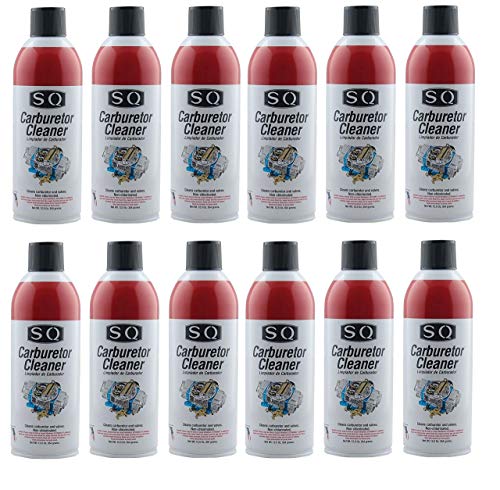
SQ Carburetor Cleaner 12-Pack 12.5 oz

Zesllwid Premium Carburetor Cleaning Kit Stainless Steel

Cyclo C5 Carb Clean 19 oz

Motfittings Carburetor Cleaning Kit 13 Wires 10 Needles

Yenblow 6-Pack Carburetor Cleaner Kit 46 Needles 10 Brushes
What Each Pick Brings To The Table
The Berryman B-12 is the kind of spray that has earned its reputation over decades. For a homeowner firing up a Briggs & Stratton or Honda mower after a season of sitting, the 20-ounce can delivers enough solvent to soak the float bowl, blast the choke plate, and chase varnish out of the idle circuit without running dry mid-job.
It’s a non-chlorinated formula, which matters more than it sounds: chlorinated solvents can leave residue that damages oxygen sensors and catalytic converters on cars, and that same caution extends to small-engine owners who occasionally use their spray on family vehicles too. Most people spraying a mower throttle body don’t have to worry, but the gentler chemistry here keeps options open.
The Value In It
- Strips gum, varnish, sludge, and carbon buildup from carb and choke passages in a single pass
- Restores rough idle, hesitation, and stubborn cold starts without disassembling the carb
- Non-chlorinated blend is friendlier to oxygen sensors and catalytic converters on nearby vehicles
- 20-ounce size is enough for several full mower tune-ups before the can runs low
Things To Consider
- Strong solvent odor, so I spray outdoors or with the garage door wide open
- Spray-only format can’t reach deeply clogged jets the way a wire kit can
Key Specs
Made For
Homeowners who want a single, reliable spray can on the shelf for spring mower startups and mid-season rough idle fixes.
Consider Something Else When
Someone restoring a mower with truly gummed pilot jets may find the SQ Carburetor Cleaner 12-Pack a more budget-friendly refill source for repeat spraying.
Spray alone rarely clears a fully blocked pilot jet, and that’s where a tool kit like the Coeweule earns its keep. The set ships with thirteen stainless steel cleaning lines running from 0.4 mm to 0.8 mm, ten finer needles, and a handful of nylon brushes sized for the small orifices in a Briggs carb.
For a DIYer pulling a carb off a push mower on the kitchen table, those tiny wires thread straight into the emulsion passages where aerosol solvents simply can’t reach. It’s the same logic that makes torch-tip kits popular, just applied to mower passages instead of welding heads.
Real Benefits
- Multiple wire diameters from 0.4 to 0.8 mm match most mower pilot and main jets
- Stainless steel and nylon construction resists rust and bending in the toolbox drawer
- Compact enough to throw in a lawn tractor’s storage bin for trail-side fixes
Trade Offs
- Pure mechanical cleaning, so it pairs best with a solvent spray for full restoration
- No protective case included, and the small needles wander in a junk drawer fast
Right Fit For
Tinkerers who already spray with a product like the Berryman B-12 and want the mechanical half of a complete carb service.
Look Elsewhere When
Shoppers needing a broader size range should step up to the Zesllwid Premium Carburetor Cleaning Kit, which covers larger passages too.
A single 12.5-ounce can disappears fast when you’re servicing multiple mowers, a string trimmer, and a leaf blower in the same week. The SQ twelve-pack is built for exactly that workflow, delivering a case of non-chlorinated spray that won’t leave residue behind on sensitive engine parts.
The formula is highly flammable, so I treat it the same way I treat any carb spray: no open flames, no hot engines, and a clear path to fresh air. It’s also marketed as a starting aid for stubborn two-stroke engines, which makes the case format useful for anyone keeping a fleet of older equipment alive.
What Stands Out
- Twelve cans cover a full season of mower, trimmer, and blower servicing
- Non-chlorinated and leaves no residue after evaporation
- Helpful as a starting fluid on stubborn two-stroke engines
Worth Noting
- Restricted in California, Colorado, Connecticut, Delaware, Maryland, Michigan, New Hampshire, New York, Ohio, Rhode Island, and parts of Utah, so check local rules before ordering
- Bulk format means storing twelve flammable cans safely, away from heat sources
Feature Snapshot
Built With In Mind
Property owners running several gas-powered tools who burn through cleaner faster than a one-can household ever could.
Reach For A Different Pick When
Residents in the listed restricted states need to look at the Cyclo C5 Carb Clean, which is formulated to meet VOC rules in regulated regions.
Where the Coeweule sticks to smaller mower-sized passages, the Zesllwid kit stretches up to 1.6 mm wires and adds three larger brushes in brass, nylon, and stainless. For a household running a mix of push mower, ATV, and a welder in the garage, that range eliminates the need to buy three separate tool sets.
The trade-off is that the kit sprawls across more pieces than the slimmer picks above, so a dedicated small magnetic tray or labeled bag pays off. Compared to the Motfittings set that follows, the Zesllwid leans harder into larger-passage work than pure micro-jet cleaning.
The Good Stuff
- Wire range from 0.4 to 1.6 mm covers jets, passages, and torch tips in one box
- Three large brushes in brass, nylon, and stainless handle throttle plates and bigger orifices
- Sharp pick and small wrench included for disassembly work alongside cleaning
Less Ideal Details
- Larger piece count makes storage planning more important than with slimmer kits
- Some of the larger wires are overkill for tiny mower pilot jets
Best Suited To
Shed owners juggling a mower plus ATVs, welders, or other gear that needs the same cleaning attention.
A Better Fit Elsewhere
Anyone focused strictly on the smallest carb passages should consider the Coeweule Carburetor Cleaning Kit for a tighter size sweet spot.
The Cyclo C5 is the spray to reach for when local regulations get specific. It meets VOC requirements in OTC states, which is shorthand for the stricter air-quality rules in places like California and New York where many traditional carb cleaners simply can’t be sold over the counter.
It’s also formulated to be safe around oxygen sensors and fuel injector throttle plates, so a homeowner with one can on the shelf can move from a mower carb to a car throttle body without swapping products. The honest trade-off is that the gentler solvent chemistry may need a second pass on truly baked-on deposits.
Benefits That Matter
- Meets VOC rules in regulated states where many competitors aren’t sold
- Safe around oxygen sensors and throttle plates on modern vehicles
- 19-ounce can sits between single-use and bulk sizes, fitting most garage shelves
Some Limits To Know
- Milder formula may need extra soaking time on heavily varnished carbs
- Flammable, like any aerosol carb cleaner, so keep it away from heat sources
At A Glance
Who It Suits Best
Shoppers in regulated states or anyone who services both mowers and fuel-injected cars from the same shelf.
Skip It When
Someone restoring a long-stored mower with serious varnish buildup may prefer the heavier solvent hit of the Berryman B-12.
The Motfittings kit mirrors the Coeweule set in count: thirteen cleaning lines, ten needles, five nylon brushes, and a single pointed pick. Where it differentiates is build quality, since the stainless steel and nylon combo is meant to resist bending and shedding during repeat use on stubborn jets.
For someone pulling carbs apart regularly, the wires hold their shape session after session. For the occasional user, the same rigidity can make the thinner diameters a touch harder to flex inside a tight passage.
Bright Spots
- Rust-resistant stainless steel keeps wires straight through repeat use
- Nylon bristles flex into curved passages that rigid wires can’t navigate
- Set covers the same size range as the slimmer Coeweule pick above
Honest Caveats
- Thinner stainless wires can feel stiff in very tight bends
- Same piece count as competitors, so storage planning is identical
Quick Facts
Whose Shelf It Belongs On
Regular DIYers who rebuild carbs on multiple mowers a season and want tools that survive that workload.
Swap It Out When
Anyone needing larger brushes for throttle plates and bigger passages should step up to the Zesllwid Premium Carburetor Cleaning Kit.
The Yenblow kit is the closest thing on this list to a complete cleaning bench. Forty-six needles, ten brushes, two hex wrenches, two pointed picks, plus a couple of polishing and nylon tools arrive in a single pack, which makes it appealing for a homeowner who services everything from a mower carb to a shower head.
The breadth comes at the cost of clutter, and there’s no case included, so I plan on a fishing-tackle box for storage. Compared to the slimmer picks above, the Yenblow leans into redundancy: more needles than any competitor, but spread across similar size ranges.
Advantages To Know
- 46 needles dwarf every other kit’s count for repeated single-size use
- Two hex wrenches support on-the-fly disassembly without a separate tool run
- Includes both polishing and nylon picks for varied deposit types
Trade-Offs To Consider
- High piece count demands a dedicated storage plan to avoid losing small parts
- Redundant in some size ranges where competitors cover the same diameters with fewer pieces
Feature Card
Perfect Match For
Hobbyists who maintain a varied mix of mowers, chainsaws, ATVs, and even household fixtures from the same tool drawer.
Where A Sibling Pick Shines
Shoppers who want fewer pieces and a tighter focus on small-engine carbs will find the Coeweule Carburetor Cleaning Kit easier to manage.
What To Weigh Before Choosing A Carburetor Cleaner For Your Mower
The first fork in the road is solvent spray versus mechanical tool kit. A spray cleaner like the Berryman B-12, SQ twelve-pack, or Cyclo C5 dissolves gum and varnish in the passages it can reach, and it’s the right pick when the mower just needs a tune-up without pulling the carb off. The downside shows up on truly blocked pilot jets, where solvent alone rarely clears a hard obstruction.
For mechanical cleaning, a wire and needle kit like the Coeweule, Zesllwid, Motfittings, or Yenblow set threads directly into the jet and physically pushes debris out. The trade-off is that it requires pulling the carb and spending ten or fifteen minutes per side, so it makes more sense for a full annual service than a quick mid-season fix.
Spray vs. Kit Decision
Solvents handle surface varnish and light clogs quickly. Kits handle hard blockages that solvents can’t shift. Many owners end up with both on the shelf, and the most efficient workflow is to spray first, then chase any remaining clog with a wire.
Matching The Kit To Your Equipment
A push mower with a single carb rarely needs more than ten to fifteen wires. A mixed fleet with mowers, ATVs, and welders benefits from the wider range in the Zesllwid or Yenblow sets, while the Coeweule or Motfittings keep things compact for tighter storage.
State And Sensor Rules
Residents in California, Colorado, and other OTC-regulated states should verify a product’s VOC compliance before ordering. Sensor-safe formulas matter when the same can is used on cars with oxygen sensors or catalytic converters.
Smart Shopping Decisions For Carburetor Cleaners
Common Shopping Slip Ups
The most frequent mistake is buying only a spray and assuming it will clear a fully blocked jet. Solvent works on varnish, but it can’t push out a solid obstruction, so a stubborn no-start mower often needs a wire kit too. The second mistake is overlooking state VOC rules and ending up with a product that can’t ship to the listed ZIP codes.
When Paying More Pays Off
A premium kit earns its keep through wire durability and broader size ranges. Cheaper kits sometimes ship with softer steel that bends on first use, leaving the wire stuck inside a jet. Spending a bit more on stainless construction usually means the kit survives several seasons of rebuilds rather than one. The same logic applies to spray cans: a non-chlorinated, sensor-safe formula costs a little more but won’t damage modern components if it ever gets used on the family car.
Frequently Asked Questions
Can I use carb cleaner without removing the carb from the mower?
Yes, spraying through the air intake with the choke open reaches the throttle plate and most idle passages. Removing the carb is only necessary for hard jet clogs that solvent alone can’t shift.
How often should I clean my mower’s carburetor?
A light spray at the start of each mowing season keeps things running smoothly. A full teardown with a wire kit is reasonable every two to three years for a typical homeowner mower.
Are non-chlorinated cleaners as effective as chlorinated ones?
For most mower varnish and gum, yes. Non-chlorinated formulas evaporate cleanly and won’t damage oxygen sensors if used on a car, which makes them a more flexible choice for a multi-tool garage.
Will any of these kits work on other small engines?
Most kits handle chainsaws, trimmers, leaf blowers, and ATVs in addition to mowers. Wire diameters vary, so check that the kit includes sizes below 1 mm for the smallest pilot jets.
Is carb cleaner safe on plastic or rubber components?
No, prolonged soaking can soften or discolor plastic and rubber. Mask surrounding parts or remove them before spraying, and keep contact brief.
Bottom Line
A sputtering mower doesn’t always need a new carb, and the right cleaner can rescue it in an afternoon. Sprays work for quick tune-ups, wire kits clear the deep clogs, and many homeowners end up wanting one of each on the shelf. Match the format to the symptom, check state rules if applicable, and the lawn will be back to its normal roar before the weekend is over.