Brown patches spreading across your lawn can turn a pride-and-joy yard into a head-scratcher overnight. I’ve talked with homeowners who tried watering less, mowing higher, even swearing off fertilizer, only to watch the problem creep wider. The right control product can stop the spread without torching the rest of the grass, and the eight picks below cover different angles, from fast-acting synthetics to organic soil boosters.
A Fast Comparison Of The Options

Atticus Gravex 20EW Fungicide 16oz Myclobutanil Concentrate

Southern Ag Neem Oil 8 Oz

Fertilome (16116) Fungicide 5 Ready to Use 32 oz

Atticus Talak 7.9% Bifenthrin Insecticide 1Gal

Purple Cow Organics Liquid Biology Bundle

General Hydroponics Azamax GH2007 16 oz
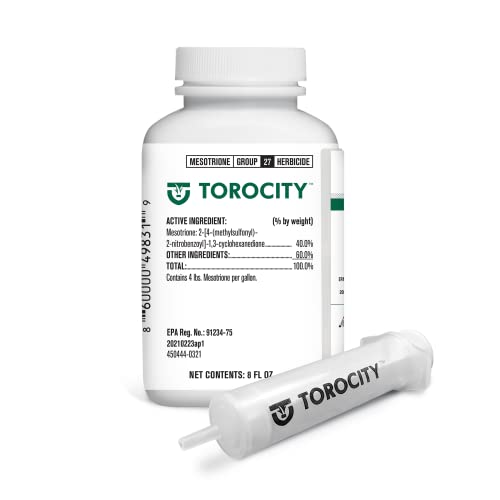
Atticus Torocity Mesotrione Herbicide 8oz

Plantonix Worm Bliss and Myco Bliss Bundle
A Deeper Look At The Lineup
When dollar spot or brown patch shows up on a Kentucky bluegrass lawn and refuses to back off, most homeowners want a fungicide that goes after a wide range of turf pathogens rather than a single disease. That’s where Gravex 20EW earns its keep. The active ingredient, myclobutanil (a synthetic fungicide that interrupts fungal cell membrane development), is the same compound turf managers have relied on for years.
For most cool-season lawns dealing with active outbreaks, the concentrate format lets you dial in coverage for anything from a 1,000-square-foot patch to several thousand square feet with a standard pump sprayer. You may find the 16-ounce bottle awkward to measure at first, but a simple kitchen measuring cup solves that in seconds.
The Good Stuff
- Broad-spectrum coverage tackles dollar spot, brown patch, rust, and powdery mildew in one product
- Works as both a curative (stops existing infections) and a preventative (blocks new ones), so you don’t need two bottles on the shelf
- Concentrate format stretches further per dollar for large lawns than ready-to-spray jugs
- Myclobutanil has decades of real-world use behind it on golf courses and home lawns alike
Worth Noting
- You need a separate pump sprayer, since the bottle isn’t ready-to-spray out of the box
- Mixing ratios vary by target disease, so reading the label before measuring matters
- Storage in a shaded, dry spot during the off-season keeps the chemistry stable
Key Specs
Whose Lawn It Belongs On
Homeowners with cool-season turfgrass facing an active, spreading fungal problem who don’t mind mixing their own spray.
Where Another Pick Suits Better
Vegetable gardeners who want a softer approach should reach for Southern Ag Neem Oil 8 Oz instead, since it stays gentler around edible crops.
For gardeners who treat the lawn and the rose bed as one connected ecosystem, a single bottle that handles both is genuinely useful. Neem oil (a vegetable oil pressed from neem tree seeds, used as a natural fungicide and insect repellent) covers a long list of common fungal problems on ornamentals and edibles without leaving harsh residues.
Where Gravex targets specific turf diseases at full strength, this one plays the gentle long game. In a small yard where the lawn borders tomatoes, herbs, and rosebushes, that flexibility tends to matter more than raw potency.
Everyday Advantages
- Safe to spray on fruits, nuts, vegetables, herbs, and ornamentals in the same afternoon
- Prevents and treats black spot on roses plus powdery mildew on cucurbits and ornamentals
- Also knocks down aphids, spider mites, scale, whiteflies, and beetles as a side benefit
- Small 8-ounce bottle stores easily on a narrow shelf between seasons
Some Limits To Know
- Slower results than synthetic chemistry on heavy fungal outbreaks
- Requires thorough coverage on both leaf surfaces to work well
- Reapplication every 7 to 14 days is typical during humid stretches
Made For
Mixed-yard gardeners who want one bottle for both the lawn edges and the vegetable patch.
Skip It When
Someone with a half-acre of pure turfgrass and a serious dollar spot problem will get faster results from Atticus Gravex 20EW Fungicide 16oz Myclobutanil Concentrate.
The first time someone treats a lawn for fungus, the last thing they want is a measuring cup and a math problem. Fertilome’s Fungicide 5 ships as a ready-to-spray bottle: point, squeeze the trigger, walk. That simplicity is the whole point of the format.
The active ingredient targets a wide list of common diseases, including blights, molds, rots, spots, specks, and mildews, on both indoor and outdoor plants. It works on trees, shrubs, vegetable gardens, flower beds, and lawns, which makes it a sensible pick when you’re not sure what exactly is spreading.
What Pays Off
- No mixing required, so there’s no risk of getting the ratio wrong on a first attempt
- Useful on lawns, ornamentals, vegetables, and even indoor houseplants
- 32-ounce bottle covers a meaningful patch without constant refilling
- The trigger sprayer rinses clean with a few pumps of water between uses
Trade-Offs
- Ready-to-spray costs more per ounce than concentrate alternatives
- Battery-powered or pump sprayers cover large lawns faster than the trigger head
- Trigger heads can clog if the bottle sits through a winter without rinsing
Feature Snapshot
Right Fit For
Beginner lawn owners who want a no-fuss bottle they can grab, spray, and put away without measuring anything.
Look Elsewhere When
Homeowners managing more than about 5,000 square feet will burn through the 32-ounce trigger bottle fast and should consider a concentrate like Atticus Gravex 20EW Fungicide 16oz Myclobutanil Concentrate instead.
Talak isn’t a fungicide first and foremost. It’s a bifenthrin-based (a synthetic pyrethroid insecticide that disrupts insect nervous systems) concentrate sold for insect control. So why include it on a fungus list? Because some lawn fungi hitchhike on insects, and some of the worst-looking fungal damage on warm-season turf comes paired with chinch bugs or sod webworms chewing through weakened grass.
The water-based formula dries clear, leaves no visible residue, and works indoors or out, which broadens its role beyond pure perimeter spraying. One gallon covers serious ground for anyone with a half-acre lot or larger.
Reasons It Performs
- One-gallon jug covers large lawns, deep perimeters, and around outbuildings without constant refills
- Water-based concentrate dries clear with no visible film on treated surfaces
- Works indoors and outdoors, so it doubles as an ant-and-roach barrier inside
- Bifenthrin has a long track record of reliable insect knockdown
Where It May Fall Short
- Doesn’t treat fungal disease directly, so it has to be paired with a true fungicide
- Concentrate requires careful measuring and a dedicated sprayer
- Storage needs to stay out of reach of kids and pets given the concentration level
Best Suited To
Owners of large lawns who suspect insect damage is opening the door to fungal trouble and want to close both paths at once.
Consider Something Else When
Anyone dealing with confirmed brown patch or dollar spot should pair this with, or choose instead, Fertilome (16116) Fungicide 5 Ready to Use 32 oz for the fungal side of the problem.
Some lawn problems trace back to soil that’s been pushed out of balance by years of synthetic fertilizer, compaction, or drought. Purple Cow’s bundle skips the pesticide route entirely and instead feeds the soil biology (the community of bacteria and fungi that break down nutrients for grass roots).
The kit pairs two 500 mL bottles: a broad-spectrum biological containing helpful bacteria and fungi, plus a “supercharger” designed to feed that biology. Add the fulvic and humic acids (naturally occurring organic compounds that help grass roots absorb nutrients more efficiently), and the bundle aims at long-term soil recovery rather than overnight results.
Notable Upsides
- Feeds beneficial soil biology instead of trying to poison the bad actors
- Two-bottle system pairs biology with a food source so microbes stay active
- Works indoors and outdoors, covering houseplants through lawn patches
- Builds drought and disease resilience over multiple applications
Practical Considerations
- Won’t stop an active fungal outbreak the way a synthetic fungicide will
- Results show up across a full growing season rather than within days
- Two concentrate bottles need cool, dark storage between uses
Quick Facts
Who Will Love This
Organic-leaning homeowners rebuilding tired soil rather than chasing a single outbreak.
Reach For A Different Pick When
Active fungal disease needs faster relief than biology can deliver; Atticus Gravex 20EW Fungicide 16oz Myclobutanil Concentrate is the right call in that window.
Azamax sits in an interesting middle ground. It’s an antifeedant and insect growth regulator (meaning it stops pests from eating and disrupts their life cycle rather than poisoning them outright), built around azadirachtin compounds from neem seeds. The botanical formulation skips hard chemical solvents in favor of food-grade ingredients.
For shaded lawn edges where fungus and pests tend to overlap, it covers both sides without tipping into synthetic territory. It’s not strictly a fungicide, so pair it with one when disease pressure is high.
A Few Strong Suits
- Botanical formula made without harsh chemical solvents
- Controls pests through starvation and disrupted growth cycles
- Food-grade ingredient list makes it gentler around kids and pets once dry
- Handles spider mites, thrips, whiteflies, and leafminers across many plants
Honest Caveats
- Works slowly compared to synthetic insecticides
- Not a direct fungicide, so it complements rather than replaces a disease-control product
- Strong neem odor lingers for a few hours after application
Perfect Match For
Organic-leaning gardeners treating shaded lawn edges where insect pressure and mild fungal issues run together.
A Better Fit Elsewhere
Anyone with a serious lawn-wide fungal outbreak needs a true fungicide like Atticus Gravex 20EW Fungicide 16oz Myclobutanil Concentrate as the lead product.
Torocity contains mesotrione, the same active ingredient found in the well-known Tenacity product. Mesotrione works as both a pre-emergent (stops weed seeds from sprouting) and post-emergent (kills weeds already growing), which is unusual in a single bottle. For homeowners renovating or overseeding a lawn, that flexibility is the draw.
It belongs on a fungus list with a footnote: mesotrione doesn’t treat fungal disease directly. What it does is clear weed competition so grass roots can reclaim space and outcompete fungus-prone thin spots.
Advantages To Know
- Works both before weeds sprout and after they emerge
- Safe to use on newly seeded areas when applied at the right timing
- Compatible with established turfgrass of multiple species
- Concentrate format stretches across a full lawn renovation
Points To Keep In Mind
- Doesn’t directly target fungal pathogens, so it complements a separate fungicide
- Application timing relative to seeding requires reading the label carefully
- Concentrate needs a dedicated sprayer and accurate measuring
At A Glance
Who Should Grab It
Homeowners overseeding or renovating a thin lawn who want to clear weeds without halting the seeding timeline.
Swap It Out When
Confirmed fungal disease is the main problem; Atticus Gravex 20EW Fungicide 16oz Myclobutanil Concentrate targets that directly.
The Plantonix bundle pairs a quart of worm castings (earthworm-produced organic matter rich in plant-available nutrients) with 200 grams of mycorrhizal powder (a blend of beneficial fungi that form symbiotic bonds with plant roots). Together, they rebuild the soil ecosystem that suppresses fungal problems from the ground up.
Worm castings are screened clean and carry no manure smell, which is rarer than it sounds. The vegan-fed worms leave a pure organic amendment behind, and the mycorrhizal side brings five strains of root-friendly fungi to the party.
Why It Works Well
- Mycorrhizal fungi bond with grass roots to improve nutrient and water uptake
- Worm castings deliver nitrogen, phosphorus, potassium, and trace minerals slowly
- Both products are OMRI-listed (reviewed for organic use under national standards)
- Mixes into potting soil, seed starting mixes, raised beds, or lawn patches
Honest Caveats
- Doesn’t knock out an active fungal outbreak on its own
- Best results come after a full season of soil building rather than overnight
- Smaller bag sizes work fine for spot treatments but run out on large lawns fast
Feature Card
Built With In Mind
Homeowners replanting stressed lawn patches or building long-term soil health alongside other treatments.
Not Your Match When
An active fungal infection needs faster intervention; pair this soil builder with a real fungicide like Fertilome (16116) Fungicide 5 Ready to Use 32 oz for quicker relief.
What To Weigh Before Picking A Lawn Fungus Control
Start by identifying the disease before grabbing a bottle. Brown patch, dollar spot, rust, and powdery mildew each respond better to specific active ingredients, and a misread costs weeks of wasted effort. Match the product format to your comfort level: ready-to-spray bottles suit first-timers, while concentrates save money per square foot for anyone willing to measure.
Consider the lawn size and the rest of the yard. Large turfgrass areas benefit from broad-spectrum synthetic fungicides applied with a pump sprayer. Mixed yards with vegetables, herbs, and ornamentals often do better with gentler botanical options like neem oil. Soil-first gardeners rebuilding tired ground should think in terms of biology and organic matter rather than quick knockdown. Finally, weigh storage and reapplication needs: concentrates last across multiple seasons when stored cool and dry, while ready-to-spray bottles are easier but more expensive per ounce.
Reading The Fine Print On Lawn Fungus Products
Active ingredient matters more than brand name. Myclobutanil, mesotrione, and bifenthrin each do different jobs, and the label tells you exactly which diseases, pests, or weeds a product targets. Coverage claims mean little without checking the dilution rate and total square footage the bottle actually treats.
Common Shopping Slip Ups
The most frequent mistake is treating symptoms without diagnosing the disease first. Brown patch, dog damage, and drought stress can all look similar at a glance, but each calls for a different response. Another misstep is under-dosing a concentrate to stretch it further, which often leaves the fungus partially treated and ready to bounce back. Skipping a second application when the label calls for one is a close third, since most fungicides need a follow-up within 7 to 14 days for full effect.
When Paying More Pays Off
Premium pricing in this category usually reflects a stronger active ingredient concentration, a more concentrated formula that treats more square footage per bottle, or an organic certification that took real money to earn. For a one-time spot treatment, an inexpensive concentrate makes sense. For a multi-year renovation of a struggling lawn, spending up on biology boosters and quality fungicides tends to save replacement sod costs down the road.
Frequently Asked Questions
How Long Does It Take For Lawn Fungus Control To Work?
Most synthetic fungicides show visible improvement within 7 to 14 days, though full recovery often takes a second application and several weeks of supportive care like adjusted watering and mowing height.
Can I Apply Fungicide And Fertilizer At The Same Time?
Most labels recommend spacing applications by a few days rather than tank-mixing, since combining products can stress already-weakened grass and dilute each treatment’s effectiveness.
Is It Safe To Use Fungicide Around Pets And Kids?
Once the spray has fully dried on the grass, treated areas are generally safer for pets and children, but keeping them off the lawn during application and until dry is the standard precaution across all products.
How Often Should I Treat A Lawn For Fungus?
Preventative treatments typically run on a 14 to 28 day schedule during humid weather, while curative treatments need a closer 7 to 14 day interval until the disease visibly retreats.
Will Fungus Come Back After Treatment?
Recurrence is common when the underlying conditions (poor drainage, low mowing, overwatering) stay the same, so pairing treatment with cultural changes gives much longer-lasting results.
Wrap Up
The right fungus control depends on whether you need fast knockdown, long-term soil repair, or a gentle option that handles the lawn and the garden in one pass. Match the format and active ingredient to your specific situation, and the lawn stands a much better chance of bouncing back without losing another growing season to the same patch of brown.