A shaded yard is a stubborn problem, and the wrong seed turns it into a muddy patchwork by midsummer. I picked out six options that handle low-light lawns, from full mixtures to specialty blends, so the spot under the maple or the north side of the house can actually grow grass instead of just moss.
A Fast Comparison Of The Options

Twin City Sun & Shade Lawn Seed Mix 5 lb

Eretz Cover Crop Seed Blend 5 lb

Outsidepride Supreme Kentucky Bluegrass Seed Mix 5 lb

Lesco Tall Fescue Select Blend Seed 50 lb

SodPods St Augustine Floratam Plugs 64-Count
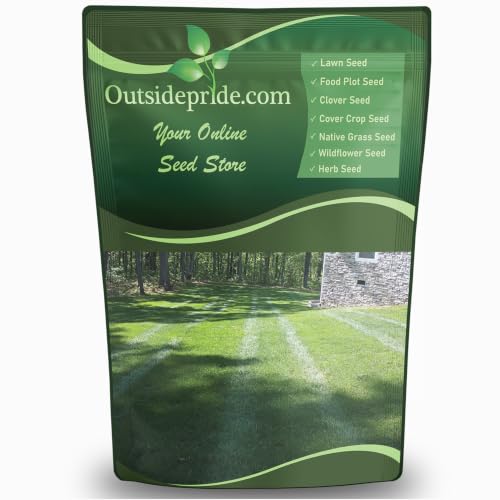
Outsidepride SPF-30 Hybrid Bluegrass Seed 5 lb
A Breakdown Of The Leading Choices
Yards rarely split neatly into full sun and full shade, which is where this Twin City Seed Co. mixture earns its keep. The blend is designed to germinate quickly across a wide light range, from open stretches to denser tree cover, so a typical suburban lot with mixed exposure doesn’t need two separate products.
I think of it as a balanced starter bag for the average homeowner who just wants something to grow. The five-pound size covers smaller patches or an overseeding pass on a modest front yard without committing to a commercial pallet. For most backyards, that’s the sweet spot.
Where It Delivers
- Tolerates anything from full sun to dense shade, useful for yards with shifting light.
- Quick germination, so thin spots fill in faster than with single-species bags.
- Drought-tolerant blend (a mix bred to hold up through dry stretches once established) reduces watering pressure.
- Recommended mowing height of 2 to 4 inches, friendly for homeowners who don’t want a golf-green finish.
- Five-pound bag suits small lawns or targeted overseeding without waste.
Things To Consider
- The blend runs on the generic side, so purists chasing a specific species mix may want something more specialized.
- Owners in deep, dry shade should expect thinner coverage than in partially shaded spots.
- Like most blends, it needs steady moisture during the first few weeks, which can stretch a garden hose.
Feature Snapshot
Right Fit For
Homeowners with mixed light conditions and a typical suburban yard who want one bag that handles both sunny patches and shaded corners.
Look Elsewhere When
The Outsidepride Supreme Kentucky Bluegrass Seed Mix suits shoppers in cooler northern climates who want a finer-bladed, more manicured look.
Shaded lawns often fail because the soil is tired before a single seed touches it. The Eretz cover crop blend steps in as a soil rehab crew: hairy vetch, crimson clover, peas, and white oats, each at roughly a quarter of the mix, working together to fix nitrogen, build organic matter, and crowd out weeds.
I find this useful as a one-season reset before laying down a shaded turf seed. Grown Willamette Valley style and labeled free of fillers and weed seeds, it’s a clean way to prep bare ground rather than a permanent lawn. Think of it as the foundation, not the finished floor.
What It Does Well
- Four-species blend (vetch, clover, peas, oats) tackles soil rebuilding from several angles at once.
- Nitrogen-fixing legumes (plants that pull nitrogen from the air and store it in roots) feed the soil naturally.
- White oats add stem structure, giving the mix something to lean on as it grows.
- No fillers or weed seeds stated, which means cleaner germination for the listed crops.
- Double-purpose: works as green manure, mulch, or erosion control in transitional beds.
Points To Keep In Mind
- Not a finished lawn, so shoppers need to follow up with a turf grass seed.
- Crimson clover and vetch flower and then die back, which looks messy mid-season.
- Needs to be tilled in at the right stage to actually return nutrients, a step beginners sometimes skip.
Best Suited To
Patient gardeners preparing a shaded yard from scratch who want to rebuild tired soil before laying down a turf seed.
Reach For A Different Pick When
The Twin City Sun & Shade Lawn Seed Mix fits shoppers who want to seed the lawn itself, not rehab the soil first.
Kentucky bluegrass brings that soft, fine-bladed look most people picture when they think of a classic lawn. The OptiGrowth-coated seeds in this Outsidepride mix are designed to spread evenly and hold moisture through the early weeks, which matters when germination has to happen in cool, sometimes damp shaded corners.
Cold tolerance is the headline trait, since bluegrass naturally thrives in cooler northern seasons. Compare that to the Twin City bag, which leans toward general flexibility. Here, the goal is a denser, more uniform turf where climate allows.
Positive Points
- Fine blade texture for a soft, traditional lawn surface underfoot.
- OptiGrowth coating with Aquatek absorbent (a moisture-retaining layer) helps seeds survive the early weeks.
- Dark green color gives a more uniform appearance than broader-bladed blends.
- Blends well with ryegrass and fine fescue, handy for partial-shade patching.
- Nutrient-enriched coating (zinc, phosphorus, nitrogen) feeds seedlings as they sprout.
Worth Noting
- Kentucky bluegrass needs patience. Germination can run slower than ryegrass-based mixes.
- Shade tolerance is partial, so heavy tree cover may still leave thin areas.
- Coated seed means heavier bags for the same plant count, which can run through five pounds quickly.
Built With In Mind
Homeowners in northern or transitional climates who want a finer-bladed, cool-season look and can give the lawn a full growing season to fill in.
Not Your Match When
The Outsidepride SPF-30 Hybrid Bluegrass Seed fits shoppers in hotter southern zones where standard Kentucky bluegrass struggles with summer stress.
Tall fescue has deep roots, and that single trait changes how a shaded lawn behaves over time. The Lesco Select blend is a Blue Tag certified product, meaning the seed lot has met verified purity and germination standards, and ships weed-free according to the listing. That matters when a 50-pound bag covers serious square footage.
This is a working bag for serious overseeding or a full new install, not a small patch fix. Application rates land around 4 to 6 pounds per 1,000 square feet for routine overseeding and 8 to 10 pounds for a fresh install, which means the 50-pound bag handles a yard most people only dream about.
A Strong Showing
- Tall fescue’s deep root system (often reaching 2 to 3 feet) helps shaded lawns tap moisture other grasses miss.
- Wear-tolerant, so high-traffic shaded paths don’t bald out as fast.
- Blue Tag certification (an independent seed-quality standard) gives a baseline of verified purity.
- Listed as weed-free, which saves on back-to-back weeding the first season.
- Heat and drought tolerant once established, useful for transitional climates.
Potential Drawbacks
- 50-pound bag is a lot of seed for a small lawn, and storage needs to stay dry.
- Returnable status is limited on this listing, so shoppers should plan quantities carefully.
- Wider blades than Kentucky bluegrass, so the finish reads more utility than formal.
Feature Card
Made For
Homeowners with large shaded lots who want a single bag to overseed or fully establish a tough, deep-rooted fescue lawn.
Skip It When
The Twin City Sun & Shade Lawn Seed Mix suits shoppers with smaller yards who only need a five-pound starter bag.
St. Augustine spreads by stolons, the above-ground runners that root at each node, which is why some homeowners skip seed and go with plugs. Each SodPod is a 3-inch by 3-inch chunk of established Floratam St. Augustine, eight trays of eight for sixty-four total, and once they fill in, mature coverage runs around 144 square feet at an 18-inch spacing.
I think of this as a repair kit, not a full lawn, since plugs take patience while they knit together. The broad, coarse blades create a thick southern-style turf. There’s a real catch though, which I’ll get to in a moment.
Real-World Strengths
- Pre-grown plugs skip the germination gamble of seed.
- Floratam is the classic St. Augustine variety for southern lawns, well-suited to heat.
- Stolon-based spread fills in bare patches once established.
- 144 sq ft coverage at maturity gives a useful patch-repair footprint.
- Broad blades form a thick, lush canopy that handles foot traffic reasonably well.
Honest Caveats
- The listing explicitly states full sun is required, with shade not recommended, which conflicts with a shady-lawn shopping mission.
- Cannot ship to California or Arizona, which rules out shoppers in those states.
- Plugs take weeks to months to fully fill in, so the yard looks spotty during establishment.
Who It Suits Best
Warm-coastal homeowners repairing a sunny patch of an existing St. Augustine lawn who want a faster start than seed provides.
A Better Fit Elsewhere
The Twin City Sun & Shade Lawn Seed Mix is the better choice for shoppers whose yards actually see shade, since this plug product needs full sun.
SPF-30 is a hybrid cross of Texas bluegrass (a warm-season native) and Kentucky bluegrass, designed to stretch bluegrass’s range into hotter southern summers. OptiGrowth-coated seeds carry the same moisture-retaining technology as the Supreme blend earlier in this list, which helps during the establishment stretch.
This is the option for the climate that’s stuck between zones. Where Outsidepride’s Supreme mix prefers cooler northern lawns, SPF-30 handles the long, hot summers of the southern states without going fully dormant.
Noteworthy Benefits
- Texas x Kentucky hybrid (a cross designed for heat tolerance) keeps bluegrass alive through southern summers.
- Drought-tolerant once established, reducing summer watering demand.
- Low maintenance overall, with reduced mowing frequency compared to taller warm-season grasses.
- OptiGrowth coating supports even spread and moisture retention during germination.
- Self-repairing bluegrass traits fill in thin spots without manual overseeding.
Trade Offs
- Still a bluegrass at heart, so deepest, driest shade remains a stretch.
- Hybrid seed pricing typically runs higher than single-species bags.
- Establishment still requires steady moisture for the first several weeks.
Quick Facts
Perfect Match For
Southern and transitional-zone homeowners who want a bluegrass look without losing the lawn every July and August.
Where Another Pick Suits Better
The Lesco Tall Fescue Select Blend Seed fits shoppers with larger lots who need deeper-rooted coverage at scale.
What Matters Most Before Choosing Grass Seeds For Shady Lawns
Reading The Light Honestly
Shade is rarely one shade. Dappled light under a high tree canopy behaves very differently from the dense, cool shade on the north side of a house. Before picking a bag, I tell friends to spend a day watching where direct sun actually lands, since most grass species need at least three to four hours of filtered or direct light to thicken up.
Matching Species To The Site
Fine fescues (creeping red, chewings, hard fescue) handle shade best, while tall fescue brings deeper roots for transitional yards. Kentucky bluegrass and its hybrids prefer cooler climates and partial shade. Picking the wrong species for the region wastes a season, so climate zone matters as much as the canopy overhead.
Buying Enough, But Not Too Much
Application rate is the quiet math behind a successful seeding. Overseeding an existing lawn uses less seed per square foot than a fresh install, and coated products weigh more per plant count. I sketch the lawn, measure square footage, and round up by 10 percent rather than guessing.
Patience With Establishment
Shaded seedings run slower. Steady moisture for the first three to four weeks matters more than any specialty coating. Skipping that step is the single biggest reason a shaded lawn fails before summer ends.
Key Considerations Across These Picks
Pitfalls Shoppers Hit
The most common mistake I see is buying a sunny-lawn mix because it’s familiar, then wondering why the shaded corners never fill in. Another trap is skipping soil prep: shaded ground often has root competition from trees and compacted topsoil, and seeds struggle to establish without aeration or a light top-dressing.
When Paying More Pays Off
The step up from a basic mix to a hybrid or coated seed tends to show up in establishment speed and climate tolerance. For a small patch, the cheaper bag is fine. For a full shaded lawn in a tough climate, the hybrid or coated option is the better long-term play.
Frequently Asked Questions
Can any grass seed grow in full shade?
No grass grows well in deep, year-round shade with zero light. Most species need at least three to four hours of filtered or direct sun to thicken up, with fine fescues performing best in low-light corners.
When is the best time to seed a shady lawn?
Early fall is the sweet spot for cool-season grasses, since soil stays warm while air temperatures drop. Spring works for warm-season species, once soil temperatures rise consistently.
How long does shaded grass seed take to germinate?
Most cool-season blends germinate within 7 to 21 days, while warm-season species can run 14 to 30 days. Shaded spots often run slower than sunny reference points on the same bag.
Do I need to rake or aerate before seeding in shade?
Yes, lightly. Shaded soil compacts faster and competes with tree roots, so a shallow rake or core aeration improves seed-to-soil contact and germination rates noticeably.
Will overseeding fix a thinning shaded lawn?
Often, yes. Overseeding at the recommended rate with a shade-tolerant blend thickens existing turf without tearing it out, and works best in early fall when weeds slow down.
The Takeaway
A shaded lawn rewards the right seed more than any other yard type. Match the species to the actual light and climate, prep the soil honestly, and pick a bag sized to the project. The right choice here turns a stubborn corner of the yard into something that actually grows back every spring.