Lawn mower engines work harder than most people realize, especially during peak mowing season when they run hot for hours at a stretch. Choosing the right 10W-30 oil keeps the internal components sliding smoothly past each other, and that single decision can quietly decide whether your mower starts clean on the first pull next spring or seizes up halfway through July. Most home owners with a residential riding mower or push mower never think about oil specs until something goes wrong. The seven picks below cover common maintenance scenarios, from budget-friendly conventional blends to full synthetic and a factory maintenance kit that bundles the oil with the filters you need.
A Fast Comparison Of The Options

Castrol GTX 10W-30 Conventional Motor Oil, 5 Quarts

Castrol EDGE High Mileage 10W-30 Full Synthetic, 5 Quarts

Castrol EDGE 10W-30 Full Synthetic Motor Oil, 5 Quarts
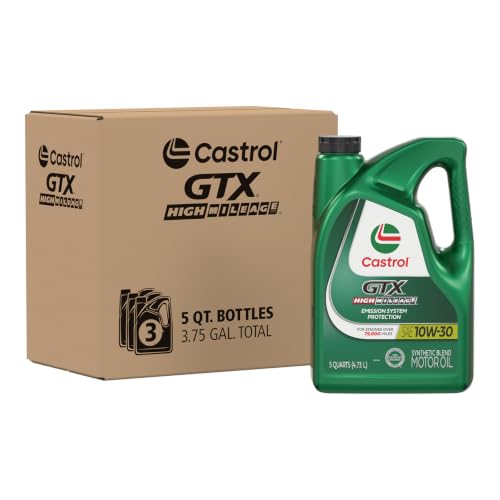
Castrol GTX High Mileage 10W-30 Synthetic Blend 5 Qt, Pack of 3

Valvoline VR1 Racing SAE 10W-30 Motor Oil 1 Qt, Case of 6

Mobil 1 Extended Performance 10W-30 Full Synthetic, 5 Quart

John Deere LG264 Maintenance Kit
A Breakdown Of The Leading Choices
Castrol GTX has lived on store shelves for decades, and for good reason. It is a straightforward conventional 10W-30 (a multigrade oil that flows easily when cold and stays thick when hot) that handles routine mowing without any fuss. The 5-quart jug is sized right for one or two oil changes on a typical residential mower.
For most owners with a push mower or basic riding mower running a single-cylinder Briggs or Kawasaki engine, this oil covers the basics without overcomplicating things. You simply pour it in, run the engine for a minute to circulate, and head back to mowing.
Reasons It Performs
- Wide compatibility with most small-engine manufacturer recommendations calling for 10W-30.
- Conventional base oils handle short mowing sessions and seasonal storage changes reasonably well.
- Five-quart container suits multiple smaller engines in one shop session.
- Trusted brand name that most home owners recognize and feel comfortable buying.
Things To Consider
- Conventional oil breaks down faster than synthetic options during sustained high-RPM mowing.
- Owners commonly report more frequent change intervals in dusty or heavy-grass conditions.
Who It Suits Best
Home owners with a standard residential mower used on a typical suburban lawn who change oil once or twice a season.
Consider Something Else When
If your mower sees long mowing sessions in summer heat, step up to the Castrol EDGE 10W-30 Advanced Full Synthetic Motor Oil, 5 Quarts for better thermal stability.
Castrol EDGE High Mileage sits in a different category than the conventional GTX above. It is a full synthetic (engineered rather than refined, with uniform molecules that resist breakdown longer) blended with seal-conditioning additives aimed at engines with significant hours on the clock. The 5-quart jug fits most residential and light-commercial riding mowers.
Where this oil earns its keep is in older mowers that have begun burning a little oil between changes or showing their age around the valve seals. The additive package helps soften hardened rubber seals and slow further leakage, which can keep a tired engine running another season without intervention.
Strong Points
- Seal conditioners may reduce minor oil seepage in aging single- and twin-cylinder engines.
- Full synthetic base resists thermal breakdown during long, hot mowing sessions.
- Reduces sludge formation that can clog small oil passages in older engines.
Worth Noting
- Priced above the conventional GTX, so the upgrade only makes sense for worn engines.
- Not formulated for flat-tappet racing-style engines where high-zinc content matters more.
Built With In Mind
Owners of riding mowers or zero-turn machines with 75,000 or more engine hours who want to extend service life without a rebuild.
Where Another Pick Suits Better
For a classic Briggs or Kohler flat-tappet engine, the Valvoline VR1 Racing SAE 10W-30 Motor Oil 1 Qt, Case of 6 delivers the zinc-rich protection those older designs crave.
Stepping up from the high-mileage formulation, Castrol EDGE 10W-30 Advanced Full Synthetic is the brand’s mainstream flagship. The emphasis here is on high-temperature stability and clean operation under sustained load, which matters most when a mower is doing serious work on thick, wet grass.
Compared with the GTX conventional oil in Pick 1, this synthetic version keeps its viscosity (its thickness and flow resistance) much more reliably when the engine is pulling hard through tall grass. For owners with larger twin-cylinder engines on commercial-grade residential mowers, that translates into better protection on the hottest afternoons.
Benefits That Matter
- Full synthetic chemistry holds up under sustained high-temperature operation.
- Detergent additives help keep internal components cleaner over the life of the oil.
- Strong wear protection for crankshaft bearings and camshafts during cold starts.
Trade Offs
- Costs more per quart than the GTX conventional option.
- Overkill for low-hour push mowers that never see extended load.
Quick Facts
Right Fit For
Home owners running larger twin-cylinder mowers who push their machines through long weekly sessions during summer.
Skip It When
A basic push mower on a small flat lawn will not benefit from this oil, and the Castrol GTX 10W-30 Conventional Motor Oil, 5 Quarts will handle the workload.
This is the same high-mileage chemistry concept as Pick 2, but delivered as a synthetic blend (part synthetic, part conventional base oils) in a three-jug case. The pack format is the point: most people buying high-mileage oil have a mower that needs regular attention, and running out halfway through a service session is the worst kind of interruption.
You get fifteen quarts total, which covers three full oil changes on a typical riding mower or service for a whole fleet of push mowers at a family property. The blend sits between the GTX conventional option in Pick 1 and the full EDGE synthetic in Pick 3 on price and performance.
Strengths Worth Knowing
- Multi-pack supply eliminates mid-season trips to the store.
- High-mileage seal conditioners help older engines stay tight between changes.
- Synthetic blend gives better heat stability than the straight GTX conventional formula.
Minor Gripes
- Heavier and bulkier to store than single jugs in a small garage.
- Blend chemistry is a step below the full EDGE synthetic for thermal endurance.
Made For
Rural property owners with multiple mowers or a single riding mower that burns through oil on a fixed spring-and-fall schedule.
Not Your Match When
If you only need a single change at a time, the standalone Castrol EDGE High Mileage 10W-30 Full Synthetic, 5 Quarts is a more flexible buy.
Valvoline VR1 is a different animal from the rest of this list. It is a racing-oriented 10W-30 with elevated zinc and phosphorus levels, designed for engines that use flat-tappet (block-style) lifters rather than roller designs. The case-of-six single-quart bottles is the standard format for this product.
For most modern overhead-cam mower engines, this oil is the wrong tool. But for a vintage Briggs, a Kohler K-series, or any classic small-block pattern with flat lifters, the high-zinc content provides the boundary lubrication those older valvetrain geometries need at high RPM.
Advantages To Know
- High zinc and phosphorus protect flat-tappet lifters from premature wear.
- Single-quart bottles fit neatly on a small shop shelf without taking up bulk space.
- Six-pack format covers multiple services on a fleet of small engines.
Room For Improvement
- Not suited for engines with catalytic converters or modern emissions equipment.
- Per-quart cost runs higher than typical passenger-car 10W-30 products.
Feature Snapshot
Best Suited To
Restorers and collectors of vintage lawn tractors and small engines running flat-tappet valvetrains that demand zinc-rich protection.
Reach For A Different Pick When
For any modern overhead-cam mower engine, the Castrol EDGE 10W-30 Full Synthetic Motor Oil, 5 Quarts is the cleaner and more compatible choice.
Mobil 1 Extended Performance is the longest-drain synthetic in this roundup. It is engineered to maintain protective properties over extended service intervals, which matters when the goal is fewer oil changes across a long mowing season. The 5-quart jug matches the format of the other synthetic picks.
What separates this oil from the Castrol EDGE in Pick 3 is the additive balance. Mobil leans into a Triple Action Plus formula that focuses on cleanliness, wear protection, and oxidation resistance, which is the chemistry that lets the oil stay in the crankcase longer without breaking down.
Useful Highlights
- Designed for extended drain intervals, reducing the number of mid-season changes.
- Excellent oxidation resistance keeps the oil stable through hot summer mowing.
- Strong wear protection during cold spring starts when most bearing damage occurs.
Points To Note
- Sits at the higher end of the price range on this list.
- Extended drain capability is wasted on a mower that is serviced annually regardless.
Feature Rundown
Who Should Grab It
Owners who log serious hours each summer and want one quality oil change to last the entire season without worry.
A Better Fit Elsewhere
For a smaller push mower with short weekly sessions, the Castrol GTX 10W-30 Conventional Motor Oil, 5 Quarts is the more economical fit.
The John Deere LG264 Maintenance Kit is a different category altogether from the standalone oils above. It bundles two bottles of 10W-30 oil with the oil filter, fuel filter, air filter, pre-filter, and two spark plugs needed for a full annual service on compatible John Deere 100-Series lawn tractors and select Ztrak mowers.
For owners of those specific machines, this kit removes the guesswork. Instead of cross-referencing part numbers and hoping the filter fits, everything arrives in one box, and the included oil meets the manufacturer weight recommendation out of the box.
The Practical Payoff
- All-in-one package eliminates the need to track down individual filters and plugs.
- Includes OEM-spec oil, oil filter, fuel filter, air filter, pre-filter, and two spark plugs.
- Designed specifically for John Deere 100-Series and certain Ztrak mower models.
- Simplifies annual service into a single purchase decision.
Softer Spots
- Compatibility is limited to specific John Deere model ranges listed in the kit description.
- Not interchangeable with non-John Deere mowers or with 100-Series units outside the listed serial range.
Quick Technical Notes
Whose Shelf It Belongs On
John Deere 100-Series owners who want one boxed kit covering everything needed for a spring or fall service.
Swap It Out When
If your mower is not on the supported list, skip this kit and grab the Castrol GTX 10W-30 Conventional Motor Oil, 5 Quarts with separate filters.
Matching 10W-30 Oil To Your Mower Type
The first decision is whether your engine needs conventional, synthetic blend, or full synthetic oil. Conventional oils like the GTX base formulation work well on low-hour residential mowers that get a seasonal oil change. Synthetic options cost more per quart but hold viscosity (their measured thickness at a given temperature) longer under heat, which matters during extended mowing in thick summer grass.
Engine age matters just as much as engine size. Mowers over 75,000 engine hours usually benefit from a high-mileage formulation with seal conditioners that soften hardened gaskets. Vintage flat-tappet engines (older designs where lifters slide directly against the camshaft) need the high-zinc protection found in racing-grade oils rather than modern low-phosphorus formulas.
Container size and format are practical rather than chemical choices. A single 5-quart jug fits a typical riding mower drain. A case of single quarts makes sense for owners servicing multiple machines, while an all-in-one maintenance kit eliminates the need to match filters and plugs separately. Match the format to how many oil changes you actually do per year.
Finally, always check the operator’s manual. Some mowers, especially newer zero-turn units, specify a particular service category or viscosity outside the standard 10W-30 recommendation. When in doubt, follow the manufacturer’s listed oil specification exactly.
Key Considerations Across These Picks
Pitfalls Shoppers Hit
The most common mistake is buying automotive motor oil and pouring it straight into a mower without checking the service category. Small-engine oils are formulated differently from car oils, and using the wrong one can shorten engine life. Another frequent slip is ignoring the owner’s manual viscosity recommendation and choosing whatever is on sale.
Storage also catches people off guard. An open jug of oil sitting in a hot garage for two seasons loses its protective additives long before it runs dry. Buying more than you can use in a year or two usually wastes money rather than saving it.
Where The Extra Money Goes
The price gap between conventional and full synthetic 10W-30 reflects real differences in base oil quality and additive packages. Synthetic oil starts with engineered molecules that resist heat breakdown, while conventional oil relies on refining crude stock. For a mower that runs hot for hours each week, that chemistry translates into cleaner internals and longer drain intervals.
Premium blends also include better detergent and anti-wear additives, which keep sludge from forming in tight oil passages. Owners who log serious mowing hours each year typically recoup the higher upfront cost through fewer oil changes and a longer engine life, while occasional users rarely notice the difference.
Frequently Asked Questions
Can I use 10W-30 car oil in my lawn mower?
Most modern 10W-30 car oils work in mower engines calling for that viscosity grade, as long as the oil carries a current API (American Petroleum Institute) service rating. Check the operator’s manual first, since some small engines require specific small-engine formulations.
How often should I change 10W-30 oil in a mower?
For conventional oil, most manufacturers recommend a change every 25 to 50 hours of operation or once per season, whichever comes first. Full synthetic oils can often stretch to 100 hours, but always follow the intervals listed in your machine’s manual.
What happens if I use the wrong oil viscosity in my mower?
Oil that is too thick can starve moving parts of lubrication during cold starts, while oil that is too thin loses its protective film at operating temperature. Both scenarios accelerate wear on bearings, camshafts, and piston rings.
Do I need high-mileage oil for an older mower?
Mowers with significant engine hours, or units that show minor oil seepage around seals, often benefit from a high-mileage blend with seal conditioners. Newer or low-hour machines rarely need this additive chemistry.
Is synthetic blend better than conventional oil for mowers?
Synthetic blends offer better heat stability and longer drain intervals than conventional oil, but the cost difference only pays off on machines that log meaningful hours each season. Occasional users typically see no practical difference.
Closing Remarks
The right 10W-30 oil for your mower comes down to engine age, workload, and how often you want to service it. Conventional oil handles the basics, synthetic blends stretch the season, full synthetics shrug off heat, and specialty racing oils protect older flat-tappet valvetrains. Pick the option that matches how your mower actually gets used, and your engine will quietly reward you with more seasons of clean starts.