A beat-up mower that won’t start on a Saturday morning has a way of souring the whole weekend. I’ve been there, yanking a cord until my shoulder aches, watching the grass get taller while I argue with a carburetor. The good news: battery technology has caught up with gas for most home yards, and the cordless options below handle weekly cuts without the fuel, oil changes, or noise. This list compares eight walk-behind mowers from reputable brands, including one genuine gas model for shoppers who need that specific power source. Every pick fits a different yard, budget, and strength level.
How The Shortlist Stacks Up

Greenworks 80V 21in Push Lawn Mower with 4.0 Ah Battery
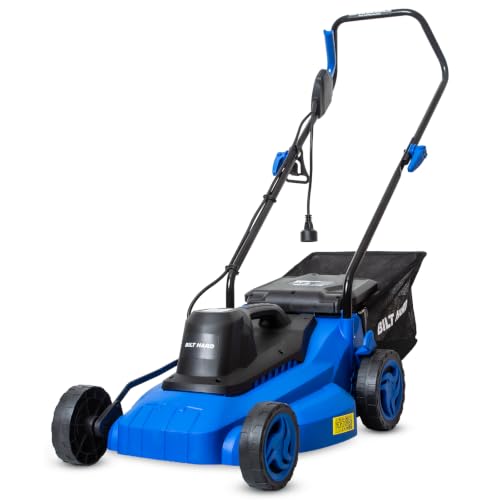
BILT HARD 15″ Corded Electric Lawn Mower 11A

EGO POWER+ 21″ Self-Propelled Cordless Mower LM2114SP

Casince 17in Cordless Walk-Behind Lawn Mower

EGO Power+ 21″ Cordless Push Mower LM2112

PowerSmart 22-Inch 170cc Self-Propelled Gas Mower

Makita DLM330Z 18V LXT Cordless Lawnmower

EGO Power+ 21″ Self-Propelled Mower LM2123SP-2
What Each Pick Brings To The Table
The Greenworks 80V sits in a comfortable middle ground for suburban homeowners who want cordless convenience but won’t compromise on cutting width. A 21-inch steel deck covers ground quickly, and the brushless motor (a design with no carbon brushes, so it generates less friction and tends to last longer than brushed motors) delivers quiet operation that won’t wake the neighbors at 7 a.m. The single-lever height adjustment is a small but real quality-of-life win: one pull moves all four wheels together instead of fiddling with each corner.
For most medium yards under a quarter acre, this mower handles weekly cuts without breaking a sweat. The included 4.0Ah battery (amp-hours, a measure of how much energy the pack stores) and rapid charger get the deck back in action fast. Where the Greenworks 80V really earns its keep is in storage: vertical folding keeps it tucked against a garage wall.
A Few Highlights
- Brushless motor runs quieter and lasts longer than brushed alternatives
- 21-inch deck finishes a typical suburban lot in roughly 30 to 40 minutes
- Single-lever height adjustment saves time versus four-corner setups
- Vertical storage footprint fits tight garage corners
- Rapid charger refills the 4.0Ah pack quickly between sessions
Things To Consider
- Runtime varies with grass thickness and terrain, so dense spring growth may force a mid-cut charge
- Push-only design means slopes demand more leg effort than self-propelled picks
Feature Snapshot
Made For
Suburban homeowners with flat, medium-sized yards who want quiet, low-maintenance cordless operation.
Consider Something Else When
Shoppers managing sloped terrain should look at the EGO POWER+ 21″ Self-Propelled Cordless Mower LM2114SP, which adds rear-wheel drive for easier hill work.
The BILT HARD 15-inch mower is built for tiny lawns where maneuverability matters more than raw width. A 15-inch cutting deck slips between narrow garden beds and tight side yards that swallow bigger machines, and the 11-amp motor spinning at 3300 RPM (revolutions per minute, indicating how fast the blade turns) handles typical bluegrass and fescue without bogging down. The foldable handle is a thoughtful touch for apartment dwellers and townhouse owners storing the mower in a closet or under a workbench.
Because it’s corded, runtime is unlimited as long as an outdoor outlet and extension cord are within reach. That tradeoff is worth understanding: you trade battery anxiety for cable management, which is a real consideration around trees and landscaping. For backyards under 1,500 square feet with a reachable outlet, the trade often pays off.
A Favorable Mix
- 15-inch deck maneuvers through narrow side yards and tight corners
- Corded power means no charging downtime mid-mow
- Five height positions from 1 to 3 inches suit most lawn types
- 35L collection bag keeps clippings contained for tidy finishes
Worth Noting
- Cord limits reach and demands awareness around obstacles and bystanders
- Smaller deck means more passes on larger lawns
- Extension cord is not included, so factor that into setup
Who It Suits Best
First-time homeowners and renters with small, flat lawns under 1,500 square feet who already have an outdoor outlet nearby.
Look Elsewhere When
Anyone mowing a quarter acre or more, or working far from an outlet, should reach for the Casince 17in Cordless Walk-Behind Lawn Mower instead.
EGO’s 21-inch self-propelled mower is the cordless machine I’ve seen recommended most often for homeowners who refuse to compromise on cut quality. A brushless motor pushes out 6.0 foot-pounds of cutting torque, a measurement of rotational force, which rivals small gas engines and handles tall, damp grass that would stall weaker electrics. The dual-lever self-propel system lets operators engage drive with either hand, and a speed dial on the control panel adjusts pace without bending down.
Where this EGO earns its reputation is on hills. Self-propelled rear-wheel drive takes the legwork out of slopes, freeing up attention for clean cutting lines along edges and beds. For someone upgrading from a basic corded push mower to a serious cordless system, this LM2114SP feels like the natural step without crossing into the heavier 600-series EGO line.
Points In Its Favor
- Self-propel drive makes slope work far less tiring
- 6.0 ft-lbs of torque handles thick, overgrown patches
- Dual-lever engagement works for left- or right-handed operators
- Brushless motor extends service life over brushed designs
Trade Offs
- Heavier than push-only cordless mowers, which matters on stairs
- Premium positioning sits above entry-level cordless budgets
Feature Card
Best Suited To
Homeowners with sloped or uneven mid-size lawns who want cordless convenience without sacrificing torque.
Swap It Out When
Shoppers with mostly flat terrain and tighter budgets will find the Greenworks 80V 21in Push Lawn Mower with 4.0 Ah Battery a capable, lighter alternative.
Casince punches above its weight in the budget cordless category. A 17-inch deck splits the difference between compact 15-inch mowers and full 21-inch residential decks, and six height settings from 1 to 3 inches offer finer tuning than many rivals. The real hook is the dual-battery setup: two 20V packs running in parallel stretch runtime up to roughly 40 minutes, enough to cover about 5,380 square feet on a single charge under light conditions.
For shoppers who don’t need self-propulsion or premium brand cachet, this mower handles the basics competently. It folds for upright storage, weighs less than heavier EGO models, and gets the lawn done without ceremony. In my view, it lands in the sweet spot for someone moving up from a reel mower or replacing an aging corded unit.
What Pays Off
- Dual 20V batteries extend runtime beyond single-pack competitors
- Six height settings offer more flexibility than five-position decks
- 17-inch width balances maneuverability with cutting efficiency
- Folding handle enables vertical storage in tight spaces
Honest Caveats
- Brand recognition lags behind Greenworks and EGO in service networks
- Runtime figures assume light cutting conditions
- No self-propel, so larger lawns require steady pushing
Right Fit For
Budget-conscious homeowners with small to mid-size flat lawns who want genuine cordless freedom without paying premium prices.
Another Choice May Suit
Someone prioritizing long-term brand support and proven durability should consider the EGO Power+ 21″ Cordless Push Mower LM2112 instead.
The LM2112 strips the self-propelled hardware off its bigger sibling and delivers the same 6.0 ft-lbs of torque in a lighter, simpler package. EGO’s 56V ARC Lithium battery system has matured into one of the more reliable cordless platforms on the market, and the included 4.0Ah pack powers up to 35 minutes of cutting in typical conditions. For flat suburban lots where self-propel isn’t necessary, this trimmer-style push mower feels easier to handle than heavier models.
The trade-off is straightforward: no drive assist means more effort on grades, but you save weight, complexity, and cash. Anyone already invested in EGO’s 56V tool ecosystem benefits from battery interchangeability across trimmers, blowers, and chainsaws. That’s a quiet but real long-term ownership perk.
Strengths Worth Knowing
- 6.0 ft-lbs of torque matches the self-propelled LM2114SP
- Compatible with EGO’s wider 56V tool battery ecosystem
- Brushless motor reduces vibration and extends motor life
- Lighter than self-propelled alternatives for easier handling
Points To Keep In Mind
- Push-only design demands more effort on slopes
- 35-minute runtime suits small to mid yards but not large lots
Who Should Grab It
Homeowners with flat suburban lawns under a quarter acre who already use or plan to buy other EGO 56V tools.
Reach For A Different Pick When
Shoppers managing hilly terrain will find the EGO POWER+ 21″ Self-Propelled Cordless Mower LM2114SP better suited to their yard.
For shoppers who genuinely need gas power, the PowerSmart 22-inch is the lone true gas mower in this lineup. A 170cc OHV engine (overhead valve, a design that improves fuel efficiency and reduces carbon buildup compared to side-valve engines) drives a wide 22-inch steel deck, the widest cut on this list, through thick fescue and tall weeds that would challenge most cordless competitors. Rear-wheel self-propel delivers traction on slopes and uneven ground, and the recoil start with auto choke keeps the startup procedure simple.
Compared with the cordless options above, this mower requires fuel, oil changes, and seasonal storage care. That’s the trade anyone considering gas accepts in exchange for unlimited runtime and high-torque cutting. For a half-acre-plus yard with rough terrain, the PowerSmart earns its place on this list.
Useful Highlights
- 170cc OHV gas engine handles thick grass and overgrown patches
- 22-inch steel deck covers ground faster than 21-inch alternatives
- Rear-wheel self-propel improves traction on slopes
- Auto choke simplifies cold-start procedure
Practical Considerations
- Gasoline and oil maintenance add ownership effort versus cordless
- Louder operation may bother close neighbors during early sessions
- Heavier than electric equivalents, requiring more storage strength
Quick Facts
Built With In Mind
Homeowners with large, rough, or sloped yards who need continuous runtime and high torque without battery limitations.
A Better Fit Elsewhere
Anyone with a small flat lawn under a quarter acre should consider the Greenworks 80V 21in Push Lawn Mower with 4.0 Ah Battery to skip fuel and oil maintenance entirely.
The Makita DLM330Z lands in a unique spot: it’s a bare-tool cordless mower aimed squarely at tradespeople and serious DIYers already running Makita’s 18V LXT platform. A 330mm cutting width (roughly 13 inches) is the smallest deck in this roundup, but soft-start electronics and a 4,300 RPM blade speed deliver clean cuts on small lawn patches. The 3-in-1 function lets operators choose between bagging, mulching (returning finely chopped clippings to the lawn as natural fertilizer), or side discharge, which is rare in this size class.
The catch is obvious: batteries and charger aren’t included. That drops the upfront cost dramatically, but only matters if LXT packs are already on the shelf. For anyone running Makita drills, impact drivers, or saws from the same lineup, this mower slots into an existing ecosystem without adding another charger to the workbench.
Key Advantages
- Shares batteries with Makita’s extensive 18V LXT tool lineup
- 3-in-1 function: bag, mulch, or side discharge
- Compact 330mm deck navigates tight spaces other mowers can’t reach
- Soft-start motor reduces jerky startup wear
Less-Strong Areas
- Smaller deck means significantly more passes on larger lawns
- Batteries and charger sold separately
The Right Fit
Makita tool owners with small lawns who want a cordless mower that integrates with their existing battery system.
Where Another Pick Suits Better
Anyone without existing Makita batteries should consider the Casince 17in Cordless Walk-Behind Lawn Mower, which ships with everything needed to start mowing.
The LM2123SP-2 represents EGO’s 600 series, and the upgrade is genuinely felt in the controls. Touch Drive self-propel technology replaces the conventional lever with a pressure-sensitive grip: push harder, go faster. That intuitive response makes pace adjustments feel natural instead of mechanical, and the included 6.0Ah and 4.0Ah batteries stretch runtime up to 80 minutes under light conditions, enough for most suburban lots on a single charge.
Like the LM2114SP earlier in this list, this model delivers 6.0 ft-lbs of cutting torque that handles tall grass without bogging. Where it differs is in refinement: the touch-drive system, longer total runtime, and dual-battery configuration push the price higher. For larger yards where the extra runtime and finer control justify the spend, this is the cordless machine I’d point toward.
Positive Takeaways
- Touch Drive self-propel responds intuitively to grip pressure
- Up to 80 minutes of runtime with included dual batteries
- 6.0 ft-lbs of torque matches smaller gas engines
- Brushless motor extends service intervals over brushed designs
- Premium build quality shows in fit, finish, and control feel
Factors To Consider
- Premium pricing puts it above entry-level cordless budgets
- Heavier than push-only mowers, making stairs a two-person job
- Runtime figures assume light cutting conditions
Feature Rundown
Whose Shelf It Belongs On
Homeowners with larger yards up to three-quarters of an acre who want premium cordless performance without gas engine maintenance.
Skip It When
Shoppers with smaller flat lawns under a quarter acre will find the EGO Power+ 21″ Cordless Push Mower LM2112 offers similar torque at a friendlier price point.
What To Weigh Before Choosing A Cordless Or Gas Mower
The shift from gas to battery has reshaped what shoppers should evaluate. Three attributes matter more than any others: deck size relative to lawn area, power source and runtime, and physical handling.
Match Deck Size To Yard Square Footage. A 15-inch deck works well for lawns under 1,500 square feet, where maneuverability outweighs speed. For yards between 1,500 and 5,000 square feet, a 17- to 21-inch deck is the practical sweet spot. Anything larger than a quarter acre benefits from the widest deck available, ideally 21 inches or more.
Decide Between Cordless And Corded Power. Corded mowers like the BILT HARD offer unlimited runtime but tether the operator to an outlet. Cordless models run on battery packs and trade runtime for freedom. For most suburban yards under a quarter acre, modern 56V to 80V battery systems provide enough runtime to finish a typical cut.
Account For Slope And Terrain. Flat lawns reward lightweight push mowers. Sloped or uneven yards call for self-propelled rear-wheel drive, which preserves energy for steering and cutting rather than pushing. Heavier self-propelled mowers can also be harder to store or carry up basement stairs.
Slip Ups Worth Dodging And Where Premium Money Goes
Traps First Timers Fall Into
A common misstep is buying the widest deck available without measuring storage space. A 22-inch mower that won’t fit through the shed door or stands upright in the garage corner isn’t a bargain. Another frequent error: underestimating how much runtime matters. Most cordless mowers quote their longest runtime figure under ideal conditions, which is light, dry grass on flat ground. Spring growth and damp conditions cut that figure significantly. Shoppers with dense or irrigated lawns should size up to a model with extended runtime or a swappable second battery.
Where The Extra Money Goes
Stepping up to a premium tier typically buys three things: brushless motors, self-propel systems, and integrated battery ecosystems. Brushless motors last longer and run cooler than brushed designs. Self-propel eliminates fatigue on slopes. Integrated platforms, like EGO’s 56V or Makita’s 18V LXT, let one set of batteries power a trimmer, blower, or chainsaw, which lowers the lifetime cost of owning multiple outdoor tools. For casual users mowing a small flat yard, those upgrades matter less. For larger properties or anyone replacing multiple gas tools, the premium math often works out in the long run.
Frequently Asked Questions
Are cordless lawn mowers powerful enough for thick grass? Modern 56V to 80V cordless mowers with brushless motors produce torque comparable to small gas engines, handling typical thick grass without bogging. Dense, wet, or overgrown patches may still demand slower cutting speeds or multiple passes.
How long does a cordless mower battery last per charge? Most residential cordless mowers deliver 30 to 60 minutes of runtime per charge under typical conditions. Premium models with dual batteries can extend that to 80 minutes. Real-world runtime depends on grass thickness, terrain, and cutting height.
Can a cordless mower replace a gas mower entirely? For most suburban lots under three-quarters of an acre, yes. Battery systems have matured enough to handle weekly cutting without fuel, oil changes, or engine maintenance. Larger properties with very thick grass may still benefit from gas torque.
What maintenance does a cordless mower need? Cordless mowers need blade sharpening once or twice per season, occasional underside cleaning to prevent grass buildup, and battery storage in moderate temperatures. There’s no oil to change, no spark plugs, and no fuel stabilizer required.
Is a self-propelled mower worth the extra cost? For flat lawns under a quarter acre, push mowers work fine. For sloped or uneven terrain, self-propel reduces fatigue noticeably and improves cut quality by letting operators focus on steering rather than pushing.
Closing Remarks
Choosing the right mower comes down to honest yard assessment: size, slope, grass type, and storage space. The eight picks above cover most home scenarios, from compact corded units for tiny lawns to self-propelled cordless systems for larger properties, with one genuine gas option for those who need it. Pick the machine that fits the yard rather than the yard that fits the machine, and the Saturday morning mowing routine gets a lot easier.