There’s nothing worse than pulling the mower out for the first spring cut, hitting the ignition, and getting nothing but a click. A tired battery is the most common reason a perfectly good riding mower refuses to start, and swapping it for a fresh AGM unit (that’s Absorbent Glass Mat, a sealed lead-acid design that resists vibration and holds charge longer than a flooded battery) gets most machines turning over again without drama. I put together this list for homeowners with small-to-mid-size yards who want a no-fuss replacement that fits the common U1 battery tray used by John Deere, Cub Cadet, Craftsman, Toro, and Troy-Bilt tractors.
A Closer Look At The Lineup

WEIZE Lawn Garden AGM Battery 12V 300CCA BCI Group U1

WEIZE Lawn Garden AGM Battery 12V 200CCA BCI Group U1
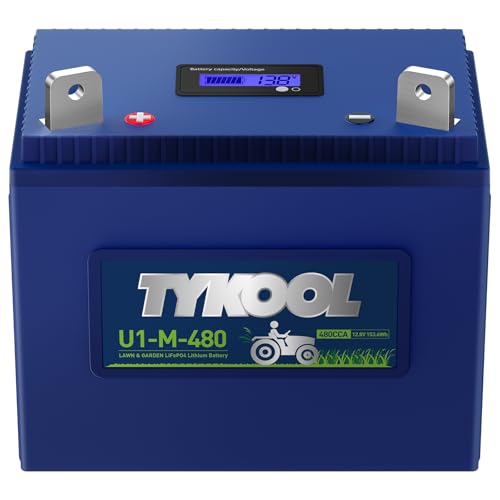
TYKOOL 480CCA Group U1 Lithium LiFePO4 Lawn Mower Battery

WEIZE Lawn Garden AGM Battery 12V 350CCA BCI Group U1

Mighty Max ML-U1-CCAHR 12V 320CCA Lawn Tractor Battery
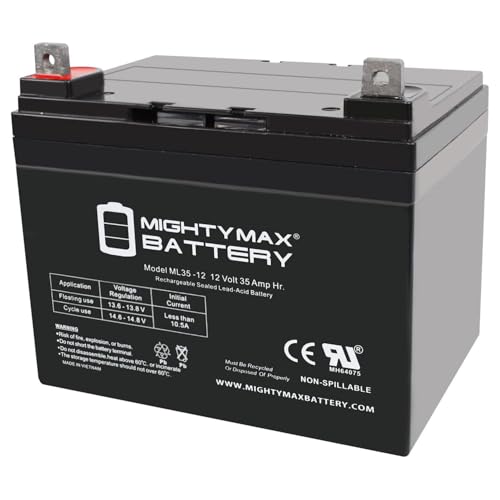
Mighty Max 12V 35Ah John Deere Lawn Tractor Battery
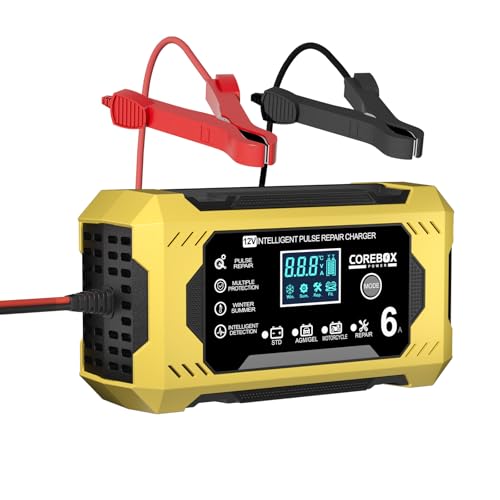
Corebox 6-Amp 12V Smart Battery Trickle Charger
More On The Choices That Made The List
The WEIZE 12V 300CCA sits in the comfortable middle of the U1 AGM range, delivering enough cranking power for most residential riding tractors without overspending on capacity a typical homeowner won’t use. The footprint matches the common BCI Group U1 tray found across John Deere, Cub Cadet, Craftsman, and Toro machines, so installation is usually a drop-in swap once the hold-down bracket is loosened.
For a yard that gets cut weekly from April through October, the 300 CCA figure is more than adequate, and the sealed AGM construction means no topping off with distilled water or worrying about acid spills on the garage floor. Compared with the lighter 200CCA option, you get noticeably more headroom for cold mornings and accessories like headlights.
Noteworthy Benefits
- 300 cold cranking amps handles most mid-size engines even at lower temperatures
- Sealed AGM design lets the unit sit in any orientation without leaking
- Standard U1 footprint fits the tray on popular residential tractors
- Resists vibration better than flooded batteries, useful on rough terrain
- Low self-discharge means a longer shelf life if the mower sits for a few weeks between cuts
Things To Consider
- Hazardous-materials shipping rules mean it can’t be returned once opened
- Positive terminal sits on the left, so double-check clearance against existing cables before ordering
Who It Suits Best
Homeowners running a typical 42- to 54-inch riding mower through three or four seasons of weekly cuts.
Consider Something Else When
Owners who store equipment in an unheated shed through freezing winters may prefer the TYKOOL 480CCA for its extra cold-start punch.
The 200CCA sibling is the entry point of the WEIZE U1 AGM lineup, aimed at smaller engines on flat, easy-to-cut lawns where every extra cranking amp is overkill. Physically it shares the same 7.68- by 5.12-inch case as the 300 and 350 versions, so the same hold-down fits without modification.
For someone mowing a quarter-acre lot in mild spring weather, this battery is more than enough to spin the starter every time, and the sealed SLA construction (Sealed Lead Acid, a maintenance-free variant of AGM) keeps the installation tidy. Where it shows its limits is on the first chilly morning of the year, when a small engine benefits from extra cranking headroom.
Useful Highlights
- Lowest-cost AGM option in this WEIZE lineup, appealing for tight budgets
- Same U1 dimensions as the higher-CCA models, simplifying fit checks
- Sealed case requires zero routine maintenance
- 30-day return window offered through the retailer
Trade Offs
- 200 CCA may feel underpowered for larger twin-cylinder tractors
- Heavy at roughly 21.5 pounds, which matters when lifting into a deep battery well
- Cold-weather cranking suffers compared with the 300 and 350 versions
Right Fit For
Homeowners with a single-cylinder riding mower used mostly on flat, warm-season lawns.
Reach For A Different Pick When
Cold-storage owners should look at the WEIZE 350CCA instead, which delivers more starting energy on frosty mornings.
The TYKOOL is the only lithium entry in this lineup, and it changes the ownership calculus in two ways: it weighs a fraction of the lead-acid options, and it uses LiFePO4 chemistry (lithium iron phosphate, known for long cycle life and thermal stability) rated for thousands of charge cycles rather than a few hundred. The 480 CCA rating is the highest here, aimed at mid-size tractors and anyone cutting through the last cold mornings of the season.
For a homeowner tired of dragging a heavy lead brick out of a tight battery compartment, the lighter case is a real-world quality-of-life upgrade. The trade-off shows up at the register, since lithium chemistries cost more upfront than AGM, and you’ll want to confirm your charger is lithium-compatible before installing.
Practical Pluses
- Highest cranking output in this lineup at 480 CCA
- Significantly lighter than any AGM option in the same U1 footprint
- Long cycle life suits frequent mowing or commercial-style use
- Stable output through deep discharges, so voltage stays strong as the battery drains
Worth Noting
- Costs more than AGM equivalents, which may not pencil out for occasional users
- Not a drop-in replacement for chargers that lack a lithium mode
Built With In Mind
Owners with mid-to-large tractors in regions where spring arrives cold and stays unpredictable.
Look Elsewhere When
Budget-focused shoppers should consider the WEIZE 200CCA, which handles small engines at a friendlier cost.
The 350CCA version is the top of the WEIZE AGM family, delivering the strongest starting punch of the three lead-acid siblings. It shares the same 7.68-inch length and standard U1 footprint as the 200 and 300 variants, so swapping between them requires no bracket changes.
Where this battery pulls ahead is in the first few seconds of cranking on cold or stubborn engines. A twin-cylinder tractor with a bit of wear on the starter motor tends to appreciate the extra reserve, and you’ll find the 350 spec gives meaningful headroom for any accessory loads running off the same battery.
Useful Strengths
- 350 CCA outranks the 200 and 300 versions for cold starts
- Same sealed AGM construction means no acid spills in the battery tray
- Direct fit for standard U1 trays in popular residential mowers
- Drop-in upgrade path for owners replacing an under-spec battery
Honest Caveats
- Ships under hazardous-materials rules, so returns aren’t accepted once opened
- Heavier than the lower-CCA siblings at about 21.45 pounds
Perfect Match For
Owners of larger twin-cylinder tractors who cut thick grass and occasionally mow early in the season.
Swap It Out When
Owners wanting the lightest possible upgrade should consider the TYKOOL 480CCA lithium option.
Mighty Max’s ML-U1-CCAHR brings 320 cold cranking amps in a slightly more compact 7.62- by 5.00-inch case, which is helpful when the factory tray is a tight fit. The sealed AGM chemistry tolerates a wide range of operating temperatures, so a mower kept in an unheated garage through winter is less likely to leave you stranded on the first spring start.
The package includes the battery and mounting screws only, so plan on reusing your existing wire harness and bracket. For Craftsman 25780 riders and similar machines, this swap is one of the cleanest drop-in replacements in this category.
Well-Handled Touches
- 320 CCA balances strong cranking with a more compact footprint than competing U1 units
- AGM chemistry recovers from deep discharge better than flooded batteries
- Shock and vibration resistance suits rough yard work
- Mountable in any position, which helps in tight or oddly shaped trays
Room For Improvement
- Wire harness and mounting accessories are not included
- Documentation with the unit is minimal, so verify terminal layout before bolting up
Best Suited To
Owners of compact Craftsman and similar tractors who need a tight-fitting AGM replacement.
Not Your Match When
Homeowners with larger decks may prefer the Mighty Max 35Ah unit, which offers more reserve capacity for accessory loads.
Where the CCA-focused batteries are built for a quick spin of the starter, this Mighty Max 35Ah unit leans the other way, offering more amp-hour capacity for steady accessory draw and recovery after long sits. It’s listed as a direct replacement for John Deere lawn tractors and riding mowers in the 100-series, including the popular 108 model.
The 7.76- by 5.12-inch case fits the standard U1 envelope, so bracket hardware carries over from the original battery. For an older mower that the original equipment battery has finally given up on, this is the kind of replacement that brings back reliable starting without forcing a trip to the dealer.
Notable Upsides
- 35Ah rating delivers stronger reserve than the CCA-focused AGM picks
- Direct-fit replacement for John Deere 100-series tractors
- Sealed AGM design supports mounting in any position
- Recovers well from deep discharge cycles over its service life
Points To Keep In Mind
- Packaging includes only the battery and screws, not the harness
- Heavier than the lithium option if weight matters in your tray
Made For
John Deere 100-series owners who want a direct replacement without sourcing a separate part number.
A Better Fit Elsewhere
Owners prioritizing cold-cranking amps should choose the WEIZE 350CCA, which is tuned harder for starter loads.
The Corebox isn’t a battery at all, but it belongs in any conversation about keeping a mower battery healthy through the off-season. It’s a 6-amp automatic charger, maintainer, and desulfator (a device that breaks down sulfate crystal buildup on battery plates, which extends usable life) designed for the long winter layup when a battery typically loses charge sitting unused.
The temperature-compensation feature adjusts output for hot or cold storage conditions, which matters in an uninsulated shed where the garage swings from freezing in January to 90 degrees in July. For someone who stores the mower from November through March, a smart maintainer pays for itself by avoiding one replacement battery.
A Few Strong Suits
- Combines charger, maintainer, and desulfator in a single unit
- Temperature compensation adjusts output for seasonal storage swings
- Works on cars, trucks, motorcycles, marine batteries, and lawn mower packs
- Eight charging protections reduce the risk of damage if left connected long-term
Soft Spots
- Not a replacement for a battery, only a companion product
- Confirm compatibility before connecting to lithium batteries like the TYKOOL unit
Whose Shelf It Belongs On
Homeowners who park the mower for months at a stretch and want a reliable battery waiting in spring.
Where Another Pick Suits Better
Anyone whose battery is already beyond recovery should skip the charger and start with the WEIZE 300CCA.
What To Weigh Before Picking An AGM Lawn Mower Battery
Cold Cranking Amps Versus Amp Hours
CCA measures how much current a battery can deliver for 30 seconds at 0°F, which is what matters most on a frosty first start. Amp hours (Ah) describe how long the battery can run a load before dropping to a cutoff voltage, useful for accessory-heavy setups. Most residential mowers prioritize CCA, while tractors with electric PTO clutches or work lights lean on Ah.
Tray Dimensions And Terminal Layout
The BCI Group U1 standard covers most riding mower batteries, but small differences in length and terminal placement can complicate a swap. Always measure the existing battery and check whether the positive terminal sits on the left or right, since reversing polarity can damage the electrical system.
AGM Versus Flooded Versus Lithium
AGM batteries are sealed, maintenance-free, and tolerant of vibration, which is why most replacements on the market lean AGM. Flooded batteries cost less but require periodic water top-ups and venting. Lithium options like the TYKOOL weigh less and last more cycles, but cost more upfront and need a compatible charger.
Maintenance And Storage Habits
Storing a mower in a cold garage through winter drains any battery. A smart trickle charger like the Corebox extends battery life by keeping the voltage topped up, especially during multi-month layups when the engine isn’t being run at all.
Key Considerations Across These Picks
Pitfalls Shoppers Hit
The most common mistake is picking a battery with the wrong terminal polarity, since reversed posts can short against the frame or cables. Another trap is assuming any U1 battery fits every U1 tray; the WEIZE and Mighty Max units are close in size but not identical, so a quick measurement prevents a frustrating return. Buying the cheapest option also backfires when the lower CCA leaves you stranded on a chilly morning.
Where The Extra Money Goes
Spending more on the WEIZE 350CCA buys more starting headroom, while the TYKOOL lithium option adds lighter weight and a longer cycle life. Both bring tangible upgrades, but only when the mower actually demands them. A small-yard owner mowing flat grass in mild weather won’t notice much difference between the 200 and 350 versions, while a cold-climate owner with a heavy tractor will feel the upgrade immediately.
Frequently Asked Questions
How long does an AGM lawn mower battery typically last?
Most AGM batteries in residential riding mowers last three to five seasons, depending on storage temperature, usage frequency, and whether the battery is kept on a maintainer through the off-season. Lithium options like the TYKOOL can stretch further thanks to higher cycle counts.
Can I replace a flooded battery with an AGM unit?
Yes, as long as the AGM battery matches the original group size, CCA, and terminal layout. The charging system on most modern mowers works fine with AGM chemistry, and the sealed design simplifies installation.
Do I need a special charger for a lithium lawn mower battery?
Lithium batteries require a charger with a compatible mode, since the voltage profile differs from lead-acid. Using an old lead-acid charger on lithium can shorten the pack’s life or fail to charge it fully.
Why does my mower battery keep dying over winter?
Batteries self-discharge slowly even when not in use, and cold temperatures slow the chemical reaction so cranking takes more effort. A smart maintainer like the Corebox keeps the voltage topped up during months of inactivity.
Is higher CCA always better for a riding mower?
Not always. Higher CCA helps cold starts and gives more headroom for worn engines, but a small mower on flat ground won’t use the extra capacity. Matching CCA to engine size and climate is a more useful approach than simply buying the highest number available.
Closing Remarks
The right AGM lawn mower battery comes down to engine size, climate, and how the mower is stored through the off-season. For most homeowners, a mid-range unit like the WEIZE 300CCA handles the job without overpaying, while cold-climate and larger-tractor owners benefit from stepping up to the 350CCA or lithium TYKOOL. Pair any of these with a smart trickle charger, and spring startup becomes the easiest part of the mowing routine.