I live on a sloped, uneven property, and I know how quickly a rear-wheel rider turns into a four-letter word when the grass gets wet. All wheel drive riding lawn mowers exist for exactly that headache: traction across hills, damp patches, and rough ground. The seven options below cover real wheel-and-tire setups, a transmission part for one popular commercial line, and a battery push mower for tight spots. Match the build to your yard, not the other way around.
The Choices Worth Comparing

Grasshopper 10-Micron Transmission Filter 100850

HALBERD 15×6.00-6 Tractor Tires, Set of 2
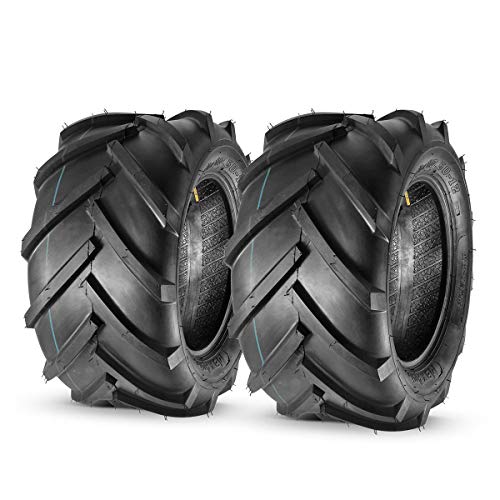
MaxAuto 23×10.50-12 Super Lug Tires, Set of 2

GICOOL 11×4.00-5 Flat Free Tire and Wheel

GICOOL 13×5.00-6 Flat Free Tire and Wheel
GICOOL 13×6.50-6 Flat Free Tire and Wheel

Litheli 40V Cordless 16-Inch Mower
More On The Choices That Made The List
This transmission filter keeps the hydraulic fluid clean on Grasshopper FrontMount mowers that depend on four-wheel traction across slopes. A “10-micron” rating refers to the smallest particle the filter can capture, and in a hydrostatic drive that’s the difference between smooth ground speed and expensive pump repair. Owners of Gemini 770 and 771 series transmissions know that fluid and filter changes every 500 hours are the cheapest insurance on a commercial rig.
It’s not a stand-alone traction upgrade. It’s the part that protects whatever drive system your all wheel machine already uses. For anyone running a FrontMount 618 or 700 series from the late 80s through early 2000s, this is the genuine OEM spec, not a generic substitute.
Strong Points
- Genuine Grasshopper part number 100850, matched to specific transmission series
- 10-micron filtration handles fine wear particles before they score pump internals
- Supports the 500-hour service interval recommended for FrontMount 618 and 700 series
- Direct fit, no adapter plumbing or shim work for the listed Gemini transmissions
Points To Keep In Mind
- Niche use: only fits the listed Grasshopper FrontMount and Gemini series
- Older machines may also need a fresh gasket or O-ring at the same service
Quick Facts
Right Fit For
Anyone maintaining a Grasshopper FrontMount 618 or 700 series mower who follows factory service intervals on a commercial machine.
A Better Fit Elsewhere
Homeowners with small yards looking for an all wheel drive riding lawn mower will find the Litheli 40V Cordless 16-Inch Mower a far more practical starting point.
Small riders and garden tractors handle rougher ground when the rear tires actually bite, and HALBERD’s 15×6.00-6 set is sized for the smaller machines that drive under many sheds. The herring-bone tread tapers in the shoulder area, which spreads pressure across soft turf instead of tearing it up on turns. Ply rating 4PR (a measure of tire strength, where higher numbers mean tougher sidewalls) suits typical homeowner loads without making the ride harsh.
For someone retrofitting a compact rider for better traction across damp lawns, this is an honest, lightweight tire. The rim is not included, so factor that into your project before ordering.
Why It Works Well
- Herring-bone tread pattern protects turf on tight turns
- 4PR construction handles typical residential trailer and rider loads
- 15×6.00-6 size fits many compact garden tractor rears
Trade Offs
- Wheel or rim is not included in the set
- Smaller footprint limits traction on steep grades compared to the MaxAuto Super Lug set
Best Suited To
Suburban riders under 20 horsepower that want a budget-friendly turf-friendly rear tire.
Reach For A Different Pick When
You mow steep slopes or muddy ground, in which case the MaxAuto 23×10.50-12 Super Lug Tires bring deeper bite and higher load capacity.
When the lawn turns into soft soil or a long uphill grade, standard turf tires spin and dig ruts. The MaxAuto Super Lug changes that equation with aggressive angled tread blocks that pull the machine forward instead of letting it slide. The 6PR (6-ply rated) tubeless build holds up to 1,760 pounds per tire at 32 psi, which is enough headroom for a heavy garden tractor pulling a loaded cart.
Compared to the HALBERD pair above, these run larger, heavier, and far more aggressive. That extra bite is welcome on hills, but it can scuff a manicured lawn if used full-time.
Useful Strengths
- Deep lug tread grips wet grass and soft soil during climbs
- 1,760-pound load capacity supports heavy garden tractors with attachments
- Wide 10.5-inch footprint distributes weight across soft ground
- Non-highway service rating matches residential mower duty
Honest Caveats
- Aggressive tread may scalp or mark a pristine lawn on tight turns
- Rim not included; check existing rim width of 8.5 inches before mounting
- Heavier rotational mass may slightly reduce runtime on smaller engines
Feature Snapshot
Whose Shelf It Belongs On
Property owners with sloped, soft, or muddy terrain who want the most traction possible from a rear-tire upgrade.
Where A Sibling Pick Shines
Flat suburban lawns benefit more from the gentler HALBERD 15×6.00-6 Tractor Tires, which leave turf cleaner.
Flat-free front caster wheels are one of those upgrades that quietly fix a constant annoyance. The 11×4.00-5 sizing shows up on many zero-turn front casters, where thorns, staples, and curb edges love to ambush pneumatic tires. The included hub adjusts from 3.4 to 7.5 inches, which covers a useful range of axle configurations without extra spacer kits.
It’s not a traction product by itself, but it keeps the front end rolling so the rear wheels can do the climbing. If you’ve ever replaced a front tire mid-mow, the appeal is obvious.
The Helpful Details
- Solid foam tire means no flats from thorns, nails, or curb strikes
- Adjustable hub from 3.4 to 7.5 inches fits multiple zero-turn models
- Bearing bore options cover 1/2, 5/8, or 3/4 inch axles
Small Caveats
- Solid construction transmits more shock than pneumatic tires on rough turf
- 330-pound dynamic load rating suits front casters, not heavy drive duties
Who It Suits Best
Zero-turn owners whose front casters keep going flat mid-mow and want a permanent fix.
Skip It When
You need drive-tire traction, not a front-caster swap, in which case the MaxAuto Super Lug set is the better match.
Zero-turn drive tires take a beating, especially on properties with gravel drives, fence lines, and lawn edges that hide sharp debris. GICOOL’s 13×5.00-6 flat-free assembly steps in with a solid polyurethane foam core that just won’t go flat. The universal adapter kit spans 3.25 to 5.9 inches of hub length, which is a wider range than most direct-fit replacements.
It’s a heavier wheel than the pneumatic original, so handling feel can change slightly. For most homeowners, that trade is worth never airing up a tire again.
Practical Pluses
- Maintenance-free PU foam resists punctures from thorns and staples
- Wide hub adjustment window fits many zero-turn and garden tractor models
- Reinforced steel rim stands up to typical residential impacts
Things To Consider
- Solid tire transmits more vibration than air-filled equivalents on rough ground
- Added unsprung weight can change the feel of the machine’s steering
At A Glance
Made For
Zero-turn owners who want a true set-and-forget wheel swap and rarely haul over sharp gravel.
Consider Something Else When
You run a heavier machine and want a wider footprint, in which case the GICOOL 13×6.50-6 Flat Free Tire and Wheel is the better size.
The wider 13×6.50-6 size gives the rear of a zero-turn a broader stance, which means better weight distribution and slightly more bite per square inch of contact patch. Add the same flat-free PU foam construction as its 13×5.00 sibling, and you get a wheel that survives thorns, fence wire, and curb edges without a service call. The adapter kit covers 4 to roughly 5.9 inches of hub length.
Compared to the 13×5.00-6 above, this is the heavier-duty pairing for larger zero-turns. If your machine sits on turf that often feels soft after rain, the extra width earns its keep.
Positive Points
- Wider 6.5-inch section spreads machine weight across soft turf
- Solid PU foam core resists puncture damage year after year
- Reinforced rim handles commercial-grade residential use
Softer Spots
- Heavier than pneumatic equivalents, which can affect handling
- Not a traction tire: deeper lugs from MaxAuto serve slopes better
Who Will Love This
Zero-turn owners with heavier residential machines and lawns that get soft after rain.
Swap It Out When
You mow mostly steep inclines, where the MaxAuto 23×10.50-12 Super Lug Tires deliver the bite that smooth tread can’t.
Not every lawn needs a full-size rider. The Litheli 40V cordless mower is a brushless walk-behind (the brushless motor skips brushes that wear out, so it lasts longer and runs quieter) that handles small yards with zero fuel, zero oil, and almost zero noise. Six cutting heights between 25 and 75 millimeters cover most turf types, and the 50-liter bag plus mulching mode gives you a choice between bagging clippings and returning them to the soil.
It’s not an all wheel drive riding lawn mower, and that’s the point: for tight city lots and HOA-friendly lawns, this swap beats wrestling a heavy rider through a gate. If your property is bigger than a quarter acre, step up to a rider.
Where It Excels
- Brushless motor runs quietly and needs no oil or spark plug service
- Six height settings from 25 to 75 mm cover seasonal turf changes
- Two 5.0Ah batteries deliver enough runtime for a typical suburban yard
- 50-liter collection bag plus mulching option for clipping flexibility
A Few Limitations
- 16-inch deck means more passes on open ground
- Not suitable for slopes or wet ground that demands true four-wheel traction
Spec Overview
Perfect Match For
Homeowners with small, fenced yards who want a quiet, low-maintenance cut without storing fuel or oil.
Where Another Pick Suits Better
Larger properties with slopes call for true traction, where the MaxAuto Super Lug Tires upgrade an existing rider into a more capable climber.
What To Weigh Before Choosing All Wheel Drive Riding Lawn Mowers
Tire Tread And Terrain Match
Traction lives or dies in the tread pattern. Herring-bone patterns like the HALBERD set spread pressure gently across soft turf, which matters on flat suburban lawns. Aggressive lugs like the MaxAuto Super Lug dig into wet soil and pull a tractor uphill, but they can mark a manicured lawn on tight turns. For mixed terrain, many property owners swap seasonal tires: turf-friendly for summer, aggressive for spring and fall work.
Drive System Vs. Wheel Upgrades
An all wheel drive system spreads torque across all four wheels, which helps on slopes but adds cost and complexity. For many homeowners, the smarter upgrade is matching tire compound and tread to the conditions. Solid flat-free wheels from GICOOL solve the puncture problem without altering traction much. Lugged tires change traction a lot without changing the drive system. Pick the cheapest upgrade that solves your real problem first.
Sizing And Compatibility
Tire sizes look cryptic until you check the sidewall. The first number is the overall diameter, the second is section width, and the third is the rim diameter. A 23×10.50-12 tire needs a 12-inch rim, while a 13×6.50-6 fits a 6-inch rim. Hub length and axle bore matter just as much for caster wheels, which is why the GICOOL kits include adjustable hardware for several configurations.
Maintenance And Service Reality
Mowers last longer when owners follow the service schedule. Hydraulic filters like the Grasshopper 100850 keep hydrostatic pumps alive past 500 hours. Solid tires remove airing and puncture repair from the routine but add unsprung weight. A cordless walk-behind skips oil changes and spark plugs entirely, which is the lowest-fuss route for small lawns.
Practical Considerations For These Picks
Pitfalls Shoppers Hit
The most common mistake I see is buying aggressive lug tires for a flat lawn that doesn’t need them. Lugged tires scuff turf on turns and reduce the clean cut homeowners want. The reverse mistake is staying with smooth turf tires on a sloped property, then wondering why the rear wheels spin every time the grass gets damp. Match the tread to the slope, and check the existing rim width before ordering new rubber.
Where The Extra Money Goes
Higher-tier tires and drive components cost more for measurable reasons: deeper tread compounds last longer, stronger ply ratings resist impact damage, and OEM parts like the Grasshopper transmission filter match factory tolerances that generics sometimes miss. On commercial or steep properties, that extra durability pays back in fewer mid-season repairs and longer service intervals. On flat suburban lots, the value version usually does the job just as well.
Frequently Asked Questions
Do All Wheel Drive Riding Lawn Mowers Need Special Tires?
Not always, but matching tread to terrain matters more than the drive label. Lugged tires help on slopes and soft ground, while turf-friendly patterns protect flat lawns.
How Often Should A Transmission Filter Be Changed?
Most hydrostatic drive systems recommend fluid and filter changes around 500 hours of operation. Commercial users may shorten that interval, while occasional homeowners can stretch it modestly in dry, clean conditions.
Are Flat Free Wheels Better Than Pneumatic Tires?
Flat-free wheels remove the puncture risk entirely, but they transmit more vibration and add weight. They make sense for users tired of flat repairs, less so for those who prize a cushioned ride.
Can A Cordless Mower Replace A Riding Mower?
Only on small lots. A 16-inch cordless deck works for tight, fenced yards under roughly a quarter acre, but anything bigger burns through batteries and time that a rider handles quickly.
What Tire Size Do Most Zero Turns Use?
Common front caster sizes include 11×4.00-5 and 13×5.00-6, while rear drive sizes often run 23×10.50-12 or similar. Always confirm the size printed on the existing sidewall before ordering replacements.
Closing Remarks
For slopes and rough ground, the right tires and a clean transmission filter matter more than horsepower on the spec sheet. Pick the wheel setup that matches your terrain, keep the hydraulic system serviced, and the machine will reward you with seasons of clean cuts.