Replacing a lawn mower battery used to mean hauling a heavy lead-acid box to a shop. Today the swap is a sliding-click affair, and the right cell turns a frustrating chore into a quiet Saturday morning. I wrote this guide for homeowners sorting through lithium-ion packs, riding-mower owners eyeing a LiFePO4 upgrade, and anyone staring at a dying battery wondering whether to repair or replace. Below are seven options worth your attention, each mapped to a different kind of yard and a different kind of shopper.
Your Options, Compared
PickWhy We Picked ItBest ForAction

Value Pick
Ibanti 10000mAh 56V EGO Replacement Battery
Single-pack EGO replacement
EGO 56V tool owners

Heavy Duty Pick
Boetpcr 2-Pack 10000mAh 56V EGO Battery
Twin-pack with LED gauge
Large-yard EGO owners

Everyday Favorite
RYOBI 18V ONE+ 4.0 Ah Battery (2-Pack)
Wide platform compatibility
RYOBI ONE+ households
Performance Leader
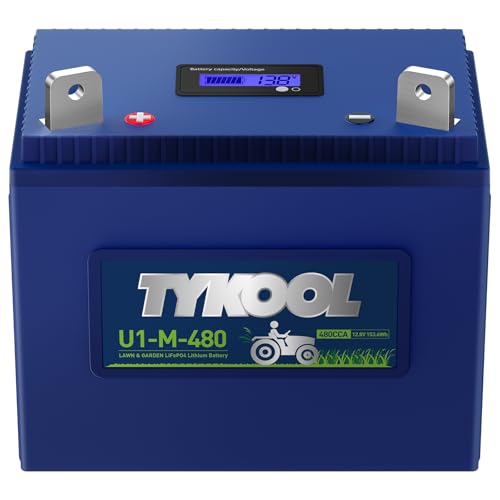
TYKOOL U1 480CCA LiFePO4 Mower Battery
Riding mower cold-cranking power
Ride-on tractor owners

Premium Pick
EGO Power+ 56V 12.0Ah Battery 2-Pack
Highest capacity ARC Lithium
Demanding EGO users

Lightweight Choice
Worx WA3575 20V PowerShare 2.0 Ah Battery
Light, cross-tool compatible
Worx PowerShare owners
Feature Rich
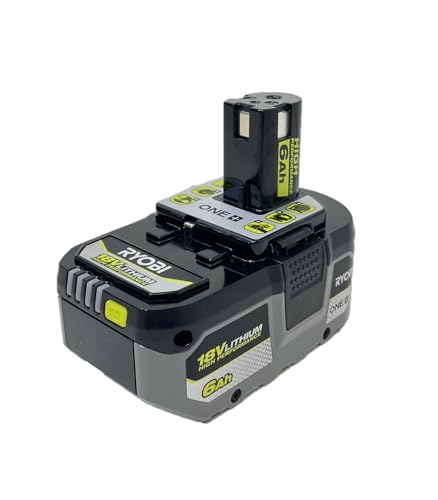
Ryobi P193 18V 6.0 Ah HP Battery
HP communication tech
RYOBI HP brushless owners
A Closer Look At Each Pick
The Ibanti is a third-party replacement built for the EGO 56V platform, aimed squarely at shoppers who want one good pack without paying for a twin bundle. Lithium-ion cells at 56V with a 10000mAh rating give cordless EGO mowers enough runway for a typical suburban lot on a single charge. It’s a sensible backup for anyone whose OEM (original equipment manufacturer) battery has finally given up the ghost.
For most homeowners running a self-propelled EGO mower, this pack drops into the existing charger bay and resumes work with no fuss. The single-pack format keeps storage simple, and it pairs naturally with EGO’s CH2100 charger for a full top-up overnight.
Points In Its Favor
- ✓Direct replacement for popular EGO 56V batteries (BA1400, BA2800, BA4200, BA5600, BA2242T, BA3360T, BA4480T families), so it slots into chargers and tools already on the bench.
- ✓10000mAh capacity translates to roughly a half-acre cut on a single charge for most residential mowers, depending on grass height and terrain.
- ✓Single-pack price tends to land below twin-pack alternatives, useful when only one battery needs replacing.
- ✓Lithium-ion chemistry means no memory effect (where partial charges permanently shrink usable capacity) and minimal self-discharge over winter storage.
Things To Consider
- •Third-party cells don’t always match OEM firmware (the software inside that communicates with the tool), so some EGO tools may show a generic charge reading rather than a precise percentage.
- •Owners commonly store spares in a climate-controlled spot, as extreme heat shortens lithium-cell lifespan faster than cold does.
Who It Suits Best
An EGO 56V owner who needs a single replacement after an OEM pack failed outside its service window.
Skip It When
Your lawn stretches past three-quarters of an acre; the Boetpcr twin pack keeps a backup charged while the first runs out.
The Boetpcr bundle ships two 56V lithium packs, so one runs the mower while the other sits on the charger. It’s a setup that mimics OEM twin-pack kits at a noticeably different price point, and the built-in LED indicator adds a small but practical touch: a button press shows remaining capacity without booting the tool.
Where the Ibanti covers the replacement-buyer profile, this Boetpcr set targets owners with acreage to cover. Swapping a depleted pack mid-mow keeps a half-acre-plus lawn moving without a sit-down recharge break, and the BA2800/BA4200/BA1400 compatibility covers a wide swath of EGO’s lineup.
Real Benefits
- ✓LED fuel gauge removes the guessing game, since four lights tell you whether to swap or finish.
- ✓Two-pack format lets a homeowner rotate packs, useful in spring and fall when mowing sessions stack up back-to-back.
- ✓10000mAh per pack supports extended runtime for self-propelled mowers tackling sloped lawns where the motor draws more current.
- ✓Works with EGO CH2100, CH2800D, and CH5500 chargers, so existing charging infrastructure stays in use.
Trade Offs
- •Two packs cost more up front than the single Ibanti; overbuying is a real risk for quarter-acre lawns.
- •Some EGO tools may display a generic state-of-charge estimate, and firmware-related quirks tend to surface more on third-party replacements than OEM units.
- •Lithium packs benefit from partial rather than full discharges for longest life, so leaving a hot pack in the mower bay right after use can shorten cell longevity over time.
Made For
A homeowner with a large yard who values uninterrupted mowing sessions over lowest pack count.
Look Elsewhere When
You only need a single replacement battery; the Ibanti single-pack is the more focused pick.
The RYOBI ONE+ system runs more than 300 cordless tools on a shared 18V battery platform, and this 4.0 Ah twin pack is the workhorse format many homeowners default to. Two cells at 4 amp-hours (Ah, a measure of how long a battery can deliver current) each deliver enough capacity for a typical push mower on a small lot, and they share duties with trimmers, blowers, and drills.
This is the pack I’d recommend to a neighbor who’s already bought into ONE+ and just needs to expand. Where the EGO replacements above lock you to one ecosystem, RYOBI’s wider catalog gives batteries a longer working life across multiple tools.
Positive Points
- ✓Cross-compatibility with hundreds of ONE+ tools means a charged battery almost always finds work somewhere in the garage.
- ✓4.0 Ah strikes a useful balance between weight and runtime, lighter than 6.0 Ah packs but stronger than 2.0 Ah cells for mowing.
- ✓Twin-pack format keeps one battery in rotation while the other charges, useful for households running multiple tools in a single session.
- ✓18V platform sits at a lower price tier than 56V systems, helpful when budget shapes the buying decision.
Honest Caveats
- •Lower voltage means reduced cutting power on dense or wet grass compared to higher-voltage platforms like the EGO 56V line.
- •Battery health depends on storage conditions, and owners commonly note reduced runtime after two to three seasons of heavy cycling.
Right Fit For
Anyone with several RYOBI ONE+ tools who wants fresh batteries without leaving the platform.
Consider Something Else When
You own brushless RYOBI HP tools; the Ryobi P193’s HP communication tech squeezes more performance out of those motors.
Riding mowers and garden tractors play by different rules, and the TYKOOL U1 is built for that audience. It’s a LiFePO4 (lithium iron phosphate) cell, a chemistry prized for stability and cycle life, rated at 480 CCA (cold cranking amps, the current a battery can deliver for 30 seconds at 0°F) and 12Ah. CCA measures starting power, which matters because riding mowers spin a starter motor rather than running a brushless drive from the pack itself. Group U1 sizing (a standard battery case footprint) fits John Deere, Cub Cadet, Craftsman, and Troy-Bilt machines across several model years.
Where the lithium-ion packs above focus on runtime for cordless push mowers, this one focuses on dependable ignition for gas-powered tractors. That’s a meaningful distinction worth underlining, since a cordless mower battery and a riding-mower starter battery serve entirely different jobs.
A Favorable Mix
- ✓LiFePO4 chemistry typically outlasts lead-acid by a wide margin in cycle counts, which translates to years of reliable starts before replacement.
- ✓480 CCA delivers a confident cold-start surge even on frosty mornings, when lead-acid cells tend to weaken.
- ✓12Ah capacity adds useful runtime for electric PTO (power take-off) accessories on compatible tractors.
- ✓Drop-in Group U1 form factor avoids custom mounting brackets or terminal adapters on most popular brands.
Some Limits To Know
- •LiFePO4 packs cost more than equivalent lead-acid replacements, a real barrier for casual users.
- •Terminal orientation and hold-down hardware vary by tractor brand, so confirming the physical fit before ordering prevents a return.
- •Owners commonly report needing to verify the alternator’s charging profile, since some older tractors overcharge lithium chemistries.
Best Suited To
Riding-mower and garden-tractor owners ready to leave lead-acid behind for longer service life.
Another Choice May Suit
Anyone running a cordless push mower; the Ibanti or Boetpcr packs serve that crowd better.
The BA6720T pair sits at the top of EGO’s residential capacity stack: 12Ah per pack in a 2-pack configuration. The ARC Lithium design (EGO’s proprietary cell architecture shaped to dissipate heat) keeps cells cool under load, and intelligent power management balances individual cell voltage for longer pack life. This is the OEM choice for owners who don’t want to mix third-party cells with their existing tools.
Compare that to the Boetpcr set: similar form factor, different pedigree. Where third-party packs save money, the OEM pair tends to communicate more cleanly with EGO tools and shows precise state-of-charge readings.
The Case For It
- ✓12Ah per pack delivers the longest runtime in EGO’s residential lineup, often clearing an acre or more on a single charge.
- ✓OEM firmware integration means precise charge readings and full access to tool diagnostics, which third-party replacements may skip.
- ✓ARC Lithium design manages heat during heavy-demand tasks like mulching wet grass or cutting tall weeds.
- ✓Shock-resistant housing protects the cells from drops and weather, useful for tools stored outdoors or in unheated sheds.
Potential Drawbacks
- •Premium capacity commands a premium price, a barrier for casual mowers who won’t use the extra runtime.
- •Heavier than lower-capacity packs, and weight adds up when swapping between tools during a long session.
Who Will Love This
Demanding EGO owners with large or sloped lawns who treat batteries as a long-term investment.
Reach For A Different Pick When
Your yard is a modest suburban lot; the Boetpcr twin pack covers most residential mowing with capacity to spare.
The Worx WA3575 is the lightest pack in this roundup at 2.0Ah, and that’s exactly the point. PowerShare means a single battery moves across string trimmers, impact drivers, saws, Hydroshots, leaf blowers, and Worx mowers, which makes the platform a favorite for tool-curious homeowners who don’t want a dozen battery formats on a pegboard.
For tiny lawns, a 2.0Ah pack finishes the job without the fatigue a heavier cell adds. The trade-off surfaces on anything bigger than a quarter acre, where the smaller capacity runs out before the mowing does.
Strengths Worth Knowing
- ✓Cross-tool PowerShare compatibility keeps one battery format working across a wide Worx catalog.
- ✓Low weight reduces arm fatigue during overhead tasks like trimming hedges or pruning branches.
- ✓Lithium-ion chemistry avoids the memory-effect quirks that older rechargeable designs suffered from.
- ✓Compact size fits any Worx charger already on the bench.
Worth Noting
- •2.0Ah cuts mowing sessions short on anything beyond a small yard, and mid-mow swaps become routine.
- •Lower voltage means reduced torque compared to the 56V EGO platform, so dense grass pushes the motor harder.
The Right Fit
Worx owners with small lawns and lots of cross-tool battery sharing.
Where A Sibling Pick Shines
The RYOBI 4.0 Ah twin pack runs longer on the same kind of small-lot mowing duty.
The Ryobi P193 brings a 6.0Ah capacity to the ONE+ lineup along with onboard fuel gauging, which means four LEDs on the battery itself show remaining charge. The HP communication chip inside the pack talks to brushless tools in a way standard ONE+ batteries don’t, unlocking higher performance from compatible motors. For a homeowner invested in RYOBI’s brushless platform, this pack delivers a tangible step up over the 4.0 Ah twin reviewed earlier.
Single-pack format works fine for shoppers who already own a charger and just need more capacity. Where the twin pack spreads weight across two cells, the P193 concentrates runtime in one heavier brick.
The Helpful Details
- ✓HP communication unlocks higher performance from brushless ONE+ tools compared to standard packs.
- ✓Onboard fuel gauge shows remaining charge without booting a tool.
- ✓6.0Ah capacity clears larger mowing sessions on a single pack, useful for medium-sized lots.
- ✓Backward compatibility with the full ONE+ catalog preserves existing tool investments.
Small Caveats
- •Single-pack format means downtime during charging, a real concern for users without a backup cell.
- •Heavier than 4.0Ah packs, and that weight adds up over a long mowing session.
Whose Shelf It Belongs On
A RYOBI owner running brushless HP tools who wants maximum performance from the same platform.
Not Your Match When
You only run standard brushed ONE+ tools; the HP benefit goes unused, and the RYOBI 4.0 Ah twin pack covers more everyday cases.
Factors To Consider When Choosing Battery For Lawn Mower
Voltage sets the ceiling for cutting power, while amp-hours decide how long the work lasts. A 56V system handles dense, wet grass the way a small engine does, while an 18V or 20V platform suits small lots and lighter trimming. Within a platform, higher amp-hours mean longer runtime and heavier packs, and the right balance depends on lot size and shoulder stamina.
Compatibility deserves as much attention as capacity. Cordless mower batteries are platform-locked, meaning a 56V EGO pack won’t run a RYOBI tool, so the smartest move is usually matching the battery to the tools you already own. For riding mowers and garden tractors, the chemistry conversation shifts to LiFePO4 starter batteries like the TYKOOL U1, since those spin ignition motors rather than drive cutting decks.
Charge time, weather resistance, and onboard fuel gauges round out the practical concerns. Lithium-ion cells lose capacity faster in extreme heat, so storing spares in a climate-controlled spot pays off across several seasons. Onboard LED indicators save the guesswork of mid-mow swaps, and shock-resistant housings matter when batteries live in outdoor sheds.
Key Considerations Across These Picks
Pitfalls Shoppers Hit
The most common mistake is buying a battery that doesn’t actually fit the tool. Voltage mismatches aren’t subtle, since a 20V pack simply won’t seat in a 56V bay, but subtle issues like terminal orientation on riding-mower replacements catch even careful shoppers off guard. Cross-checking the model number against the manufacturer’s compatibility list prevents most returns.
When Paying More Pays Off
Premium packs earn their keep through longer cycle life, better heat management, and tighter firmware integration with tool diagnostics. For homeowners who mow weekly across a full growing season, the OEM ARC Lithium and HP communication designs deliver real longevity that budget cells struggle to match.
Frequently Asked Questions
How long does a lawn mower battery typically last? Lithium-ion packs commonly deliver three to five seasons of regular use before noticeable capacity loss, while LiFePO4 starter batteries can stretch past seven years with proper care.
Can I use a higher amp-hour battery than my original? Higher amp-hours fit the same tool and only extend runtime, but they add weight that some handheld tools handle awkwardly, so check your tool’s manual for any upper limit.
Do cold-cranking amps matter for cordless mowers? No, CCA applies to starter batteries for gas-powered riding mowers; cordless mower runtime is measured in amp-hours, not cold-cranking performance.
Are third-party replacement batteries safe? Third-party packs from reputable sellers using quality lithium cells generally perform well, though OEM firmware sometimes limits charge-readout precision on the tool’s display.
Should I store spare batteries indoors? Yes, storing lithium cells in a climate-controlled space between 50°F and 77°F slows capacity loss and extends usable life across multiple seasons.
The Takeaway
The right battery depends less on specs in isolation and more on the yard, the tool platform, and the kind of sessions you actually run. EGO owners with acreage will find their match in the OEM 12Ah pair or a quality third-party twin pack, while RYOBI and Worx households should stay within their existing ecosystems to keep every tool ready when the grass needs cutting.