Swapping a gas tank for a battery changes the whole rhythm of mowing. No pull cords, no fuel smell, no oil changes, just the quiet hum of a brushless motor and the freedom to finish the lawn without a pit stop. I’ve put together this lineup for homeowners who want that experience, whether they’re upgrading from a walk-behind or replacing an aging gas tractor. The five options below cover different yard sizes, budgets, and needs, and each one earned its spot for a specific reason.
A Closer Look At The Lineup
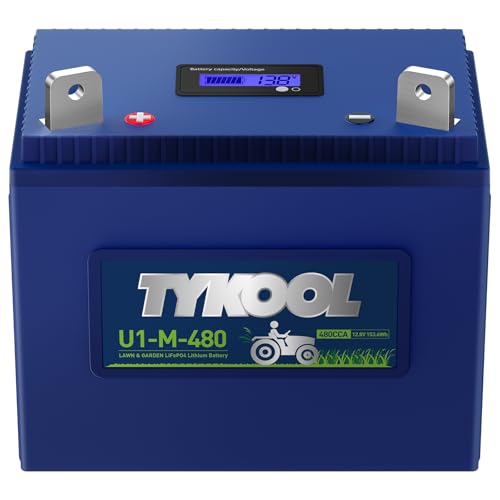
TYKOOL 480CCA Group U1 Lithium LiFePO4 Lawn Mower Battery

Mowrator S1 4WD 18Ah Remote Control Lawn Mower, 21-Inch
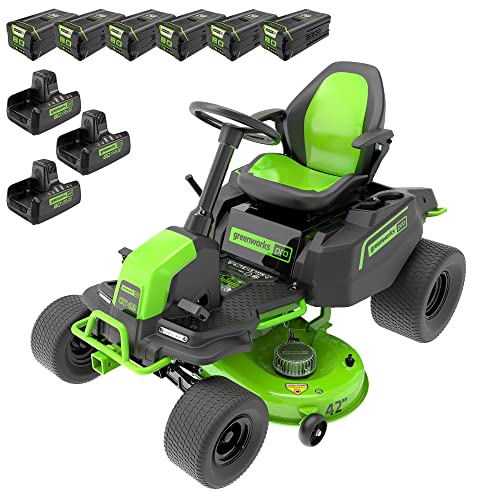
Greenworks PRO 80V 42″ Electric Lawn Tractor

EGO Power+ Rear Bumper for Z6 Zero Turn Riding Mowers (AMB1000)

Litheli 40V 16″ Cordless Brushless Push Mower
More On The Choices That Made The List
Not every battery-riding-lawn-mower story starts with buying a whole new machine. Plenty of homeowners already own a reliable gas rider from John Deere, Cub Cadet, Craftsman, or Troy-Bilt and just want to ditch the pull cord, the oil checks, and the cold-weather starting drama. The TYKOOL U1 drop-in battery is built exactly for that moment.
It’s a lithium LiFePO4 (lithium iron phosphate, a chemistry known for thermal stability and long cycle life) pack in the Group U1 size that sits in the battery tray of many popular riding tractors. Compared to the full riding mowers later in this list, this is a component, not a complete machine, so it’s a niche but useful pick.
Standout Benefits
- 480 CCA cranking power gives mid-sized tractors the surge they need to spin the starter reliably.
- LiFePO4 chemistry tolerates deep discharges and partial-state charging far better than a lead-acid brick.
- Direct-fit U1 form factor means no rewiring or bracket modifications for many common riders.
- You keep the mower deck, the seat, and the rest of the chassis you already know how to use.
- No acid spills, no corrosion on terminals, and no monthly top-off charging rituals.
Things To Consider
- This is a battery-only swap; it won’t magically give an old gas tractor cordless drive.
- Owners should double-check terminal layout and physical dimensions against their specific tray before ordering.
- Cold-soak performance is better than lead-acid, but sub-zero mornings can still trim usable capacity.
Key Specs
Right Fit For
Homeowners who already own a compatible gas rider and want to modernize the starting and electrical side without replacing the whole mower.
Consider Something Else When
You want a fully cordless, drive-from-the-seat experience; the Greenworks PRO 80V tractor in pick 3 is a complete battery ride built for that.
The Mowrator S1 splits the difference between a riding mower and a robotic mower in a way I haven’t seen many products attempt. You stand at the edge of the lawn, hand on a remote, and the unit handles the cutting while you watch. For sloped, uneven ground that makes sitting on a tractor feel unsafe, that hands-off approach is genuinely useful.
It runs on an 18Ah battery, drives all four wheels, and climbs slopes rated up to 37 degrees. The 21-inch deck puts it in the same cutting-width ballpark as a compact rider, but the form factor is closer to an overgrown robotic unit than a traditional seat-on tractor.
Points In Its Favor
- Four-wheel drive helps it bite into slopes that would push a rear-wheel rider sideways.
- Remote operation removes the operator from rough terrain entirely.
- 21-inch cutting deck finishes small-to-mid lawns in reasonable time.
- Optional accessories (tow hitch, snow plow, mulching blade) extend its usefulness past summer.
Honest Caveats
- Requires line-of-sight attention throughout the mow, so it isn’t truly unattended like a robotic mower.
- Steep-slope specs depend on dry grass and consistent traction; wet conditions will reduce performance.
- Accessories like the snow plow and mulching blade are sold separately, which raises total cost.
Who It Suits Best
Owners with steep, irregular yards where sitting on a mower feels risky but walking a push mower feels exhausting.
Look Elsewhere When
You have a flat, open lawn and want to sit comfortably while mowing, in which case the Greenworks PRO 80V 42-inch tractor in pick 3 is a more relaxing fit.
The Greenworks PRO 80V Crossover is the closest thing on this list to a direct gas-tractor replacement. It ships with six 5.0Ah batteries and three dual-port turbo chargers, which is a generous bundle that takes the guesswork out of owning a battery-powered rider. The 42-inch deck and high-back padded seat signal that this is meant for real acreage, not just a postage-stamp yard.
Unlike the Mowrator in pick 2, this is a true sit-down tractor with a steering wheel. Unlike the TYKOOL battery in pick 1, this is a complete machine, not a component. For homeowners transitioning from a gas rider to electric, it feels the most familiar in form factor while removing the maintenance burden entirely.
Well-Handled Touches
- Six-battery configuration supports extended runtime on larger properties.
- Three dual-port chargers cut downtime between sessions.
- 42-inch deck covers wide swathes per pass, shortening total mow time.
- High-back seat with foldable armrests makes longer sessions more comfortable.
Trade Offs
- Battery riders cost more up front than comparable gas tractors.
- Storage space matters; a 42-inch tractor still needs a sizable shed or garage bay.
- Cold-weather runtime drops, so northern homeowners may see reduced performance in early spring.
Feature Snapshot
Made For
Homeowners with one to several acres who want a comfortable, gas-free riding experience without constantly babysitting battery levels.
A Better Fit Elsewhere
Suburban lots under a quarter acre, where the Litheli 40V push mower in pick 5 is easier to store and more proportional to the job.
Sometimes the right pick isn’t a whole mower. The EGO Power+ AMB1000 rear bumper is a small, sensible accessory for anyone who already owns a Z6 zero-turn rider. Zero-turns are fast and maneuverable, but that speed makes rear-end contact with trees, fence posts, and trailer ramps more common than people expect.
It’s a single-piece steel guard that bolts onto the back of the chassis. Installation is straightforward enough for most homeowners with basic tools, and it doesn’t change how the mower drives or cuts.
Why It Works Well
- Shields the rear of the Z6 from contact damage during tight maneuvers.
- EGO genuine part, so fit and finish match the rest of the mower.
- Modest weight addition keeps the Z6 balanced and agile.
Some Limits To Know
- Only fits Z6 models, so anyone on a different EGO platform should look elsewhere.
- It’s a bumper, not a full skid plate; very heavy collisions can still cause damage.
- Adds a small amount of overall length, which matters when squeezing through narrow gates.
Whose Shelf It Belongs On
Garages already housing an EGO Z6 zero-turn rider, especially owners who navigate tight landscaping or load trailers regularly.
Reach For A Different Pick When
You don’t yet own the Z6; in that case, the Greenworks PRO 80V tractor in pick 3 is a complete battery rider worth starting with instead.
The Litheli 40V walks into this roundup as the small-lawn counterpart to the bigger riders. It won’t replace a tractor on a two-acre property, but for tight urban and suburban lots, a compact push mower is often the right tool. The 16-inch deck is narrow enough to slip between garden beds and along fence lines without the awkward repositioning a wide deck demands.
It uses two 5.0Ah batteries in parallel for a 40V feed, includes a charger, and offers six cutting heights between 25mm and 75mm. The 50L collection bag is generous for the deck size, which means fewer stops to empty clippings.
The Good Stuff
- Brushless motor cuts maintenance; no brushes, no commutator, no service intervals.
- Six height settings cover everything from short formal cuts to longer summer growth.
- Mulching and bagging in one unit adds flexibility without buying extra gear.
- Folds down for upright storage in tight garages and sheds.
Points To Note
- Walk-behind effort is real; anyone with joint or stamina issues may struggle on larger lots.
- 16-inch deck means more passes than a 21-inch or 42-inch machine.
- Best suited to grass under about a quarter acre, depending on terrain.
Quick Facts
Built With In Mind
Small-lawn owners who want cordless convenience without the storage footprint or cost of a full riding mower.
Swap It Out When
Your yard stretches past a quarter acre or includes long, open stretches where the Mowrator S1 in pick 2 or the Greenworks tractor in pick 3 saves real time.
How To Choose The Right Battery Riding Lawn Mower
Match The Machine To Your Yard Size
Yard size drives almost every other decision. Lots under a quarter acre usually do fine with a walk-behind like the Litheli 40V, while anything from half an acre up benefits from the comfortable seated ride a tractor offers. The Greenworks PRO 80V with its 42-inch deck and six-battery configuration is built for multi-acre properties, where runtime and cut width matter more than tight maneuverability. Skipping this step is how people end up with a mower that’s either wildly overbuilt or constantly under-powered.
Understand Battery Specs Beyond The Marketing
Voltage tells you about power delivery, while amp-hours (Ah) tell you about runtime. CCA, or cold cranking amps, applies to starter batteries like the TYKOOL unit and measures how much surge the battery can deliver in cold conditions. A higher voltage platform (80V vs 40V) supports heavier cutting loads without bogging. LiFePO4 chemistry, common in newer drop-in batteries, offers longer cycle life and lower self-discharge than older chemistries.
Think About Slope, Terrain, And Storage
Flat, open lawns reward wide decks and long runtime. Sloped or irregular terrain changes the math. The Mowrator S1’s 37-degree slope rating and four-wheel drive exist because standard riders struggle on that kind of ground. Storage is the often-forgotten constraint: a 42-inch tractor needs shed space, while a folding walk-behind fits against a wall.
Factor In Maintenance And Long-Term Cost
Brushless motors eliminate the biggest wear items in brushed designs, and battery platforms skip oil changes, spark plugs, and carburetor service entirely. The trade-off is battery replacement every several years, which is a real cost worth budgeting. Accessories like the EGO rear bumper extend the life of the machine you already own, and they’re worth considering if you’ve already invested in a compatible platform.
Key Considerations Across These Picks
Pitfalls Shoppers Hit
The most common mistake is matching the mower to the marketing instead of the yard. A wide-deck tractor on a postage-stamp lot is overkill and frustrating to maneuver. The opposite mistake, a tiny push mower on two acres, turns mowing into an all-day chore. Battery anxiety is another trap: owners run their first session below 20% charge and assume the platform is undersized, when really they just need to learn the runtime curve. Always check deck width, slope rating, and included battery count against your actual conditions before committing.
Where The Extra Money Goes
Premium battery riders cost more than gas equivalents for clear reasons. Multi-battery configurations, fast chargers, and brushless drivetrains all carry a price premium. The upgrade pays off when you have enough acreage to feel the runtime difference, slope to appreciate four-wheel drive, or weather to benefit from cold-tolerant LiFePO4 chemistry. For small, flat lawns, the premium tier is harder to justify, and a well-spec’d walk-behind delivers most of the experience at a fraction of the cost.
Frequently Asked Questions
How long does a battery riding mower last on a single charge?
Runtime depends on battery capacity, deck size, grass thickness, and terrain. Higher-end battery riding mowers with multiple batteries can deliver enough runtime for one to two acres on a single charge under typical conditions.
Are battery riding mowers powerful enough for thick grass?
Modern brushless motors paired with 60V to 80V platforms handle thick grass well. Cutting more slowly in dense areas or making a second pass helps the motor stay in its efficient range.
Can battery riding mowers handle slopes?
Some can. Dedicated slope-rated models climb up to 37 degrees, while standard riders are best kept under 15 degrees for safety reasons.
How long do lithium mower batteries last before replacement?
Most LiFePO4 mower batteries are rated for thousands of charge cycles, which translates to several years of regular residential use before noticeable capacity loss.
Is a battery riding mower worth it over a gas one?
For homeowners who mow regularly and want quieter, lower-maintenance operation, battery riders are a compelling upgrade. The higher upfront cost is offset by skipping fuel, oil, and tune-ups.
Final Verdict
Battery riding lawn mowers have crossed the line from novelty to genuine option. The right pick depends on yard size, terrain, and how much sitting versus walking you want to do. For most homeowners with a comfortable lot, the Greenworks PRO 80V tractor hits the sweet spot of runtime, deck width, and battery count. Smaller lawns get more from a compact push mower, while steep terrain changes the conversation entirely. Take stock of your yard first, then the right machine tends to make itself obvious.