A mower that bogs down, idles rough, or refuses to start on the first pull usually has one common culprit: a gummed-up carburetor. Old fuel leaves varnish behind, and that residue chokes the tiny passages inside the carb until the engine chokes too. Choosing the right cleaner turns a frustrating seasonal ritual into a quick, satisfying job, and the lineup below covers everything from spray-on solvent treatments to precision tools that clear blocked jets.
A Quick View Of The Lineup
Mustowl Heavy Duty Mower Cleaner Degreaser Spray 50ML
Mustowl Heavy Duty Mower Cleaner Degreaser Spray 50ML 2-Pack
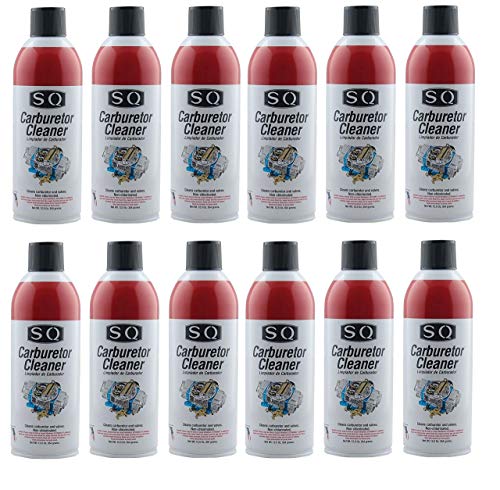
SQ Carburetor Cleaner 12-Pack, 12.5 Oz

Cyclo C5-EACH Carb Clean 19 Oz

Quicksilver Quickleen Engine and Fuel System Cleaner

Gumout 800002231 Carb/Choke Cleaner 14 Oz 6-Pack
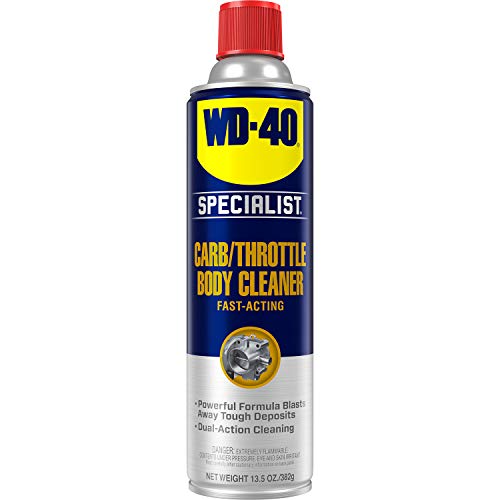
WD-40 Specialist Carb/Throttle Body Cleaner 13.5 Oz

Yenblow Carburetor Cleaner Kit, 6 Pack
Inside Each Recommended Option
Most carb cleaners focus on the engine side, but the underside of a mower deck tells a different story. Caked grass, grease, and oily residue pile up under there after a single season, and that buildup holds moisture against bare metal. The Mustowl Heavy Duty Mower Cleaner Degreaser Spray takes aim at that exact problem, helping owners who treat the deck as part of routine equipment care.
A targeted nozzle reaches tight corners near blade housings and hinge points, which is where grass clings hardest. At 50 mL per bottle, the size favors a focused wipe-down rather than a flood-and-rinse approach, so it suits owners who clean in the garage and wipe dry afterward.
Positive Points
- Dissolves caked grass and grease on deck surfaces quickly
- Precision nozzle reaches tight corners around hinges
- Compact 50 mL size is easy to store on a shelf
- Spray-and-wipe routine fits a 10-minute Saturday cleanup
- Helps the deck stay in better shape through winter storage
Things To Consider
- Small bottle may run out for owners with multiple mowers
- Designed for the deck, not the carburetor itself
- Needs a follow-up wipe to avoid streaking on painted finishes
Right Fit For
Suburban homeowners who mow weekly and want a quick, controlled spray for routine deck maintenance.
Skip It When
The Quicksilver Quickleen Engine and Fuel System Cleaner is a better match for owners who want an in-tank treatment that reaches the carb internals directly.
The single-bottle version above works fine for one mower, but anyone running a spring cleanup and a fall cleanup knows the timing never lines up. The Mustowl Heavy Duty Mower Cleaner Degreaser Spray 50ML 2-Pack answers that with two identical bottles, letting owners stage one for the start of the cutting season and one for the post-season wash-down.
Compared to the single-bottle option, this set simply removes the worry of running out mid-job. The same precision nozzle applies here, so the second bottle is not a compromise on quality. For most backyards with a push mower plus a trimmer, two 50 mL bottles cover the season comfortably.
The Case For It
- Two-bottle format matches spring and fall cleaning cycles
- Same precision spray pattern as the single-bottle version
- Cuts down on repeat ordering across a single mowing season
- Useful for households with more than one piece of equipment
Room For Improvement
- Still focused on deck surfaces rather than carb internals
- Both bottles use the same small format, no larger option included
Made For
Owners who follow a twice-yearly cleaning ritual and want both jobs covered without reordering in between.
Consider Something Else When
Owners needing internal carburetor cleaning should reach for the WD-40 Specialist Carb/Throttle Body Cleaner instead.
The SQ Carburetor Cleaner 12-Pack shifts the conversation from one bottle to a workshop supply. Twelve 12.5 oz cans give small-engine mechanics, repair hobbyists, and multi-mower households the volume they need without constant reordering. Each can delivers a non-chlorinated solvent spray designed to break down gum, varnish, and oily residue on carburetors and chokes.
The flammable, no-residue formula means parts dry quickly after a soak and reassemble without an oily film. One caveat owners commonly run into: this product is not sold in several states due to local VOC rules, so checking regional availability matters before stocking up.
Real Benefits
- Twelve 12.5 oz cans supply a full busy season
- Non-chlorinated formula leaves no residue behind
- Works well as an engine starter aid for two-stroke and small mower engines
- Made in the USA
Honest Caveats
- Not available in CA, CO, CT, DE, MD, MI, NH, NY, OH, RI, and parts of UT
- Highly flammable; needs cool storage away from ignition sources
Feature Snapshot
Best Suited To
Mechanics, repair hobbyists, and rural property owners running multiple mowers across a long season.
Look Elsewhere When
Homeowners in restricted states should pick the Gumout 800002231 Carb/Choke Cleaner, which carries a 50-state compliant formulation.
Riding mowers and newer small engines often carry oxygen sensors and catalytic converters that do not tolerate every solvent. The Cyclo C5-EACH Carb Clean is built with that audience in mind, formulated to be safe on oxygen sensors and fuel injector throttle plates. For owners worried about accidentally fouling a sensitive component during a heavy spray-down, that compatibility is the headline feature.
At 19 oz per can, the size lands between a single repair dose and a workshop bulk case. The formula also meets VOC requirements in OTC states, which broadens where it can ship and how it can be used in regulated regions.
Everyday Perks
- Safe on oxygen sensors and fuel injector throttle plates
- Removes varnish, carbon, and dirt from carb surfaces
- Meets VOC rules for OTC-regulated states
- Single 19 oz can suits one or two seasonal cleanings
Trade Offs
- Flammable; needs the same careful storage as other solvent sprays
- Single-can format means reordering for multi-mower properties
Whose Shelf It Belongs On
Owners of newer riding mowers and O2-sensor-equipped small engines who want a sensor-safe formula.
A Better Fit Elsewhere
The SQ Carburetor Cleaner 12-Pack is a better match for shops needing bulk supply across many engines.
Spray cleaners attack the carb from the outside, but sometimes the problem sits inside the fuel passages where a straw cannot reach. The Quicksilver Quickleen Engine and Fuel System Cleaner takes a different angle: it goes into the gas tank. Mixing at a 1 oz to 5 gallons ratio, it travels with the fuel to the carb and dissolves carbon on injectors, intake valves, spark plugs, piston crowns, and cylinder heads along the way.
For most backyard owners, the appeal is preventive. Adding it at every fill-up keeps deposits from building up in the first place, which means fewer hard starts and less stalling over a long season. The manufacturer part number 8M0058681 also reflects a Mercury Marine heritage that fits marine and small-engine applications alike.
What It Does Well
- Reaches internal passages that sprays cannot
- Removes carbon from injectors, valves, plugs, and piston crowns
- Helps prevent engine knocking and piston seize-up
- Safe with all gasoline grades and ethanol-blend fuels
- Simple 1 oz per 5 gallons mixing ratio
Softer Spots
- Won’t help a carb that is already varnished shut without disassembly
- Needs repeated dosing to deliver full preventive benefit
Quick Facts
Perfect Match For
Owners who prefer to prevent deposits before they form rather than disassemble the carb later.
Reach For A Different Pick When
The Gumout 800002231 Carb/Choke Cleaner is a stronger fit for owners chasing an immediate symptom fix on a struggling engine.
When the mower refuses to start on the first pull, sputters at idle, or leaves a smoky cloud behind, the carb is usually begging for attention. The Gumout 800002231 Carb/Choke Cleaner targets those exact symptoms: hard starting, rough idling, stalling, and high exhaust emissions. Sold as a six-pack of 14 oz cans, it gives owners enough solvent to attack the problem from multiple angles.
Unlike the fuel-additive approach above, this is a direct spray that reaches the throat, choke, and external linkages. The 50-state VOC-compliant formulation matters for shoppers in California and other regulated states, since it sidesteps the regional shipping limits that block some competing products.
Where It Excels
- Targets the four classic carb-clog symptoms
- 50-state VOC-compliant formula ships everywhere
- Six-pack format covers multiple cleaning sessions
- Direct spray reaches throttle plates and choke linkages
Points To Keep In Mind
- External spray; deep internal passages still need a fuel additive or teardown
- Strong solvent smell; use outdoors or in a ventilated garage
Who Should Grab It
Owners troubleshooting a mower that has already started acting up and need a fast, accessible fix.
Swap It Out When
The Yenblow Carburetor Cleaner Kit is a smarter pick for anyone planning to disassemble the carb and clear individual jets.
Few names in the workshop carry the recognition of WD-40, and the WD-40 Specialist Carb/Throttle Body Cleaner leans into that familiarity with a dual-action system. The solvent formula breaks up baked-on carbon first, then the spray blast carries the loosened deposits away. The result, according to spec, is faster startups and smoother idle on a wider range of equipment than a typical single-purpose spray.
The can lists cars, trucks, tractors, motorcycles, boats, lawn mowers, weed trimmers, and other gas-powered lawn equipment, which signals it is built for shoppers who own more than one machine. Incidental contact with oxygen sensors or catalytic converters will not affect them, so the worry factor goes down a notch.
Useful Strengths
- Two-step solvent and spray blast tackles baked carbon
- Works on cars, mowers, tractors, motorcycles, and marine engines
- Safe for oxygen sensors and catalytic converters on incidental contact
- Helps engines start faster and idle more smoothly
- Improves performance at high RPMs
Minor Gripes
- Single 13.5 oz can runs out quickly on busy multi-engine households
- Flammable; standard aerosol precautions apply
Core Details
Built With In Mind
Multi-machine owners who want one trusted can to keep on the shelf for cars, mowers, and outdoor power equipment alike.
Where Another Pick Suits Better
The Cyclo C5-EACH Carb Clean is a stronger choice for dedicated sensor-safe service on regulated-state riding mowers.
When a spray alone will not cut it, the carb has to come apart, and that is where the Yenblow Carburetor Cleaner Kit earns its place. Instead of liquid solvent, this is a precision tool set: 46 needles, 10 brushes, 2 wrenches, 2 picks, 4 polishing brushes, and 4 nylon picks. Together they reach the jets, orifices, and passages that sprays simply cannot get into.
The same kit covers chainsaw, motorcycle, ATV, and even welding stove and shower head maintenance, so the value extends well beyond the mower. For owners who treat small-engine repair as a hobby rather than a chore, the kit pays back quickly the first time a stuck jet needs clearing.
What Makes Sense
- Reaches blocked jets, orifices, and narrow passages that sprays miss
- Mix of metal needles, nylon picks, and polishing brushes covers many tasks
- Works across chainsaws, motorcycles, ATVs, and household tools
- Includes hex wrenches for carb disassembly
- Reusable, no chemicals needed for routine cleaning
A Few Limitations
- Requires pulling the carb apart, which not every owner wants to do
- Works best paired with a solvent spray for heavy varnish
Who Will Love This
Hobbyists and hands-on owners who enjoy a full carb teardown and want precise tools for the job.
Not Your Match When
The WD-40 Specialist Carb/Throttle Body Cleaner is a better fit for owners who would rather spray and reassemble than disassemble.
What Matters Most Before Choosing Carb Cleaners For Lawn Mower
Match The Cleaner To The Job
Carb cleaners fall into three camps: deck degreasers, solvent sprays, and precision tools. Deck degreasers handle the grass and grease that build up under the housing, which matters less for engine performance and more for corrosion prevention. Solvent sprays target the carb throat, choke, and external linkages, and they are the most common first-line fix for rough idling and hard starting.
Fuel additives work from inside the tank, dissolving deposits on injectors, valves, and piston crowns as the fuel runs through. Detail tool kits clear individual jets and orifices during a teardown. Picking the right category up front saves time and avoids spraying the wrong product on the wrong surface.
Check Sensor And State Compatibility
Modern small engines often include oxygen sensors and catalytic converters that do not tolerate every solvent. Sensor-safe formulations, like the Cyclo C5-EACH Carb Clean and the WD-40 Specialist cleaner, are designed to avoid fouling those components on incidental contact. Riders with newer equipment should prioritize that compatibility.
Some solvent sprays are restricted in states with stricter VOC rules, including California, Colorado, Connecticut, and several others. The SQ Carburetor Cleaner 12-Pack is one example, so a quick check on regional availability prevents a wasted order.
Decide Between Volume And Precision
Bulk packs suit workshops and multi-mower properties, where one can rarely lasts a full season. Single cans work for occasional fixes, while precision tool kits reward owners who enjoy a deeper teardown. Mixing formats is fair: a fuel additive for prevention, a spray for emergencies, and a tool kit for stubborn jets.
Key Considerations Across These Picks
Where Shoppers Go Wrong
The most common slip-up is reaching for a heavy-duty degreaser when the symptom sits inside the carb. Deck cleaners handle grass and grease on the housing, but they cannot dissolve varnish on internal passages. Conversely, using a strong solvent spray on the painted deck can streak or dull the finish.
Another mistake is treating a fuel-additive approach as a substitute for a teardown. Additives prevent and gradually clean, but they rarely rescue a carb that has already varnished shut. Knowing whether the goal is prevention, surface cleaning, or deep restoration helps match the right product to the right moment.
What Separates Premium From Basic
Higher-tier solvent sprays tend to add sensor-safe chemistry, dual-action delivery, and broader equipment compatibility. Those features matter most for owners of newer, sensor-equipped riding mowers, where a wrong solvent can quietly foul a catalytic converter.
The premium upgrade rarely costs much more, which makes the case for spending up straightforward. For older push mowers without sensors, basic solvent sprays perform nearly as well, and the budget choice often makes more sense.
Frequently Asked Questions
How often should I clean my lawn mower carburetor?
For most homeowners, a light solvent spray once per season keeps deposits in check, ideally at the start of the cutting season. A fuel additive dosed at every fill-up works as ongoing prevention between deeper cleanings.
Can carb cleaner damage a lawn mower engine?
Most sprays are formulated for short contact on metal and gasket surfaces, but prolonged soaking can dry out some rubber components. Following the product directions and avoiding painted or plastic parts keeps the engine safe.
What is the difference between carb cleaner and throttle body cleaner?
Both dissolve varnish and carbon, but throttle body cleaners often include sensor-safe chemistry for use around oxygen sensors. Carb cleaners focus on carburetor passages and external linkages and may not carry that same sensor-safe guarantee.
Are fuel additives as effective as spray cleaners?
Fuel additives excel at prevention and gradually dissolving light deposits, while sprays deliver a more concentrated, immediate hit on exposed surfaces. For stubborn symptoms, the spray works faster; for long-term maintenance, the additive is the steady companion.
Do I need to remove the carb to clean it?
A light spray-on cleaning does not require removal, but a thorough jet clearing usually does. Precision tool kits, like the Yenblow option, are built for that teardown path and reach passages a spray cannot.
The Takeaway
A mower that coughs, stalls, or refuses to start usually points to one place: the carb. The lineup above covers three jobs: keeping the deck clean, clearing the carb throat, and restoring the inside of the fuel system. Match the cleaner to the symptom, check sensor and state compatibility, and the right can on the shelf turns a frustrating tune-up into a quick, predictable chore.