Clover creeps in fast, and once those white blooms spread across a tired yard, pulling them by hand turns into a full weekend project. I put together this list for homeowners who want a real answer, not another gimmick spray that yellows the grass and leaves the roots alive. Each pick below tackles clover from a different angle, so the right match depends on whether you want to treat the whole lawn, spot-treat a few patches, or just help your existing herbicide work harder.
The Leading Options At A Glance

Southern Ag Methylated Seed Oil Surfactant (32oz)
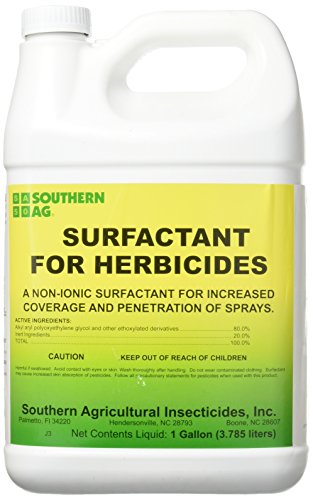
Southern Ag Non-Ionic Herbicide Surfactant (1 Gallon)
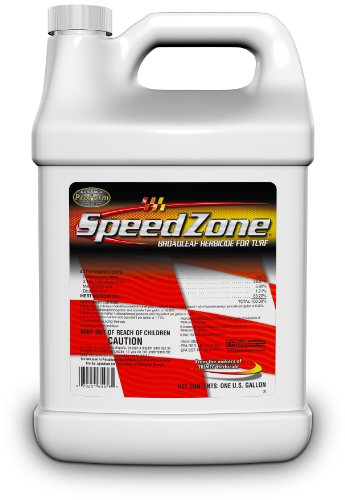
PBI Gordon SpeedZone EW Broadleaf Herbicide (128oz)

Roundup Weed and Grass Killer₄ Concentrate (64 fl. oz.)

Roundup Concentrate Plus Weed and Grass Killer (64 oz.)
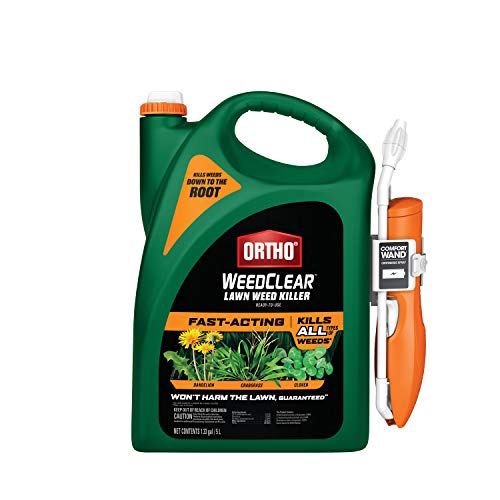
Ortho WeedClear Lawn Weed Killer Ready-to-Use (1.33 gal.)

Ortho WeedClear Lawn Weed Killer Ready-to-Spray (32 fl. oz.)
A Breakdown Of The Leading Choices
This quart bottle is not a herbicide on its own. It is a methylated seed oil, which means it acts as an adjuvant, a mixing additive that helps whatever post-emergent spray you already own spread evenly across the waxy leaf of clover and soak in deeper than water alone would allow.
I would reach for it when the herbicide in the garage is fine but seems to roll off the weeds or stop working after a rain. Most people using common broadleaf killers such as those targeting dandelion will see better leaf coverage once this oil is mixed in, and one quart typically seasons several mid-size yard treatments.
What Makes Sense
- Replaces petroleum-based crop oils for most post-emergent mixes
- Cuts surface tension so droplets cling to the leaf instead of beading up
- Works with herbicides like Poast and other grass-control formulas
- A single quart handles repeated treatments across a typical yard
- Helps existing sprays perform closer to their intended strength
Points To Keep In Mind
- Has no herbicidal power on its own, so it must always be paired with a real weed killer
- Over-mixing can scorch tender grass on hot afternoons
- Storage shelf life shortens once the container is opened and exposed to air
Feature Snapshot
Best Suited To
Homeowners who already own a broadleaf herbicide and want to squeeze more performance out of each tank mix without buying a second product.
Reach For A Different Pick When
The Southern Ag Non-Ionic Surfactant is a smarter choice for anyone who prefers a water-based, gentle surfactant that plays well with a wider variety of herbicide labels.
Where Item 1 leans on oil for deeper penetration, this gallon jug leans on a non-ionic surfactant. A surfactant is a wetting agent that lowers water’s surface tension so the spray clings to leaves instead of rolling off, and the non-ionic chemistry keeps it gentle on turf.
You might find the 128 oz size worth it once you start treating more than a couple of small patches, since refill bottles tend to disappear faster than expected across a full growing season. It pairs with most of the popular broadleaf herbicides on the market, including the common 2,4-D amine mixes people already use on clover.
The Upside
- One-gallon container handles many treatments without running dry mid-project
- Compatible with widely available herbicides like Atrazine and Brush Killer
- Encourages more uniform coverage on dense clover mats
- Non-ionic formula is gentler on desirable grass than harsher surfactants
Things To Consider
- Heavy to carry when full, so a pump or measuring cup helps with transfers
- Surplus supply only matters if you actually treat on a regular schedule
Whose Shelf It Belongs On
Treaters managing larger lawns or multiple beds across a season who want a single jug that lasts through repeat applications.
Swap It Out When
Pick the Roundup Weed and Grass Killer₄ Concentrate if you would rather grab a ready-to-spray herbicide that lists clover on the label and skip the mixing step altogether.
SpeedZone is a broadleaf herbicide built for cool-season turf such as fescue and bluegrass, and the EW version uses an emulsion-in-water formulation, which is a water-based carrier that holds active ingredients in tiny droplets for cleaner coverage. It targets a long list of broadleaf weeds, including clover, and the lower odor makes it easier to live with during application.
For homeowners in northern climates, this bottle feels aimed at the cool spring and fall windows when clover is actively growing. It is a concentrate meant for a tank sprayer, so plan on some prep time before heading outside.
Notable Gains
- Targets an extensive list of broadleaf weeds in one pass
- Lower-odor formula compared to older SpeedZone versions
- Designed specifically for cool-season turfgrass safety
- Emulsion-in-water carrier for cleaner spray coverage
- 128 oz jug supports multiple mid-size lawn treatments
Honest Caveats
- Cool-season only, so warm-climate lawns need a different approach
- Requires accurate dilution in a tank sprayer for safe results
- Not a casual weekend buy for first-time users
Spec Overview
Who It Suits Best
Confident DIYers in cooler regions who already own or are willing to buy a pump sprayer and want a broad-spectrum broadleaf herbicide.
A Better Fit Elsewhere
The Ortho WeedClear Ready-to-Use with Comfort Wand suits first-time users who would rather skip dilution entirely.
This concentrate skips the surfactant question entirely because it is the herbicide. It targets clover along with dandelion, crabgrass, and poison ivy, and the label spells out both red and white clover, which is the main complaint most homeowners raise.
The Sure Shot Wand included on the bottle turns this into a pointing-and-spray job rather than a mixing project. For most backyards with clover creeping into flower beds and walkways, that wand alone saves a real amount of setup time, and the rainproof window is short enough to plan around a normal afternoon.
Strong Points
- Lists clover (red and white) directly on the weed-target panel
- Sure Shot Wand helps direct the spray exactly where needed
- Rainproof window keeps surprises off the schedule
- Visible results show up within hours of application
Trade Offs
- Not lawn-safe, so any drift onto desired grass leaves a brown spot
- Replanting delay means timing matters for follow-up seeding
Feature Rundown
Right Fit For
Homeowners who need precision spot treatment along beds, walkways, and fence lines where clover has edged in next to desirable plants.
Look Elsewhere When
The Ortho WeedClear Lawn Weed Killer Ready-to-Spray is the better pick for clover growing inside the lawn, where broadcast coverage matters more than pinpoint aim.
Where the previous Roundup lives next to the flower bed, this version leans toward bigger jobs. The Easy Measure Cap is the standout detail here: it removes the guessing from dilution, which matters when you are filling a tank sprayer for a half-acre or clearing a stretch before reseeding.
It is a non-selective herbicide, so any desirable grass it touches is gone too. For whole-lawn renovations or bare-ground prep where clover has taken over, that is exactly the point, and the rainproof window keeps a passing cloud from ruining the timing.
Useful Highlights
- Easy Measure Cap removes the dilution guesswork
- Strong fit for large-area treatments and prep work
- Useful along fences, driveways, and gravel areas where clover spreads
- Rainproof quickly so a surprise shower doesn’t undo coverage
Things To Weigh
- Not safe for surrounding grass, so masking desirable turf is essential
- Not for use near existing edibles or food gardens
- Refill storage takes planning if you mix in batches
Made For
Homeowners clearing a weedy patch for a fresh lawn or driveway, who need strong control and a measuring system that prevents over-pouring.
Not Your Match When
The Southern Ag Methylated Seed Oil is the smarter buy for someone who already has a selective herbicide and only needs a performance boost.
Ortho WeedClear takes a different stance from the concentrates above: it is a selective weed killer for lawns, which means it aims to leave your grass alive while targeting the weeds. The Comfort Wand is a battery-powered sprayer handle that makes a long afternoon of walking the yard feel less like a workout.
For clover mixed into a healthy lawn, this is one of the most approachable options on the list. There is no mixing station, no measuring cup, and the 1.33-gallon jug covers a meaningful chunk of a typical yard before needing a refill.
A Few Highlights
- Selective formula spares lawn grass when used as directed
- Comfort Wand cuts hand fatigue during longer walks
- Targets clover along with dandelion and crabgrass
- Ready-to-use jug skips the entire dilution step
Small Caveats
- Larger jug is awkward to store between uses
- Performance varies with how evenly the wand sweeps across each patch
Perfect Match For
First-time clover fighters who want a no-mix product that respects the lawn underneath the weeds.
Where Another Pick Suits Better
Pick the PBI Gordon SpeedZone EW for cooler-region lawns where a stronger broadleaf formula and tank sprayer precision matter more than convenience.
The Ready-to-Spray version is the smallest, lightest option in the roundup. You attach it to a garden hose, squeeze the trigger, and the bottle mixes its own ratio as water flows through. There is no pump action and no wand to charge.
For a small patch of clover at the edge of a walkway or a stubborn spot by the mailbox, the 32 fl. oz. bottle finishes the job without dragging out the bigger 1.33-gallon jug. The same selective lawn-safe chemistry applies, so the grass around the clover stays green.
Advantages To Know
- Hose-end design skips any mixing or pumping
- Compact bottle stores easily on a shelf or in a garden tote
- Same selective formula as the larger Ortho option
- Targets a long list of broadleaf and grass weeds
- Useful for quick touch-ups between bigger treatments
Some Limits To Know
- Coverage runs short on anything larger than a small lawn patch
- Requires a standard garden hose with adequate pressure
Quick Facts
Who Should Grab It
Anyone with a small clover patch or a recurring trouble spot who wants the shortest setup possible.
Consider Something Else When
Choose the Roundup Concentrate Plus if the clover has spread across a larger stretch that needs serious, non-selective clearing.
What Matters Most Before Choosing A Clover Treatment
Clover control is not one-size-fits-all, and the right product depends on where the clover is growing and what surrounds it. Selective formulas protect lawn grass, while non-selective formulas kill everything they touch, so location is the first decision. Next comes the application method: ready-to-spray bottles suit small patches, concentrates need a pump sprayer, and adjuvants go into whatever spray you already mix.
The third factor is timing. Cool-season products like SpeedZone work best during spring and fall in northern climates, while warm-season lawns call for different active ingredients. Finally, consider rainproof windows, because a sudden shower can wash away a fresh treatment and waste the whole afternoon. Match the product to the lawn, not the other way around, and clover control gets a lot less frustrating.
Key Considerations Across These Picks
Pitfalls Shoppers Hit
The most common slip is grabbing a non-selective herbicide for a lawn full of clover, then watching the grass brown out alongside the weeds. Selective formulas exist for a reason, and reading the label for “lawn-safe” wording saves the lawn. Another trap is treating during a drought or at midday heat, when grass is already stressed and herbicide uptake turns unpredictable. Pick a calm, mild morning with rain a day or two away for the cleanest result.
Where The Extra Money Goes
Higher-tier bottles usually buy convenience features, like measuring caps, comfort wands, and longer rainproof windows, rather than stronger chemistry. The active weed-killing ingredients are often quite similar across price points. Paying more typically pays off when the bottle saves prep time, treats a larger area without refilling, or includes a wand that makes a long afternoon manageable.
Frequently Asked Questions
What Is The Best Time Of Year To Treat Clover?
Spring and early fall are ideal, when clover is actively growing and the plant moves herbicide down to the roots quickly.
Will Clover Killers Damage My Lawn Grass?
Selective formulas are designed to spare listed lawn grasses, while non-selective herbicides kill any plant they touch, including grass, so read the label carefully.
How Long Does It Take To See Results?
Most clover treatments show visible yellowing within hours, with full root kill taking one to three weeks depending on weather and application rate.
Can I Replant Grass After Using A Clover Killer?
Replanting windows vary by product, so checking the label’s reseeding interval prevents wasted seed and protects new growth from residual herbicide.
Do I Need A Surfactant With My Herbicide?
Surfactants improve coverage and uptake, especially on waxy clover leaves, and adding one often turns a mediocre result into a clean kill.