Dandelions arrive early, spread fast, and stubbornly return year after year. Choosing the right herbicide for your lawn depends on grass type, square footage, and how much elbow grease you want to spend. I put together this roundup to help you match a formula to your situation, so you spend less time battling weeds and more time enjoying a tidy yard.
Your Options, Compared
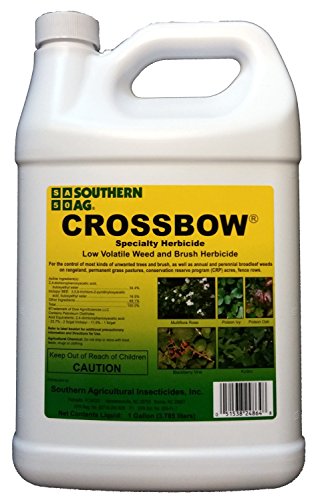
Southern Ag Crossbow Specialty Herbicide 128oz Gallon

Roundup Weed and Grass Killer₄ Concentrate 64 fl. oz.

Roundup Concentrate Plus Weed and Grass Killer 64 oz.
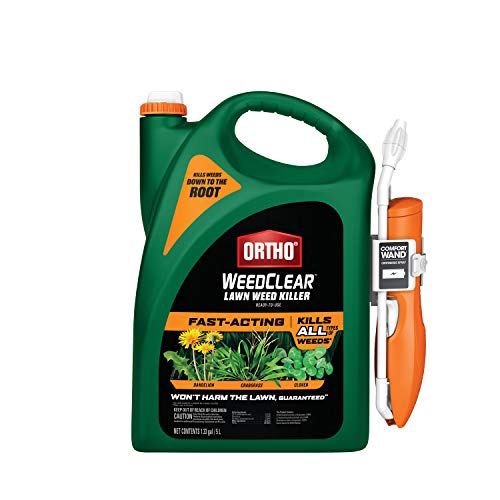
Ortho WeedClear Lawn Weed Killer Ready-to-Use 1.33 gal.
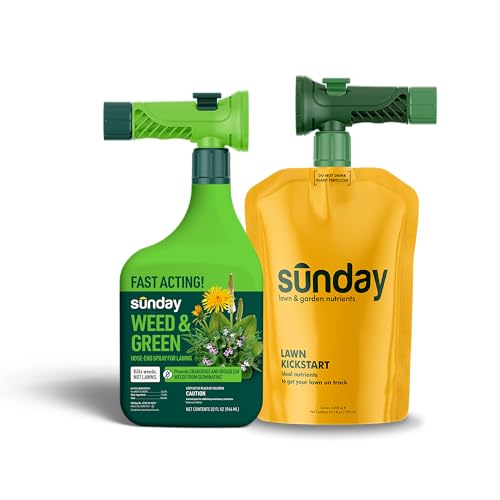
Sunday Liquid Weed & Feed Kills Dandelion & Crabgrass 5,000 Sq Ft

Ortho WeedClear Lawn Weed Killer Ready-to-Spray 32 fl. oz.
More Details On Our Top Picks
This is the kind of jug you reach for when dandelions have brought along friends: woody brush, stubborn vines, and thistle that laughs at lighter sprays. The gallon concentrates into a generous spray volume once diluted, which suits acreage and rough perimeter edges that smaller bottles struggle to cover. I see this fitting rural homeowners managing fence rows more than tidy suburban lawns, and the active ingredients lean toward serious brush control rather than gentle turf-safe spot treatment.
That strength cuts both ways. On a standard Kentucky bluegrass lawn, overspray can damage the turf you are trying to save, so restraint matters here. Compared with the ready-to-use picks later in this list, Crossbow expects a sprayer, a plan, and a steady hand.
What Stands Out
- Generous 128 oz jug dilutes into a large working spray volume, ideal for multi-acre or repeated use.
- Formulated for hard-to-kill brush and broadleaf weeds, not just common lawn weeds.
- Low-volatile blend suits fence lines, pastures edges, and unplanted zones.
- Concentrate format keeps storage compact relative to the coverage it produces.
Points To Note
- Not labeled as a broadcast turf spray, so accidental overlap can yellow desirable grass.
- Requires a separate tank sprayer, which adds gear and cleanup time for new owners.
- Strong brush-killing profile makes it overkill for a small front lawn.
Feature Snapshot
Right Fit For
Owners of larger rural lots with brush along fence lines, woodlots, and unplanted perimeters where dandelions share space with tougher growth.
Skip It When
You only need a few spot treatments in a tidy suburban lawn, in which case the Ortho WeedClear Ready-to-Use with Comfort Wand is the better fit.
Roundup’s K4 concentrate earns its place here by handling both the lawn weeds you can see and the root systems you cannot. Dandelion, large crabgrass, clover, and poison ivy all fall under its labeled targets, which makes it a versatile bottle for someone juggling flower beds, walkways, and a few tree rings. It comes with a Sure Shot Wand, and rainfast performance arrives quickly enough that an unexpected spring sprinkle rarely ruins a treatment.
The trade-off shows up around replanting. Depending on what you want to put back in the treated zone, you may be waiting anywhere from a day to a full month before it is safe to plant. Compared with the Ortho WeedClear options that follow, this one is broader-spectrum, which I find better for non-lawn areas.
Strong Points
- Targets dandelion plus other common lawn weeds, including crabgrass and clover, in one bottle.
- Rainproof in roughly 30 minutes, helpful in unpredictable spring weather.
- Comes with a Sure Shot Wand for shielded spot treatment near desirable plants.
- Visible results typically appear within hours of application.
Honest Caveats
- Not intended for broadcast use on living turf; aim carefully around grass you want to keep.
- Replanting intervals vary, so the booklet is worth a careful read before reseeding.
- Concentrate requires measuring and dilution, which adds a step for casual users.
Built With In Mind
Homeowners managing flower beds, tree rings, and walkway cracks where dandelions mix with other broadleaf invaders.
Swap It Out When
You want a turf-safe broadcast option for an established lawn, where the Ortho WeedClear Ready-to-Use with Comfort Wand fits more naturally.
This concentrate targets tougher weeds and grasses at the root, which makes it a go-to for prepping a future lawn or reclaiming gravel that has gone green. The Easy Measure Cap removes one of the most common mistakes in concentrate work: sloppy ratios. For someone who treats weeds several times a season, that little cap is a real quality-of-life feature.
It is rainproof in 30 minutes and fits a standard tank sprayer. I see this one suiting homeowners planning patio expansions, driveway cleanups, or full lawn renovations rather than quick spot work. Compared with the K4 concentrate, the Plus formula leans a touch heavier on total vegetation control.
What Helps Most
- Built-in measuring cap simplifies mixing and reduces waste.
- Targets the root, so regrowth is slower than contact-only sprays.
- Versatile around flowers, shrubs, and trees when applied carefully.
- Suited for larger projects like lawn replacement or plot preparation.
Factors To Consider
- Not intended for use around existing edible gardens, so placement matters.
- A tank sprayer is required, which is a step beyond ready-to-use options.
- Stronger vegetation control than needed for simple spot work.
Whose Shelf It Belongs On
DIYers tackling bigger jobs such as patio refreshes, gravel reclamation, or lawn renovation prep where dandelions are just one of several weed types.
Reach For A Different Pick When
You only have a handful of dandelions to treat, where the Ortho WeedClear Ready-to-Spray saves setup time.
Ortho WeedClear in the 1.33-gallon Ready-to-Use format is the easiest entry point for someone who has never sprayed a lawn before. There is no mixing, no measuring, and no extra gear. The Comfort Wand feels lighter than a rigid spray handle, which matters when you are crouching through a dandelion patch on a Saturday morning.
It targets broadleaf weeds down to the root without harming common lawn grasses when used as directed. That turf-safe profile is the reason it earns space in this roundup. Compared with the Roundup concentrates earlier, this is the gentler, lawn-first choice.
Good Reasons To Consider
- Ready-to-use formula means zero measuring or mixing for first-time users.
- Comfort Wand reduces hand fatigue during longer spot-treating sessions.
- Targets the root, so treated weeds are less likely to resprout quickly.
- Turf-friendly when applied according to the label directions.
Worth Bearing In Mind
- Larger container means more storage space in a garage or shed.
- Best for spot treatment, so whole-lawn infestations take patience.
- Coverage per gallon is lower than concentrates, which adds up on bigger yards.
Feature Snapshot
Best Suited To
Homeowners with established lawns who want a no-prep, turf-safe option for dandelions, clover, and similar broadleaf invaders.
Look Elsewhere When
Your weeds are mixed with brush or poison ivy on non-lawn zones, where Roundup Weed and Grass Killer K4 Concentrate handles more variety.
Sunday’s kit takes a different angle by splitting weed control and feeding into two steps instead of mixing them together. That separation is the main reason it lands on a thoughtful-design list: traditional weed-and-feeds sometimes push fertilizer onto stressed weeds and produce uneven results. Here, Weed & Green handles the dandelion and crabgrass pass first, then Lawn Kickstart follows with nutrition. For someone who wants a coordinated spring routine, that ordering feels intentional.
The footprint it covers, roughly 5,000 square feet, suits a typical suburban lot. Compared with the Ortho WeedClear options, this kit trades single-product simplicity for a more structured program. It also fits lawns up to about 4,000 sq ft, depending on the source detail.
The Helpful Details
- Two-step approach separates herbicide and fertilizer for cleaner timing.
- Covers a mid-size lot in a single spring routine.
- Designed to target dandelion and crabgrass specifically.
- Reduced combined pesticide load compared with one-shot weed-and-feeds.
Where It Is Less Suited
- Two-step routine takes more planning than a single-bottle approach.
- Coverage may fall short for properties over a half acre.
- Not a substitute for spot-treatments in non-lawn zones.
Made For
Homeowners who want a structured spring refresh on a mid-size lawn and prefer separating weed control from fertilization.
A Better Fit Elsewhere
You mostly fight weeds in non-lawn areas like driveways and walkways, where the Roundup Concentrate Plus Weed and Grass Killer is a stronger match.
The 32 oz Ready-to-Spray format keeps things simple: hook the bottle to a garden hose and walk the lawn. No wand to charge, no concentrate to measure, no tank to rinse afterward. For a small yard with a modest dandelion problem, this is a tidy little bottle that earns its space on a shelf.
Rainfast performance lands around an hour, and the formula targets broadleaf weeds down to the root. Compared with the larger Ortho WeedClear jug earlier, this trades volume for convenience. I find it best suited to touch-ups rather than full-lawn rescues.
Everyday Wins
- Hose-end sprayer removes any mixing or measuring from the routine.
- Compact 32 oz bottle stores easily in a small garage or shed.
- Targets broadleaf weeds, including dandelion, at the root.
- Fast-acting formula suited to quick seasonal touch-ups.
Trade-Offs To Consider
- Smaller volume means refills for yards with heavy weed pressure.
- Hose-end delivery is less precise than a wand for single weeds.
- Not designed for brush or non-lawn weed zones.
Feature Snapshot
Who Should Grab It
Small-lawn owners who want a low-effort seasonal touch-up without buying separate sprayers or measuring cups.
Consider Something Else When
You need precision on individual weeds without overspray, where the Ortho WeedClear Ready-to-Use with Comfort Wand is the better tool.
Matching The Right Formula To Your Lawn
Choosing a dandelion killer comes down to three honest questions: where the weeds grow, how much area you cover, and whether you want to spot-treat or feed the whole lawn at once.
Start with the location. Lawn-safe formulas like the Ortho WeedClear line are designed for use on living turf without harming common grass types, while non-selective concentrates such as Roundup’s K4 and Plus variants are intended for beds, walkways, and renovation prep where surrounding grass is not a concern.
Next, weigh the area. A 32 oz hose-end bottle handles a modest yard in a single pass, while a 64 oz concentrate or a 1.33-gallon Ready-to-Use jug suits larger lots and repeated use. The Sunday kit adds a fertilizer pass into the routine, which is helpful for whole-lawn spring programs but not necessary for isolated patches.
Finally, think about commitment. Ready-to-use formats remove the mixing step but cost more per ounce. Concentrates save money over a season if you already own a tank sprayer and do not mind a little cleanup. Match your willingness to prep against your yard size, and the right pick usually becomes clear.
Things Worth Knowing Before You Spray
Mistake-Proofing Your Application
The most common slip I see is treating the wrong zone with the wrong formula. Lawn-safe products work on broadleaf weeds in turf, but they will not stop brush or poison ivy in fence rows. The opposite mistake is using a non-selective concentrate across a lawn you want to keep, which turns a tidy yard into a yellow patchwork overnight.
Reading the label before mixing matters more than the brand on the jug. Pay attention to replanting intervals, especially if you plan to reseed bare spots. Many concentrates ask you to wait days or weeks before putting new grass seed down, and rushing that window wastes both seed and effort.
When Stepping Up Pays Off
Higher-tier picks in this category usually earn their cost through convenience or coverage. The Ortho WeedClear 1.33-gallon jug trades storage space for fewer refills across a season, and the Sunday kit adds a structured feeding step that single-bottle weed-and-feeds skip. Stepping up makes sense when you treat weeds more than once or twice a year, or when your lawn is large enough that the time saved per session adds up.
Frequently Asked Questions
When Is The Best Time To Treat Dandelions?
Fall is generally the most effective window because the plants push energy down to their roots, carrying herbicide with them. Spring treatments work too, but expect regrowth from any taproots the spray did not reach.
Are Lawn-Safe Weed Killers Harmful To Pets?
Most broadleaf weed killers used as directed dry before pets re-enter the treated area. Always follow the label’s re-entry guidance, and keep animals off freshly sprayed zones until the product has dried completely.
How Long Until I See Results?
Concentrate formulas often show visible wilting within hours, while ready-to-use sprays may take a day or two for clear effects. Root-killing action continues beneath the surface even after the leaves look gone.
Can I Plant Grass Seed After Spraying?
It depends on the product. Some concentrates require a waiting period of one to thirty days before reseeding, while ready-to-use formulas often allow quicker replanting. The product label spells out the exact interval for the formula you choose.
Do I Need A Separate Sprayer?
Only for concentrates. Ready-to-use picks like the Ortho WeedClear Comfort Wand and the hose-end Ready-to-Spray both ship with their own application hardware, so no extra gear is required.
Closing Remarks
Dandelions are persistent, but the right bottle makes them manageable. Match the formula to where the weeds grow, pick a size that fits your lawn, and your weekends get a lot quieter.