Florida lawns live a different life than most. Sandy soil, heavy summer rains that wash nutrients straight through, and a long growing season mean a generic fertilizer from a big-box shelf often falls flat by August. The right pick feeds the grass, steadies pH, and works with the climate instead of against it.
I’ve pulled together seven options worth comparing, from broad NPK blends to acid-loving plant food and a soil remineralizer. Florida-friendly lawns run the gamut: St. Augustine, Bahia, Zoysia, Bermuda, Centipede, and ornamentals like azaleas and blueberries that share the same beds. The list below matches each job to the right bag.
The Choices Worth Comparing
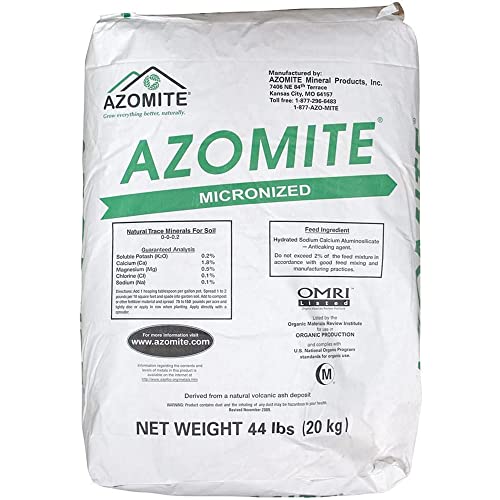
Azomite Raw Supply Organic Trace Mineral Powder 44LB Micronized
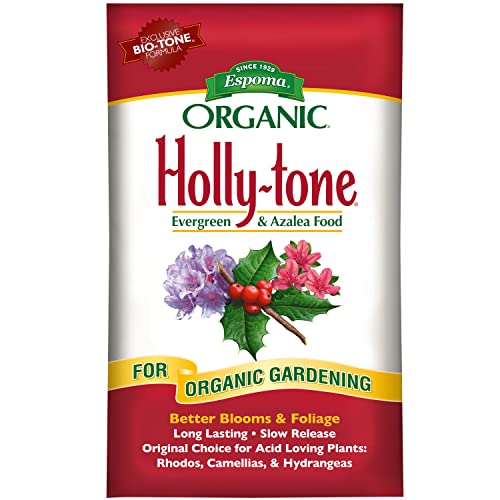
Espoma Organic Holly-Tone 4-3-4 Plant Food 36 lb

Supply Solutions Urea 46-0-0 Nitrogen Fertilizer 40 lb
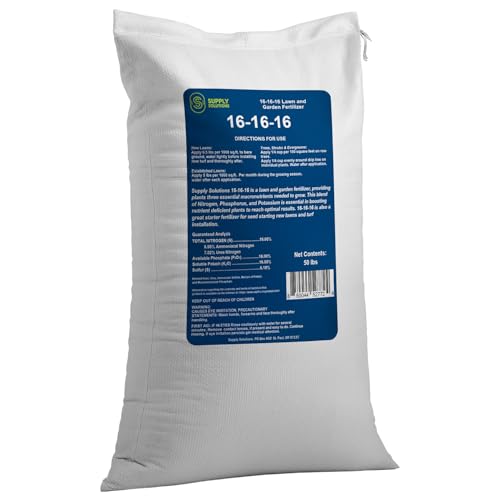
Supply Solutions 16-16-16 All Purpose Granular Fertilizer 50 lb

FoxFarm Happy Frog Tomato & Vegetable Fertilizer 5-7-3 (4 lb)

Supply Solutions 10-10-10 Granular Fertilizer with Micronutrients 50 lb

Supply Solutions 21-0-0-24S Ammonium Sulfate Fertilizer 50 lb
More Details On Our Top Picks
Azomite sits in a different lane than the rest of this list. It’s a mined mineral powder, not a traditional NPK (nitrogen, phosphorus, potassium) fertilizer, and the micronized form breaks down into a fine dust that spreads easily across tired soil. For a Florida yard that’s been fed the same three numbers for years, this is the kind of top-up that brings back depth the standard bag never had.
Most gardeners reach for Azomite when their lawn looks fed but still pale, or when ornamentals leaf out but fail to flower. The 44-pound size suits multi-bed properties where you’d otherwise buy three or four specialty bags. It mixes well with compost and won’t burn turf when applied at label rates.
Key Advantages
- Mined mineral profile that replenishes trace elements standard fertilizers leave behind.
- Micronized powder spreads smoothly by hand or with a broadcast spreader over broad areas.
- 44-pound size covers large Florida lots without forcing repeat purchases mid-season.
- Pairs well with compost and most NPK programs, so you can layer it into an existing feeding plan.
Things To Consider
- Not a stand-alone fertilizer, so you’ll still need a nitrogen source like the Urea pick later in this list.
- Fine powder can drift on breezy days; applying in still morning conditions helps.
Key Specs
Whose Yard It Belongs On
Anyone with a long-established Florida lawn whose soil feels tired or washed-out after heavy summer rains.
Skip It When
You want a single-bag green-up; Supply Solutions Urea 46-0-0 covers that job faster.
Espoma Holly-Tone has been the slow-and-steady choice for acid-loving plants for decades, and the 4-3-4 ratio reflects that measured approach. The nitrogen number sits below phosphorus and potassium on purpose, so roots and blooms get priority over leafy top-growth. For Florida beds full of azaleas, gardenias, camellias, and blueberries, that balance matters more than raw feeding power.
The 36-pound bag handles a serious landscape without forcing repeat trips. Espoma includes Bio-tone microbes in the mix, which help break down organic matter in sandy Florida soil where microbial life is often thin. It’s the kind of fertilizer that rewards patience: feed in spring and again in fall, and beds tend to come back stronger the next year.
What Works In Its Favor
- Bio-tone microbes support the soil biology that sandy Florida ground often lacks.
- 4-3-4 ratio feeds roots and flowers without pushing excessive leafy growth.
- Granular form is easy to work into mulch rings around ornamentals.
Honest Caveats
- Lower nitrogen means visible green-up takes longer than a synthetic 16-16-16 blend.
- Bag is heavy at 36 pounds; keep it dry or the granules clump.
Made For
Florida gardeners tending azalea borders, hydrangea hedges, and blueberry beds that prefer lower pH (more acidic soil).
Where Another Pick Suits Better
Turf-focused yards get more from the Supply Solutions 10-10-10, which spreads wider and feeds grass more directly.
Urea is the pure-nitrogen option on the list, and 46-0-0 means 46% of the bag’s weight is nitrogen. None of it is phosphorus or potassium. For Bahia, Bermuda, and Zoysia lawns across Florida, that’s actually useful: these grasses love nitrogen during their active months and don’t need heavy root-feeders in summer heat.
The 40-pound bag covers a wide lawn at standard application rates. The granular form breaks down with rain or irrigation, so timing matters: water it in within a day of spreading or you’ll lose nitrogen to volatilization (where the nitrogen evaporates as a gas into the air). Apply during cooler morning hours for the best uptake.
Points In Its Favor
- 46% nitrogen content delivers strong green-up at lower application volumes than balanced blends.
- Single-nutrient formula lets you pair it with targeted phosphorus or potassium without overlap.
- Granular texture flows through standard broadcast spreaders without clumping.
Points To Note
- Over-application burns turf easily; measure the lawn square footage before spreading.
- No phosphorus or potassium means you’ll need a separate source for flowering or fruiting plants.
Key Specs
Who Should Grab It
Bahiagrass and Bermuda owners chasing a fast green-up between summer rains.
A Better Fit Elsewhere
Vegetable gardeners are better served by FoxFarm Happy Frog, which balances nitrogen with phosphorus for fruit set.
Triple-16 is the classic balanced formula: equal parts nitrogen, phosphorus, and potassium. For a Florida property that mixes turf, ornamentals, and a small vegetable patch, that even split removes the guesswork. The 50-pound size is generous, so the bag covers most mid-size yards with room to feed beds and shrubs too.
The granular form spreads evenly through a rotary or drop spreader and breaks down with normal watering. Phosphorus in the mix supports root growth during establishment, which is helpful for newly sodded lawns or transplanted ornamentals. The potassium supports overall plant resilience, including stress tolerance during Florida’s humid summers.
What It Does Well
- Equal NPK ratio removes guesswork when feeding mixed turf and beds.
- Phosphorus supports new root systems in sod or transplants during spring establishment.
- Granular format works with any standard broadcast spreader.
- 50-pound bag covers large properties without mid-season restocking.
Some Limits To Know
- Phosphorus can build up over time in established beds that don’t need it.
- Higher nutrient load than a specialized acid blend, so avoid using on azaleas or blueberries.
The Right Fit
Homeowners who want one bag that handles lawn, shrubs, and a vegetable garden without buying three products.
Look Elsewhere When
Your yard leans heavily toward acid-loving plants; Espoma Holly-Tone handles those beds more safely.
FoxFarm Happy Frog is built for tomatoes, peppers, squash, and other heavy-feeding vegetables. The 5-7-3 ratio pushes phosphorus higher than nitrogen, which is exactly what fruiting plants want during bloom and fruit set. Calcium and mycorrhizal fungi (beneficial root-attaching fungi that help plants absorb nutrients) in the mix support cell wall strength and root efficiency in Florida’s typically low-organic sandy soil.
The 4-pound bag is smaller than the other options on this list, but a little goes a long way in a raised bed or small in-ground plot. It’s a granular formula, so you can work it into the soil at planting or side-dress (apply in a band along the row) mid-season. For most home vegetable gardens, one bag covers the spring and fall crops comfortably.
The Practical Payoff
- Higher phosphorus ratio directly supports tomato and pepper fruit production.
- Added calcium helps prevent blossom-end rot, a common Florida tomato issue.
- Mycorrhizal fungi support root efficiency in sandy, low-organic Florida soil.
What To Weigh
- Smaller 4-pound bag requires frequent repurchase for larger gardens.
- Formulated for edibles, so it’s less useful for general lawn feeding.
Perfect Match For
Backyard vegetable growers with raised beds or in-ground plots under 200 square feet.
Consider Something Else When
You need a one-bag solution for lawn and garden; the Supply Solutions 16-16-16 stretches further for mixed yards.
This 10-10-10 from Supply Solutions adds a layer most balanced fertilizers skip: micronutrients. Boron, manganese, copper, iron, and zinc round out the formula, which matters in Florida where sandy soil leaches (loses nutrients through water drainage) trace elements faster than clay-heavy ground. The lower 10% concentration of each macronutrient also makes it a gentler option than the 16-16-16 above.
The Nutripaction granule technology claims low-dust, uniform particles that flow through spreaders without breaking apart. The 50-pound bag covers broad acreage and pairs easily with compost or other targeted amendments. For homeowners who want a year-round feeding program without overloading any single nutrient, this sits in a useful middle ground.
A Favorable Mix
- Micronutrient package addresses common Florida deficiencies like iron and manganese.
- Gentler 10% concentration reduces burn risk on sensitive turf like Centipede.
- Low-dust granules flow cleanly through rotary and drop spreaders.
- Compatible with compost and other amendments for layered feeding programs.
Minor Gripes
- Lower nutrient concentration means heavier application rates than 16-16-16.
- Micronutrient package helps, but a soil test still beats guessing what’s missing.
Key Specs
Built With In Mind
Homeowners managing Centipede or St. Augustine lawns that need a gentler balanced feed with trace minerals.
Reach For A Different Pick When
You want maximum green-up from nitrogen alone; Supply Solutions Urea 46-0-0 handles that task faster.
Ammonium sulfate pulls double duty, and the label spells it out: 21% nitrogen plus 24% sulfur. The sulfur is the headline feature for Florida, because it gradually lowers soil pH over repeated applications. For alkaline patches of yard, or for acid-loving ornamentals like azaleas, camellias, and blueberries, that sulfur content is the reason to reach for this bag.
The 50-pound size handles a sizable landscape, and the nitrogen component delivers steady green-up alongside the pH shift. Apply it during the active growing season so plants take up the nitrogen before the sulfur starts working. In coastal or alkaline-soil pockets of Florida, this is one of the few fertilizers that addresses pH and nutrition in a single pass.
Good Reasons To Consider
- 24% sulfur gradually lowers soil pH for acid-loving ornamentals.
- 21% nitrogen drives green color in turf and ornamentals in one application.
- Single-product solution for alkaline-soil regions where pH correction is part of feeding.
Some Compromises
- Sulfur-driven pH change is slow; expect multiple seasons to see meaningful shifts.
- Not a general lawn fertilizer; over-application in non-acid beds can swing pH the wrong way.
Best Suited To
Florida gardeners with alkaline soil who also grow blueberries, azaleas, or camellias in the same landscape.
Not Your Match When
Your yard is already acidic; Espoma Holly-Tone feeds those plants without further pH adjustment.
What Matters Most When Picking Fertilizers For Florida Lawns
Start with the grass type. St. Augustine and Centipede want gentler nitrogen blends, while Bermuda and Bahia respond to stronger feeds like the urea option on this list. Match the bag to the turf first, then layer in any ornamentals separately.
Soil pH matters more than people expect in Florida. Sandy coastal soil often trends alkaline, which locks out iron and manganese even when they’re present. A pH test from a local extension office costs little and prevents years of guessing. If pH reads above 7.0, the ammonium sulfate pick earns its place.
Consider timing against the rainy season. Most Florida fertilizer ordinances restrict application before summer storms, and heavy rain washes nitrogen through sandy soil before grass can use it. Splitting applications into smaller, more frequent feedings often outperforms one heavy spring drop.
Finally, watch for micronutrient gaps. Florida’s sandy ground leaches trace elements fast, and a balanced NPK alone won’t address yellowing caused by iron or manganese deficiency. The 10-10-10 with micronutrients is built for that reality, but pairing any standard blend with an occasional Azomite top-up covers more bases.
Quick Notes Before You Buy
Traps First Timers Fall Into
The most common Florida lawn mistake is over-applying nitrogen during summer heat. St. Augustine and Centipede especially can burn or push thin top-growth that collapses under disease pressure. Another slip is treating the whole yard like it’s the same plant, when azaleas and St. Augustine have completely different feeding needs in the same bed. Map out what grows where before buying a single bag.
What The Upgrade Pays For
Higher-tier options on this list earn their cost through micronutrient packages, slow-release technology, and trace mineral diversity. For most Florida homeowners with a single lawn and a few beds, a mid-tier balanced blend covers the year. The upgrade to premium mineral mixes or specialty acid-loving blends makes sense when soil tests confirm specific gaps that generic NPK can’t address.
Frequently Asked Questions
How often should I fertilize a Florida lawn?
Most Florida lawns do well with two to four feedings per year, timed around spring green-up, early summer, and early fall. Centipede and St. Augustine prefer the lighter end of that range, while Bermuda handles more frequent feeding during its active growing months.
Can I use the same fertilizer on my lawn and my vegetable garden?
Yes, a balanced formula like 10-10-10 or 16-16-16 works for both turf and vegetables. Specialty edible blends like FoxFarm Happy Frog add calcium and mycorrhizal fungi that benefit fruiting crops specifically, so they’re worth the swap in raised beds and tomato plots.
Do I need a soil test before buying fertilizer?
A soil test is the most reliable way to know what’s actually missing. Florida’s sandy soil varies widely by neighborhood, so guessing leads to over-application of nutrients that aren’t lacking. Local extension offices offer affordable testing.
Is sulfur fertilizer safe for grass?
Ammonium sulfate is widely used on turf when applied at label rates. The sulfur component slowly adjusts pH over multiple seasons, so it works best as part of a longer feeding plan rather than a one-time correction.
What’s the difference between organic and synthetic fertilizer for Florida lawns?
Organic options like Espoma Holly-Tone release nutrients slowly through microbial activity, which suits Florida’s sandy soil by reducing leaching. Synthetic blends like urea or 16-16-16 deliver nutrients faster and more predictably, which helps during active growing seasons.
The Takeaway
Florida lawns reward fertilizer programs built around the climate, not against it. Sandy soil, summer storms, and a long growing season mean steady, balanced feeding beats heavy single applications every time. Match the bag to the grass, adjust for ornamentals, and let soil test results guide the upgrade decisions. The picks above cover the most common Florida scenarios, from broad turf feeding to acid-loving beds and alkaline-soil patches, so most homeowners can find their starting point here.