Texas lawns take a beating. Long, humid summers, alkaline clay soils, and unpredictable rainfall push turfgrass through nutrient swings that cooler regions rarely see. I pulled together seven products that address the core issues Texas homeowners actually face: pH imbalance, nitrogen demand, broad-spectrum feeding, and soil structure. Whether you tend St. Augustine, Bermuda, or a mixed yard, one of these belongs in your shed.
A Side-By-Side Look

The Andersons Elemental Sulfur pH Down 40 lbs

Supply Solutions Urea 46-0-0 Nitrogen Fertilizer 40 lb
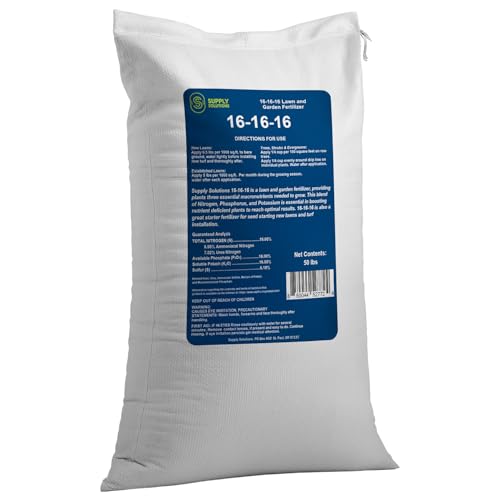
Supply Solutions 16-16-16 All Purpose Granular Fertilizer 50 lb

Lancaster Agriculture Greensand Soil Amendment 5 lb

Scotts All Purpose Continuous Release Plant Food 3 lb

Great Big Tomatoes Liquid Fertilizer Booster 1 Gallon

Supply Solutions 21-0-0-24S Ammonium Sulfate 50 lb
The Picks, Examined More Closely
Texas soil leans alkaline, and that single fact sabotages more lawns than any pest or disease. The Andersons Elemental Sulfur targets that root problem by lowering soil pH over time, which frees up iron and other micronutrients that grass roots struggle to absorb in alkaline conditions. At 40 pounds covering roughly 13,300 square feet, it suits most suburban lots without requiring repeat purchases mid-season.
The prilled, dust-free form spreads cleanly through a broadcast spreader and won’t burn turf, even when applied during warm stretches. Unlike the urea products later in this list, this is not a quick green-up tool. It works underneath the surface, reshaping the soil environment so future feedings actually pay off.
Real-World Strengths
- Non-burning formula allows application during summer stress windows without scorch risk
- Prilled granules flow smoothly through rotary and drop spreaders for even coverage
- Cumulative pH adjustment means a single bag often delivers visible results across a full growing season
- Plays well with any fertilizer program, so homeowners can pair it with the nitrogen sources listed below
- Safe across all warm-season turf types commonly grown in Texas
Things To Consider
- Results depend heavily on starting pH, so a soil test beforehand is wise
- Changes unfold gradually, meaning impatient gardeners may not see green-up for several weeks
- A 40-pound bag is heavy and benefits from a wheelbarrow for transport across the yard
Feature Snapshot
Made For
Homeowners across the Blackland Prairie, Hill Country, and Gulf Coast regions fighting stubborn alkaline clay that locks out nutrients.
Consider Something Else When
Pick the Supply Solutions 16-16-16 instead if your soil test shows balanced pH and you only need broad-spectrum feeding without soil correction.
Urea is the workhorse nitrogen source for warm-season turf, and this 46-0-0 formulation delivers it in concentrated form. For Bermuda lawns pushing aggressive summer growth, a nitrogen-rich feed like this drives the deep green color and dense canopy Texas homeowners want by mid-June. A single 40-pound bag covers meaningful acreage without breaking into a second purchase.
Compared to The Andersons sulfur pick, this product skips soil correction entirely and focuses on top growth. Pure nitrogen means no phosphorus or potassium, so it works best as part of a balanced program rather than a standalone annual feed.
What Helps Most
- 46% nitrogen concentration means small amounts go a long way across the lawn
- Drives the deep green color Bermuda and Zoysia growers expect through peak summer
- Granular format spreads evenly with standard rotary equipment
- Supports the protein synthesis that fuels blade and root expansion
Points To Keep In Mind
- Missing phosphorus and potassium means it cannot replace a complete fertilizer
- Over-application risks burn, particularly on St. Augustine in July heat
- Volatilization loss occurs if left on the surface without watering in
Built With In Mind
Bermuda and Zoysia lawn owners comfortable with split applications who want maximum green-up between spring and early fall.
Look Elsewhere When
Turn to the Supply Solutions 16-16-16 if you’d rather feed with a single balanced product instead of layering nitrogen on top of separate phosphorus and potassium sources.
The triple-16 formula is the Swiss Army knife of granular feeding. Equal parts nitrogen, phosphorus, and potassium cover the three macronutrients turf needs without forcing homeowners to juggle multiple bags. The 50-pound size makes it a practical choice for larger Texas lots where smaller bags run out mid-application.
Unlike the urea pick above, this option suits lawns and ornamental beds alike, making it a sensible grab when you want one product feeding the whole property. The phosphorus content also supports root development in newly laid sod or patch repairs.
What Earns Its Place
- Equal N-P-K ratio simplifies feeding schedules for mixed plantings
- Phosphorus supports root establishment in fall overseeding or spring sod work
- Granular texture flows through broadcast spreaders without clumping
- Large 50-pound bag reduces the number of store runs per season
Honest Caveats
- Phosphorus is restricted in some municipalities, so check local rules before applying near waterways
- Heavy 50-pound weight is awkward for gardeners without a spreader cart
- Less specialized than targeted feeds for problem soils
Quick Facts
Whose Shelf It Belongs On
Property owners with mixed lawn and garden beds who prefer one bag for the whole landscape rather than specialized feeds per area.
A Better Fit Elsewhere
Pick the Lancaster Agriculture Greensand if your soil structure is the bigger concern and you need long-term conditioning rather than quick nutrient delivery.
Greensand is mined from ancient seabeds and delivers potassium, iron, and trace minerals in a slow-release form. For Texas lawns struggling through sandy coastal plots or compacted clay, this amendment loosens structure and improves the water retention that hot summers punish. A 5-pound pack of 2 offers enough material for spot treatments across a typical yard.
This is a different tool than the granular fertilizers above. Where Supply Solutions 16-16-16 feeds turf directly, greensand rebuilds the soil itself, which makes future feedings more effective.
Where It Excels
- Improves moisture retention in fast-draining sandy soils common near the Gulf Coast
- Loosens heavy clay by adding mineral diversity and aerating structure
- Slow nutrient release reduces the leaching risk that plagues quick-release feeds
- Versatile across vegetable gardens, flower beds, lawns, and orchard plantings
Some Limits To Know
- Small 5-pound pack requires multiple applications for large properties
- Visible results take months, so it suits patient gardeners
- Not a complete fertilizer and needs pairing with nitrogen sources for full turf nutrition
The Right Fit
Gardeners rebuilding tired soil over multiple seasons who want a natural mineral amendment rather than a synthetic quick fix.
Reach For A Different Pick When
Choose the Supply Solutions Urea 46-0-0 if you need visible green-up within weeks and can’t wait for slow mineral release.
Scotts built this formula for gardeners who want steady feeding without watching the calendar. The continuous-release nitrogen delivers nourishment for up to two months per application, which takes the guesswork out of timing. A 3-pound container handles modest beds and small lawn patches without the bulk of the 50-pound bags elsewhere on the list.
For Texas homeowners with raised beds or flower borders rather than full-acre turf, this approach trades the heavy coverage of Supply Solutions picks for precision and ease.
Everyday Advantages
- Slow-release feeding reduces the risk of over-application mistakes common with quick feeds
- Compact 3-pound size stores easily on a shelf between uses
- Won’t burn plants when applied as directed, a relief for cautious newcomers
- Encourages vigorous root development alongside lush foliage
Trade Offs
- Too small for properties beyond a modest yard or two raised beds
- Premium convenience per pound means larger gardens spend more
Who Should Grab It
First-time gardeners and small-yard owners who want a forgiving formula that doesn’t punish scheduling slip-ups.
Not Your Match When
Switch to the Supply Solutions 16-16-16 if you’re feeding a full Texas lawn and need bulk granular coverage rather than a small container.
Liquid feeding has its place even in a fertilizer roundup dominated by granular options. This gallon-sized booster flows directly into the root zone, where vegetables absorb nutrients faster than they can from surface-applied granules. For Texas spring and fall garden beds, that rapid uptake translates into stronger fruit set during the narrow productive windows the climate allows.
Unlike every other pick here, this one targets vegetable production rather than turfgrass. That makes it a complementary tool rather than a substitute for the lawn-focused feeds above.
Why It Works Well
- Liquid delivery bypasses soil lock-up, so nutrients reach roots quickly
- One-gallon jug treats multiple garden beds across a growing season
- Supports larger fruit development in tomatoes, peppers, and similar crops
- Works alongside granular lawn feeds without competing for the same role
Worth Bearing In Mind
- Not designed for turfgrass, so it cannot replace a lawn fertilizer
- Liquid format requires mixing and application equipment versus dry spreading
Perfect Match For
Vegetable gardeners supplementing their lawn fertilizer program with targeted nutrition for tomato and pepper beds.
Swap It Out When
Pick the Supply Solutions 16-16-16 if you only feed lawn and landscape ornamentals and don’t maintain a separate vegetable plot.
Ammonium sulfate does two jobs in one pass: it delivers 21% nitrogen and 24% sulfur, while the sulfur component drives soil pH downward over time. For Texas yards with azaleas, blueberries, or magnolias struggling in alkaline conditions, this dual-action approach addresses both nutrition and soil chemistry without separate purchases.
The 50-pound size mirrors the 16-16-16 pick above and suits properties with substantial acid-loving plantings. Compared to The Andersons sulfur, this product includes nitrogen, so it functions as a feed plus soil acidifier in one bag.
Notable Gains
- Combined nitrogen and sulfur delivery simplifies feeding schedules for acid-loving plants
- Soil acidification effect supports nutrient availability in alkaline regions
- Suited to blueberries, azaleas, camellias, and rhododendrons common in Texas shade gardens
- Large 50-pound bag covers substantial landscape plantings in one purchase
Potential Compromises
- Acidity effect makes it unsuitable for turf or plants preferring neutral to alkaline soil
- Over-application can push pH too low, requiring careful measurement and monitoring
Details At A Glance
Best Suited To
Texas gardeners with established blueberry bushes, azalea hedges, or magnolia trees that need both nitrogen and lower soil pH.
Skip It When
Choose The Andersons Elemental Sulfur if you’re correcting lawn pH without feeding ornamentals and don’t need the nitrogen component.
What Matters Most Before Choosing Fertilizers For Texas Lawns
Match the Analysis, Not the Marketing
Texas soils span everything from blackland clay to sandy coastal loam, and each responds differently to the same bag. A soil test through your county extension office costs little and reveals pH, phosphorus, and potassium levels before you commit to a product. Skipping this step is the most common reason fertilizers disappoint: the lawn needs iron and you’re adding nitrogen.
Read the N-P-K Ratio Like a Menu
The three numbers on every bag stand for nitrogen, phosphorus, and potassium, in that order. A 16-16-16 delivers equal portions of each, while a 46-0-0 supplies nitrogen alone. For routine lawn feeding on established turf, a high-nitrogen or balanced ratio covers most needs. For new sod or patch repairs, the phosphorus in a balanced blend supports root development.
Consider Timing Against Texas Heat
Warm-season grasses like Bermuda, St. Augustine, and Zoysia grow actively from late spring through early fall. Feeding during dormancy wastes product and can encourage weed competition. Match applications to active growth windows for the turf type you maintain, and avoid heavy nitrogen during July and August heat spikes on St. Augustine.
Granular vs. Liquid Comes Down to Scope
Granular products spread across large lawns efficiently and store well between uses. Liquid feeds like the tomato booster work faster but suit smaller beds or supplement programs. Most Texas homeowners rely on granular for the lawn and reserve liquid for vegetable gardens and ornamentals.
Key Considerations Across These Picks
Pitfalls Shoppers Hit
The biggest mistake I see is applying nitrogen-heavy fertilizers to alkaline soil without correcting pH first. The grass greens briefly, then fades because iron and micronutrients remain locked out. Pairing a nitrogen source like Supply Solutions Urea with The Andersons Elemental Sulfur solves both halves of the problem. Another common slip is over-applying during summer, when heat already stresses turf and extra nitrogen amplifies the burn risk.
Where The Extra Money Goes
Premium picks in this category earn their cost through formulation quality, dust-free prilling, and balanced micronutrient packages. The Andersons sulfur, for example, spreads cleanly without the airborne mess cheaper sulfur powders create. Scotts continuous-release technology trades a higher per-pound cost for two months of steady feeding, which actually reduces total product use over a season. Spending up pays off when convenience, consistency, and reduced re-application frequency matter to your routine.
Frequently Asked Questions
How often should I fertilize a Texas lawn?
Most warm-season grasses benefit from feeding every 6 to 8 weeks during active growth, roughly April through September. Adjust based on your turf type and the product’s release pattern.
Do I need a soil test before choosing a fertilizer?
A soil test helps identify pH and nutrient gaps, which prevents wasted spending on the wrong product. It’s especially valuable before applying sulfur or ammonium sulfate, since both shift soil chemistry.
Can I use the same fertilizer on my lawn and garden beds?
Balanced products like 16-16-16 work across both, though specialized feeds may suit specific needs better. Vegetable beds often benefit from liquid supplements during fruit set.
When is the best time to apply sulfur to alkaline Texas soil?
Late fall or early spring gives sulfur time to react before the next growing season. Avoid peak summer, when heat and microbial activity vary widely across regions.
Are ammonium sulfate and elemental sulfur interchangeable?
They both lower soil pH, but ammonium sulfate also feeds nitrogen, while elemental sulfur works slowly without adding nutrition. Pick based on whether you want simultaneous feeding or pure pH correction.
Closing Remarks
Pick the product that matches your soil test, your turf type, and the size of your yard. The Andersons sulfur fixes the alkaline-soil issue that holds back most Texas lawns, while the Supply Solutions granular options feed actively growing turf. For vegetable gardens and acid-loving ornamentals, the liquid booster and ammonium sulfate fill specific niches the lawn-focused products don’t address. A thoughtful combination usually outperforms any single bag, especially in regions where soil and climate push back against one-size-fits-all approaches.