A leaky gas can turns a quick mow into a frustrating chore, and the wrong container risks spills on the driveway or worse in a hot garage. Picking the right fuel container matters more than most people think, especially when you’re topping off a mower after every couple of cuts.
I put together this list of seven gas cans that work well for lawn equipment, mixing heavy-duty metal options, plastic containers with smart spouts, and small-capacity picks for casual yard work. Each one handles a slightly different need, so there’s a fit for everyone from weekend gardeners to small fleet owners.
The Picks In Brief

Justrite Type II Gasoline Safety Can
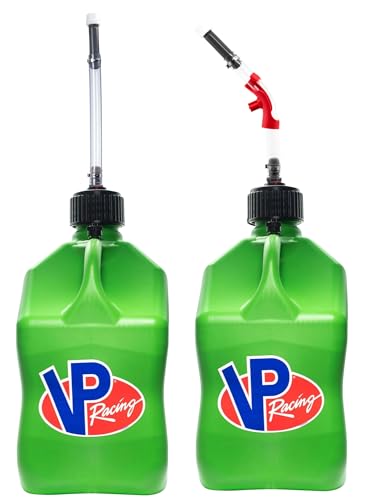
VP Racing Utility Container 5.5 Gallon 2-Pack

No Spill 1415 1.25 Gallon Gas Can

Justrite Type I Gasoline Safety Can

Midwest Can 6-Gallon Poly Gas Can

No Spill 1405 2.5 Gallon Gas Can
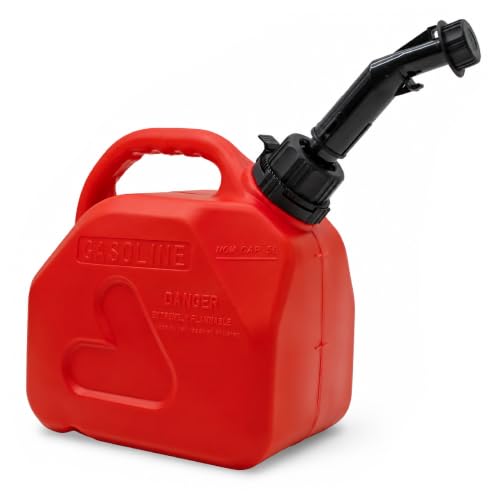
LAUCO 1.5 Gallon Portable Fuel Container
Meet The Standout Selections
Anyone running a serious workshop or maintaining a fleet of equipment will appreciate what this Justrite brings to the table. The galvanized steel body holds up to years of repeat use, and the red powder-coat finish resists chemical wear that would pit cheaper cans. It’s noticeably heavier than the plastic options below, so the trade-off is portability versus durability.
For homeowners with one push mower, this may feel like overkill, but for someone fueling a zero-turn, a generator, and a leaf blower on the same lot, the controlled dispensing and flexible metal hose save real time. The Type II design includes two openings, which means filling and pouring stay separate and cleaner.
Features That Help
- Galvanized steel construction with a chemical-resistant powder-coat finish for long service life
- Patented manifold and Safe-Squeeze trigger create smooth, glug-free fuel flow
- Flexible metal hose reaches awkward mower tank openings without awkward tilting
- Ergonomic lift lever speeds up refills during busy weekends
- Pressure-tested build supports commercial and industrial use
Worth Noting
- Heavier than plastic cans, which may matter for users carrying it across uneven yards
- Larger footprint takes up more shelf space in a small garage
Key Product Details
Made For
Shops, small farms, and homeowners managing multiple gas-powered machines who prioritize long-term durability over light weight.
Reach For A Different Pick When
The Midwest Can 6-Gallon Poly Gas Can is a lighter, plastic alternative for someone who wants a bigger reservoir and doesn’t need a steel body.
The VP Racing 5.5-gallon pair is a workhorse bundle that goes beyond gasoline. Each container ships with a deluxe hose and a hose bender, which is a real time-saver when reaching into oddly shaped mower or generator tanks. The green color is a nice visual cue for non-fuel contents, and the 5.5-gallon size is a sweet spot between bulk and portability.
Versatility is the headline here. People commonly use these jugs for feed pellets, birdseed, and recyclable automotive fluids, so the same container can swing between jobs. The trade-off is that VP Racing markets these as utility jugs rather than EPA-certified fuel containers, so users handling fuel exclusively may want a dedicated gas can instead.
Strengths Worth Knowing
- Two containers with two deluxe hoses and a Get Bent hose bender included
- Works for gasoline, automotive fluids, feed pellets, and birdseed
- 5.5-gallon size is manageable for one person to lift when needed
- Recyclable plastic construction
Trade Offs
- Marketed as utility containers, not specifically EPA-certified fuel cans
- Green color is distinctive, which some users prefer not to display around the garage
Feature Snapshot
Best Suited To
Property owners who want a flexible container that handles both fuel and other yard or shop materials.
Swap It Out When
The No Spill 1405 2.5 Gallon Gas Can is a better fit for someone refueling a single push mower on a set schedule.
Small push mowers and string trimmers don’t need a five-gallon jug sitting in the garage, and the No Spill 1415 leans into that reality. At 1.25 gallons, it’s light enough to carry with one hand and small enough to stash on a narrow shelf. The thumb-button control keeps pours tidy, even for users who’ve struggled with spouts that won’t stop dripping.
People topping off a single mower every few weeks get the most from this size. Anyone running a full acre with multiple gas tools will outgrow it fast and end up refilling mid-mow, so pairing it with a backup or stepping up to a larger can makes sense for bigger lawns.
What Earns Its Place
- Thumb-button control gives precise, drip-free pouring
- 1.25-gallon size fits easily on garage shelves or in a truck bed
- Nozzle automatically stops the fuel flow to prevent overfilling
Less Ideal Details
- Small capacity means frequent refills for users with multiple gas tools
- Plastic body can show scuffs after heavy outdoor use
Who Should Grab It
Homeowners with a small push mower or trimmer who want a tidy, easy-to-store container for routine top-offs.
Look Elsewhere When
The No Spill 1405 2.5 Gallon Gas Can offers the same drip-free design with double the capacity for bigger yards.
The Type I is the simpler cousin of the Justrite at position one, and that simplicity is the point. A single-spout design means fewer parts to wear out or replace, and the 24-gauge galvanized steel body holds up to years of garage duty. USA manufacturing also tends to mean tighter quality control, which matters for a container that sits near heat sources.
Compared to the Type II reviewed earlier, this version trades a flexible hose for a more traditional spout. Users with tight, oddly angled mower tanks may find the rigid spout a touch awkward, but for straightforward pouring into a generator or a riding mower, it does the job cleanly.
What Pays Off
- Single-spout design reduces leak points and simplifies pouring
- 24-gauge galvanized steel body with chemical-resistant powder-coat finish
- USA manufacturing for tight build quality
- Good fit for long-term fuel storage in sheds and garages
Points To Keep In Mind
- No flexible hose, so filling awkward mower tanks requires more care
- Heavier than plastic cans, which may matter for users carrying it across uneven yards
Feature Rundown
Whose Shelf It Belongs On
Homeowners who store fuel for seasonal use and want a steel can that outlasts several plastic replacements.
Where A Sibling Pick Shines
The Justrite Type II is a better fit when flexible pouring into tight mower tanks is the daily reality.
Big yards and small equipment fleets drain a 1.25-gallon can in a hurry, and that’s where the Midwest Can 6-gallon comes in. The HDPE plastic body is lighter than steel, so hauling six gallons from the truck to the mower isn’t a wrestling match. The FlameShield Safety System pairs an internal flame mitigation device with a vapor-locking spout for two layers of protection.
Compared to the smaller No Spill cans reviewed earlier, this jug holds several times more fuel and adds an auto-shutoff feature that prevents spills when the target tank is full. The trade-off is bulk, both in storage footprint and in lift weight when full, so users without a dolly or cart may want to keep it on a flat surface near the vehicle.
What Helps Most
- HDPE plastic with barrier materials to reduce hydrocarbon emissions during storage
- Quick-Flow Spout delivers noticeably faster fill rates
- Auto-shutoff nozzle prevents overfilling and spills
- FlameShield Safety System with internal flame mitigation device and vapor-locking spout
Potential Drawbacks
- Full weight is substantial, around 36 pounds when filled, so a dolly helps
- Larger footprint requires dedicated garage or shed space
Perfect Match For
Owners of larger properties or multiple gas tools who refill less often and want a single high-capacity container.
Consider Something Else When
The LAUCO 1.5 Gallon Portable Fuel Container is a smarter pick for users with a single mower and limited shed space.
Mid-size mowers and weekly cutting schedules land right in the No Spill 1405’s sweet spot. The 2.5-gallon capacity handles a couple of refills without becoming a heavy lift, and the thumb-button pouring control solves the most common complaint about cheaper gas cans, namely unexpected splash-back. The 7/8-inch funnel spout fits into mower openings where wider spouts struggle.
Owners moving up from a 1.25-gallon jug appreciate the doubling of capacity without giving up the controlled pour. The dust cover that ships attached is a small but thoughtful touch, since it keeps the spout clean when the can lives in a shed corner or rides around in a truck bed.
Everyday Advantages
- Thumb-button pour control keeps fuel flow steady and drip-free
- 2.5-gallon size is easy to lift and store for most adults
- Attached dust cover protects the spout from debris between uses
Small Caveats
- Plastic spout can stiffen in cold weather, requiring a moment to flex before pouring
- Color options may be limited depending on the listing
The Right Fit
Homeowners with a self-propelled mower or a small riding mower who want a balance of capacity and easy handling.
Skip It When
The Midwest Can 6-Gallon Poly Gas Can is the better call for anyone fueling a full fleet of equipment in one session.
Not every yard needs a giant jug, and the LAUCO 1.5-gallon fills a niche for people with limited shed space or a single small mower. The rotating pour spout angles to direct fuel into the tank opening, which helps in tight spots where a rigid spout would splash. The integrated carry handle keeps one-handed trips from the truck to the mower simple.
Compared to the No Spill 1415 reviewed earlier, this can trades EPA-compliant certification marks for a slightly different spout design and a marginally larger capacity. Users who don’t need formal EPA certification and value a rotating spout over an auto-stop nozzle will find this fits a casual mowing routine just fine.
Where It Helps
- Rotating pour spout adjusts to different tank angles for smoother transfers
- 1.5-gallon size stores easily in small sheds and truck beds
- Integrated carry handle supports one-handed transport
Honest Caveats
- Smaller capacity means frequent refills for users with multiple gas tools
- Plastic body may scuff with rough handling in truck beds
Quick Facts
Who Will Love This
Apartment dwellers, townhouse owners, and casual gardeners who want a compact container that lives in a closet or small shed.
Not Your Match When
The No Spill 1405 2.5 Gallon Gas Can is a better pick for users who want EPA-compliant certification and a slightly larger reservoir.
What Matters Most When Picking A Gas Can For Your Mower
Material And Build Quality
Steel cans resist dents and last longer in heavy rotation, but they add weight and show rust if the coating chips. Plastic containers, usually HDPE (high-density polyethylene, a tough, chemical-resistant plastic), are lighter and won’t corrode, though they can crack after years of UV exposure in a sun-facing shed.
For most homeowners running a single mower, HDPE is the practical default. For shop or commercial use, galvanized steel earns its keep.
Capacity Versus Portability
A larger can means fewer trips to the gas station, but a full 5- or 6-gallon container is heavy and awkward to lift. Smaller 1.25- to 2.5-gallon cans are easier to carry and store but require more frequent refilling.
The honest read is that capacity should match the size of the lawn and how often the user wants to refill, rather than the largest size available.
Spout Design And Pour Control
Auto-shutoff nozzles, thumb-button triggers, and flexible hoses all solve the same problem: keeping fuel off the driveway and the mower’s paint. Fixed-spout cans cost less and pour fine into open tanks, but struggle with tight or recessed openings on modern small engines.
A rotating spout or a thumb-button pour control makes a noticeable difference for users who refill weekly.
Safety Features
Flame mitigation devices, vapor-locking spouts, and pressure-relief mechanisms reduce the chance of a flashback or vapor cloud igniting. EPA-compliant containers meet standards for vapor emissions during storage, which matters for anyone keeping fuel indoors or in an attached garage.
For sheds detached from the home, basic safety features usually suffice.
Key Considerations Across These Picks
Where Shoppers Go Wrong
Many people grab the cheapest jug on the shelf without checking whether the spout actually fits their mower’s tank opening. Some mower tanks have small, recessed fill necks that need a 7/8-inch funnel-style spout, and a generic wide mouth will splash fuel everywhere.
Another common slip is storing fuel in a sun-facing shed where heat and UV break down plastic over time. A shaded corner or an indoor closet extends the can’s life considerably.
When Paying More Pays Off
Spending more usually buys better pour control, longer-lasting materials, and integrated safety features that cheaper cans skip. For someone refueling a mower every week, the upgrade pays back in saved frustration and cleaner refills. For a once-a-month user with a small push mower, the cheaper plastic jug is often enough, and the savings stay in the wallet.
Frequently Asked Questions
How Often Should I Replace A Plastic Gas Can?
Most HDPE cans last several years with reasonable care, but exposure to direct sunlight, repeated drops, or visible cracking are signs to swap one out. Storage in a shaded shed dramatically extends lifespan.
Can I Use The Same Can For Gasoline And Other Fluids?
It’s best to dedicate one can to gasoline to avoid contamination. Utility jugs like the VP Racing option handle non-fuel materials, but fuel should stay in a clearly labeled, dedicated container.
What Size Gas Can Is Best For A Push Mower?
A 1.25- to 2.5-gallon can is the practical range for most push mowers, since the tank typically holds well under a gallon. Larger cans add weight without reducing refill frequency much.
Are Metal Gas Cans Safer Than Plastic?
Metal cans resist punctures and heat better, while quality plastic cans are lighter and won’t rust. Both are safe when used as intended, so the choice comes down to weight tolerance and storage conditions.
Do I Need EPA-Compliant Containers For Home Use?
EPA-compliant containers are required in some states for sale, and they’re a sensible choice for indoor or attached-garage storage. For sheds detached from the home, basic safety features usually cover typical homeowner use.
Closing Remarks
The right gas can comes down to matching capacity, weight, and spout design to a specific mowing routine. Small yards and weekly refills favor compact plastic jugs with controlled pours, while larger properties and multi-tool fleets benefit from high-capacity HDPE or rugged steel containers. Pick the can that fits the actual workload, and the rest of the season runs a little smoother.