Michigan lawns live a tough life. Long snowy winters, humid summers, and that shoulder season between fall and spring can leave thin, patchy yards in need of real repair. I put this list together for homeowners who want grass that actually holds up through the freeze-thaw cycle without constant reseeding.
A Fast Comparison Of The Options

Outsidepride Climax Timothy Pasture Grass Seed – 50 Lbs.

Pennington Annual Ryegrass, Grass Seeds for Lawn, 10 Lb

Outsidepride Legacy Fine Fescue Grass Seed Mix – 5 lbs.
Outsidepride Climax Timothy Pasture Grass Seed – 10 Lbs.

Grass Seed Premium RYE Gulf Annual Oregon Grown 50 LBS
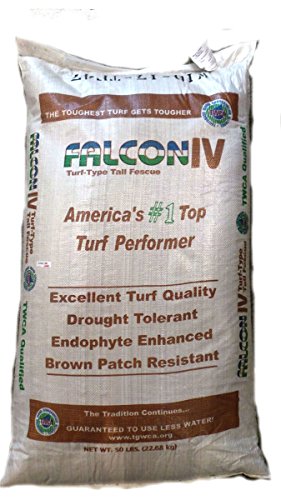
SeedRanch Falcon IV Turf Type Tall Fescue Grass Seeds – 10 lbs.
The Picks, Examined More Closely
Timothy grass is a cool-season perennial that thrives in USDA Zones 3 through 7, which covers almost the entire Lower Peninsula and most of the Upper Peninsula. The 50-pound bag is sized for serious acreage: think hobby farms, multi-acre horse paddocks, or rural homesteads that need a winter-hardy forage base.
Its late-maturing growth habit gives it an edge over earlier varieties. Forage quality holds up well into late spring, and the stems cure nicely when cut for hay. Anyone with a few chickens, goats, or small livestock looking for a digestible, palatable grass will appreciate that it doubles as a bedding and grazing source across the season.
Strong Points
- Perennial growth habit, so it comes back each spring without reseeding
- Winter-hardy down to Zone 3, ideal for Michigan’s coldest pockets
- Deep roots help stabilize soil on slopes and erosion-prone ground
- High-fiber forage supports digestion in goats, chickens, and horses
- Late-maturing cycle gives better drying windows for hay harvest
- Naturally resistant to many common pasture diseases
Worth Noting
- 50 pounds is overkill for a typical suburban lawn, so this is really for acreage
- Timothy prefers fertile, well-drained soil and struggles in waterlogged spots
- Not a turf grass, so it looks coarse and bunchy underfoot rather than carpet-like
Right Fit For
Small-acreage livestock keepers and homesteaders in northern Michigan who want a reliable, winter-hardy forage grass they can graze and cut for hay.
Skip It When
Your project is a front lawn, not a pasture. Pennington Annual Ryegrass suits a quick lawn repair much better.
Annual ryegrass germinates fast, often within a week under the right soil conditions, which makes it the kind of seed you reach for when bare patches are staring back at you after a long winter. Pennington’s 10-pound bag fits the scale of most Michigan suburban lots without much waste.
Where it really earns its place is overseeding. For homeowners wanting quick green-up in early fall before the snow flies, or temporary cover while a longer-term lawn establishes, this seed fills in gaps quickly. The trade-off is lifespan: annual rye dies back after one season, so it works best as a short-term bridge rather than a permanent lawn base.
Everyday Advantages
- Rapid germination shows results in roughly a week
- Bright green color lifts a tired lawn through late fall
- Bag size fits typical suburban overseeding jobs
Trade Offs
- Annual lifecycle means you’ll reseed yearly for lasting cover
- Wide blades can look coarse next to finer Kentucky bluegrass
- Doesn’t tolerate deep shade as gracefully as fescue blends
Quick Facts
Whose Lawn It Belongs On
Homeowners wanting a fast fall overseed to thicken up thin spots before winter dormancy, especially on sunny lots in the Lower Peninsula.
Look Elsewhere When
You need a permanent, shade-tolerant lawn. Outsidepride Legacy Fine Fescue Grass Seed Mix handles dense tree cover with more finesse.
Fine fescues have a reputation for handling the tough spots other grasses avoid, and this Legacy blend leans into that strength. It combines Hard, Chewings, and Creeping Red fescue, which together handle dense shade, dry patches, and lean Michigan soils better than most cool-season mixes on the shelf.
The OptiGrowth coating is the practical add-on here. The seeds come dressed with zinc, phosphorus, nitrogen, and kelp nutrients, which can speed up germination and improve seed-to-soil contact during the critical first few weeks. For shaded yards under maples and oaks, or for slopes that dry out in July, this is a measured upgrade over plain fescue.
Why It Works Well
- Shade-and-sun versatility handles mixed light conditions in one yard
- OptiGrowth coating feeds seedlings during the vulnerable establishment window
- Fine leaf texture gives a softer, denser appearance than ryegrass
- Drought tolerance beats many Kentucky bluegrass cultivars
Honest Caveats
- Slow to establish compared to ryegrass, so patience matters
- Doesn’t bounce back well from heavy foot traffic in play areas
- 5-pound bag covers a smaller area, so larger yards need multiple bags
Made For
Michigan homeowners with mature trees and shifting sunlight who want a low-input lawn that handles shade, dry spells, and lean soil without constant babysitting.
Swap It Out When
You want a sun-baked lawn that handles heavy play. SeedRanch Falcon IV Turf Type Tall Fescue Grass Seeds handles rough use and heat better.
The same Climax timothy variety as the larger 50-pound bag, just in a friendlier size for backyard plots. For a Michigan household keeping a few chickens or a couple of goats on a half-acre, 10 pounds is plenty to seed a meaningful grazing patch without committing to a full agricultural pallet.
Like its bigger sibling, it stays green through cool weather and cures well for hay. The deep-rooted growth also doubles as erosion control on slopes or worn-out patches where topsoil has thinned. Compared to the 50-pound option, the smaller bag trades some cost-per-pound efficiency for storage convenience.
A Few Strong Suits
- Smaller bag fits a garage or shed without taking up a corner
- Same hardy perennial variety as the larger bag
- Versatile use across grazing, hay, and ground cover
Points To Note
- Cost per pound runs higher than the 50-pound version
- Still a forage grass, not suited for manicured lawn areas
- Germinates slower than ryegrass, so spring seeding needs planning
Who Should Grab It
Hobby farmers with modest acreage or backyard chicken keepers who want timothy hay without buying bulk livestock quantities.
A Better Fit Elsewhere
Larger operations that can move pallet quantities. The 50-pound Outsidepride Climax Timothy Pasture Grass Seed makes more economic sense at scale.
Gulf annual rye is a fast, wide-blade grass built for quick coverage of problem spots. The 50-pound bag covers a lot of ground, which makes it the right scale for homeowners with extensive bare areas, new construction lots, or large patches killed off by grub damage the previous summer.
Hardiness Zones 1 through 7 means it tolerates a wide range of conditions, including the colder northern stretches of Michigan. The catch is the same one shared by all annual ryes: this grass is a temporary fix, not a permanent turf base. Expect a thick green cover through fall and spring, then plan to overseed with a perennial the following season if you want lasting lawn.
Reasons It Performs
- Wide-blade growth fills bare ground quickly
- Coverage area handles multi-thousand-square-foot projects
- Tolerates colder zones than many cool-season ryes
Potential Drawbacks
- Annual lifecycle means reseeding each year for ongoing cover
- Coarse texture stands out next to finer lawn grasses
- Bulk bag requires dry storage space
Key Product Details
Best Suited To
Michigan homeowners recovering from heavy lawn damage or seeding large bare areas who want fast, temporary cover at a scale smaller bags can’t reach.
Reach For A Different Pick When
You want a permanent lawn, not a one-season patch. Pennington Annual Ryegrass handles smaller overseeding jobs with similar speed and easier storage.
Falcon IV is a turf-type tall fescue bred for the traits homeowners actually care about: dark green color, fine texture, and resistance to the diseases that typically hit cool-season lawns in humid summers. For southern Michigan where July and August bring sticky heat, that built-in disease resistance matters.
Tall fescue also has deeper roots than Kentucky bluegrass or perennial rye, which translates to better drought survival when rainfall gets sporadic. It’s a strong pick for full-sun yards with active families or pets, where wear tolerance is just as important as color. Compared to the Outsidepride Legacy Fine Fescue Grass Seed Mix, this one trades some shade performance for tougher wear and heat handling.
The Upside
- Heat and disease resistance suits southern Michigan summers
- Deep root system handles drought stress better than bluegrass
- Wear tolerance holds up under kids, pets, and foot traffic
- Dark green color stays consistent through the growing season
Less-Strong Areas
- Doesn’t spread by rhizomes, so damaged spots need reseeding
- Slower to fill in than ryegrass during initial establishment
- Coarser leaf than fine fescue, though finer than older tall fescues
Feature Rundown
Who Will Love This
Lower Peninsula homeowners with sunny, high-traffic yards who need a durable lawn that survives humid summers and dry spells.
Where Another Pick Shines
Heavily shaded lots under dense tree canopy. Outsidepride Legacy Fine Fescue Grass Seed Mix is built for that environment.
What To Weigh Before Choosing Michigan Grass Seed
Michigan spans USDA Zones 4 through 6, which puts the state firmly in cool-season grass territory. That means the smart picks come from grasses bred for cold winters and moderate summers, with Kentucky bluegrass, perennial rye, fine fescue, and tall fescue as the usual standouts. Warm-season grasses struggle here once frost arrives, so it’s worth checking the bag’s hardiness zone before committing.
Sunlight exposure shapes the choice more than most people expect. A yard with six or more hours of direct sun opens up tall fescue, perennial rye, and Kentucky bluegrass blends. A yard shaded by maples, oaks, or pines pushes you toward fine fescue, which handles lower light without thinning out. Soil type also plays a role. Sandy soils in western Michigan drain fast and favor drought-tolerant grasses, while clay-heavy soils in the southeast need varieties that tolerate wet feet.
Timing matters as much as the seed itself. Late summer to early fall is the strongest window in Michigan because soil stays warm while air cools, giving seedlings a head start before winter dormancy. Spring seeding works too, but young grass has less time to root before summer stress arrives.
For homeowners juggling livestock and lawn goals, the choice splits cleanly. Timothy and other pasture grasses serve forage needs, while turf-type fescues and rye handle lawn aesthetics. Trying to mix the two usually ends with a yard that looks ragged and pasture that underperforms.
Key Takeaways Across These Picks
Mistakes Worth Dodging
A common slip is grabbing a warm-season grass bag on clearance, only to watch it die back at the first Michigan frost. Cool-season blends are the safe path. Another trap is overseeding in peak summer heat, when seedlings struggle against drought stress and weed competition. Late August through mid-October gives much better results.
What The Upgrade Buys
Higher-tier bags often come coated with nutrients like zinc, phosphorus, or kelp, which feed seedlings during the fragile establishment window. That coating doesn’t replace good soil prep, but it can shave days off germination and improve coverage in tough conditions. For yards with poor soil or shade challenges, that small upgrade often pays back in fewer reseeding passes.
Frequently Asked Questions
When Is The Best Time To Seed A Lawn In Michigan?
Late August through mid-October is the strongest window, since soil stays warm while air cools. Spring seeding works but gives grass less time to root before summer stress arrives.
Can I Mix Different Grass Seed Types Together?
Yes, blends are common and often outperform single-variety bags. Combining ryegrass with fescue or bluegrass adds speed, shade tolerance, and durability in one pass.
How Long Does Grass Seed Take To Grow In Michigan?
Annual ryegrass germinates in about a week under good conditions. Fescues and Kentucky bluegrass take two to three weeks. Full lawn establishment usually needs one full growing season.
Do I Need To Water New Grass Seed Daily?
Keep the top inch of soil consistently moist until germination. That often means light watering once or twice daily for the first two to three weeks, then tapering as roots deepen.
Will Grass Seed Survive A Michigan Winter?
Perennial varieties planted in early fall develop strong roots before frost and survive winter dormancy. Annual varieties die off in cold weather, so they’re a temporary cover rather than a permanent lawn.
Closing Thoughts
The right grass seed depends less on brand and more on matching the seed to your yard’s light, soil, and purpose. Cool-season blends handle Michigan’s climate best, with fine fescues leading in shade and tall fescues carrying the load in sunny, high-traffic spots. Take a quick look at your yard’s conditions before ordering, and the rest of the choice tends to fall into place.