A weedy lawn pulls focus from the rest of a yard, and pulling weeds by hand rarely keeps up once the season gets rolling. Herbicides for lawns give homeowners a faster path back to clean turf, whether the goal is spot-treating dandelions or clearing an overgrown patch before reseeding. The five options below cover different approaches, from granular concentrates to pet-friendly formulas and a spray-marking dye that solves one of the most common DIY mistakes.
A Quick View Of The Lineup

Roundup QuikPro 6.8 lb. Jug
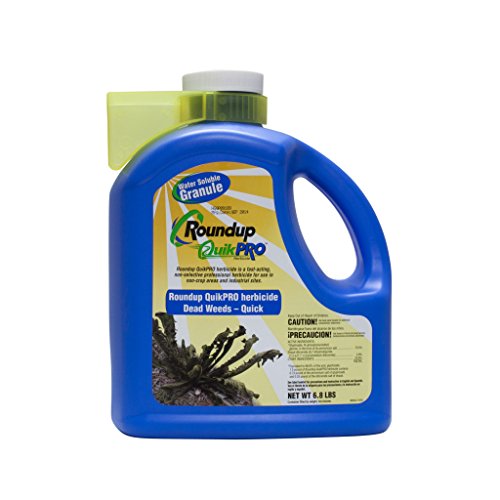
Roundup Quickpro 6.8 lb.

Roundup Pro Concentrate 2.5 gal.
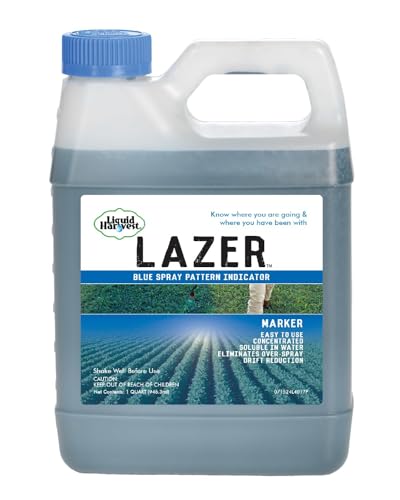
Liquid Harvest Lazer Blue 32 oz.

Natural Armor Weed & Grass Killer 4-Gallon
More Details On Our Top Picks
The Roundup QuikPro jug is built for homeowners who want visible results without waiting a full week to confirm the spray worked. The water-soluble granule format mixes into a standard pump sprayer, so cleanup at the end of the day is just rinsing the tank.
For a homeowner reclaiming a neglected side yard before fall reseeding, this jug delivers the kind of complete vegetation clearing that lets new grass go in clean. It suits people comfortable handling a concentrated formula and who only treat a few times per season.
Where It Excels
- Granular form dissolves cleanly, leaving no suspended particles to clog nozzle tips.
- A single 6.8 lb. jug covers a sizeable residential lot when diluted per label directions.
- Fast burndown means homeowners can plan seeding or sod work shortly after treatment.
- Works on both broadleaf weeds and grass-type invaders, simplifying one-product cleanup.
Things To Consider
- Granules must be measured and mixed, which adds a step compared to ready-to-spray bottles.
- Storage in a dry shed matters since moisture exposure can clump the powder before use.
Feature Snapshot
Built With In Mind
Homeowners clearing overgrown patches ahead of a reseeding project, who want fast visible results and don’t mind mixing concentrates.
Consider Something Else When
Pet owners worried about chemical exposure should look at the Natural Armor Weed & Grass Killer instead, which skips glyphosate entirely.
Where the original QuikPro focuses on quick burndown, this Quickpro formulation leans harder into systemic control, working through the plant to reach roots that keep sending up shoots. For someone fighting established perennial weeds that bounce back after surface treatment, that root-level action is the difference between a clean bed and a recurring headache.
It fits homeowners who treat the same trouble spots year after year and want to break the cycle. The jug format and mixing process mirror the previous pick, but the emphasis shifts toward long-term cleanup.
What Makes Sense
- Targets root systems, reducing regrowth from stubborn perennial weeds.
- Same jug size as the standard QuikPro, so storage and refilling stay familiar.
Honest Caveats
- Slower visible results than surface-burn formulas, which can test patience.
- Requires accurate dilution since over-concentration wastes product and risks turf damage nearby.
- Granule mixing adds setup time compared to a pre-mixed liquid jug.
Whose Shelf It Belongs On
Homeowners battling recurring perennial invasions who want systemic cleanup and don’t mind waiting a bit longer for visible results.
Swap It Out When
Someone needing wide-acreage liquid coverage will find the Roundup Pro Concentrate Herbicide easier to work with at volume.
This 2.5-gallon concentrate is sized for the homeowner who has moved past spot-treating and is now managing fence lines, driveway edges, and pasture sections across multiple acres. Compared to the granular jugs above, this liquid concentrate pours directly into a tank sprayer with no dissolving step, which speeds up refills when you’re covering ground.
It’s a working formula for someone treating a property regularly, not a one-time cleanup. Availability is regional, since the product isn’t shipped to Wisconsin or New Jersey, so shoppers in those states will need to plan around a substitute.
What It Does Well
- Liquid concentrate mixes faster than granules, cutting refill time during big jobs.
- 2.5-gallon volume suits multi-acre properties without constant resupply trips.
- Works on both weeds and woody brush, simplifying mixed-vegetation cleanup.
- PROformance surfactant blend helps the solution stick to foliage in humid conditions.
Trade Offs
- Not available for shipment to Wisconsin or New Jersey, which rules out the formula for shoppers in those states.
- Larger jug requires dedicated storage space away from children and pets.
Key Product Details
Who Should Grab It
Property owners managing acreage or long fence lines who prefer liquid mixing over granular prep and live outside restricted shipping zones.
Where Another Pick Suits Better
Someone with a small suburban lot will find the smaller Roundup QuikPro jug easier to store and finish before the product ages.
The Lazer Blue dye isn’t a herbicide on its own, but it’s the most overlooked tool in a herbicide routine. Mixed into a water-based spray solution, it tints the application blue so missed patches and double-sprayed strips are visible at a glance. For homeowners who have ever stared at brown spots days later and wondered whether they sprayed that area, this removes the guesswork.
It mixes with water-based herbicides, fungicides, pesticides, and liquid fertilizers, and the tint fades with weather and sunlight rather than staining surfaces permanently. Anyone who values accuracy over speed should keep a bottle in the shed.
Bright Spots
- Blue tint shows coverage in real time, cutting down on skipped patches and overlap.
- Works with most water-based herbicide and fertilizer mixes for versatile use.
- Non-permanent color fades naturally with sun and rain exposure.
Points To Keep In Mind
- Only mixes with water-based solutions, so oil-based carriers won’t take the dye.
- Adds a small step to spray prep since the dye must be measured and mixed separately.
Right Fit For
DIYers who treat irregular lawn shapes or patterned beds and want visual confirmation that every spot got coverage.
Not Your Match When
Homeowners using only ready-to-spray bottles may find mixing a separate dye more hassle than benefit compared to the Roundup QuikPro jug workflow.
Natural Armor’s case of four one-gallon refills is the pick for households that want weed control without glyphosate in the mix. The formula targets more than 250 weed and grass types, so coverage stays broad even without the active ingredient found in the Roundup options above. It’s a ready-to-spray concentrate, meaning no measuring or dilution step at the tank.
For families with curious pets or kids who share yard space with the spray zone, this is the gentlest option on the list. The trade-off is that natural formulas often take longer to show full results, so patience matters here.
A Favorable Mix
- Glyphosate-free formula suits households prioritizing pet and kid safety.
- Ready-to-spray format skips measuring and dilution for faster setup.
- Four-gallon case stretches across a full season of spot treatments.
- Works around flower beds, walkways, and fence lines without special equipment.
Possible Compromises
- Natural formulas typically work slower than glyphosate-based concentrates, so re-treatment may be needed.
- Four one-gallon containers require a corner of the garage or shed for storage.
Who Will Love This
Pet owners and parents who want effective weed control without glyphosate and prefer a ready-to-spray format over concentrate mixing.
Look Elsewhere When
Homeowners dealing with deeply rooted perennial weeds may need the systemic strength of the Roundup Quickpro jug instead.
Picking The Right Herbicide For Your Lawn
Choosing herbicides for lawns comes down to matching the formula to the yard’s weed pressure, the homeowner’s comfort with mixing, and any household safety priorities. A small yard with scattered dandelions calls for a different approach than a half-acre overrun with brush.
Start by identifying the weed type. Broadleaf weeds like dandelions and clover need different active ingredients than grass-type invaders, and brush clearing requires the heaviest formulas on the list.
Next, decide between ready-to-spray and concentrate formats. Ready-to-spray bottles cut setup time but cost more per ounce, while concentrates reward homeowners willing to measure and mix.
Finally, consider household factors. Pets and kids sharing the yard often point shoppers toward glyphosate-free options, while remote fence lines may justify a stronger concentrate.
Format And Application Style
Granular concentrates like the QuikPro jugs dissolve into tank sprayers and suit homeowners who already own spray equipment. Liquid concentrates pour directly in and save time during refills. Ready-to-spray bottles work best for spot treatments and small yards.
Coverage Area And Yard Size
A 6.8 lb. jug covers a typical suburban lot per treatment. Properties over an acre benefit from the 2.5-gallon liquid jug, while small patches and flower beds need only a ready-to-spray bottle or a fraction of a concentrate mix.
Safety And Household Priorities
Glyphosate-based formulas handle tough weeds efficiently, but households worried about exposure can find solid performance in glyphosate-free options. Anyone spraying near play areas, vegetable gardens, or pet zones should weigh that trade-off carefully.
What To Watch Before You Buy
Common Shopping Slip Ups
The most frequent mistake is underestimating coverage needs. A single small bottle rarely handles a full-yard treatment, so shoppers end up ordering twice and paying double shipping. The second common slip is grabbing a concentrate without checking sprayer compatibility. Some pump sprayers handle granules fine, others clog at the nozzle. Verify tank type before ordering.
Where The Extra Money Goes
Premium pricing on herbicides for lawns typically buys faster visible results, broader weed-type coverage, and surfactant blends that help the formula stick to foliage in humid or rainy conditions. For homeowners treating once a season, the upgrade rarely matters. For regular users, faster results and rainfast formulas save real time across a growing season.
Frequently Asked Questions
How long does it take for lawn herbicides to show visible results?
Most fast-acting formulas show yellowing within 24 to 72 hours, with full die-off taking up to two weeks depending on weather and weed type.
Can herbicides for lawns harm nearby grass or plants?
Non-selective formulas damage any plant they contact, so shielded spraying near desirable turf and ornamentals is essential to avoid collateral damage.
Do I need a separate sprayer for liquid concentrates?
A dedicated pump sprayer keeps cross-contamination from becoming an issue, and many homeowners find a single 1 to 2-gallon tank handles most residential jobs.
How often should lawn herbicides be applied during a growing season?
Spot treatments can repeat as new weeds emerge, while full-yard treatments usually happen once or twice per season depending on weed pressure.
Are glyphosate-free herbicides less effective than traditional formulas?
Glyphosate-free options often work more slowly and may require re-treatment, but they handle common broadleaf weeds effectively for households prioritizing safety.
Wrap Up
The right herbicide depends less on brand and more on the weeds in front of you and the household using the yard. Homeowners with tough perennial problems will lean toward the Roundup concentrate jugs, while families with kids and pets may prefer the Natural Armor case. The Lazer Blue dye earns a spot in any shed as a coverage-checking sidekick. Pick the formula that fits the job and stick with it for a season.