I put together this list because most homeowners only think about fuel additives when their mower refuses to start in spring. By then, gum and varnish have already settled into the carburetor and fuel lines. A small bottle of the right additive, used at the right time, prevents that whole headache.
The picks below split into two camps: storage stabilizers that keep gasoline fresh through winter, and engine-oil treatments that target wear on moving parts. I leaned on the source specs to match each option to a realistic ownership scenario, and I called out where another pick on the list serves a different lawn better.
The Lineup, Simplified

STA-BIL Storage Fuel Stabilizer 4 oz 8-Pack

Mercury Quickstor Fuel Treatment and Stabilizer 12 oz

HappyFuel Premium Fuel Stabilizer

Briggs and Stratton SAE 30 Engine Oil and Fuel Treatment Pack

STA-BIL In-Season Fuel System Treatment 32 oz 6-Pack
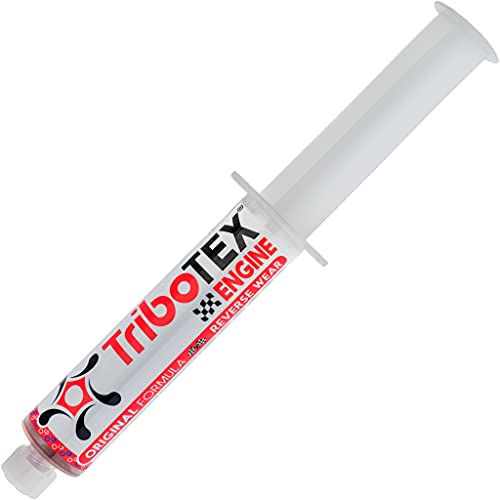
TriboTEX Nano Oil Additive Car Engine Treatment
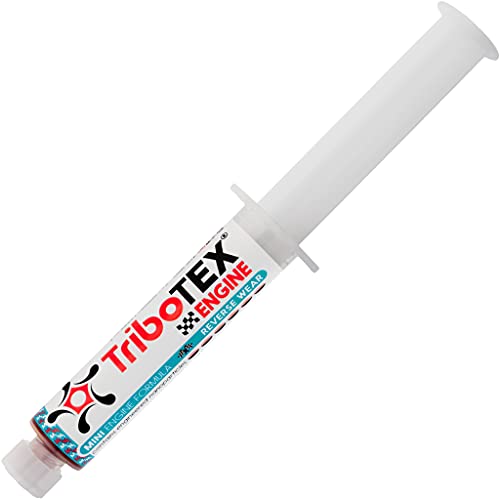
TriboTEX Small Oil Additive Engine Treatment

TriboTEX Oil Additive Diesel Engine Treatment
Meet The Standout Selections
For homeowners who tuck a push mower, a snow blower, and maybe a generator into the shed every fall, STA-BIL’s classic stabilizer is the dependable default. The eight-bottle format means a fresh bottle each season without measuring partial doses, and the 4 oz size handles a single mower or snow blower cleanly. Where the Mercury formula targets marine fuel systems specifically, this one reads as the all-purpose storage jug for mixed small-engine ownership.
The format works well for anyone who treats fuel care as a once-a-year task rather than a habit. One bottle per machine, marked with the year, keeps the routine simple.
A Strong Showing
- Eight individual bottles cover multiple machines or multiple seasons without cross-contamination of partial bottles
- Compact 4 oz size pours into a small fuel tank without overflow or measurement fuss
- Established formula recognized across the small-engine category for off-season storage
- Useful for more than mowers, including snow blowers, generators, and tillers parked over winter
Things To Consider
- Strictly a storage stabilizer, so it does not clean injectors or address varnish already inside the system
- Owners commonly report that the small bottle neck requires a steady hand when fueling up
Quick Facts
Right Fit For
Seasonal homeowners who winterize one or two small engines and want a single purchase to last several years.
Look Elsewhere When
Marine owners running ethanol-blended fuel through an outboard should consider Mercury Quickstor Fuel Treatment and Stabilizer for its NMMA-certified storage claim.
Mercury’s Quickstor leans into its marine heritage, with a 12 oz bottle and a 1 oz-per-5-gallon dose that suits anyone managing larger fuel volumes. Where the STA-BIL 8-pack above suits a single mower on a shelf, this one stretches further across boats, generators, and a half-dozen gas cans in the garage. The NMMA certification signals a tested shelf-life claim rather than a marketing line.
For homeowners with a riding mower plus a marine outboard or a large fuel stockpile, the per-gallon cost lands more comfortably than buying many single-use bottles.
Key Advantages
- Larger 12 oz bottle handles boats, generators, and bulk fuel storage without running out mid-routine
- Dosing ratio of 1 oz per 5 gallons keeps the math simple for non-standard tank sizes
- NMMA certification tied to a gasoline protection program adds credibility to the storage claim
- Compatible with both 2-stroke and 4-stroke carbureted and fuel-injected engines
Points To Note
- Single 12 oz bottle, so there is no multi-season redundancy if the seal fails in storage
- Priced higher per ounce than the STA-BIL 4 oz 8-Pack for owners with only one small machine
Best Suited To
Property owners with a riding mower, a boat, and several gas cans who want one bottle to cover the whole fleet through winter layup.
Swap It Out When
Anyone with a single push mower and minimal fuel storage will find STA-BIL Storage Fuel Stabilizer 4 oz 8-Pack easier to dose without waste.
HappyFuel positions itself as a single bottle for the entire garage, covering classic cars, boats, lawnmowers, snowmobiles, and motorcycles from the same jug. Where Mercury’s product leans into marine certification and STA-BIL leans into multi-pack convenience, this one markets breadth. For households that actually have that varied lineup, the breadth argument holds together.
The trade-off is brand recognition: it lacks the multi-decade reputation of STA-BIL or the marine stamp of Mercury. The source mentions antioxidant chemistry, which suits owners who worry about oxidation in fuel that sits for months.
Everyday Perks
- Marketed for a wide engine mix, so one bottle covers everything from a motorcycle to a snowmobile
- Antioxidant focus targets oxidation, the chemistry behind stale fuel smells and gum deposits
- Useful for gasoline stockpiles intended for emergency generators
Worth Noting
- Less brand heritage than STA-BIL or Mercury, so long-term field data is thinner in user reports
- Dose-per-gallon ratio not listed in the source data, which makes precise dosing harder to plan
Feature Snapshot
Whose Shelf It Belongs On
Garage owners with five or more recreational engines who want to skip juggling multiple specialty bottles.
Reach For A Different Pick When
Anyone needing marine-specific certification should consider Mercury Quickstor Fuel Treatment and Stabilizer instead.
This bundle pairs two 18 oz bottles of Briggs and Stratton SAE 30 engine oil with a 2 oz fuel treatment bottle that treats up to 10 gallons of gas. It is a one-trip solution for an oil change and a storage top-up at the same time, which suits the seasonal tune-up ritual. The fuel treatment side is the smaller bottle, so this pack reads more as an oil-change kit with a stabilizer bonus than as a dedicated fuel additive.
Owners running Briggs and Stratton engines get matched chemistry rather than a generic third-party oil, which simplifies parts decisions.
What Pays Off
- Two 18 oz bottles of SAE 30 cover two oil changes for typical small engines
- Included 2 oz fuel treatment handles 10 gallons of storage fuel in one dose
- OEM-matched oil chemistry for Briggs and Stratton engines
A Few Limitations
- Fuel treatment bottle is small, so multi-machine storage needs extra product
- Bundle assumes SAE 30 is the right grade, which is not ideal for all climates or engine types
Who Should Grab It
Briggs and Stratton owners scheduling an end-of-season oil change alongside a fuel storage top-up.
Consider Something Else When
Anyone whose storage list runs longer than 10 gallons of fuel will find STA-BIL Storage Fuel Stabilizer 4 oz 8-Pack a better volume match.
Where the first STA-BIL pick on this list is a winterization tool, this in-season formula lives in the gas can all summer long. The 32 oz bottle inside a 6-pack adds up to a serious volume, suited to commercial crews or homeowners mowing several acres weekly. The product is built to clean fuel injectors, lines, and pumps rather than just stabilize fuel over time.
Anyone noticing rough idle, hesitation, or a stumble under load on a frequently used mower can add this to fresh gas and let the chemistry address water, gum, and varnish in the running engine.
Notable Gains
- Six 32 oz bottles cover an entire mowing season for a large property or small fleet
- Targets active fuel system components, not just storage chemistry
- Addresses water contamination, a real issue with ethanol-blended pump gas
Worth Bearing In Mind
- Overkill for a homeowner who mows a quarter acre once a week
- Heavier 32 oz bottles require more storage space in the shed or garage
Feature Rundown
Perfect Match For
Large-lot owners or commercial crews who mow frequently and want fuel system cleaning built into their routine.
A Better Fit Elsewhere
Casual homeowners who only need winter protection should stick with STA-BIL Storage Fuel Stabilizer 4 oz 8-Pack.
TriboTEX shifts the conversation away from fuel and into the engine oil itself. The product uses synthetic nanoparticles designed to form a diamond-like carbon coating on bearing surfaces, targeting wear that has already accumulated. Where the STA-BIL products on this list protect fuel, TriboTEX claims to address mechanical wear inside the engine.
For a high-hour lawn tractor with several hundred mowing seasons behind it, the value proposition is restoring compression and reducing bearing noise rather than preventing fresh fuel problems.
Useful Highlights
- Nanoparticle chemistry targets bearing wear rather than fuel degradation
- Compatible with all motor oil types, including conventional and synthetic
- Works in gas and diesel engines, which suits mixed small fleets
Trade Offs
- Single treatment bottle covers one larger engine, so multi-machine garages need multiple units
- Nanoparticle claims are unique to this brand and harder to cross-check than fuel additive specs
Right Fit For
Owners of older lawn tractors or compact diesels with noticeable bearing wear who want to extend engine life.
Skip It When
Anyone focused on fuel freshness and storage should reach for STA-BIL Storage Fuel Stabilizer 4 oz 8-Pack instead.
This is the small-engine sibling of the previous TriboTEX pick, dosed for one motorcycle, lawn mower, or generator at a time. Where the larger bottle targets trucks and small diesels, this one stops at single-cylinder or small-displacement use. The 4-stroke and 2-stroke compatibility matters for owners running both a push mower and an older motorcycle in the same shed.
The brand’s nanoparticle chemistry carries over, but the bottle size matches the smaller oil capacities of walk-behind mowers.
Benefits That Matter
- Dosed correctly for small engine oil capacities, no wasted product
- Compatible with both 2-stroke and 4-stroke engines for mixed small-engine garages
- Targets bearing wear on aging push mowers and generators
Points To Keep In Mind
- Treats only one machine per bottle, so multi-mower households buy in multiples
- Priced higher per ounce than fuel stabilizers, which may feel steep for casual users
Technical Highlights
Who It Suits Best
Push mower owners with a noisy or rough-running engine who want bearing restoration without buying a truck-sized bottle.
Where A Sibling Pick Shines
Riding mower or compact tractor owners should consider TriboTEX Nano Oil Additive Car Engine Treatment for its larger treatment volume.
The third TriboTEX variant on this list targets big diesel engines, sized for one large diesel truck or tractor. Diesel wear patterns differ from gasoline, with higher compression loads on bearings, so the nanoparticle dose scales up accordingly. For homesteaders running older diesel compact tractors, this addresses a different wear profile than the small-engine sibling above.
Where the previous TriboTEX reviews focused on small engines, this one closes the roundup by acknowledging that some readers mow with diesel-powered machines rather than gasoline ones.
Practical Pluses
- Treatment volume scaled for one larger diesel engine rather than under-dosing a big motor
- Targets bearing wear that comes with high compression loads in diesel engines
- Suitable for diesel pickups and compact diesel tractors alike
Less Ideal Details
- Niche relevance, since most residential mowers run on gasoline rather than diesel
- Costs more than the small-engine TriboTEX sibling due to higher treatment volume
Made For
Homesteaders and rural property owners running diesel compact tractors for mowing and fieldwork.
Not Your Match When
Anyone with a standard gasoline mower will find STA-BIL In-Season Fuel System Treatment 32 oz 6-Pack a more relevant fuel-side investment.
Picking The Right Fuel Additive For Your Mower
The first decision is timing. Storage stabilizers go in at the end of the mowing season, after the last cut, and stay in the tank through winter. In-season fuel treatments go in with every fresh tank of gas during the mowing season to keep injectors, lines, and pumps clean. Mixing the two roles into one product usually means doing neither job well, which is why the STA-BIL line at the top of this list splits them into separate SKUs.
The second decision is fuel volume. A homeowner with one push mower and a single gas can needs small bottles that pour without waste, like the STA-BIL 4 oz 8-pack. A property with a riding mower, a generator, and a stockpile of 5-gallon cans needs the larger Mercury 12 oz bottle or the in-season 32 oz 6-pack to avoid running out mid-routine. The Briggs and Stratton bundle fits a third profile: someone already buying OEM oil who wants an additive bundled into the same purchase.
The third decision is whether fuel is even the right place to focus. Older mowers with bearing noise or compression loss may benefit more from an oil-side treatment like the TriboTEX variants. For most backyard mowers with fewer than a hundred hours on the clock, fuel-side stabilizers solve the more common problem. Higher-hour machines with mechanical wear symptoms deserve a look at the oil-side picks instead.
Key Considerations Across These Picks
Pitfalls Shoppers Hit
The most common mistake is buying a storage stabilizer and expecting it to clean a gummed-up carburetor. Stabilizers prevent fresh problems during long sit periods, they do not dissolve deposits that already formed in last year’s tank. Owners noticing rough running on a machine that has been stored without additive should pair a stabilizer with a separate fuel system cleaner, or run a couple of tanks through with the in-season STA-BIL before expecting results.
A second trap is misjudging how much fuel is actually in the system. A stabilizer under-dosed into a half-full 5-gallon can will not protect the fuel effectively. The Mercury bottle’s 1 oz per 5 gallons ratio and the Briggs treatment’s 2 oz per 10 gallons ratio only work when the fuel volume is measured honestly. Eyeballing the dose and hoping for the best leaves the lower portion of the tank unprotected through winter.
What The Higher Tier Buys
Premium pricing in this category tends to buy certification rather than chemistry. The Mercury Quickstor carries NMMA certification tied to a gasoline protection program, which costs the brand testing fees but gives the shopper an outside verification of the storage claim. For marine use or warranty-sensitive equipment, that third-party credential often justifies the higher per-ounce cost.
The TriboTEX line sits at a different premium tier. The nanoparticle chemistry originated from research funded by federal science agencies, and the brand’s per-bottle cost reflects that development. Shoppers paying more here are buying wear-recovery claims rather than fuel-freshness claims, which suits a different ownership profile entirely.
Frequently Asked Questions
How often should I add fuel stabilizer to my lawn mower?
Treat the fuel every time you fill the tank for the last cut of the season, and any time fuel will sit for more than 30 days during the mowing season. For a once-a-week mowing schedule on a quarter-acre lot, adding stabilizer with each fresh tank is the easiest habit to maintain.
Can I use car fuel stabilizer in my lawn mower?
Yes, in most cases. The storage stabilizers on this list are formulated for small engines and work in both automotive and mower fuel systems. Oil-side treatments like TriboTEX vary in dose, so check the bottle’s stated scope before pouring it into a single-cylinder engine.
Will fuel additive fix a mower that won’t start after winter?
Stabilizer prevents the problem, it rarely reverses it. A mower that sat through winter without additive may already have varnish in the carburetor or gummed fuel lines, and may need mechanical cleaning rather than a bottle of fresh additive to recover.
Do I need a different additive for ethanol-blended gasoline?
Modern stabilizers like the ones on this list are formulated for ethanol-blended pump gas, so a standard product handles it. The water-contamination risk grows with ethanol content, which is why in-season treatments that address water are worth considering for machines fueled at stations selling high-ethanol blends.
Is a fuel system cleaner different from a storage stabilizer?
Yes. Storage stabilizers preserve fuel during long sit periods. Fuel system cleaners address deposits and water contamination inside a running engine’s fuel lines, injectors, and pumps. The STA-BIL line sells both roles as separate products for that reason.
Bottom Line
The right pick depends on whether the problem is fuel going stale in storage or wear building up in an aging engine. Most homeowners want the first problem solved, which points toward STA-BIL Storage Fuel Stabilizer 4 oz 8-Pack for casual seasonal use or Mercury Quickstor Fuel Treatment and Stabilizer 12 oz for larger fuel volumes. Higher-hour machines with mechanical symptoms deserve a look at the TriboTEX family instead. Either way, the habit matters more than the brand, and a small bottle used on schedule beats a premium product left on the shelf.