Pick the wrong oil and your mower pays the price. I’ve watched folks pour automotive leftover into a walk-behind, then wonder why the engine seizes halfway through August. The right small-engine oil keeps a mower starting clean, running cool, and lasting past a decade of Saturday cuts. This list sorts through the genuine small-engine formulas, 2-cycle mixes, and specialty oils so the next oil change is the right one.
The Essentials At A Glance

Honda 5W-30 Motor Oil, 1 Quart

Briggs & Stratton 100005 SAE 30W Engine Oil 18oz (Pack of 6)

Briggs & Stratton SAE 5W-30 Synthetic 4-Cycle Oil 32oz (Pack of 2)

STP Premium Synthetic Blend 4-Cycle Small Engine Oil SAE 10W-30, 32 fl oz
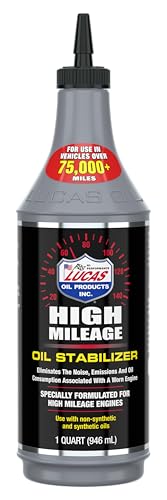
Lucas Oil 10118 High Mileage Oil Stabilizer 1 Quart (Pack of 12)

3-IN-ONE 10045 Motor Oil, 3 oz

Lucas Oil 10115 Semi-Synthetic 2-Cycle Motor Oil 1 Gallon (Pack of 4)

John Deere Turf-Gard 10W-30 Oil Kit with AM125424 Filter (2 Quarts)
The Picks, Examined More Closely
Honda owners who want factory-spec lubrication without hunting down a dealer have a clear answer here. The 5W-30 weight flows easily during cold starts, which matters when you’re pulling a snow blower cord on a January morning before dawn. It’s also rated for all Honda 4-stroke power equipment, from push mowers to generators to pressure washers.
For someone running a single Honda mower and a small fleet of other Honda tools, this quart bottle covers the season without overshoot. The trade-off versus a multi-pack like the Briggs & Stratton 100005 is volume per dollar, but the genuine Honda blend is hard to substitute for.
A Strong Showing
- Genuine Honda factory blend, formulated specifically for Honda 4-stroke engines
- 5W-30 viscosity flows quickly in cold temperatures, making cold-start pulls easier on chilly mornings
- Approved across Honda’s outdoor power lineup, so one bottle can service mower, blower, and generator
- Single-quart bottle suits owners who do one oil change per season
Trade-Offs Worth Noting
- Single quart may feel small if you maintain multiple pieces of equipment or larger riding mowers
- Honda-specific formulation offers little benefit in non-Honda engines where a generic small-engine oil works equally well
- Bottle-only packaging means no spare for the next change
Spec Snapshot
Who It Suits Best
Honda 4-stroke mower owners in cold or shoulder-season climates who pull equipment out of the garage before the engine fully warms up.
Where Another Pick Suits Better
The Briggs & Stratton 100005 SAE 30W Engine Oil 18oz (Pack of 6) is a better match for someone running several non-Honda engines in a warm climate where heavier 30W viscosity is preferred.
Six 18-ounce bottles in one box puts this ahead for anyone with a small fleet of walk-behind mowers or a lawn-care side hustle. SAE 30W is the classic small-engine weight, and Briggs & Stratton has been bottling it longer than most. In a warm southern summer, the thicker 30W film holds up better than a 5W-30 when the engine is running hot for hours.
Where this bundle shines is in matching the engine manual. Most Briggs & Stratton small engines in older push mowers call for straight 30W. The 18-ounce size is intentional: it’s the exact refill amount for a typical Briggs small engine after draining.
The Practical Payoff
- Pack of 6 bottles covers multiple mowers or several seasons of single-mower changes
- 18-ounce size aligns with the typical Briggs small-engine drain volume, reducing leftover oil waste
- SAE 30W is the traditional small-engine weight, widely recommended for older Briggs power equipment
- Briggs & Stratton is the OEM for many popular mower engines, so fit is rarely a question
Points To Keep In Mind
- SAE 30W flows more slowly in cold weather, making cold starts sluggish below freezing
- 18-ounce bottles are smaller than the 32-ounce format, which can be inconvenient for topping off between changes
- Conventional oil, not synthetic, so thermal breakdown under heavy summer loads can shorten intervals
Made For
Owners of older Briggs & Stratton walk-behind mowers in warm-weather climates who change oil once or twice a season.
Consider Something Else When
The Honda 5W-30 Motor Oil is the better call for Honda 4-stroke owners who face sub-zero winter starts on snow equipment.
For Briggs engines that get worked year-round, the synthetic 5W-30 in this 32-ounce two-pack handles cold mornings and hot afternoons without a viscosity swap. The fully synthetic formula is engineered for air-cooled 4-cycle engines, which run hotter than automotive engines because there’s no radiator pulling heat away. Two quarts per pack gives room for one full change plus a top-up bottle.
Compared to the conventional 100005 30W earlier in this list, this synthetic version costs more per ounce but extends drain intervals and protects under heavier loads. For homeowners with a riding mower, this is the more forgiving daily-driver choice.
Everyday Advantages
- 100% synthetic blend holds viscosity across a broader temperature range than conventional 30W
- Targeted at air-cooled 4-cycle engines, the same setup found in most riding and high-end push mowers
- 5W-30 weight keeps oil flowing during winter starts on snow equipment
- 32-ounce size (two-pack) is generous for topping off mid-season without a second purchase
Honest Caveats
- Synthetic price premium may not pay off for a low-hour push mower used only six weekends a year
- Two-pack volume creates storage considerations in a small garage or shed
- Briggs & Stratton branding optimizes for Briggs engines, though it works in most 4-stroke small engines
Feature Card
Best Suited To
Riding mower and high-hour Briggs engine owners who want one oil for all four seasons and value longer drain intervals.
Skip It When
The Briggs & Stratton 100005 SAE 30W 18oz (Pack of 6) makes more sense for a low-budget shop maintaining older push mowers where synthetics add no meaningful benefit.
Households running a mower, a generator, and a snow blower under one roof benefit from one oil bottle that services them all. The STP 10W-30 synthetic blend markets itself as an all-weather formula designed for small engines across lawnmowers, generators, tractors, and snow blowers. The mid-grade 10W-30 sits between the cold-friendly 5W-30 and the summer-only 30W, so it works across most operating conditions without a swap.
Where this differs from the Honda 5W-30 and the Briggs synthetics is brand-neutrality. It’s not optimized for a single OEM, which makes it a flexible shelf pick for mixed-brand sheds. The 32-ounce single bottle fits a single change cleanly.
Where It Helps
- Engineered across multiple equipment types, simplifying oil selection in a mixed-tool household
- Synthetic blend offers better cold-flow than straight 30W without the full synthetic price
- All-season 10W-30 weight eliminates spring and fall oil swaps
- 32-ounce format covers a typical riding mower oil capacity in one bottle
A Few Limitations
- Brand-agnostic formulation may not match OEM-specific additive packages for Honda or John Deere engines
- Synthetic blend, not full synthetic, so thermal stability under extreme load falls between conventional and full synth
- Single-bottle packaging means reordering before the next change
Whose Shelf It Belongs On
Homeowners with two or more pieces of outdoor power equipment from different brands who want one oil to keep on hand year-round.
Look Elsewhere When
The John Deere Turf-Gard 10W-30 Kit is the right pick for owners of compatible Deere riding mowers who want factory-matched oil and a fresh filter in one box.
This one’s a different animal from the rest of the list. Lucas High Mileage Oil Stabilizer isn’t a standalone engine oil but an additive mixed into the existing oil to thicken it, raise pressure, and quiet down worn engines. For a mower that’s burning oil, smoking on startup, or running rough after years of use, a bottle poured into the crankcase alongside fresh oil often brings back steady oil pressure and quiets valve clatter.
The 12-bottle pack is sized for small-engine repair shops and serious multi-mower households. In a residential context, one quart typically handles a single small-engine treatment, so the bulk format overshoots most homeowners unless they’re servicing a fleet.
Real-World Strengths
- Reduces sludge buildup and helps clear deposits in engines with irregular maintenance history
- Raises oil pressure in worn engines, often quieting lifter and valve noise noticeably
- Lubricates internal components beyond what standard oil film can reach in high-clearance engines
- Can help reduce oil consumption and exhaust smoke in aging small engines
Where It May Fall Short
- Additive, not a replacement oil, so it must be paired with fresh conventional or synthetic oil
- 12-bottle case dramatically overshoots a single-mower household’s actual need
- Won’t fix mechanical wear like scored cylinder walls or bad rings; it treats symptoms, not causes
Spec Snapshot
Perfect Match For
Owners of older mowers with visible smoke on startup or audible valve noise who want a stopgap before committing to an engine rebuild.
A Better Fit Elsewhere
The Briggs & Stratton 100005 SAE 30W 18oz (Pack of 6) is the better everyday choice for a healthy older engine that just needs a routine oil change.
The 3-IN-ONE 10045 isn’t a lawn-mower crankcase oil, and treating it as one will ruin an engine fast. This small bottle is for lubricating the moving parts inside small electric motors, the bearings and bushings that spin inside a pool pump, a workshop motor, or an exhaust fan. With an SAE 20 equivalent viscosity and higher film strength than standard motor oil, it’s formulated for the slow-turning bearings inside electric motors, not combustion chambers.
For someone whose mower is a corded electric walk-behind with a 1/4 HP or larger motor, a few drops into the bearing ports at season’s start keeps the motor quieter and cooler. It’s the only entry on this list that addresses electric rather than gas-powered mowers.
Strong Points
- Higher-than-standard film strength reduces wear on electric motor bearings
- Compact 3-ounce bottle stores easily in a kitchen drawer or tool drawer
- Recommended for 1/4 HP and larger electric motors, matching many residential mower and pump motors
- SAE 20 equivalent viscosity provides a thicker protective film than light sewing-machine oils
What To Weigh
- Not suitable as a gas-engine crankcase oil; it’s an electric-motor bearing lubricant only
- 3-ounce size is small for anyone maintaining multiple large motors throughout the year
- Pour-bottle format requires care to avoid over-oiling, which can damage motor windings
Technical Reference
Who Should Grab It
Owners of corded electric mowers, pool pumps, and workshop motors who service their own bearing lubrication annually.
Not Your Match When
The Honda 5W-30 is the right pick for any gas-powered mower needing a standard crankcase oil change.
Most modern mower engines are 4-stroke, but 2-stroke engines still run weed eaters, leaf blowers, and chainsaws. The Lucas 10115 is mixed with gasoline at ratios up to 50:1 to lubricate those engines internally, since they have no separate oil sump. The semi-synthetic formula meets low-smoke standards, which matters if you’ve ever waved away a cloud of blue exhaust while trimming the fence line.
The 1-gallon jugs in a four-pack are sized for landscapers and acreage owners who burn through handheld equipment daily. For most suburban homeowners with one trimmer and one blower, that’s overkill unless the equipment is shared across multiple households.
Where It Delivers
- Mixes cleanly with gasoline at all temperatures, reducing separation in cold pre-mix batches
- Meets low-smoke oil standards, so neighbors won’t see blue clouds during morning trimming
- Protects against piston scoring and rust during off-season storage of handheld equipment
- Suitable for oil-injection systems and pre-mix tanks up to 50:1
Smaller Considerations
- Only for 2-cycle engines; using it in a 4-stroke mower will cause rapid carbon buildup and smoking
- Four-gallon pack creates significant shelf space demands in a small garage
- Mixing must be measured carefully: a sloppy 50:1 ratio can still damage a small engine
Right Fit For
Landscapers, acreage owners, and rural homeowners with multiple 2-stroke hand tools used weekly or more.
Swap It Out When
The Briggs & Stratton SAE 5W-30 Synthetic is the right fit for 4-stroke riding mower owners who don’t operate any 2-cycle equipment.
John Deere owners with D100, D110, L120, or LA-series riding mowers get a matched kit instead of hunting down a filter cross-reference at the parts counter. Two quarts of Turf-Gard 10W-30 cover a full drain-and-fill on most Deere riding mowers, and the included AM125424 oil filter fits the engine bay without modification. The OEM Turf-Gard oil is the formula Deere specifies in its operator manuals.
Compared to buying a generic 10W-30 and an aftermarket filter separately, the kit removes the question of whether the filter actually fits. The honest read is that any 10W-30 small-engine oil works mechanically, but the kit removes the guesswork for owners who want factory-matched parts.
A Few Strong Suits
- OEM oil and filter match the factory specification for compatible John Deere riding mowers
- Two quarts cover a typical Deere riding mower oil capacity with minimal leftover
- Kit eliminates the cross-reference step of buying oil and filter separately
- 10W-30 weight suits most temperate climate use across spring, summer, and fall
Where It Is Less Suited
- OEM-branded oil typically costs more per ounce than generic small-engine oil of the same grade
- Compatibility list is long but specific; owners of non-Deere riding mowers need to verify the filter cross-reference
- Filter is included once, so subsequent oil-only changes won’t have a fresh filter in the box
Feature Card
Built With In Mind
Owners of compatible John Deere D, L, LA, LT, GT, and G-series riding mowers who want one-box convenience for their seasonal oil change.
Reach For A Different Pick When
The Briggs & Stratton SAE 5W-30 Synthetic is a better fit for non-Deere riding mower owners who want a colder-climate viscosity without paying the OEM premium.
Picking The Right Oil For Your Engine
The first decision is the engine itself. Most walk-behind mowers built after the late 1990s run 4-stroke engines that take SAE 30W in warm weather or SAE 10W-30 across multiple seasons. Two-stroke engines, the type found in many weed eaters and chainsaws, need an oil that’s pre-mixed into the fuel, never poured into a sump. Electric mowers don’t use crankcase oil at all; they need bearing lubricant for motor ports instead.
Viscosity matters more than brand in most cases. A 5W-30 thins out faster at cold startup, which protects engines in climates that see frost. A straight 30W holds a thicker film in summer cutting sessions where the air-cooled engine runs at 220 degrees for hours. The owner’s manual is the authority here, and running heavier or lighter than recommended is one of the most common small-engine mistakes.
Storage and format come down to volume. A 32-ounce bottle covers a typical riding mower change with little waste. Smaller 18-ounce bottles match push-mower drains more precisely. Multi-packs save trips to the mailbox but only pay off for households running multiple engines. Single quarts make more sense for a homeowner with one mower and one annual oil change.
Smart Considerations Across This List
Mistakes Worth Dodging
The single most common error I see is pouring automotive oil into a small engine. Automotive 5W-30 contains friction modifiers that aren’t designed for wet clutches or air-cooled engines, and over time those additives break down film strength in a mower crankcase. Stick to oil labeled specifically for 4-cycle small engines or one of the OEM formulas above.
Another trap is treating oil stabilizer as a substitute for fresh oil. Lucas High Mileage Oil Stabilizer is an additive, not a refill. Using it alone, without fresh oil underneath, leaves the engine under-lubricated and accelerates wear. Always pair it with a complete oil change.
Where The Extra Money Goes
Synthetic blends cost more per ounce than conventional oil because of higher-quality base stocks and additional additive packages. For a mower that runs six weekends a year, that premium rarely pays off. For a riding mower logging 50 hours per season, the synthetic’s better thermal stability and longer drain intervals offset the higher upfront cost. OEM-branded kits like the John Deere Turf-Gard bundle cost more than the equivalent generic oil and aftermarket filter, but the kit removes the cross-reference step, which has real value for someone who changes oil once a year and doesn’t want to remember part numbers.
Frequently Asked Questions
What viscosity should I use in my lawn mower? Check the engine manual first. Most 4-stroke mowers call for SAE 30W in warm climates or SAE 10W-30 across multiple seasons. Honda engines commonly spec 5W-30, which flows better in cold weather.
Can I use car engine oil in my lawn mower? Generally no. Automotive oils contain additives that can shorten small-engine life, and the additive packages aren’t tuned for air-cooled operation. Small-engine oil is formulated specifically for higher operating temperatures and simpler lubrication systems.
How often should I change lawn mower oil? Most manufacturers recommend once per season or every 25 to 50 operating hours, whichever comes first. Synthetic blends can stretch those intervals in many cases, but the owner’s manual remains the authority.
What’s the difference between 2-cycle and 4-cycle oil? Four-cycle engines have a separate oil sump and use oil that recirculates inside the engine. Two-cycle engines burn their oil mixed with fuel, so the oil must mix cleanly with gasoline and burn without leaving heavy deposits.
Do electric mowers need oil at all? Not crankcase oil, no. Some larger electric motors have bearing ports that benefit from a drop or two of electric-motor oil like the 3-IN-ONE 10045, applied once or twice per season.
The Takeaway
The right oil depends on the engine in front of you. Honda and John Deere loyalists get the cleanest match with their OEM formulas. Briggs & Stratton owners running multiple engines find the bulk packs hardest to beat. 2-cycle tool owners need a fuel-mix oil that lives in a separate jug. And anyone with a worn mower that’s burning oil should look at a stabilizer additive alongside a fresh change rather than reaching for heavier viscosity as a fix. Match the oil to the engine, the climate, and the hours of use, and a small four-stroke will easily outlast a decade of weekend mowing.