A dull mower blade rips grass instead of slicing it, leaving brown tips across the lawn within hours. Sharpening at the shop adds up over a season, and a good sharpener pays for itself once you’ve avoided two service trips. I put together this shortlist for homeowners who’d rather handle blade maintenance in the garage than wait on a repair window.
How The Shortlist Stacks Up

Work Sharp Ken Onion Knife Sharpener Tool

Silcpall Lawn Mower Blade Balancer

SporGain Lawn Mower Blade Balancer

Kimgsoak Lawn Mower Blade Sharpener Kit

SHARPAL 103N All-in-1 Sharpener
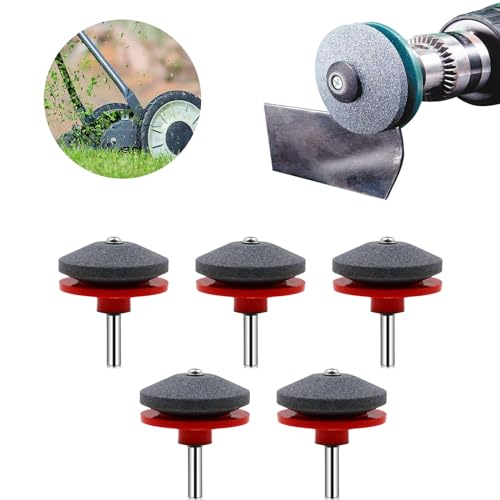
Surlveia Double Layer Corundum Sharpeners
The Details Behind The Selections
This benchtop sharpener borrows its design from legendary bladesmith Ken Onion, and that pedigree shows the moment you run a blade across its abrasive belts. The adjustable angle guide lets you dial in the factory edge on everything from kitchen knives to mower blades, so one tool covers a household’s full sharpening load.
It runs on a small motor that handles repeated sessions without bogging down, and the flexible abrasive belts conform to curved or flat edges alike. For homeowners who already pull their mower deck off twice a season, this is the kind of tool that earns a permanent spot on the workbench. Compared to the drill-attachment options later in this list, it trades portability for repeatable precision.
The Good Stuff
- Adjustable angle guide handles knives, serrated edges, scissors, and mower blades with one setup
- Flexible abrasive belts follow curved contours that fixed stones miss
- One tool replaces a drawer full of single-purpose sharpeners
- Repeatable results mean a factory-fresh edge every session
- Compact benchtop footprint fits a cramped garage corner
Things To Consider
- Belt replacements add to long-term ownership cost
- Overkill for someone who only sharpens a mower blade once a year
- Requires a power outlet and a stable work surface
Who It Suits Best
Anyone maintaining a full kit of edged tools, from kitchen knives to mower blades, who values repeatable angles over quick fixes.
Consider Something Else When
The SHARPAL 103N All-in-1 Sharpener makes more sense for a shopper who wants a handheld option for occasional touch-ups across mixed tools.
A blade that cuts cleanly on one side and shaves a bit more off the other will wobble the moment it spins up, and that vibration wrecks bearings faster than dullness ever will. This little magnetic-style balancer sits on the blade’s center point so you can spot the heavy side in seconds and grind a touch more off it.
It works across most standard mower blades, whether the center hole is round or star-shaped. For first-time sharpeners nervous about reinstalling an out-of-balance blade, this tool removes the guesswork without taking up shelf space. It’s the perfect companion to whichever grinder you choose from the rest of the list.
The Upside
- Tiny footprint stores in a kitchen drawer or toolbox tray
- Universal design fits round, square, and most standard blade profiles
- Catches balance problems before they damage spindle bearings
Worth Noting
- Only useful if you’re already removing the blade to sharpen it
- Requires a perfectly level surface to read accurately
- Doesn’t sharpen, so it’s an add-on rather than a complete solution
Made For
First-time sharpeners who want to avoid the vibration damage that comes from reinstalling an unbalanced blade.
Look Elsewhere When
The Kimgsoak Lawn Mower Blade Sharpener Kit is a better pick if you’d rather get the sharpener and balancer bundled together in one box.
Where the previous balancer handles casual seasonal tune-ups, this one targets the homeowner who sharpens blades more often and wants a tool that won’t drift over time. The all-metal body resists the knocks of a busy garage, and the precision pivot gives a more sensitive reading on heavier commercial-style blades.
The cone-and-rod design centers itself in the blade hole, so you spend less time fussing with placement and more time checking the actual balance. It tackles the same universal fit as other balancers on this list, but feels sturdier under repeated use. For most backyards, it’s overkill. For someone running a small lawn care side business or maintaining multiple mowers, the build earns its keep.
Useful Highlights
- Solid metal construction holds up to repeated workshop use
- Self-centering cone speeds up the balancing step
- Reads accurately on heavier blades that cheaper balancers struggle with
Trade Offs
- Heavier than plastic balancers, so it stays on the bench rather than in a toolbox
- Premium feel comes at a higher cost than simpler options
Right Fit For
Homeowners who sharpen blades several times a season and want a balancer that survives years of workshop duty.
A Better Fit Elsewhere
The Silcpall Lawn Mower Blade Balancer is a lighter, cheaper option for someone who only sharpens once or twice a year.
Sharpening freehand on a mower blade almost always produces an inconsistent angle, which is why guided systems exist. This kit pairs a high-density aluminium-alloy guide block with replaceable abrasive inserts, so each pass hits the same factory-recommended angle without you having to eyeball it. It also bundles a balancer, which is the second half of the job most beginners forget.
The four included guide pins cover the most common blade hole patterns, and the snug bushing fit keeps wobble down during the grinding pass. After you’ve worked a few edges, the whole process takes maybe ten minutes per blade. It feels purpose-built rather than improvised, which is exactly what a first-time sharpener needs.
Where It Delivers
- Guide block locks the angle so beginners get factory results
- Included balancer finishes the job properly in one kit
- Multiple guide pins fit a wide range of blade hole patterns
- Aluminium-alloy body resists corrosion in a damp garage
- Replaceable abrasive inserts extend the tool’s useful life
Points To Note
- Requires clamping the blade in a vise for best results
- Slower than power-based sharpeners for high-volume work
Key Specs
Best Suited To
Garage hobbyists sharpening multiple mower types who want a guided system and balancer bundled in one purchase.
Not Your Match When
The Surlveia Double Layer Corundum Sharpeners are a faster drill-attachment option for someone who already owns a cordless drill and prefers power sharpening.
Pull this handheld sharpener out of the shed and it tackles kitchen knives, pruners, hedge shears, axes, and mower blades with the same tool. The tungsten carbide and ceramic slots handle single and double-bevel edges, so the angle isn’t left to chance when you’re working through the season’s to-do list.
For households that want one tool for everything sharp rather than a dedicated system, this is the practical compromise. It won’t match the precision of the Work Sharp benchtop system up top, but it lives in a kitchen drawer and handles a quick touch-up without any setup. You may find the small form factor limiting on thicker mower blades that need serious material removal.
What It Does Well
- Tackles knives, pruners, shears, axes, and mower blades in one device
- Compact handheld size lives in a drawer or gardening tote
- Guided slots take the angle guesswork out of touch-ups
Room For Improvement
- Less material removal than a bench grinder or guided kit
- Not ideal for severely neglected, very dull blades
Who Should Grab It
Homeowners with a mix of kitchen and garden tools who want one handheld sharpener for quick seasonal touch-ups.
Reach For A Different Pick When
The Work Sharp Ken Onion Knife Sharpener Tool is a better fit for someone who sharpens frequently and wants repeatable, dialed-in angles.
These small corundum discs chuck into any standard power drill and turn blade sharpening into a five-minute job. The double-layer abrasive construction cuts faster than single-layer alternatives, and the five-pack means you’ve got spares ready when one wears out mid-season.
The compact 50 x 55 mm size fits into tight spots under a mower deck if you prefer to sharpen in place, though most owners will pull the blade off for a flatter work angle. For shoppers on a tight budget who already own a cordless drill, this is the lowest-friction entry into routine blade maintenance. Just keep the drill at moderate speed so the abrasive doesn’t glaze over.
Why It Works Well
- Chucks into any standard power drill for fast material removal
- Double-layer corundum outlasts single-layer alternatives
- Five-pack means replacements are already on hand
- Compact size reaches tight spots under a mower deck
Small Caveats
- Angle control depends entirely on the operator’s steady hand
- Not ideal without a cordless drill in the workshop
- Faster wear than guided systems under heavy use
Whose Shelf It Belongs On
Budget-conscious homeowners with a cordless drill who want the cheapest path into regular blade maintenance.
Skip It When
The Kimgsoak Lawn Mower Blade Sharpener Kit is the smarter pick for anyone who values a guided angle and bundled balancer over raw speed.
What Matters Most Before Choosing Lawnmower Blade Sharpeners
Matching The Tool To Your Skill Level
Beginners tend to do better with guided systems or benchtop sharpeners that lock the angle in place, since freehand grinding on a power drill produces uneven edges fast. Experienced sharpeners can handle drill attachments and freehand files without trouble, and they appreciate the speed those options offer. Honest self-assessment here saves a lot of frustration on the first blade.
Drill Attachments Versus Benchtop Systems
Drill-mounted abrasives are quick and cheap, but the angle you produce depends entirely on hand pressure and steady nerves. Benchtop belt sharpeners and guided kits cost more and take longer to set up, yet they deliver repeatable edges that look factory-fresh. The right pick depends on how often you sharpen and how patient you feel during setup.
Why A Balancer Belongs In The Kit
Sharpening removes uneven amounts of steel from each end of the blade, and an out-of-balance blade wobbles badly at full speed. That vibration wears spindle bearings and produces a ragged cut on the grass. A standalone balancer or a kit that includes one ensures the sharpening job is finished properly rather than halfway done.
Considering Storage And Long-Term Care
Benchtop sharpeners stay on a workbench year-round and need an outlet nearby, while handheld and drill-attachment options tuck into a drawer or toolbox. Abrasive belts, stones, and corundum discs all wear out eventually, so factor in replacement costs over a few seasons. For damp garages, corrosion-resistant aluminium or coated steel bodies hold up better than bare metal.
Key Considerations Across These Picks
Common Buying Mistakes
Picking the cheapest drill attachment without owning a drill, or buying a benchtop sharpener when you only have one mower blade a year. Match the tool’s complexity to how often you’ll actually use it, and confirm the sharpener’s angle range covers mower blades before you buy. Skipping a balancer is the other common slip, since a freshly sharpened but unbalanced blade can damage your mower’s spindle.
Where The Extra Money Goes
Premium sharpeners add adjustable angle guides, more durable abrasive materials, and bundled balancers that complete the workflow. For frequent sharpeners, that build quality pays off across years of use. For occasional tune-ups, a value-oriented drill attachment gets the job done without overinvesting in features you won’t touch.
Frequently Asked Questions
How often should I sharpen my mower blade?
Most homeowners sharpen every 20 to 25 hours of mowing, or roughly twice per cutting season. Sandy soils and neglected lawns wear edges faster, so check the blade after the first mow of the year.
Can I sharpen a mower blade without removing it?
You can, with a drill-mounted abrasive or a handheld sharpener, but the angle is harder to control. Removing the blade and clamping it in a vise produces more consistent results and lets you inspect for cracks.
Do I really need a blade balancer?
An unbalanced blade wobbles at full speed, which strains spindle bearings and produces uneven cuts. Balancers cost very little and prevent damage that costs much more, so they earn their place in any sharpening routine.
What’s the difference between single and double bevel mower blades?
Most mower blades are single bevel, meaning only one side carries the cutting edge. Double-bevel blades have edges on both ends and need a sharpener that handles symmetric angles, like guided kits or benchtop systems.
Are drill-mounted sharpeners safe to use?
Yes, when used at moderate drill speed with the blade clamped securely. High speeds generate heat that can warp thin mower blades, so keep the drill below half throttle and let the abrasive do the work.
Wrap Up
A sharp blade is the difference between a clean, green lawn and one with ragged brown tips by sunset. The right sharpener depends on how often you mow, how many tools you maintain, and whether you want a guided system or a quick handheld fix. Pick the tool that matches your routine, and your mower will thank you with cleaner cuts all season.