Tackling an uneven lawn with a push mower can feel like pushing a boulder uphill. The deck scalps high spots, small wheels dig into soft soil, and a flimsy motor bogs down halfway through the first pass. For anyone mowing bumpy ground without wanting to wrestle a heavy gas machine, the right push mower turns a frustrating chore into a quick weekend task. This list rounds up seven corded, cordless, and reel options that handle real-world terrain better than a generic entry-level pick.
A Quick View Of The Lineup
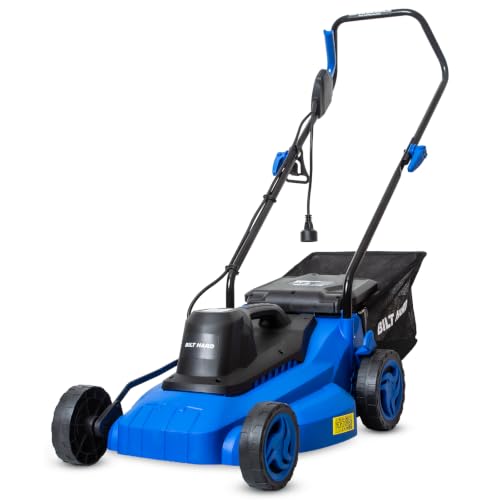
BILT HARD 15″ Corded Electric Push Lawn Mower 11A 35L Bag
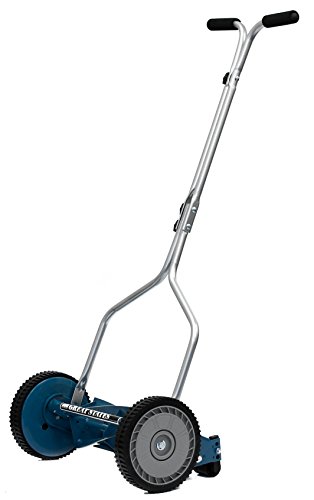
Great States 204-14 Hand Reel 14 Inch Push Lawn Mower
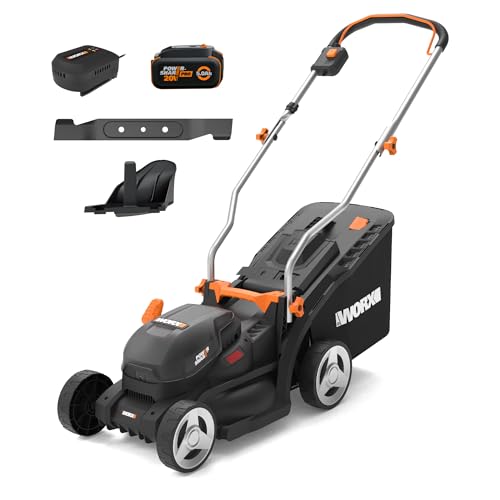
Worx WG733.1 20V 14″ Cordless 2-in-1 Lawn Mower
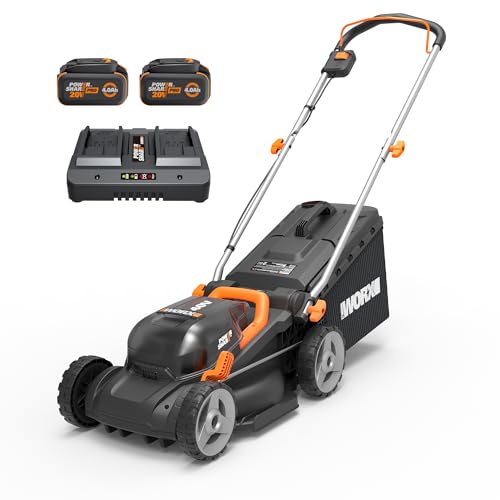
Worx WG735 40V 14″ Cordless 2-in-1 Lawn Mower

Worx WG745 40V 17″ Cordless 2-in-1 Lawn Mower

Litheli 40V 16″ Cordless Brushless Push Lawn Mower

Litheli 14″ Cordless Brushless Push Lawn Mower
More Details On Our Top Picks
The BILT HARD 15-inch corded mower runs off an 11-amp motor spinning at 3300 RPM, which gives it steady, predictable power that doesn’t fade mid-cut like a battery can. For small yards with a nearby outdoor outlet, that translates into no charging pauses and no runtime anxiety. The five-position height adjustment, ranging from roughly 1 to 3 inches, helps the deck ride over minor bumps instead of scalping them.
Unlike the Great States reel in slot two, this one brings actual motor torque to thicker or slightly damp grass. The foldable handle keeps it manageable in tight garage storage. Owners commonly appreciate the lightweight body, though rough terrain still requires some pushing effort because it is, after all, a walk-behind design.
Good Reasons To Consider
- 11-amp motor delivers consistent cutting power without battery fade.
- Five height settings let you lift the deck over uneven spots.
- 35L grass bag means fewer dump stops on medium lawns.
- Foldable handle saves vertical space in a small shed.
Things To Consider
- Requires an outdoor-rated extension cord and reachable outlet.
- 15-inch deck covers ground slower than wider 17-inch models.
Quick Facts
Who Will Love This
Homeowners with a small yard, an outdoor outlet, and a mix of flat and slightly uneven ground who want fuss-free corded power.
Skip It When
Anyone mowing a larger or cord-free lot will get more freedom from the Worx WG745’s wider 17-inch battery deck.
The Great States 204-14 takes a completely different approach from the BILT HARD corded model. There is no motor, no battery, and no cord. Instead, a five-blade reel spins as you push, slicing grass with a scissor-like action that leaves a tidy, healthy cut on common turf grasses.
This mower shines on small, relatively flat lawns where quiet operation matters, such as early-morning weekend mows in close-set neighborhoods. On rough or weedy terrain, expect more effort per pass because the reel depends entirely on your push. Compared to the Litheli 14-inch battery model in slot seven, the Great States is lighter and silent but lacks any powered help through thicker patches.
Why It Works Well
- Silent operation makes early or late mowing neighbor-friendly.
- No fuel, oil, cord, or battery means near-zero maintenance.
- Reel cutting tends to keep grass blades cleaner at the tip.
- Light steel construction is easy to store upright in tight spaces.
Honest Caveats
- Tall or wet grass requires extra passes and effort.
- 14-inch width covers ground slowly on anything beyond a small yard.
- Less effective on bumpy ground where reel contact breaks.
Best Suited To
Quiet-mow households with small, tidy lawns who want the simplest possible cutting tool with no power source.
Another Choice May Suit
Anyone facing uneven ground or thicker turf will find the BILT HARD corded mower far easier to push through rough patches.
The Worx WG733.1 leans into the “easy to carry out of a closet” side of cordless mowing. A brushless motor (which uses electronic control instead of carbon brushes for longer life and better efficiency) drives the 14-inch deck, and a single 20V 5.0Ah battery covers up to about 3,200 square feet per charge. For an apartment patio or a narrow side yard, that is plenty.
Versus the heavier Litheli 40V 16-inch model in slot six, this one sacrifices runtime and deck width for a noticeably lighter frame. The 2-in-1 design switches between bagging and mulching, which returns fine clippings to the lawn as natural fertilizer. For genuinely bumpy ground, the smaller wheels and lighter build mean you’ll feel more of the terrain through the handle, so a steady pace matters.
Standout Benefits
- Brushless motor extends tool life and runs quieter than brushed designs.
- Covers up to 3,200 sq ft on the included 20V 5.0Ah battery.
- 2-in-1 bagging and mulching reduces cleanup and feeds the lawn.
- Compact 14-inch deck slips through narrow gates and tight beds.
Worth Noting
- Single 20V battery gives less torque than 40V siblings on thick grass.
- Smaller wheels transmit more bumpiness on rough ground.
Feature Snapshot
The Right Fit
City dwellers with small lawns, gates, or shared storage who want a quiet, ultra-portable battery mower.
Look Elsewhere When
Mowing a larger quarter-acre lot with rough spots calls for the wider Worx WG745 and its bigger 40V battery setup.
The Worx WG735 upgrades the WG733.1 with IntelliCut technology, which automatically adds torque when the deck senses thicker grass. That kind of adaptive power is genuinely useful on uneven lawns, because high spots often hide denser growth that a fixed-speed motor would bog down on.
Running on a 20V 4.0Ah battery, the WG735 covers roughly 1/8 acre per charge and keeps the same compact 14-inch deck as its sibling. The Airflow-optimized deck helps clippings stand up for a cleaner cut. Versus the Litheli 40V 16-inch mower in slot six, this Worx leans lighter and nimbler but offers a smaller collection bag. For tight, rough lawns under a quarter acre, the trade-off feels reasonable.
Bright Spots
- IntelliCut auto-torque handles thicker patches without manual switching.
- Brushless motor runs cooler and lasts longer than brushed units.
- Covers up to 1/8 acre per charge on the included battery.
- Airflow deck design lifts grass for a cleaner finished cut.
- Compact 14-inch frame navigates narrow paths with ease.
Trade Offs
- Single battery means a mid-mow swap on anything bigger than 1/8 acre.
- 14-inch deck requires more passes than the 17-inch WG745.
Built With In Mind
Owners of small to mid-size lawns with mixed grass thickness who want one-touch adaptive cutting.
Reach For A Different Pick When
Mowing wide open ground benefits more from the Worx WG745’s 17-inch deck and dual-battery runtime.
The Worx WG745 is the widest mower on this list at 17 inches, and that extra coverage matters when the lawn stretches toward a quarter acre. Two 20V 4.0Ah PowerShare batteries feed a brushless motor, so runtime becomes the strong suit rather than a limitation. PowerShare compatibility also lets those batteries slide into more than 140 other Worx tools, which is genuinely handy if you already own Worx gear.
Compared to the WG735 in slot four, this mower swaps nimble handling for fewer passes per mow. On rough terrain, the wider deck can scalp uneven ground more easily, so you’ll want to lean on the height adjustment when crossing high spots. The included dual charger tops both batteries faster than a single-port unit, which keeps the weekend moving.
Advantages To Know
- 17-inch deck finishes quarter-acre lawns in noticeably fewer passes.
- Dual 20V 4.0Ah batteries extend runtime well past smaller models.
- PowerShare batteries work across 140+ Worx tools and chargers.
- Brushless motor delivers gas-like cutting without the maintenance.
- 2-in-1 bagging or mulching adapts to lawn condition and season.
Less Ideal Details
- Wider deck can scalp high bumps unless height is adjusted carefully.
- Heavier than 14-inch models, so storage and stairs need planning.
Feature Rundown
Whose Shelf It Belongs On
Suburban homeowners with quarter-acre lots and existing Worx tools who want fewer passes and longer runtime.
Where A Sibling Pick Shines
Tight urban yards with narrow gates are easier to navigate with the smaller Worx WG733.1.
The Litheli 40V 16-inch mower splits the difference between compact 14-inch push mowers and full 17-inch workhorses. A dual 5.0Ah battery setup delivers consistent 40V power without the voltage sag a single pack can show under load, and the brushless motor skips oil changes and spark plugs entirely.
Six cutting heights ranging from roughly 25 to 75 mm give the deck room to ride over uneven patches, which is the central challenge for any push mower on rough terrain. The 50L collection bag holds more clippings than most 14-inch competitors, so mid-mow dump stops drop. Versus the BILT HARD corded model in slot one, this Litheli gives full cordless freedom at the cost of needing a charged battery to start.
Strong Points
- Six height positions from 25 to 75 mm cover most grass types and bumps.
- Dual 5.0Ah batteries maintain 40V output across the charge cycle.
- 50L collection bag cuts down on emptying interruptions.
- Brushless motor removes oil, spark plug, and carburetor upkeep.
- Mulching option returns clippings to feed the lawn naturally.
Practical Considerations
- Both batteries must be inserted to operate, limiting mid-swaps.
- 16-inch deck sits between compact and wide formats without leading either.
Made For
Suburban homeowners with mid-size lots and mixed terrain who want cordless freedom and flexible height options.
A Better Fit Elsewhere
Mowing smaller yards with tight storage favors the lighter, folding Litheli 14-inch model in slot seven.
The Litheli 14-inch mower is built around the kind of practical details that matter after the purchase. A quick-fold handle shrinks the mower to a compact footprint that fits neatly into small garden sheds or a corner of the garage. The included 5.0Ah battery covers up to roughly 3,000 square feet, which suits most patio-home lawns.
Compared to the bigger Litheli 16-inch in slot six, this model trades deck width and a second battery slot for portability and ease of lifting. On rough terrain, the lightweight frame helps you pivot around bumps, though the smaller wheels still transmit uneven ground through the handle. The brushless motor keeps noise low, which neighbors tend to appreciate during weekend sessions.
Points In Its Favor
- Quick-fold handle collapses for tight shed or garage storage.
- Covers up to 3,000 sq ft on the included 5.0Ah battery.
- Five height positions from 1 to 2.5 inches suit common turf types.
- Lightweight frame is easier to carry up stoops or basement stairs.
- Zero-maintenance brushless motor skips oil and tune-ups.
Where It Is Less Suited
- 14-inch deck slows down anyone mowing beyond a small yard.
- Top height caps at 2.5 inches, limiting taller grass situations.
Right Fit For
Seniors, apartment dwellers, and small-yard homeowners who value easy folding and lightweight handling over cutting width.
Not Your Match When
Mowing a quarter-acre lot with rough patches calls for the wider, dual-battery Litheli 16-inch mower in slot six.
What Matters Most Before Choosing Push Lawn Mowers For Rough Terrain
Deck Size And Maneuverability
A wider deck (17 inches) finishes the job in fewer passes but scalps uneven bumps more easily. Narrower decks (14 inches) handle dips and rises with finer control. Walk the lawn and count obstacles before committing to width.
Power Source: Corded, Battery, Or Reel
Corded motors deliver steady torque without runtime limits, but a trailing cord limits reach. Battery mowers trade runtime for total freedom, so matching battery capacity to lot size matters. Reel mowers stay silent but lean entirely on push effort through rougher grass.
Wheel Size And Height Range
Larger rear wheels roll over small dips more easily. A wider height range (think 1 to 3 inches or more) lets the deck clear high spots instead of cutting into them. Rough lawns reward every extra inch of lift range.
Weight, Storage, And Ergonomics
A heavier mower resists bumps but tires out the operator faster. Foldable handles help if storage space is limited. Look for adjustable-height handles if multiple household members share mowing duties.
Key Considerations Across These Picks
Pitfalls Shoppers Hit
Buying the widest deck available sounds smart until it scalps every bump in the lawn. Matching deck size to lawn smoothness matters more than raw coverage. Another common trap is underestimating runtime: a 20V battery that covers 3,200 square feet on flat turf may fall short on thick, overgrown grass.
When Paying More Pays Off
Higher-tier models in this category add brushless motors, dual batteries, and wider height ranges. Those upgrades translate to longer tool life, fewer mid-mow interruptions, and more flexibility over uneven ground. For lots above an eighth of an acre or for lawns with mixed grass types, the upgrade often pays for itself in saved time and frustration.
Frequently Asked Questions
Can a push mower actually handle rough terrain?
Yes, with the right setup. Look for wide height adjustment, larger rear wheels, and enough motor torque to keep the blade spinning through thicker patches. None of these mowers will flatten a lawn like a tractor, but they handle minor bumps and uneven growth far better than low-end entry models.
Are cordless mowers powerful enough for uneven lawns?
Modern 40V brushless motors deliver enough torque for most residential rough terrain, especially with adaptive features like IntelliCut. The trade-off is runtime, so a dual-battery model makes sense for larger lots.
How wide should the cutting deck be?
For small yards under 1,500 square feet, a 14-inch deck offers better maneuverability. For lawns approaching a quarter acre, a 16 or 17-inch deck cuts mowing time noticeably without becoming unwieldy.
Do reel mowers work on bumpy ground?
Reel mowers prefer flat, well-maintained turf. On rough terrain, the reel loses consistent contact with the grass and cutting quality drops. Battery or corded rotary mowers handle bumps far better.
How important is wheel size?
Wheels matter more on rough ground than many people expect. Larger rear wheels bridge small dips without lifting the deck, while small wheels dig into soft soil and transmit bumps into the handle.
Wrap Up
Rough terrain doesn’t have to mean wrestling a heavy mower every weekend. The right push mower, whether corded, battery, or reel, turns uneven ground into a quick, manageable job. Match the deck width and power source to the actual size and shape of the lawn, and prioritize wheel size plus height range where bumps are common. A little research up front saves a lot of pushing later.