Sloped lawns reward the right machine and punish the wrong one. I’ve spent time researching what makes a mower hold a line on uneven terrain, and the gap between a confident hill climb and a white-knuckle ride usually comes down to traction, weight distribution, and steering control. For homeowners dealing with anything beyond a gentle grade, a standard walk-behind can feel sketchy fast, and even some riding mowers lack the stability to handle steep pitches without slipping or leaving ugly wheel tracks.
This list pulls together five machines that handle incline work differently, from a true zero-turn built for wide, rolling lawns to compact push units better suited to modest slopes. The goal is matching the tool to the terrain, since the best choice depends on yard size, slope severity, and how often you mow.
The Shortlist At A Glance
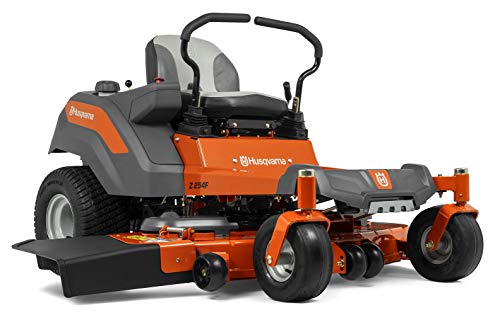
Husqvarna Z254F Zero Hydrostatic Turn Riding Mower 54 in.
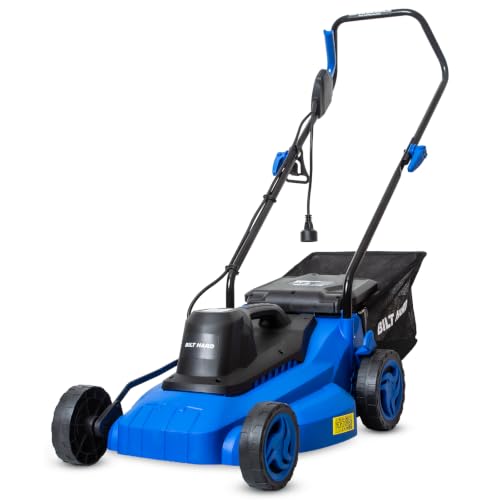
BILT HARD 15″ Corded Electric Push Mower

Casince 17 in Cordless Walk Behind Mower

Litheli 40V 16 in Brushless Cordless Mower

Litheli 14 in Brushless Cordless Mower
Taking A Closer Look At The Options
The Husqvarna Z254F is the only true riding mower on this list, and it earns that distinction with raw specs aimed at large properties. A 23 HP Kawasaki engine sits beneath a 54-inch ClearCut deck (that’s the housing around the blades), which means each pass chews through nearly four and a half feet of grass. For homeowners with wide, rolling lawns and only mild to moderate slopes, that width turns a long Saturday into a manageable afternoon. The zero-turn steering, controlled by lap bars rather than a steering wheel, lets the machine pivot in place, trimming around trees and landscaping beds with precision.
Compared to the walk-behind options below, this is a different category of equipment, more akin to a small commercial unit than a backyard tool. Yard owners with a quarter acre or more of uneven terrain will appreciate how the hydrostatic transmission (which uses fluid pressure instead of gears to transfer power to the wheels) delivers smooth speed changes without shifting. The trade-off, of course, is storage space and a steeper learning curve for anyone new to lap-bar steering.
Notable Gains
- The 54-inch ClearCut deck covers serious ground quickly, which matters on multi-acre lots where a smaller mower doubles your time in the seat.
- Kawasaki’s 23 HP engine brings enough torque to push through thicker grass and up moderate grades without bogging down.
- Zero-turn lap-bar steering pivots the machine in place, saving time around obstacles and reducing the need for trimming.
- The deck-lift system lets you raise and lower the cutting height easily from the seat, useful when transitioning from lawn to rougher patches.
Things To Consider
- This unit is sized for open ground and needs a shed or garage with adequate clearance, something apartment dwellers and small-property owners won’t have.
- Lap-bar steering feels awkward for the first few sessions if you’ve only used a steering-wheel tractor before.
- On really steep slopes, even a powerful zero-turn can lose traction going downhill sideways, so cross-slope mowing still demands caution.
Key Specs
Best Suited To
Homeowners with one or more acres of rolling lawn who want to finish mowing fast and don’t mind a commercial-feeling machine in the garage.
Consider Something Else When
The Litheli 40V 16 Inch Cordless Lawn Mower makes more sense for anyone working a tight suburban lot under a quarter acre.
The BILT HARD 15-inch corded electric mower is the simplest tool on this list, and that simplicity is its selling point. An 11-amp motor spins the blade at 3,300 RPM, enough to handle routine cutting on small, tidy lawns. The corded design means there’s no battery to babysit or fuel to mix, just plug in and mow. For homeowners with a flat or very gently sloped yard under a quarter acre, this unit delivers a clean cut without the noise or maintenance of a gas engine.
The trade-off shows up the moment your lawn has any real incline. On hills, a corded mower becomes a cable-management puzzle, and the lighter weight that makes it easy to store also makes it less planted on slopes. Compared to the Husqvarna above, this is a fundamentally different scale of equipment, more suited to a townhouse lot than a country property.
Practical Pluses
- The foldable handle shrinks the mower into a closet-friendly footprint, which matters in homes without a garage.
- Five height positions (1 to 3 inches) cover most lawn preferences, from short and tidy to a slightly taller summer cut.
- Corded power eliminates charging downtime, so the mower keeps running as long as you stay within reach of an outlet.
- The 35-liter collection bag holds enough clippings to finish small yards with only one or two emptying stops.
Trade Offs
- You need an outdoor extension cord (not included), and corded units restrict you from wandering far from the nearest outlet.
- The 15-inch deck means more passes on larger lawns, so this isn’t a time-saver for big properties.
- Lightweight construction helps with storage but can feel tippy on steeper grades, where a heavier self-propelled unit would track better.
Made For
Anyone with a small, relatively flat yard who wants a no-fuss electric mower and doesn’t mind managing a power cord.
Reach For A Different Pick When
The Casince 17 in Cordless Walk Behind Mower is a smarter move for cord-free convenience on medium lawns.
The Casince 17-inch cordless mower addresses the biggest complaint people have about battery mowers: not enough deck or runtime. With a 17-inch cutting width and dual 20V 4.0Ah batteries working together, this walk-behind claims up to 40 minutes of runtime and around 5,380 square feet of coverage per charge under test conditions. For a typical suburban yard of a quarter acre or less, that’s enough to finish on a single charge without panic. The 1.0 to 3.0-inch height range covers everything from a closely cropped look to a slightly shaggy summer cut.
On hills, the cordless design is a genuine upgrade over the BILT HARD above: no extension cord to drag uphill or worry about slicing with the blade. The wider deck also means fewer passes, which matters when you’re pushing uphill. It’s not a self-propelled unit, so steeper grades still demand leg strength, but the lighter weight relative to a gas mower makes it manageable for most adults.
A Few Highlights
- Dual 20V batteries deliver extended runtime so you can finish a medium yard without swapping packs mid-cut.
- The 17-inch deck is wider than typical walk-behinds, which cuts mowing time on anything over a small patch.
- Six height positions offer more precision than basic 3- or 5-setting mowers, helping you match seasonal growth.
- Cordless operation means no fuel, no oil changes, and quieter mornings for you and your neighbors.
Worth Noting
- Runtime depends on grass thickness and terrain, so thick or wet grass can shorten the 40-minute claim noticeably.
- It’s a push mower, not self-propelled, meaning uphill work still relies on your own pace and stamina.
- Battery-powered units eventually need replacement cells, an added long-term cost the source doesn’t quantify.
Who It Suits Best
Suburban homeowners with a quarter-acre lot who want cordless convenience without stepping down to a smaller deck.
Look Elsewhere When
The Husqvarna Z254F is the better call for anyone managing multiple acres or wanting to ride instead of walk.
The Litheli 40V brings a brushless motor (which uses electronic controls instead of physical brush contacts to spin the rotor, meaning less wear and longer life) into a compact 16-inch walk-behind, paired with two 5.0Ah batteries and a charger in the box. The brushless design runs quieter and tends to last longer than brushed motors, which appeals to anyone tired of replacing budget mowers every few seasons. A 50-liter collection bag and mulching capability (chopping clippings finely and dropping them back into the lawn as natural fertilizer) round out a versatile package.
Compared to the Casince above, this Litheli offers a slightly smaller deck but a beefier battery setup, which trades cutting width for runtime and refinement. Six height adjustments from 25 to 75 mm give plenty of flexibility, and the included second battery means you can swap mid-lawn for extended sessions. For homeowners with mild slopes and a desire for both bagging and mulching, it’s a thoughtful middle-ground choice.
Positive Takeaways
- The brushless motor runs quieter and tends to outlast brushed alternatives, a real plus for regular users.
- Two 5.0Ah batteries in the box mean extended runtime and the ability to keep mowing while one pack charges.
- Mulching and bagging in one unit covers different seasonal needs without buying a second mower or attachment.
- The 50-liter bag is generous for a walk-behind, reducing how often you stop to empty clippings.
Honest Caveats
- The 40V platform is Litheli-specific, so batteries aren’t interchangeable with other tool brands you may already own.
- Like other push mowers here, it’s not self-propelled, so steeper grades still mean leg work.
- The 16-inch deck requires more passes than the Casince’s 17-inch option on the same lawn.
Feature Snapshot
Right Fit For
Homeowners who want a quiet, low-maintenance mower with both bagging and mulching flexibility on small to medium lawns.
A Better Fit Elsewhere
The Litheli Cordless Lawn Mower 14 Inch is a smarter choice for very small yards or anyone needing the lightest possible push.
The Litheli 14-inch cordless mower is the smallest and lightest unit in this lineup, designed for tight spaces and quick cuts. Its 5.0Ah battery powers the brushless motor for up to around 3,000 square feet of coverage, which is plenty for a small city lot, a townhouse yard, or a patch of lawn tucked between garden beds. The five-position height adjustment (1 to 2.5 inches) keeps things simple, and the quick-fold handle shrinks the mower down for storage in closets, sheds, or even behind a workshop door.
For gentle hills, the lightweight design has trade-offs: it’s easy to push and carry up slopes, but the same lightness can let it slide on steeper grades if you’re not careful. Compared to the other Litheli above, this is the more compact sibling, sacrificing deck width and runtime for portability. It’s the mower I’d grab for a postage-stamp yard, not for a quarter acre of uneven terrain.
What Earns Its Place
- The quick-fold handle and compact body make it easy to store in apartments, small sheds, or garage corners where larger mowers won’t fit.
- Lightweight construction reduces fatigue and makes it approachable for seniors or anyone who struggles with heavier equipment.
- The brushless motor delivers quiet operation, a real consideration in neighborhoods with close-by neighbors.
- Single-battery simplicity keeps charging straightforward, no managing multiple packs or platforms.
Points To Keep In Mind
- The 14-inch deck means more passes on anything beyond a small yard, so mowing time scales up quickly.
- Up to 3,000 square feet of coverage suits small lots, but falls short on larger suburban lawns.
- On steep or damp slopes, the lighter frame may not track as confidently as heavier self-propelled alternatives.
Who Should Grab It
Anyone with a small yard, tight storage, or limited physical strength who values portability over cutting width.
Swap It Out When
The Litheli 40V 16 in Brushless Cordless Mower is a better call if you want a wider deck and longer runtime on a medium yard.
What Matters Most Before Choosing Riding Lawn Mowers For Hills
Choosing a mower for sloped ground comes down to how steep the grade actually is, how much ground you cover, and how much physical effort you want to put in. Steeper hills demand traction and weight, while gentler slopes give you more flexibility to prioritize deck size or convenience features.
Slope Severity and Traction. Anything over about 15 degrees (a 27% grade) gets uncomfortable on most walk-behind mowers, and self-propelled or riding machines start to earn their keep. Heavier units track better downhill, but lighter mowers are easier to push uphill. Tire tread, rear-wheel drive, and weight distribution matter more than horsepower on true inclines.
Deck Size vs. Yard Size. A wider deck finishes faster on open ground but becomes a liability on tight, twisting lawns with lots of turns. The Husqvarna’s 54-inch deck makes sense on multi-acre lots, while 14 to 17 inches covers most suburban yards without wasted overlap.
Power Source Trade-offs. Gas engines deliver runtime and torque but add noise, fumes, and maintenance. Cordless electric mowers are quieter and cleaner, but runtime is finite and replacement batteries add long-term cost. Corded models like the BILT HARD remove charging concerns but tether you to an outlet.
Storage and Footprint. Riding mowers need serious garage or shed space, while compact walk-behinds fold down for closet storage. Measure your storage area before committing, especially if you’re stepping up from a small push mower to a riding unit.
Key Considerations Across These Picks
Where Shoppers Go Wrong
A common trap is buying a mower with the widest deck or biggest engine, assuming more is always better. On hilly terrain, oversized machines can actually be harder to control, and an overpowered unit in a small yard wastes fuel and storage space. Match the mower to your actual slope and acreage rather than chasing specs.
Another misstep is ignoring the cord situation. Corded mowers require careful cable management on slopes, where the cord can drift into the cutting path. Cordless solves that, but only if the battery can finish your lawn on a single charge under real conditions, not just ideal lab tests.
When Paying More Pays Off
The jump from a budget corded unit to a brushless cordless or riding mower buys real durability, not just convenience. Brushless motors last longer, hydrostatic transmissions reduce wear, and self-propelled drivetrains save your body on tough terrain. For anyone mowing weekly or tackling real slopes, that extra investment typically pays back in years of reliable service and fewer replacement costs.
Frequently Asked Questions
What type of mower is safest on steep hills? Riding mowers with hydrostatic transmissions and wide rear tires generally handle steep grades better than push units, but no mower is fully safe on extreme slopes. Walking side-by-side rather than straight up or down can reduce tip-over risk on walk-behind models.
How steep is too steep for a riding mower? Most manufacturers rate their riding mowers for slopes up to around 15 to 20 degrees, though this varies. Anything beyond that typically requires a walk-behind or specialized slope mower, since traction and stability drop off quickly.
Are zero-turn mowers good on hills? Zero-turns excel on flat, open ground but can struggle on slopes because their steering depends on differential rear-wheel speed. On hills, the higher-elevation wheels can lose traction, causing unexpected slides. They’re great for rolling lawns, less ideal for steep grades.
Should I choose a self-propelled mower for hills? Self-propelled drive takes a lot of strain off your legs on inclines and helps maintain consistent cutting speed uphill. For moderate slopes, it’s a meaningful upgrade over a basic push mower, especially for anyone with limited strength or stamina.
How do I maintain a mower used on hilly terrain? Check tire pressure regularly, since uneven wear is common on slopes. Clean the deck after each use to prevent buildup, and inspect belts and blades more often, as hillside mowing puts extra stress on these components compared to flat-ground use.
Bottom Line
The right mower for hilly terrain depends on your slope, your yard size, and how much effort you want to invest. The Husqvarna dominates open, rolling acreage, while the Litheli and Casince walk-behinds make sense for tighter suburban lots with gentler grades. Match the machine to the conditions you actually face, and mowing stops feeling like a workout.