Composite decking looks great nine months of the year, then winter arrives and the wrong shovel leaves long pale scratches across the surface. I put this list together for homeowners who want to clear a deck, patio steps, or a low-profile walkway without gouging the planks underneath. Every pick below favors non-metal edges, polymer scoops, or composite-safe wear strips, with a few heavy hitters included for mixed driveways.
The Choices Worth Comparing
Nohovu Snow Shovel for Driveway Ice Removal, 56 Inches

TABOR TOOLS J218A Snow Scoop Shovel 15-Inch Poly Blade
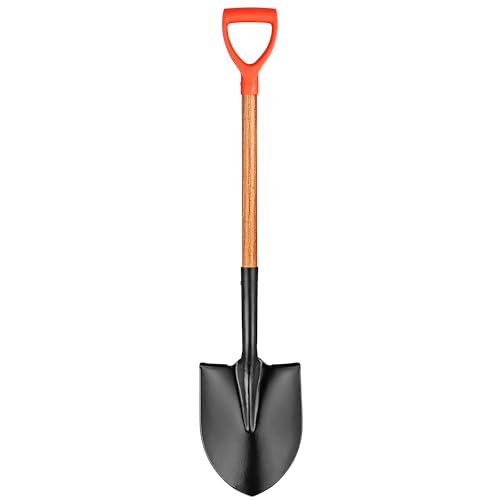
LA ZINNIA 41-Inch Round Shovel with D-Handle
Manplow PRO32 PRO Snow Pusher, 32″
VNIMTI Square Shovel 41-Inch with D-Handle

WIKER Aluminum Snow Shovel 45-Inch, 3.5 lbs
KOLEIYA Aluminum Snow Shovel 45-Inch, 3.7 lbs

The Snow Dominator Pusher & Scoop Combo
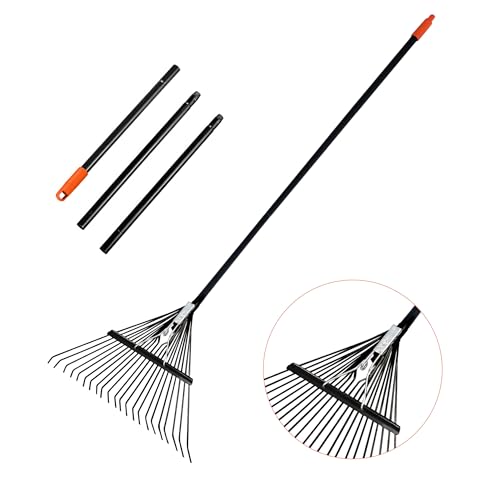
LA ZINNIA 22.8-Inch Leaf Rake, 22 Tines

LA ZINNIA Stand Up Weed Puller for Seniors
More Details On Our Top Picks
The Nohovu leans on a high-carbon steel blade, which is the opposite of what most folks want sliding across composite planks. Where it earns a spot here is the long 56-inch fiberglass handle, which keeps you standing upright and lets you attack thick, crusty ice from a low angle without kneeling on the boards.
You trade deck safety for ice-breaking power, so think of this as a hybrid: chop the frozen ridge at the edge of the deck with Nohovu, then switch to a poly-edged tool for the broad sweep. The non-slip rubber grip stays comfortable through long sessions, which matters when the storm stretches into a second hour.
A Strong Showing
- High-carbon steel blade chews through hard-packed ice ridges that defeat poly scoops
- 56-inch length means most adults work from a standing position, sparing the lower back
- Fiberglass shaft shrugs off cold and wet without the splintering risk of bare wood
- Rubber grip stays planted in gloved hands, helping you set accurate chopping angles
Things To Consider
- Steel edge will scuff or score composite boards if dragged flat, so the blade should tap and lift, not scrape
- Heavier feel than all-polymer options, so users with limited upper-body strength may fatigue faster
Made For
Homeowners clearing frozen ridges and compacted drifts where ice, not surface safety, is the main enemy.
Skip It When
Your priority is broad sweeping over a finished composite surface, in which case the TABOR TOOLS J218A poly scoop is the gentler choice.
The TABOR TOOLS J218A is the kind of tool I reach for first when clearing a finished deck. Its 15-inch wide polymer blade glides over capped composite boards without leaving the gray scuff marks a steel edge would, and the ribbed underside keeps heavy loads from flexing the scoop out of shape.
The 26-inch handle is short on purpose. Lower rail heights, raised steps, and tight furniture arrangements all become easier when you are closer to the work and not swinging a long shaft through the air. The D-grip gives gloved hands a solid hook, so each push-off feels controlled rather than slippery.
Advantages To Know
- Wide poly mouth moves big loads per scoop, so a 12 by 12 deck clears in fewer passes
- Reinforcing ribs stop the blade from bowing when wet snow piles up
- Short shaft keeps the action close and controlled around railings and planters
- Lightweight enough for a long morning of detail work on stairs
Trade Offs
- Short handle forces more bending for taller users, which can tax the lower back on bigger jobs
- Polymer edge skims rather than chops, so a separate ice tool is needed for frozen ridges
Key Product Details
Right Fit For
Anyone clearing low-profile composite decks, raised porches, or steps where a long handle would be more obstacle than asset.
Swap It Out When
You need to clear a wide expanse of decking from a standing posture, in which case the Manplow PRO32 PRO Snow Pusher covers more ground per stroke.
The LA ZINNIA round-point shovel is not a dedicated deck tool, but it has a quietly useful role for composite owners who also garden or camp. The 41-inch shaft and D-handle let it live in a trunk or shed without dominating the space, and the rounded tip slips into soil or compacted snow with equal ease.
On a deck, treat it as a spot tool: dig out the icy mound at the bottom of a step, lever a slab of hard snow off the boards, or pry a planter free without dragging the edge across the planks. Carbon steel construction means the same caution as the Nohovu: angle the cut, never scrape flat.
The Case For It
- One tool covers driveway patch-ups, garden bed work, and trail-side digging
- Compact 41-inch length stores easily in a garage corner or vehicle cargo area
- Sharpened carbon-steel tip penetrates hard soil and frozen drifts without extra effort
Points To Note
- Steel tip will mark composite if used as a pusher, so it works best as a chopper or lever
- Rough finish on the head can hold moisture, so wiping it down after wet use helps prevent surface rust
Whose Shelf It Belongs On
Mixed-use owners who want a single compact shovel for the car, the shed, and the occasional deck emergency.
Consider Something Else When
Most of your work is broad surface clearing on composite, where the TABOR TOOLS J218A poly scoop protects the boards better.
The Manplow PRO32 is the rare pusher engineered specifically for surfaces you would normally avoid pushing across. Its EZ Glide Edge is built to glide over composite and wood without the gouging a steel lip would leave, while still being tough enough for rough concrete and gravel.
A 32-inch blade moves a serious slice of snow per stroke, and the lightweight aluminum frame with a U-handle means long sweeping passes stay manageable. Made in the USA, it is the kind of tool that quietly outlasts cheaper stamped shovels, and it earns its spot as the deck-safety leader of this list.
Features That Help
- EZ Glide composite-safe edge clears planks without leaving steel marks
- 32-inch width swallows wide swaths of decking in a single push
- Aluminum build keeps total weight manageable for extended clearing sessions
- U-handle option adds leverage for taller users who prefer a two-handed grip
Honest Caveats
- Wide blade is harder to maneuver on narrow stairs or between railing posts
- Specialized edge means it costs more than a generic hardware-store scoop
Feature Snapshot
Best Suited To
Owners with large composite decks who want a dedicated pusher that protects the surface while moving serious volume.
Look Elsewhere When
Your clearing route is narrow stairs and tight railings, where the shorter TABOR TOOLS J218A handles confined spaces more gracefully.
The VNIMTI square shovel earns its place for the edging work most deck owners forget about until spring. Its flat front edge runs cleanly along the gap between composite boards and a stone border, scraping away the slushy residue that refreezes overnight into trip hazards.
Step wings on top of the blade let your foot add weight where the ground is firm, which helps when prying compacted snow away from deck posts. The 41-inch D-handle setup keeps your grip centered, so the blade does not wander while you work along a straight edge.
A Few Strong Suits
- Flat front edge cleans along board gaps and borders where round scoops leave debris behind
- Foot wings let you press the blade through hard soil or frozen slush
- Multi-role build handles trenching, transfer, and snow in one tool
Points To Keep In Mind
- Square steel edge will leave marks if pushed flat across the deck face, so angle it to the gap
- Heavier head than a polymer scoop, so expect some wrist fatigue on long edging sessions
Who Should Grab It
Homeowners who care as much about clean deck-board gaps and tidy borders as they do about moving bulk snow.
Where Another Pick Suits Better
You mostly clear wide open decking rather than detail edges, in which case the Manplow PRO32 PRO Snow Pusher is the faster broad-surface option.
WIKER brings the kind of weight profile that makes a long clearing session less of a workout. The aluminum scoop and fiberglass shaft come in around 3.5 pounds, so swinging it across a long deck does not punish your shoulders the way a steel-headed shovel does.
The 45-inch length is the sweet spot for most adults, letting you push a full scoop without hunching. Aluminum will dent if you smack it against a hidden deck fastener, so lift rather than scrape when you hit resistance, and the metal edge will stay true.
What Works In Its Favor
- Light alloy construction takes pressure off shoulders and wrists on long clears
- Fiberglass shaft resists weather and stays comfortable to grip in deep cold
- Long 45-inch reach keeps most users working upright instead of crouched over
Worth Bearing In Mind
- Aluminum blade will dent if slammed against a hidden screw or joist, so lift rather than force
- Metal edge can scuff capped composite, so the pusher should glide rather than dig
Built With In Mind
Anyone with a long composite run who wants a forgiving weight and full standing posture without going full pro-pusher.
Reach For A Different Pick When
Surface safety is your top concern and you want an edge specifically engineered not to scratch composite, where the Manplow PRO32 PRO Snow Pusher leads the field.
The KOLEIYA plays the same lightweight aluminum card as the WIKER, but steps up with a notably bigger scoop. A 19 by 14 inch blade swallows a serious bite of snow per pass, which matters when a heavy fall lands on a wide deck and the clock is ticking before it turns to ice.
The fiberglass shaft and D-grip keep the weight centered and your hands planted, even when the scoop is loaded. Think of it as the bulk-mover version of the WIKER, trading a touch of maneuverability for fewer total trips.
Everyday Perks
- Oversized 19 by 14 inch scoop finishes wide decks in noticeably fewer passes
- Aluminum alloy head resists bending under heavy wet-snow loads
- 3.7-pound total weight keeps the bigger scoop from feeling unwieldy
- Non-slip D-grip holds steady with bulky winter gloves
Where It Is Less Suited
- Larger scoop is harder to control on narrow stair treads and tight corners
- Metal lip can leave marks on capped composite if dragged flat, so push at a slight angle
Feature Card
Perfect Match For
Homeowners with wide composite decks who want fewer passes and a manageable weight, especially after heavy wet snowfalls.
Another Choice May Suit
Stair-heavy layouts where a shorter, more compact scoop would be safer, in which case the TABOR TOOLS J218A poly blade is easier to steer.
The Snow Dominator is a hybrid by design: a pusher face for broad sweeps and a leading edge for chipping at stubborn spots. The shatterproof polycarbonate head is the headline feature, since polycarbonate is naturally softer than metal and glides across delicate surfaces.
A reinforced fiberglass shaft and bolted head connection keep the tool solid under load, while an ice-chipper tip on the wear edge lets you break up frozen ridges before sweeping them away. For composite owners, it is one of the few tools built to handle both surface protection and ice at the same time.
Real-World Strengths
- Polycarbonate head is non-marking on composite, painted surfaces, and finished wood
- Combo push-and-scoop design covers most jobs without switching tools
- Bolt-on head connection feels more secure than typical friction-fit assemblies
- Ice-chipper wear edge handles ridges the polycarbonate face alone would just skate over
Some Limits To Know
- Polycarbonate can scuff or haze over time on rough pavement, though it stays gentle on decking
- Heavier than a basic poly scoop, so longer sessions can tire the forearms
Quick Technical Notes
Who It Suits Best
Homeowners with mixed surfaces, finished decking plus occasional ice, who want one tool that does not punish the boards.
Not Your Match When
You mostly deal with deep, heavy drifts on a wide expanse, where the KOLEIYA aluminum scoop moves more volume per pass.
A leaf rake is not the obvious snow tool, but on a freshly dusted deck it is one of the gentlest options around. The 22.8-inch head with 22 metal tines drags a thin layer of snow off composite planks without the scraping contact a shovel brings.
The adjustable shaft telescopes from roughly 33 to 67 inches, so the same tool sweeps under railings or stands tall for an open deck. Tines are metal, so a light touch still beats a heavy pull when you are working close to the boards.
What Pays Off
- Wide 22.8-inch head moves light snow across large deck areas fast
- Adjustable length fits under low railings and extends for standing posture
- Tool doubles for fall leaf duty, so it earns its shelf space year-round
Practical Considerations
- Metal tines can leave fine lines on softer composite caps, so use a light floating stroke
- Not built for wet, packed snow, which tends to clog the tines
Feature Overview
Right Fit For
Anyone who needs a no-scrape touch-up after light dustings and wants one tool for both fall leaves and winter fluff.
Skip It When
The forecast calls for serious accumulation, where a proper scoop like the WIKER Aluminum Snow Shovel is a more reliable workhorse.
This last pick is not a snow tool, but composite deck owners eventually fight weeds growing through the board gaps, and the LA ZINNIA stand-up weeder handles that without kneeling on cold planks. A 43-inch bamboo shaft and four-claw steel head mean most pulling happens upright.
The step-and-tilt motion drives the claws around the root before levering it out, so you disturb the deck boards far less than yanking by hand. Bamboo is naturally grippy, which keeps the tool planted in winter gloves during the shoulder season.
Practical Advantages
- Stand-up design spares knees and back during the spring weed-up between deck boards
- Four-claw head grips taproots like dandelions firmly enough to lift them whole
- Bamboo shaft feels warmer to the touch than bare metal in shoulder-season cold
Where It May Fall Short
- Not a winter snow tool, so it earns its place as a companion rather than a primary shovel
- Bamboo can swell if stored damp, so a dry shed corner is the safer home for it
Who Will Love This
Homeowners who want to maintain the gaps between composite boards without bending or kneeling, especially in the shoulder seasons.
A Better Fit Elsewhere
Active snow clearing on the deck itself, where the Manplow PRO32 PRO Snow Pusher is the dedicated tool for the job.
Choosing Snow Tools That Respect Composite Planks
The single biggest decision is the edge material. Steel cuts ice beautifully and gouges composite, so think of steel-edged tools as choppers rather than pushers. Polymer, polycarbonate, and aluminum scoops glide across capped boards without leaving the silvery scratch lines that show up after a season of careless scraping. Pick an edge that matches the work: a non-metal scoop for daily sweeps, a steel or ice-tipped tool reserved for frozen ridges.
Handle length shapes how the work feels. Short handles, like the 26-inch TABOR TOOLS J218A, keep you close and controlled on steps, railings, and tight furniture layouts. Long handles, in the 45 to 56-inch range, keep taller users upright on wide decks and reduce the bending that wrecks a lower back over a long morning.
Weight matters more than people expect. Aluminum and polycarbonate tools in the 3 to 4-pound range let you keep a steady pace, while steel-headed shovels tire the shoulders faster on large jobs. For mixed surfaces, look for a blade height that holds a meaningful scoop, around 13 to 19 inches, so each pass moves enough snow to justify the effort.
Key Considerations Across These Picks
Wrong Turns To Avoid
The classic mistake is grabbing any metal shovel because it is in the garage. A steel edge pressed flat against capped composite will leave scuff marks that weather cannot erase, so check the garage before the first storm and dedicate a non-metal tool to the deck.
Another common slip is matching the tool to the storm rather than the surface. A heavy-duty scoop that excels on a gravel driveway can be overkill, and risky, on a delicate deck, while a soft poly scoop is no match for genuine ice ridges. Keep two tools handy: a gentle pusher for daily use and a sharper chopper reserved for frozen buildup.
What The Higher Tier Buys
Premium composite-safe pushers like the Manplow PRO32 and the Snow Dominator command more because their edges are engineered, not generic. A patented composite-safe lip or a polycarbonate head costs more than a stamped steel replacement, but it spares the surface and holds its shape over many seasons.
The upgrade pays off most for owners with larger composite runs, where faster passes and longer-lasting edges offset the upfront cost. For a small porch or a one-step landing, a basic poly scoop from TABOR TOOLS or a similar wide-blade design delivers most of the value at a friendlier entry point.
Frequently Asked Questions
What is the safest shovel edge for composite decking?
Polymer, polycarbonate, or aluminum edges glide across capped composite without leaving the silvery scratch marks that steel edges cause. Reserve steel or ice-chipper edges for chopping frozen ridges, never for broad pushes.
Can I use a regular metal snow shovel on composite decking?
A metal shovel will move the snow, but dragging the steel lip flat across the planks tends to leave permanent scuff lines. Angle the blade and tap rather than scrape if you must use metal, or better, switch to a non-metal pusher for daily clearing.
How wide should a deck snow shovel be?
A blade in the 15 to 32-inch range hits the sweet spot. Narrower scoops navigate stairs and railings cleanly, while wider blades cover open deck expanses in fewer passes. Match the width to the largest open area you typically clear.
Should I clear snow off a composite deck at all?
Clearing reduces the freeze-thaw cycles that stress the planks and prevents ice from forming in the gaps. A light brushing after each storm protects the surface far better than letting snow sit and refreeze into a hard pack.
Do ice melt products work better than shoveling on composite?
Ice melt can help with stubborn ridges, but most formulations are safe on composite when used as directed. A gentle pusher still does the bulk of the work, and ice melt handles the residue a shovel cannot reach without scratching.
The Takeaway
Composite decking rewards a gentle touch, and the right shovel turns winter cleanup from a chore into a quick routine. Match a non-metal pusher to your deck size, keep a sharper chopper on hand for ice, and you will protect the boards through many seasons of storms.