A tired lawn is the easiest thing to walk past and the hardest thing to ignore. I’ve spent weekends staring at patchy spots, wondering whether the fix was more water, more food, or just patience. A good spray fertilizer solves that guessing game by delivering nutrients right through the leaf. The trick is matching the formula to your grass type, your soil, and how much time you want to spend mixing. The eight options below cover the situations I get asked about most, from broad green-up to weed control.
A Side-By-Side Look

Jack’s Classic 20-20-20 Water-Soluble Fertilizer 4lb
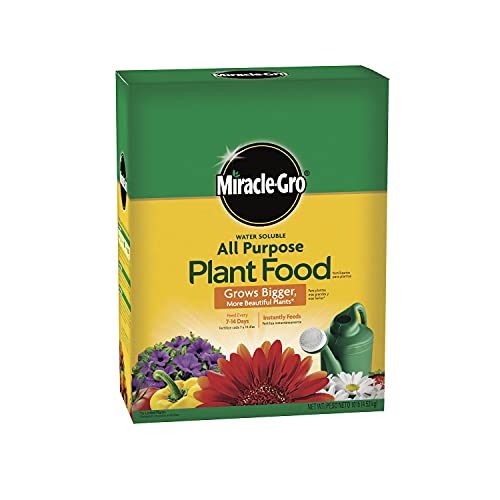
Miracle-Gro Water Soluble All Purpose Plant Food 10 lb
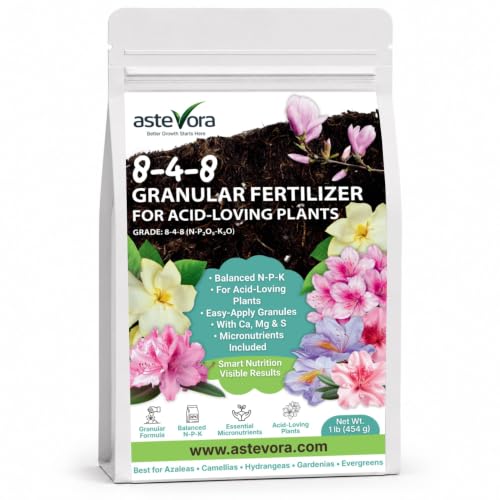
GARDENWISE 8-4-8 Acidic Fertilizer for Azaleas (1/2 Quart)

GARDENWISE 10-10-10 Slow Release Granular Fertilizer (1/2 Quart)

Spectracide Weed & Feed 20-0-0 Dual Action 32 Oz 3 Pack
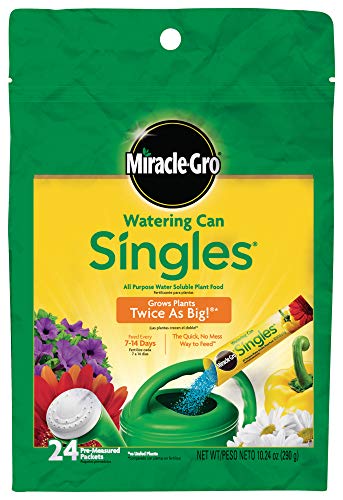
Miracle-Gro Watering Can Singles All Purpose 24 Packets

Spectracide Lawn Fertilizer 30-0-0 2-in-1 32 Oz 3 Pack

Spectracide Weed Stop for Lawns Concentrate 32 Oz 6 Pack
The Strengths Of Each Pick
The 20-20-20 ratio is the kind of balanced blend that suits almost any lawn, and the powdered form makes it easy to scale up for a bigger yard. I like that it dissolves cleanly, so I never have to fight clumps in my hose-end sprayer.
Growers have relied on this style of all-purpose formula for years, and the nitrogen, phosphorus, and potassium trio delivers a quick green-up without locking you into one crop or grass type. You can spray it through a foliar feeder, soak it into the root zone, or run it through a continuous-feed setup, which makes it a strong pick for someone who treats both lawn and garden beds.
The Helpful Details
- Equal parts nitrogen, phosphorus, and potassium cover the three nutrients lawns need most.
- Water-soluble powder mixes fast and lasts through multiple gallons of finished spray.
- Works as a foliar spray, root drench, or continuous-feed fertilizer for flexibility.
- Safe across indoor and outdoor plants, so one container handles the whole property.
Things To Weigh
- Powder requires measuring and mixing each time, which is more involved than a ready-to-spray bottle.
- The all-purpose blend is broad but not targeted, so lawns with specific deficiencies may need a follow-up.
Feature Snapshot
Right Fit For
Homeowners who want one dependable powder for both the lawn and the vegetable beds, without switching products mid-season.
Look Elsewhere When
GARDENWISE 10-10-10 Slow Release Granular Fertilizer suits someone who prefers a granular, slower feed over a liquid spray routine.
For a large yard, the 10-pound tub feels like the right size because it doesn’t run out after one feeding cycle. The all-purpose profile works across lawns, flowers, and vegetables, so I don’t have to keep separate products on the shelf.
Compared to the Jack’s Classic powder above, this one leans into brand familiarity and a slightly broader use case. It’s a strong fit for someone who wants the simplest path to a green-up without learning about NPK ratios in detail.
Useful Highlights
- Large 10-pound tub covers several applications across a mid-size yard.
- Water-soluble format feeds quickly through a hose-end feeder.
- Suitable for roses, vegetables, houseplants, and turf from a single container.
- Powder dissolves smoothly when mixed with warm water, reducing sprayer clogs.
Honest Caveats
- Bigger tub takes up more storage space and needs a dry bin to prevent clumping.
- Generic blend won’t address specific deficiencies like iron chlorosis.
Who Should Grab It
Beginners and busy households who want a forgiving, all-purpose feed that handles the whole yard in one pass.
Swap It Out When
Miracle-Gro Watering Can Singles work better for someone with a small yard or only a few planters to maintain.
This formula earns its place for the gardener who has more than just turf to manage. The 8-4-8 ratio with added iron and manganese targets acid-loving plants like azaleas, blueberries, and gardenias that struggle in neutral or alkaline soil.
Half a quart is a manageable size for someone with a row of foundation shrubs rather than a full hedge. It’s the kind of spray bottle I’d grab when leaves start yellowing between the veins, which is a classic sign of chlorosis in acid-loving species.
Key Advantages
- Lower nitrogen ratio reduces the risk of burning sensitive ornamentals.
- Iron and manganese help prevent yellowing leaves on acid-loving plants.
- Liquid format mixes quickly into a foliar or root spray.
- Half-quart bottle is easy to store on a garage shelf.
Points To Keep In Mind
- Specialized formula is wrong for a regular lawn, so this is a secondary pick, not a main one.
- Smaller bottle means more frequent repurchasing on larger properties.
Quick Facts
Whose Shelf It Belongs On
Gardeners with azaleas, blueberries, hydrangeas, or gardenias who need an iron-rich pick-me-up beyond standard lawn food.
A Better Fit Elsewhere
Jack’s Classic 20-20-20 is a smarter choice for someone whose priority is the lawn itself rather than ornamental shrubs.
Even when a spray bottle is the main tool, there are times a granular feed makes more sense, and this is a tidy half-quart option for that purpose. The 10-10-10 ratio gives each macronutrient equal weight, which suits mixed beds where vegetables, shrubs, and flowers share space.
Slow-release granules break down over weeks, so a single application carries through a longer stretch of the growing season. That makes it useful for someone who doesn’t want to mix and spray every weekend.
Bright Spots
- Balanced 10-10-10 analysis suits vegetables, shrubs, and ornamentals alike.
- Slow-release format feeds gradually and reduces the risk of burn.
- Granules spread evenly with a basic lawn spreader for small yards.
- Half-quart size is approachable for first-time fertilizer shoppers.
Less Ideal Details
- Granular format means it isn’t a true spray fertilizer and won’t suit a hose-end routine.
- Smaller bag may run out quickly on larger lawns, requiring multiple applications.
Best Suited To
Homeowners with mixed edible and ornamental beds who prefer a granular, slow-release feed between spray sessions.
Reach For A Different Pick When
Spectracide Weed & Feed 20-0-0 Dual Action is the better match when broadleaf weeds are the priority alongside feeding.
For lawns dotted with dandelions and clover, a feed-and-weed combo trims the chore list in half. The QuickFlip hose-end sprayer design means no separate pump or mixing bucket, which is genuinely useful for someone who doesn’t want extra gear.
The 20-0-0 ratio is nitrogen-only, so it’s pushing leaf growth without adding phosphorus or potassium. That makes it a seasonal color boost rather than a year-round foundation feed.
Practical Pluses
- Targets broadleaf weeds like dandelion, clover, and chickweed in one pass.
- 20% nitrogen drives a visible green-up alongside weed control.
- Hose-end sprayer skips measuring and pre-mixing steps.
- Three-pack format covers multiple applications through the season.
Practical Considerations
- Selective herbicide can stress certain turfgrasses, so check grass-type compatibility first.
- No phosphorus or potassium means a balanced fertilizer may still be needed later.
Made For
Homeowners whose lawn doubles as a weed nursery and who want to feed and treat in a single weekend.
Skip It When
Jack’s Classic 20-20-20 suits someone who wants a balanced feed without the herbicide component.
Pre-measured packets are the lowest-effort way I know to feed a lawn or a planter. You drop one into a watering can, fill with water, and stir, no scoop, no scale, no mess.
For small yards, patios, or a quick touch-up after a heat wave, this format is hard to beat. The all-purpose analysis covers most flowering and edible plants alongside turf.
The Value In It
- Individual packets remove the need to measure powder each time.
- Watering-can application suits renters and small-space gardeners.
- All-purpose profile covers grass, flowers, and vegetables in one product.
Trade-Offs To Consider
- Per-packet cost runs higher than bulk powder for large properties.
- Limited volume per packet means restocking often during peak season.
Feature Rundown
Perfect Match For
Apartment dwellers, renters, or anyone with a small patch of grass who wants spray fertilizer results without buying a tub of powder.
Not Your Match When
Miracle-Gro Water Soluble All Purpose Plant Food 10 lb is a better match for someone feeding a larger yard on a regular schedule.
When a lawn looks tired mid-summer, a quick-release nitrogen boost is often what brings back the color, and a 30-0-0 analysis delivers exactly that. The 2-in-1 release claims to feed both fast and slow, so the green-up lasts longer than a one-shot spray.
This is the kind of product I’d reach for after a stretch of heavy foot traffic or a heat-stress period. It’s a focused turf fertilizer rather than a multi-purpose garden food.
Noteworthy Benefits
- High 30% nitrogen content drives a fast, visible green-up.
- Dual-release format balances quick color with longer-lasting feeding.
- Liquid formula is unlikely to burn when applied as directed.
- Three-pack keeps a steady supply across the growing season.
Where It Is Less Suited
- Nitrogen-only analysis means it isn’t a substitute for a balanced feed.
- Over-application on stressed turf can cause rapid growth that needs extra mowing.
Who Will Love This
Homeowners chasing a quick visual recovery on a tired lawn without committing to a full seasonal feed program.
Consider Something Else When
GARDENWISE 10-10-10 Slow Release Granular Fertilizer is the better fit for someone who wants an even, sustained feed through the season.
For lawns overrun with a wide range of broadleaf weeds, a concentrate that lists 200-plus targets gives you a fighting chance. The ready-to-spray format keeps the setup simple, and the six-pack covers a multi-application treatment plan.
Unlike the Weed & Feed above, this is herbicide-only, so pairing it with a separate fertilizer is part of the routine. The trade-off is more flexibility: you can spray weeds without forcing a nitrogen feed at the same time.
Real Benefits
- Broad-spectrum control covers a long list of common lawn weeds.
- Ready-to-spray bottle cuts out measuring and mixing.
- Six-pack suits multi-treatment schedules through spring and fall.
- Selective formula targets weeds while sparing most turfgrass types.
A Few Limitations
- No fertilizer component, so a separate feed product is still needed.
- Not all turfgrass species tolerate the active ingredient equally, so compatibility matters.
Feature Card
Built With In Mind
Homeowners dealing with stubborn, established weed patches who want a single product that handles many species at once.
Where Another Pick Suits Better
Spectracide Weed & Feed 20-0-0 Dual Action is the better match when feeding and weed control need to happen in the same pass.
Choosing The Right Spray Fertilizer For Your Lawn
Picking a spray fertilizer really comes down to three questions: what your lawn needs, what else you grow, and how much mixing you want to do. A balanced NPK ratio like 20-20-20 from Jack’s Classic covers most general feeding situations, while nitrogen-heavy blends like Spectracide’s 30-0-0 push a faster green-up on tired turf. Lawns with persistent broadleaf weeds benefit from a combined weed-and-feed, and mixed beds with acid-loving shrubs call for a specialized formula like GARDENWISE 8-4-8.
Read The NPK Ratio Before Anything Else
The three numbers on the front of any fertilizer bag tell you the percentage of nitrogen, phosphorus, and potassium. Nitrogen drives leaf and blade growth, phosphorus supports root development, and potassium strengthens overall resilience. A 20-20-20 blend gives equal weight to all three, which works for general maintenance, while a 30-0-0 leans hard into color and top growth. Match the ratio to your current lawn goal rather than buying on habit.
Match The Format To Your Routine
Liquid concentrates mix into a hose-end sprayer for quick coverage, water-soluble powders offer more flexibility for foliar or root feeding, and pre-measured packets remove measuring entirely. Granular slow-release options sit between spray sessions, feeding the soil gradually. For a small yard, packets or a small liquid bottle cut down on storage and waste.
Consider Your Other Plants
A truly all-purpose fertilizer covers lawn, flowers, and vegetables from a single container, which simplifies shopping. If you maintain acid-loving shrubs like azaleas or blueberries alongside turf, an iron-rich acidic formula keeps both healthy without separate products.
Check Compatibility With Your Grass Type
Selective herbicides and some high-nitrogen blends behave differently on cool-season versus warm-season grasses. Reading the label for turfgrass compatibility prevents stress and discoloration after application.
Smart Choices When Shopping This Category
Common Buying Slip Ups
The most frequent mistake I see is grabbing a high-nitrogen blend for a lawn that already gets plenty of nitrogen from the soil, which leads to fast top growth and weak roots. Another is choosing a weed-and-feed when the lawn barely has weeds, which adds herbicide exposure without much benefit. Always match the formula to the actual problem, not just the season.
What The Higher Tier Buys
Premium spray fertilizers often include chelated micronutrients like iron and manganese, which help prevent chlorosis and improve color beyond what nitrogen alone can do. They also tend to use refined carriers that dissolve more cleanly, reducing sprayer clogs. The upgrade pays off most on high-visibility lawns where color consistency matters more than cost per application.
Frequently Asked Questions
How often should I spray fertilizer on my lawn?
Most cool-season lawns do well with feeding every six to eight weeks during active growth, while warm-season grasses often need a monthly schedule in summer. Always follow the label directions for the specific product.
Can I use the same spray fertilizer on my lawn and garden beds?
All-purpose blends like a 20-20-20 or general plant food are designed to cover both turf and ornamentals. Specialty formulas for acid-loving plants should stay on their target species.
Do I need a special sprayer for liquid fertilizer?
A basic hose-end sprayer works for most ready-to-spray concentrates, and a pump or backpack sprayer handles larger areas. Powdered fertilizers need a clean container for mixing before application.
Is it safe to spray fertilizer when rain is expected?
Light rain shortly after application can wash nutrients off the blades before they absorb. Most labels recommend spraying on a dry day with no rain expected for several hours.
Will spray fertilizer burn my lawn?
Liquid and water-soluble formats are less likely to burn than granular feeds when applied as directed. Avoid spraying during peak midday heat and never exceed the recommended rate.
Wrap Up
The best spray fertilizer for your lawn is the one that fits your grass type, your weed pressure, and the time you want to spend mixing. Start with a balanced all-purpose blend for general feeding, then layer in a specialized formula only when a specific problem shows up. A little attention now means a thicker, greener lawn through the rest of the season.