Nothing ruins a Saturday faster than turning the key on a riding mower and getting nothing back. I put together this roundup for anyone whose mower battery has gone quiet, or anyone considering their first cordless push mower. Below you’ll find replacement U1-style batteries for garden tractors plus a shortlist of walk-behind battery mowers that handle small and mid-size lots. Each pick includes a real-world read on strengths, trade-offs, and who it actually fits.
A Fast Comparison Of The Options

MARXON U1 Riding Lawn Mower Battery 12V 330CCA
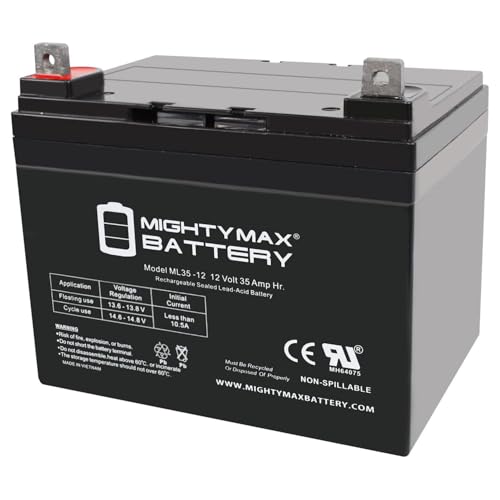
Mighty Max 12V 35Ah Battery for John Deere Riding Mowers

UPLUS U1 Riding Lawn Mower Battery 12V 330CCA AGM
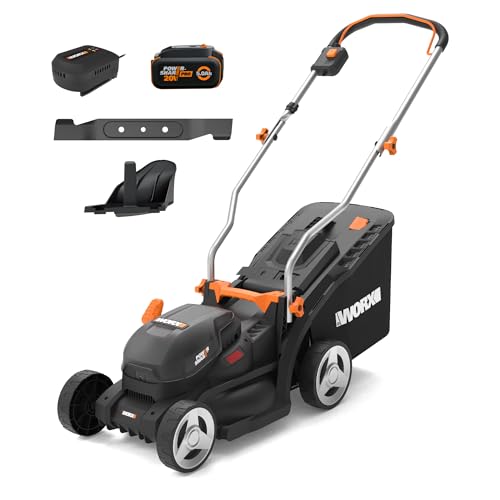
Worx 20V 14-Inch Cordless Lawn Mower WG733.1
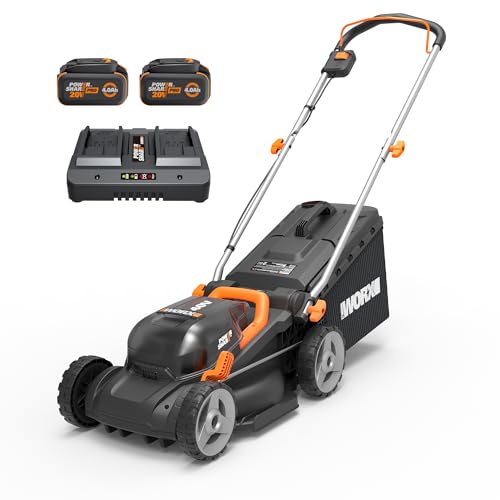
Worx 40V 14-Inch Cordless Lawn Mower WG735

Worx 40V 17-Inch Cordless Lawn Mower WG745

Honda HRX-BE 21-Inch Battery Lawn Mower

Honda HRX-BV 21-Inch Battery Lawn Mower
Why These Options Stand Out
Most older garden tractors in suburban garages run on a U1-group sealed lead-acid battery, and MARXON’s 12V 330CCA replacement covers that footprint with a long list of compatible brands. CCA, or Cold Cranking Amps, is the burst of current the battery delivers for a few seconds at cold temps; 330 is a healthy middle-ground number for lawn tractors that sit through winter.
The sealed AGM (Absorbent Glass Mat) format means the acid is held in fiberglass mats, so the unit can be mounted at a slight angle without leaks. Most homeowners storing gear in an uninsulated shed will appreciate that flexibility. For anyone chasing a basic, no-surprise replacement on a budget, this slot fits the bill.
Useful Strengths
- 330CCA rating handles cool-weather starts in most regions without strain
- Broad compatibility list reaches brands like Husqvarna, John Deere, Cub Cadet, and Toro
- AGM sealed construction removes the need to check or top off water levels
- Standard U1 dimensions drop into existing trays without bracket modification
Points To Note
- Packaged with battery and screws only, so plan on reusing your existing hold-down hardware
- Sealed lead-acid chemistry is heavier than lithium replacements, which matters if you swap batteries often
Key Specs
Made For
Owners of older riding tractors who want a direct OEM-style swap without stretching into premium lithium territory.
Where Another Pick Suits Better
Anyone in a very cold northern garage with a higher-displacement engine may prefer the Mighty Max 12V 35Ah Battery for its deeper amp-hour reserve.
The Mighty Max ML35-12 sits in the same U1 footprint as the MARXON above, but it pushes a higher amp-hour number at 35Ah. Amp-hours describe how long a battery can deliver a steady current; higher numbers mean longer crank time before voltage drops. For a riding mower that idles accessories or powers an electric PTO (Power Take-Off, the clutch that spins the blades), that extra capacity can feel like insurance.
It’s marketed toward John Deere riding models, though its case dimensions match several other U1 setups. The SLA/AGM chemistry is spill-proof and tolerates a wide temperature range, which is helpful for sheds that swing from freezing to humid between seasons. For value-focused shoppers, it’s a sensible second look.
What Works In Its Favor
- 35Ah rating out-energizes the 25-30Ah range many stock U1 batteries ship with
- Sealed AGM design holds up across wide temperature swings
- Spill-proof casing suits tractors stored on inclines or uneven pads
- Reportedly recovers well from occasional deep discharge
Trade-Offs To Consider
- Slightly larger dimensions than some compact U1 trays, so verify fit before ordering
- Listings do not bundle a wire harness or mounting kit, which is common but worth confirming
- Heavier than lithium replacements if you lift the battery in and out each season
Whose Garage It Belongs In
Northern-climate owners with a John Deere tractor who want dependable cold-weather starts and don’t mind a heavier lead-acid unit.
Skip It When
Anyone running a compact U1 tray with tight tolerances should look at the MARXON U1 330CCA instead for a more predictable fit.
UPLUS positions its U1 battery as a “set it and forget it” replacement, and the spec sheet backs that up. Sealed AGM construction means no acid to check, no distilled water to add, and no corrosion creeping across the terminals every other month. The brand also leans on pure primary lead plates, a feature commonly tied to longer cycle life in deep-cycle scenarios.
Compatibility stretches across John Deere, Cub Cadet, Husqvarna, Craftsman, Toro, Ariens, Poulan Pro, and Troy-Bilt, which covers a wide slice of the riding-mower market. Polarity follows the standard U1 layout: positive on the left, negative on the right. If you want a clean install and don’t plan to tinker, this is a comfortable choice.
Advantages To Know
- Maintenance-free sealed design removes fluid checks from the seasonal chore list
- Pure lead plates are widely linked to longer service life under repeated discharge cycles
- Compatibility covers most major residential riding-mower brands
- Standard U1 polarity and dimensions keep swap-in straightforward
Worth Bearing In Mind
- Higher capacity claims relative to standard U1 batteries deserve a fit-check before purchase
- Sealed units can’t be serviced if a cell fails, so replacement is the only repair path
- Lead-acid weight remains heavier than lithium alternatives in the same group
Best Suited To
Owners who’d rather mow than maintain, especially those with mixed-brand fleets who want one compatible replacement on hand.
Reach For A Different Pick When
Tractor owners chasing maximum cranking headroom in extreme cold may want the Mighty Max ML35-12 for its 35Ah reserve.
Shifting from replacement batteries to battery-powered mowers, the Worx WG733.1 is the lightest, smallest option in this roundup. The 14-inch cutting deck and brushless motor keep things quiet enough for early-morning neighborhood runs, and a single 20V 5.0Ah PowerShare Pro battery covers yards up to roughly 3,200 square feet on one charge. For a townhouse courtyard or a narrow side lawn, that’s often plenty.
The 2-in-1 deck offers mulching and bagging modes, so you can leave clippings as a light feed or clean up for a tidier look. Unlike the heavier riding-mower batteries above, this is a complete mower system with the battery integrated. The trade-off shows up in width: a 14-inch deck means more passes on anything bigger than a small yard.
A Favorable Mix
- Lightweight build reduces fatigue during long walks around flower beds
- Brushless motor typically delivers longer runtime and quieter operation than brushed equivalents
- PowerShare battery compatibility stretches across the wider Worx 20V tool ecosystem
- Compact deck slips through narrow gate openings and tight fence lines
Honest Caveats
- Single-battery runtime limits the WG733.1 to smaller lots under about 3,200 square feet
- 14-inch deck means more passes on open grass, increasing total mowing time
- Lower voltage translates to slower blade tip speed in tall or wet grass
Perfect Match For
Small-lot owners who want a quiet, easy-to-store mower for weekly touch-ups and don’t need wide-deck efficiency.
Consider Something Else When
Anyone managing thicker turf or a quarter-acre lot will appreciate the extra torque of the Worx 40V 14-Inch Cordless Lawn Mower WG735.
The Worx WG735 takes the same compact 14-inch footprint as the WG733.1 but doubles the voltage to 40V. That bump shows up where it matters most: IntelliCut technology automatically increases torque when the blade hits thicker patches, so you don’t have to babysit the mower across uneven growth. Coverage stretches to about a 1/8-acre lot per charge with the included 4.0Ah battery.
The deck is engineered for airflow, which helps clippings lift cleanly for either bagging or mulching. For suburban homeowners juggling mixed grass types and occasional weeds, that adaptive torque feature is the real selling point. It’s a meaningful step up from the 20V model without jumping to a wider, heavier deck.
The Helpful Details
- 40V platform tackles thicker grass without bogging down
- IntelliCut torque boost adapts on the fly in patchy areas
- Optimized deck airflow lifts clippings for cleaner cuts
- Same PowerShare battery compatibility as the broader Worx family
Soft Spots
- Still a 14-inch deck, so pass count climbs on larger open lawns
- Single-battery setup means downtime for charging on bigger properties
- Heavier than the 20V sibling, which matters for users with mobility concerns
Right Fit For
Homeowners with mixed-grass lawns up to a 1/8 acre who want a step up from a basic 20V mower without committing to a wide deck.
A Better Fit Elsewhere
Anyone with a flatter quarter-acre lot will cut mowing duration with the wider Worx 40V 17-Inch Cordless Lawn Mower WG745.
The Worx WG745 is where cordless mowers start to feel like real replacements for small gas push mowers. Two 20V 4.0Ah PowerShare batteries stack into a 40V system, and the included dual charger refills both at once. The 17-inch deck trims pass count noticeably, and the brushless motor keeps noise low enough that you can mow before the neighborhood wakes up.
What I appreciate here is the battery ecosystem: PowerShare cells are interchangeable across 140-plus Worx tools, outdoor gear, and lifestyle products. That gives the WG745 longer-term value beyond just mowing. For households already invested in the Worx platform, this is a natural extension.
What Helps Most
- Wider 17-inch deck reduces mowing time on larger lots
- Dual batteries extend runtime into the quarter-acre range
- PowerShare compatibility shares batteries with the broader Worx tool lineup
- Brushless motor balances quiet operation with strong cutting power
Where It May Fall Short
- Larger deck reduces maneuverability in tight garden pathways
- Dual-battery setup adds weight compared with single-battery models
- Requires storage space for two batteries plus the dual charger
Quick Facts
Who Should Grab It
Families managing a quarter-acre lot who want cordless convenience without sacrificing the deck width of a small gas mower.
Look Elsewhere When
Anyone prioritizing premium cut quality and 4-in-1 versatility should step up to the Honda HRX-BE 21-Inch Battery Lawn Mower.
Honda’s HRX217 line has a long reputation among homeowners, and the HRX-BE battery variant carries that DNA into the cordless category. The motor is engineered to mirror the torque curve of Honda’s GCV-series gas engines, which is a quietly meaningful claim: it means the blade keeps its RPM under load rather than bogging in thick grass.
The deck is the standout feature. Versamow with Clip Director lets you switch between mulching, bagging, discharge, and leaf shredding without swapping attachments. For four-season yards that deal with spring growth and fall leaf drops, that’s a real workflow win. Compared with the Worx models above, this is a step up in build and cut quality.
What It Does Well
- Honda-grade motor maintains blade RPM under load for cleaner cuts
- Versamow 4-in-1 system handles mulching, bagging, discharge, and leaf shredding
- 21-inch deck suits larger residential lots efficiently
- Twin MicroCut blades produce finer clippings for tidier mulching results
Factors To Consider
- Premium positioning carries a heavier upfront cost than the Worx options
- 21-inch deck demands more storage space in a small garage or shed
- Battery and charger specifics warrant confirmation against your typical lot size
Who Will Love This
Detail-oriented homeowners who want Honda’s cut quality without gas-engine maintenance and who mow varied turf through multiple seasons.
Another Choice May Suit
Anyone content with basic mulching and bagging on a small lot can save money with the Worx 40V 17-Inch Cordless Lawn Mower WG745.
The HRX-BV is the sibling model to the HRX-BE above, and the two share most of their core DNA: a Honda-grade motor built to sustain RPM under load, a 21-inch deck, and the Versamow 4-in-1 system. The practical differences typically show up in model-specific features and configuration, so the buying decision often comes down to availability and which variant aligns with how you mow.
For homeowners who want the same Honda cut quality but lean toward a specific configuration (variable speed drive versus fixed, bagging emphasis versus mulching emphasis), this model is worth comparing side by side with the HRX-BE. The honest truth is that both belong in the same premium conversation; the right pick depends on which control layout matches your style.
The Case For It
- Same Honda-grade motor architecture as the HRX-BE
- Versamow 4-in-1 deck covers mulching, bagging, discharge, and leaf shredding
- 21-inch deck handles open grass efficiently
- Strong build quality typical of Honda’s residential walk-behind lineup
Things To Weigh
- Premium pricing similar to the HRX-BE sibling model
- Larger footprint requires more storage space
- Battery life expectations vary with grass conditions and deck load
Built With In Mind
Homeowners who want Honda’s premium cut quality in a configuration tailored toward bagging-and-discharge workflow across changing seasons.
Swap It Out When
Anyone on a tighter budget or with a smaller lot can get reliable cordless mowing from the Worx 40V 14-Inch Cordless Lawn Mower WG735.
What To Weigh Before Choosing A Lawnmower Battery
Match The Battery Group And Terminal Layout
The single most common mistake is ordering a battery that physically doesn’t fit the tray. U1 is the standard group for most riding mowers, but within that group, terminal orientation (positive-left versus positive-right) and overall dimensions can vary slightly. Measure the tray, count the terminals, and confirm polarity before clicking order.
Decide Between Replacement Power And A New Mower
Shoppers with a working gas mower usually just need a battery swap. Replacing a battery is faster and cheaper than replacing the mower, and most modern sealed AGM units last three to five years with seasonal use. On the other hand, anyone with an aging gas mower that smokes on startup, stalls on hills, or eats oil may get better long-term value from a cordless push mower, especially if their lot is under a quarter acre.
Voltage And Deck Width Tell The Real Story
For battery-powered walk-behinds, voltage roughly predicts torque, and deck width predicts efficiency. A 20V mower with a 14-inch deck is fine for courtyards and small lots, but a 40V mower with a 17- or 21-inch deck handles mixed turf and bigger yards with fewer passes. Matching voltage and width to lot size avoids the most common ownership regret: a mower that “almost” keeps up.
Plan For Cold Weather And Storage
Batteries lose capacity in cold conditions, and a mower that mows a quarter acre in summer may stall halfway through a spring mow at 40 degrees. AGM batteries handle cold better than older flooded designs, and bringing batteries inside for winter storage extends life. For cordless mowers, storing batteries at room temperature and topping them up every few months keeps the cells healthy.
Smart Shopping Notes For Lawnmower Battery Shoppers
Pitfalls Worth Dodging
The most common slip-up is trusting a vague fitment note and assuming the battery will drop in. Terminal position, post height, and case dimensions all matter, and a half-inch mismatch can leave you stuck with a return. Another trap is overlooking charging habits: leaving a battery on a tender all winter or storing it fully discharged both shorten life. Seasonal riders should charge to roughly 80 percent before storage and top off every couple of months.
When Paying More Pays Off
Higher-tier models in this category usually buy three things: longer cycle life, better cold-weather performance, and richer feature sets on the mower side. A premium AGM battery with pure lead plates often outlasts a budget unit by a season or two, which closes the price gap over time. On the mower side, stepping up to a 21-inch Honda deck brings cut quality and Versamow versatility that budget mowers can’t match. For larger lots or year-round mowing, the upgrade tends to pay itself back in saved time and fewer replacements.
Frequently Asked Questions
How long does a riding mower battery typically last?
Most sealed AGM U1 batteries last three to five years with seasonal use, though storage habits and climate affect that range. A battery stored on a tender through winter in a cold garage usually outlasts one left to discharge fully between mowings.
Can I use a lithium battery in place of a standard U1?
Some aftermarket lithium drop-ins exist for U1 trays, but they require confirming terminal layout, voltage, and tray dimensions. Lithium is lighter and holds charge longer in storage, but it costs more and may not communicate properly with mowers that expect lead-acid voltage curves.
How big a yard can a 40V cordless mower handle?
A 40V mower with a single 4.0Ah battery typically covers up to a 1/8 acre per charge. Dual-battery systems like the Worx WG745 stretch into the quarter-acre range, and 21-inch Honda cordless decks handle larger lots efficiently when battery capacity matches.
Is a higher CCA rating always better?
Higher CCA (Cold Cranking Amps) helps in cold climates and for engines with high compression, but for most residential riding mowers in moderate climates, 300-350CCA is plenty. Pushing to 400+CCA delivers diminishing returns and may strain the starter if not matched.
Do battery-powered mowers cut as well as gas mowers?
Modern 40V and 72V brushless platforms cut grass comparable to small gas mowers, and premium models like the Honda HRX line maintain blade RPM under load for clean cuts. For tall, wet grass or steep terrain, gas still has an edge in raw runtime, but most suburban lots are well within cordless capability.
Closing Remarks
A dead riding-mower battery or a tired gas push mower is one of the easier yard problems to solve once you know the right category to shop. For most suburban setups, a sealed AGM U1 replacement will get a garden tractor running again in an afternoon, and a 40V cordless walk-behind covers typical quarter-acre lots without gas, oil, or pull cords. Match the battery group or the deck width to your lot, and the rest falls into place.