A fresh Bermuda lawn looks like a sea-green carpet in midsummer, but it needs the right partners to stay that way. Installing sod is the easy part; keeping it thick, weed-free, and deeply rooted through heat waves and chinch bug seasons is where most homeowners lose ground. I’ve put together this list of the products I think pair well with a Bermuda lawn, covering cutting tools, fertilizers, weed control, and insect defense. Think of it less as a ranked showdown and more like a care kit you can build out over a season or two.
The Shortlist At A Glance

Sod Cutter Knife Stainless Steel 11.14-Inch Blade

Scotts Turf Builder Southern Lawn Food 14.06 lbs.
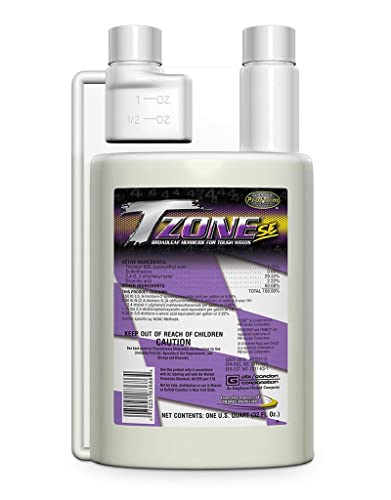
TZONE SE Broadleaf Herbicide 1 Quart
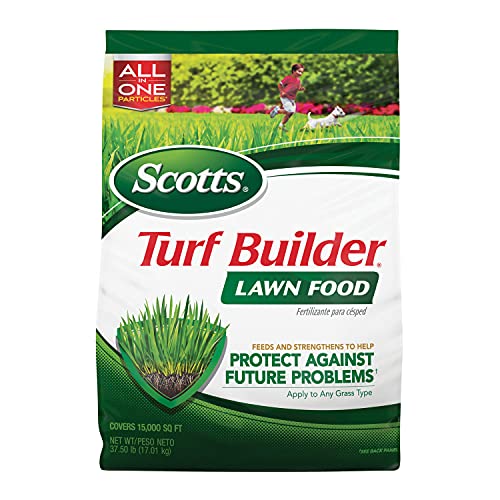
Scotts Turf Builder Lawn Food 37.50 lbs.

Roundup Dual Action Weed Killer 1 gal.
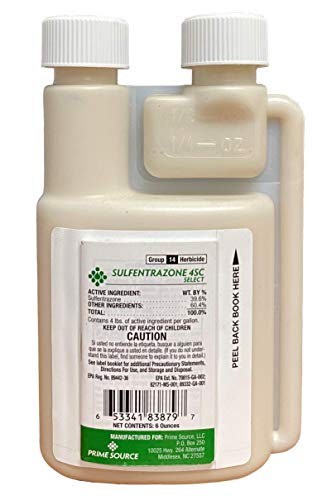
Sulfentrazone 4SC Herbicide 6 oz.
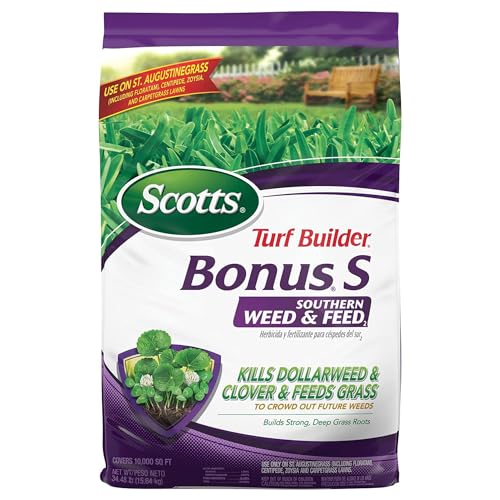
Scotts Bonus S Southern Weed and Feed2 10,000 sq. ft.
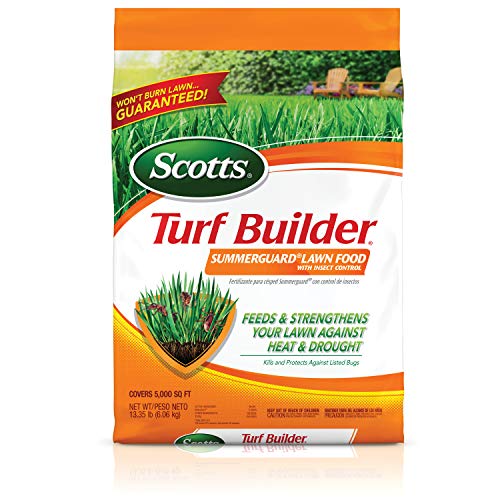
Scotts SummerGuard Lawn Food with Insect Control 5,000 sq. ft.
A Breakdown Of The Leading Choices
When Bermuda sod gets a dead patch from dog urine, heavy foot traffic, or a fungal flare-up, you usually need to cut out the bad square and drop in a fresh piece. This 11.14-inch stainless blade handles that work cleanly. The double-sided edge means you can score a straight line, flip the blade, and come back without resharpening mid-job.
Unlike the herbicide bottles further down this list, this is a hand tool. You carry it out to the yard, score the patch, peel up the dead grass, and slide fresh sod into the opening. The nylon sheath that comes with it keeps the edge covered in the shed, which matters because a clean blade stays sharp longer and cuts faster on the next repair.
Benefits That Matter
- Stainless steel construction resists rust in damp storage
- Double-sided edge doubles the working life between sharpenings
- 11.14-inch reach lets you cut a full square of sod in one pass
- Nylon sheath protects the edge and makes transport safer
- Ergonomic handle keeps grip steady during repeated cuts
Things To Consider
- Marketed as an insulation and utility knife, so the lawn-repair angle is a secondary use rather than a primary design intent
- Hand-powered scoring is fine for small patches but tiring across a large re-sodding project
Right Fit For
Homeowners patching a handful of small bare spots across an otherwise healthy Bermuda lawn will find this blade fast and easy to handle.
Consider Something Else When
Larger renovation jobs point toward Scotts Turf Builder Lawn Food, since you’ll want to feed the surrounding sod heavily as new pieces knit in.
Bermuda is a warm-season grass, and feeding it a generic cool-season blend is a common mistake. This 14.06-pound bag from Scotts is built for southern lawns specifically, so the nutrient ratios match what Bermuda, St. Augustine, centipede, and zoysia actually pull from the soil during their long growing season.
Spread it across the yard during active growth in late spring, summer, or early fall, then water it in lightly. You may find that a Bermuda lawn fed with a southern-specific formula greens up faster and recovers from mowing stress more cleanly than one fed a generic blend. The bag covers a mid-size yard, so a single pass usually handles a typical suburban lot.
Everyday Advantages
- Southern-grass formula avoids the iron and nitrogen mismatches common with all-purpose lawn food
- Versatile application window across spring, summer, and fall active growth
- Pesticide-free fertilizer suits households with kids and pets on the lawn
- Granular format spreads evenly through a standard broadcast spreader
Trade Offs
- Doesn’t address weeds or insects, so you’ll need a separate product for those
- Bermuda goes semi-dormant in winter and won’t take up fertilizer well in cold months
Feature Snapshot
Made For
Bermuda and other warm-season lawns in USDA zones 7 through 10 benefit most from a southern-specific nutrient profile.
Skip It When
Bermuda lawns battling a serious broadleaf weed problem call for Scotts Bonus S Southern Weed and Feed2, which combines feeding and weed control in one pass.
Some broadleaf weeds laugh at standard weed-and-feed products. Dandelion, clover, ground ivy, and violet can stay green through treatments that would crisp a weaker weed in a day. TZONE SE is designed for exactly these stubborn cases, combining four active ingredients, including triclopyr, 2,4-D, dicamba, and sulfentrazone, to attack resistant species from multiple angles.
One quart covers a sizeable Bermuda yard, and depending on your spring weather, you can spray as early as the low 50s Fahrenheit, which is well before most weed killers become effective. Yellow nutsedge suppression is built in, and visible response often shows up fast, reducing the chance you’ll see the same weeds lingering after treatment.
Strong Points
- Four-way active ingredient blend tackles resistant broadleaf species that single-mode herbicides miss
- Cool-weather performance down to about 50°F extends the spray window in spring and fall
- Yellow nutsedge suppression handles one of Bermuda’s most stubborn invaders
- Suitable for residential, commercial, and golf-course turf
Points To Keep In Mind
- Concentrate format requires mixing and a dedicated sprayer rather than a ready-to-use trigger bottle
- Bermuda should be fully out of dormancy before spraying, since semi-dormant turf is more sensitive to herbicide injury
Feature Rundown
Who It Suits Best
Homeowners dealing with stubborn weeds like dandelion, clover, and yellow nutsedge that survived earlier treatments benefit most from this product.
Reach For A Different Pick When
Smaller lawns with only light weed pressure may do better with Scotts Bonus S Southern Weed and Feed2, which handles routine weeds and feeds the lawn in one pass.
Big Bermuda lawns eat fertilizer. A 37.50-pound bag of Scotts Turf Builder covers a generous area, which means fewer refill trips to the garage and more time on the mower seat. The formula works on any grass type, so it doubles as a backup if you also have a patch of fescue or rye in a shadier corner of the yard.
Apply it to a wet or dry lawn during the growing season, then water lightly to push the granules into the root zone. For most backyards, the bag supports multiple applications across the summer, which matters because Bermuda responds strongly to consistent feeding during peak heat.
Useful Highlights
- Large 37.50-pound bag fits larger Bermuda spreads without frequent refills
- Works on any grass type, useful for mixed lawns
- Can be applied to wet or dry turf, so timing around rain is flexible
- Supports root development for better drought resilience
Honest Caveats
- Bulky bag requires a wheelbarrow or cart for transport from the driveway to the lawn
- Generic blend rather than a southern-specific formula, so nutrient ratios are less tailored than the Southern Lawn Food option
Best Suited To
Owners of larger Bermuda lawns who want to minimize how often they haul fertilizer bags around the property benefit from the higher volume.
A Better Fit Elsewhere
Bermuda lawns in cooler parts of the transition zone should look at Scotts Turf Builder SummerGuard, which combines feeding with surface insect control during the hottest weeks.
This Roundup jug does two jobs in one bottle. It kills existing weeds and grass down to the root and lays down an invisible soil barrier that prevents regrowth for up to four months. The Sure Shot wand on the bottle targets individual weeds without bending over or kneeling, which saves your back during long edging sessions along driveways and fence lines.
Use it where you don’t want any growth at all, like cracks in hardscapes, gravel paths, mulched beds, and the perimeter of well-established shrubs. Visible results show up in about six hours, and the formula becomes rainproof in roughly half an hour. Plan ahead though, because nothing can be replanted, including new sod, for four months after application.
Advantages To Know
- Combined kill-plus-prevent formula reduces repeat treatments along hardscape edges
- Sure Shot wand targets individual weeds without overspray onto desirable plants
- Rainproof in about 30 minutes for flexible scheduling around weather
- Visible results in about six hours confirm the application worked
Practical Considerations
- Non-selective herbicide means any Bermuda it touches will be killed along with the weeds
- Four-month replant interval requires planning if new sod or seed is on the calendar
Who Should Grab It
Homeowners prepping mulched beds, gravel areas, and hardscape edges benefit from the dual kill-and-prevent action in a single application.
Not Your Match When
Anyone needing selective broadleaf control inside an actively growing Bermuda lawn should reach for TZONE SE Broadleaf Herbicide instead.
Sedge and spurge are two of the trickiest weeds Bermuda owners deal with, since neither responds well to broadleaf weed-and-feed products. This Dismiss-brand sulfentrazone concentrate targets them directly, and visible results often appear within a day or two of application. The 6-ounce bottle is small but concentrates go a long way when mixed in a pump sprayer.
It works on established turfgrasses, including seeded, sodded, or sprigged Bermuda, so it fits right into a mature lawn care routine. Use it during active growth for the cleanest knockdown, and rotate with a different mode of action in following seasons to keep resistant populations from building up.
What Earns Its Place
- Selective herbicide safe on established Bermuda, seeded, sodded, or sprigged turf
- Visible results typically appear within 24 to 48 hours
- Effective against sedge, broadleaf, and grassy weeds in a single product
- Compact 6-ounce bottle is easy to store on a garage shelf
Softer Spots
- Small bottle format means careful measuring for accurate application rates
- Concentrate requires mixing equipment, which adds setup time for spot treatments
Quick Facts
Whose Shelf It Belongs On
Bermuda lawns with persistent yellow nutsedge or spurge patches that have shrugged off general weed treatments benefit from this targeted approach.
Look Elsewhere When
Yards with broadleaf weed coverage across most of the lawn point toward TZONE SE Broadleaf Herbicide, which handles a wider spectrum in one quart.
When spring arrives and the Bermuda starts waking up, broadleaf weeds usually wake up faster. This Bonus S Southern Weed and Feed2 product handles both at once, killing more than 25 listed lawn weeds while feeding the grass underneath. Dollarweed, clover, dandelion, oxalis, chickweed, henbit, and purslane all appear on the label.
Coverage tops out at 10,000 square feet, which suits most suburban Bermuda lawns. The granular format drops from a regular spreader, so the application looks and feels like a regular feeding walk. Apply it to a damp lawn so the herbicide particles stick to the weed leaves, then hold off on watering for a day or two to let the chemistry do its work.
Why It Works Well
- Two-in-one format saves a separate weed-control trip across the yard
- Covers 10,000 square feet, fitting most suburban Bermuda lots
- Targets more than 25 listed weeds common to southern lawns
- Feeding component helps Bermuda crowd out any weeds the herbicide misses
Room For Improvement
- Granular weed control works best on damp foliage, so timing matters on dry spring days
- Limited to broadleaf weeds listed on the label; sedges and grassy weeds need a different product
Perfect Match For
Bermuda lawns with a broad spread of common broadleaf weeds in spring or early fall benefit from this combined feeding and weed-control pass.
Swap It Out When
Lawns where sedge is the dominant weed problem benefit more from Sulfentrazone 4SC, which is specifically formulated to handle sedge species.
Mid-summer is when Bermuda gets hit from two directions at once. Heat and drought stress weaken the grass, and surface-feeding insects like chinch bugs and sod webworms move in to make things worse. SummerGuard handles both jobs in a single spread, feeding the lawn and killing listed insects during the same pass.
The 13.35-pound bag covers about 5,000 square feet, which makes it well suited to small or mid-size Bermuda spreads. Apply it during the summer stress window when pests are actively feeding. The result is a lawn that holds its color through August instead of thinning out into a patchwork of brown spots.
A Few Highlights
- Combined fertilizer and insect control in a single application saves a separate pass
- Targets listed surface-feeding insects that hit Bermuda hardest in mid-summer
- Heat-and-drought formulation supports Bermuda through the toughest stretch of the year
- 5,000-square-foot coverage suits typical suburban lawns
Worth Noting
- Coverage tops out at 5,000 square feet, so larger yards need extra bags
- Insect control is limited to listed pests, so a separate product may still be needed for grub control or mole crickets
Who Will Love This
Bermuda lawns in regions with hot, dry summers and active chinch bug or sod webworm pressure benefit most from this combined approach.
A Better Fit Elsewhere
Cooler southern regions with milder summers may do better with Scotts Turf Builder Southern Lawn Food, which focuses purely on feeding without the insect-control component.
What To Weigh Before Choosing Bermuda Sod Supplies
Bermuda thrives in heat, but it asks for specific care in return. Soil type matters more than most homeowners expect: sandy soil drains fast and leaches nitrogen, while clay-heavy soil holds moisture but compacts around roots. A soil test every couple of years gives you the actual pH and nutrient numbers to feed against, rather than guessing. Bermuda prefers a pH between about 6.0 and 7.0, so any reading outside that range is worth correcting with lime or sulfur before laying sod.
Reading The Seasonal Calendar
Bermuda grows most actively when soil temperatures sit above about 65°F, which usually means late spring through early fall in most regions. Fertilizer and herbicide applications land best inside that window. Outside of it, Bermuda slows down, goes semi-dormant, and stops taking up nutrients, so feeding or spraying then mostly wastes product. Plan your fertilizer timing around active growth, not the calendar date.
Mowing Height And Root Depth
Bermada sod that gets mowed too short develops shallow roots and thin coverage. Keeping the cut around 1.5 to 2 inches during peak summer helps the root system stretch deeper, which in turn improves drought tolerance. Reel mowers tend to give a cleaner cut on Bermuda than rotary blades, but either works if the blade is sharp and the height setting is consistent.
Choosing The Right Product For The Problem
Fertilizer, weed control, and insect control do different jobs, and trying to handle all three with one product usually means one of them gets shortchanged. A two-in-one weed-and-feed handles routine broadleaf weeds while feeding, but it can’t touch sedge or insects. For tougher problems, dedicated products like TZONE SE for broadleaf weeds, Sulfentrazone 4SC for sedge, and SummerGuard for insects deliver cleaner results.
Key Considerations Across These Picks
Wrong Turns To Avoid
The most common Bermuda mistake is feeding at the wrong time. Bermuda goes semi-dormant in cooler months, and fertilizer applied during dormancy mostly sits on the soil or runs off into storm drains. The second is skipping the soil test, which leaves you guessing on pH and nutrient levels. The third is using a non-selective herbicide like the Roundup Dual Action jug too close to desirable grass, since overspray kills Bermuda as easily as it kills weeds.
Where The Extra Money Goes
Higher-tier lawn care products typically buy more precise formulations and broader weed or insect coverage. Scotts Turf Builder Southern Lawn Food, for example, costs more than generic lawn food because the nutrient ratios match southern grass needs instead of being a one-size-fits-all blend. TZONE SE costs more than basic broadleaf herbicides because it combines four active ingredients to handle resistant species. For most homeowners, that extra spend pays off through fewer repeat treatments and healthier Bermuda across the season.
Frequently Asked Questions
How Soon Should I Fertilize Bermuda Sod After Installation?
Wait until the sod has rooted into the underlying soil, which usually takes two to four weeks, before applying a fertilizer. Pulling gently on a corner of the sod tells you whether it has anchored down. Once it resists, a light feeding with Scotts Turf Builder Southern Lawn Food helps new roots push deeper.
Can I Spray Weed Killer On Newly Laid Bermuda Sod?
Most herbicides need established turf to work safely. Newly laid Bermuda sod is more sensitive to herbicide injury than mature grass, so most product labels recommend waiting at least one full growing season before spraying broadleaf weed killers. Hand-pulling is the safer approach during the establishment window.
What Height Should I Mow Bermuda Sod?
Keep Bermuda sod at roughly 1.5 to 2 inches during the active growing season. Mowing shorter weakens root development and invites weed pressure. During early spring green-up, raise the deck slightly and gradually bring it back down as growth accelerates.
How Often Does Bermuda Sod Need Fertilizer?
Bermuda responds well to two to three feedings during the active growing season, spaced roughly six to eight weeks apart. Avoid feeding during winter dormancy, since the grass is not actively taking up nutrients. A southern-specific fertilizer applied at the right times keeps the lawn thick and green.
When Does Bermuda Sod Go Dormant?
Bermuda goes semi-dormant when nighttime temperatures drop into the 50s consistently, which usually happens in late fall across most of its range. The lawn turns tan or brown during dormancy, which is normal. Growth picks back up the following spring once soil temperatures climb above about 65°F.
Closing Thoughts
The right products turn Bermuda sod from a weekend project into a lawn that handles August heat without thinning out. Start with a southern-specific fertilizer, match your weed control to the actual weeds in your yard, and add insect defense only when the summer heat brings pest pressure along with it. A little planning goes a long way toward keeping that thick green carpet going all season.