A patchy lawn and a stubborn clover argument can wear anybody down. Some homeowners want to plant clover on purpose, others want it gone, and a few just want the soil underneath to stop fighting back. I pulled together the eight products that cover all three camps, from weed-control sprays that target clover by name to seeds that invite it in and amendments that fix what clover is trying to tell you.
A Quick View Of The Lineup
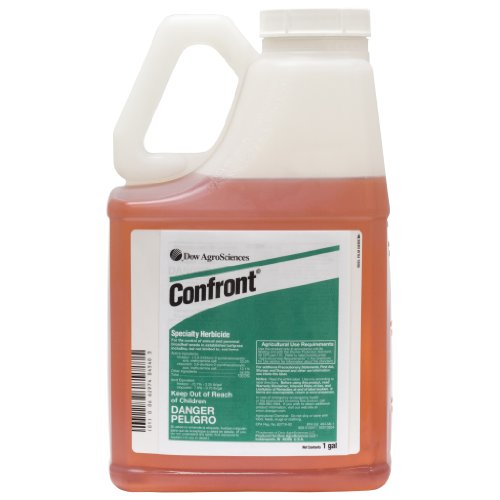
Confront 1 Gallon Broadleaf Weed Control

Scotts LawnPro Step 2 Weed Control Plus Fertilizer

Earth Science Fast Acting Gypsum Granules

Outsidepride Crimson Clover Seeds 5 lbs

Outsidepride Perennial Red Clover Seeds 5 lbs

Eretz Cover Crop Seed Blend 5 lb

Scotts Turf Builder WinterGuard Fall Weed & Feed 5

Outsidepride Perennial White Dutch Clover Seed 5 lbs
Taking A Closer Look At The Options
If your lawn has turned into a clover buffet and you want it gone in a single pass, this is the big jug. The one-gallon container covers serious square footage, which matters once the white flowers start spreading into the turf. It’s a concentrated broadleaf herbicide, so the mixing and application step is part of the deal, and you trade convenience for raw coverage.
Homeowners with established cool-season grass and a real clover problem tend to reach for this kind of concentrate rather than a ready-to-spray bottle. It is also a useful step before reseeding, since clearing the competition gives new grass a cleaner seedbed.
Where It Helps
- Targets clover specifically alongside dozens of other broadleaf weeds like dandelion, plantain, and chickweed
- Concentrate format stretches much further per dollar than pre-mixed sprays
- One gallon suits properties where the clover has spread beyond a small patch
- Works as a prep step before fall overseeding to reduce competition
Things To Consider
- Mixing ratio and sprayer calibration take more attention than a hose-end bottle
- Concentrate storage needs to stay away from kids, pets, and extreme heat
- Grass-type restrictions apply, so always check label compatibility before spraying
Key Product Details
Whose Yard It Belongs On
Homeowners with a half-acre or more of cool-season turf who already own a pump sprayer and want serious clover control.
Skip It When
Scotts Turf Builder WinterGuard Fall Weed & Feed suits beginners better, since it comes ready to spread and pairs weed control with feeding.
Step 2 of the classic Scotts program is built around a simple promise: kill the broadleaf weeds and feed the grass in the same pass. Granular weed-and-feed products like this one save a weekend compared to spraying and fertilizing separately. For a homeowner with a standard push spreader, the learning curve is short.
The 14.63-pound bag is a useful middle-ground size for suburban lots. It spreads clover control across a wide range of common weeds while pushing nitrogen into the root zone. Compared to the Confront concentrate above, you trade some raw clover-killing power for the convenience of no mixing.
Useful Strengths
- Kills dandelions and other broadleaf weeds while feeding the lawn in one pass
- Granular format works with any standard push or rotary spreader
- Promotes thicker turf from the roots up, which crowds out future weed growth
- Part of a numbered seasonal program, so timing is easy to plan
Worth Noting
- Not suitable for St. Augustine, centipede, bahia, or dichondra lawns
- Needs a wet lawn or light watering in to activate the herbicide
- Results depend on getting application timing right around active weed growth
Right Fit For
Homeowners in the middle of a multi-step lawn program with a cool-season grass who want a single product to handle both jobs.
Look Elsewhere When
Confront 1 Gallon Broadleaf Weed Control makes more sense for large lots or stubborn clover patches that need a concentrate spray.
Sometimes the reason clover shows up is that the grass gave up first. Gypsum is calcium sulfate, and its job is to loosen heavy clay and counteract salty soil without disturbing pH. The Nutri-Bond technology in this product is designed to keep the granules from washing off-slope before they do their work.
The 5-pound pail is sized for spot treatments and small yard refreshes. You spread it, water it in, and let weeks of soil chemistry do the rest. Pairing gypsum with a reseeding pass often beats fighting clover with herbicide alone, since better soil structure helps turfgrass compete on its own.
Advantages To Know
- Loosens compacted clay for better water and root penetration
- Supplies calcium without changing soil pH, unlike lime
- Helps repair salt-damaged soil along driveways and walkways
- Nutri-Bond coating aims to reduce runoff on slopes
Trade Offs
- Works slowly over weeks rather than producing instant visual change
- 5-pound size suits smaller yards, so large properties may need multiple pails
- Does not directly kill existing clover, so pair with other controls if needed
Feature Snapshot
Best Suited To
Homeowners who want to fix the soil underneath so grass can outcompete clover over the long run rather than relying on sprays alone.
Where Another Pick Suits Better
Scotts LawnPro Step 2 Weed Control Plus Fertilizer fits a homeowner who wants immediate visible weed reduction and a built-in feeding step.
On the other side of the clover debate, some folks want the plant and want it loud. Crimson clover is the showy one: tall, deep red blooms, popular with bees and other pollinators. The seeds here come nitrocoated and inoculated, which means they’re pre-treated to support germination and to host the right nitrogen-fixing bacteria.
Because it’s an annual, crimson clover won’t take over a lawn for years at a time. You plant it, enjoy the bloom, and till it in as green manure at season’s end. That cycle makes it a popular cover-crop choice for vegetable beds and food plots, where soil building matters as much as color.
Well-Handled Touches
- Nitrocoating and inoculation give seeds a head start on germination and nitrogen fixing
- Bright red blooms attract bees, butterflies, and other pollinators
- Annual lifecycle fits a single-season cover-crop rotation
- High-protein forage appeal for deer and livestock plots
Points To Note
- Annual, so it dies back at the end of the season and needs reseeding yearly
- Bloom height can look weedy in a manicured turf setting
- 5-pound bag suits larger plots, which may be more than a small yard needs
Quick Facts
Who Should Grab It
Homeowners, food-plot managers, and small-acreage growers who want a vivid pollinator-friendly cover crop for a single growing season.
Reach For A Different Pick When
Outsidepride Perennial Red Clover Seeds fits better for someone wanting a multi-year stand that keeps coming back without annual reseeding.
Perennial red clover is the workhorse of the clover world. It germinates reliably, fixes nitrogen from the air into the soil, and persists for several seasons, often longer thanks to self-seeding. The same nitrocoating and inoculation treatment that helps the crimson variety applies here.
This seed is as comfortable in a pasture mix as it is in a backyard ground-cover project. Pasture managers appreciate the protein content for grazing, while homesteaders use it in rotation programs to restore tired plots. In a lawn, it functions more as a soil-building companion than a tidy turf substitute.
What It Does Well
- Lasts 3 to 5 years per planting, with self-seeding extending the stand
- Fixes atmospheric nitrogen, reducing the need for synthetic fertilizer
- Works in pasture, hay, silage, and cover-crop rotations
- Pre-treated seed improves early germination and nodulation
Honest Caveats
- Can spread beyond original planting area through self-seeding
- Less tidy than grass for a traditional lawn look
- Perennial clovers occasionally need mowing management to stay vigorous
Built With In Mind
Small farmers, homesteaders, and homeowners running soil-improvement rotations who want clover that returns year after year without reseeding.
Swap It Out When
Eretz Cover Crop Seed Blend suits someone who wants a multi-species mix rather than a single clover type.
Where single-species clover seeds focus on one job, this blend spreads the work across four. Hairy vetch, crimson clover, peas, and white oats are mixed at roughly even weights, so you get nitrogen-fixing legumes, biomass builders, and a structural grass all in one pass. The oats give the legumes something to climb on.
It’s grown in Oregon’s Willamette Valley with no fillers and no weed seeds, which matters when you’re trying to add one set of plants without introducing another. For garden beds, food plots, or larger lawn renovation projects, the mix approach tends to cover more soil-health bases at once.
Noteworthy Benefits
- Four-species mix delivers nitrogen fixing, biomass, and ground coverage together
- Oats provide physical structure for the vining legumes to climb
- No fillers and no weed seeds in the bag
- Multiple bloom colors support honey bee and pollinator visits
Room For Improvement
- Not designed for a tidy lawn look, more for soil-building cycles
- Needs to be tilled or mowed down at the right stage to actually benefit the soil
- 5-pound size suits medium plots, so larger areas may need more than one bag
Feature Rundown
Who It Suits Best
Garden owners, smallholders, and renovators who want a single bag to cover nitrogen, biomass, and pollinator support in one sowing.
Not Your Match When
Outsidepride Perennial White Dutch Clover Seed is the better fit for a homeowner focused on a low-grow, mowable lawn alternative.
Fall is the underrated season for lawn work, and WinterGuard is built around that window. It targets a long list of broadleaf weeds, clover among them, while feeding the grass so roots store energy through winter. The theory is simple: a stronger root system next spring means fewer open spots for weeds to fill.
The 11.28-pound bag is a sensible size for the average suburban yard and spreads with a standard broadcast or drop spreader. It is a granular product, so the application step is a calm walk across the lawn rather than a mixing-and-spraying job.
A Strong Showing
- Targets over 50 listed broadleaf weeds including clover
- Feeds the lawn at the same time, building winter root reserves
- Granular form goes down with any standard spreader
- Suitable for several common warm and cool-season grass types
Practical Considerations
- Needs a moist lawn or light watering in to activate the herbicide
- Timing matters: late-fall application is what makes it work
- Some grass types are off-limits, so check the label before spreading
Who Will Love This
Homeowners planning a fall treatment window who want clover and other broadleaf weeds knocked back before winter sets in.
Consider Something Else When
Earth Science Fast Acting Gypsum Granules is a better fit for someone whose real problem is compacted soil rather than active weed pressure.
White Dutch clover is the classic low-grow clover that once came standard in lawn mixes before broadleaf herbicides pushed it out. It stays short, tolerates mowing, and spreads without aggressive rhizomes. The nitrocoating and inoculation again give it a stronger start than raw seed.
It grows across USDA zones 3 through 10, which makes it one of the more flexible ground covers in this roundup. For homeowners converting part of a yard away from high-maintenance turf, this seed is the realistic starting point, and for erosion control on a slope, the dense mat it forms helps hold soil in place.
A Few Highlights
- Grows in a wide range of climates, from full sun to partial shade
- Stays low and tolerates regular mowing
- Fixes nitrogen naturally, feeding itself and nearby plants
- Works as a lawn alternative, ground cover, or pasture mix addition
Factors To Consider
- Attracts bees while blooming, which matters for barefoot lawns
- Not a single-season fix, since establishment runs through a full growing cycle
- 5-pound bag covers substantial ground, more than small patch repairs
Perfect Match For
Homeowners converting a yard to a low-input clover lawn or tackling erosion on a slope across a wide range of climates.
A Better Fit Elsewhere
Outsidepride Crimson Clover Seeds suit someone who wants dramatic red blooms in a single season rather than a multi-year lawn alternative.
What To Weigh Before Choosing Clovers For Lawns
Decide Whether You Want Clover In Or Out
The first fork in the road is philosophical. Homeowners fighting clover want selective broadleaf control that spares the grass, while homeowners planting clover want treated seed that germinates well and fixes nitrogen. Choosing the wrong category leads to wasted effort, so identifying your goal up front saves money and a season of frustration.
Match The Product To Your Grass Type
Many weed-control products carry grass-type restrictions, often excluding St. Augustine, centipede, bahia, and dichondra. Reading the label before buying prevents the worst kind of surprise, a yellowed lawn after an incompatible herbicide. Cool-season grass shoppers have the most flexibility, while warm-season shoppers should match carefully.
Understand Soil Conditions Underneath
Clover thrives where turfgrass struggles, especially in compacted, low-fertility, or salty soil. Products like gypsum address the soil structure, while inoculants on clover seeds give them the bacteria they need to fix nitrogen. For tired yards, addressing the soil often beats repeated herbicide passes.
Pick The Right Clover For The Job
Annual crimson clover suits short, vivid cover-cropping cycles. Perennial red clover returns for several years and works in pasture mixes. White Dutch clover stays low and functions as a lawn substitute. The seed you pick should match the role you want it to play, since each type behaves differently once established.
Key Considerations Across These Picks
Pitfalls Shoppers Hit
The most common slip is buying a broadleaf herbicide without checking grass-type compatibility, which can damage sensitive warm-season lawns. Another is sowing clover seed without inoculant, which limits nitrogen fixation and slows establishment. Skipping soil prep before either step tends to deliver underwhelming results.
What The Higher Tier Buys
More expensive products in this category usually offer better seed treatment, larger coverage, or concentrated formulas that stretch further per application. The premium on a jug of concentrate pays off across big properties, while coated and inoculated seed reduces the guesswork in establishment. For a small yard, the basic tier often does the job without stretching the budget.
Frequently Asked Questions
Will Clover Take Over My Lawn?
Clover spreads where grass thins, so a thick, well-fed lawn is the best defense. If you want it gone, combine broadleaf control with overseeding and proper fertilization to crowd it out.
Is Clover Bad For A Lawn?
Clover is not harmful in itself. It fixes nitrogen, supports pollinators, and stays green through dry spells, but its blooms attract bees, which matters in barefoot play areas.
When Should I Plant Clover Seed?
Early fall and early spring are the most reliable windows, with consistent moisture and moderate temperatures. Avoid the heat of midsummer, which stresses seedlings.
Can I Use Weed Killer And Then Plant Clover?
The standard practice is to wait several weeks after herbicide application before seeding, so the residual chemistry does not stop the new clover from establishing. Always check the product label for replant intervals.
Do I Need To Inoculate Clover Seed?
Pre-inoculated and nitrocoated seed gives the strongest start, since the right bacteria need to be present for nitrogen fixation. Bare seed can still grow, but inoculation improves the long-term stand.