Walk-behind mowers have gotten genuinely good. Battery packs last longer, brushless motors (drives that use electronic controllers instead of carbon brushes, so they waste less energy as heat) push harder, and the noise floor has dropped low enough that I can mow before coffee without waking the block. The picks below cover the spectrum: heavy-duty 60V workhorses, a smart 40V option for half-acre lots, and two quiet manual reel mowers for small patches of turf. None of these are true robotic mowers, but each handles the kind of routine a homeowner faces without the gas-can ritual.
A Fast Comparison Of The Options

Greenworks 60V 21in Self-Propelled Lawn Mower (2) 4.0 Ah Battery Kit

Worx 40V 21in Cordless Lawn Mower WG752

Scotts 304-14S 14-Inch 5-Blade Push Reel Lawn Mower

Greenworks 60V 17in Push Lawn Mower 4.0 Ah Battery and Charger
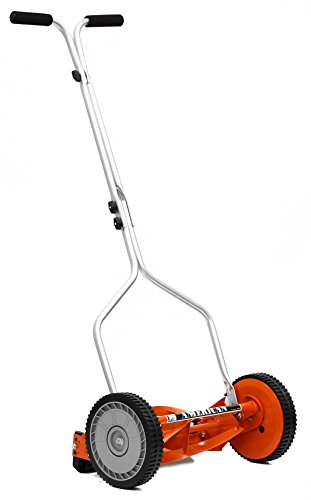
American Lawn Mower 1204-14 14-Inch 4-Blade Push Reel Lawn Mower
The Strengths Of Each Pick
The Greenworks 60V 21-inch self-propelled mower arrives with two 4.0 Ah batteries in the box, which matters more than any spec sheet suggests. Most cordless mowers ship with one pack and a charger; here you swap a fresh cell in and finish the back forty without waiting for a recharge. The brushless motor runs cooler and quieter than brushed equivalents, and the self-propelled rear wheels pull the deck forward so slopes feel less like a workout.
For homeowners transitioning off gas, this model bridges the gap with real cutting power and a wider 21-inch swath. I think of it as the gas-replacement option, the one for people who used to fire up a 150cc engine every Saturday and now want similar cutting strength without the oil changes. Compared to the Worx WG752 below, it leans heavier but trades that weight for stamina.
What Makes Sense
- Twin 4.0 Ah batteries extend runtime well past a half-acre in real conditions
- Self-propelled drive reduces fatigue on inclines and uneven ground
- Brushless motor is quieter than gas, so early-morning mowing stays neighbor-friendly
- 21-inch deck handles broad lawns with fewer passes
- 60V platform shares batteries with other Greenworks tools in the lineup
Things To Consider
- Heavier than push-only cordless models, which can wear on small frames during long sessions
- Larger deck reduces agility around tight garden beds
- Battery storage in cold garages can shorten winter runtime, a commonly reported concern
Key Specs
Who Will Love This
Homeowners with quarter-acre-plus lawns who want cordless convenience without sacrificing cutting power or runtime.
Consider Something Else When
The Greenworks 60V 17in Push Lawn Mower suits small yards better, since its lighter frame and tighter deck handle tight landscaping with less fatigue.
The Worx Nitro WG752 steps into the cordless category with a 40V platform that handles up to half an acre on a charge, depending on grass thickness and cutting height. The aerodeck technology increases internal airflow, lifting grass blades upright before the cut. That translates to a cleaner trim across uneven spots, especially helpful on lawns with mixed Bermuda and rye patches.
Where the Greenworks 60V self-propelled unit pushes raw power, this Worx leans on versatility. The 3-in-1 deck handles mulching (chopping clippings fine enough to drop back into the lawn), bagging, and side discharge, which I find useful when the homeowner wants flexibility across seasons. For suburban lawns with obstacles, the push design keeps the unit lighter and easier to pivot around trees.
Positive Takeaways
- Aerodeck airflow lifts grass for a more even cut across bumpy terrain
- 3-in-1 versatility handles mulching, bagging, and side discharge
- 40V battery platform is lighter to handle than higher-voltage alternatives
- Push design is easy to store in narrow garage spaces
Points To Note
- Single battery limits continuous use; charging breaks can interrupt bigger jobs
- Push-only operation is more tiring on slopes than self-propelled picks
- Run time varies widely with grass density and moisture content
Best Suited To
Suburban homeowners with half-acre lots who want a versatile 3-in-1 cutting system without the weight of a self-propelled unit.
Look Elsewhere When
The American Lawn Mower 1204-14 reel mower is a quieter, zero-maintenance alternative for homeowners with very small turf who do not need motorized cutting.
The Scotts 304-14S trades batteries and motors for five heat-treated alloy steel blades that scissor-cut grass with each push. Reel mowers work by spinning a cylinder of blades across a fixed bedknife, slicing rather than tearing. The result is a quieter cut, no fuel, no charging, and a cleaner trim that helps grass stay greener in dry weeks.
This is the kind of mower I recommend for tight urban lawns under 1,500 square feet, where cordless models feel like overkill. The T-style handle with cushioned grip absorbs vibration, and tool-less assembly means you can be mowing within fifteen minutes of opening the box. Compared to the motorized picks above, the trade-off is effort: tall or wet grass demands more pushing force.
Benefits That Matter
- Heat-treated alloy blades hold an edge across multiple seasons
- Zero emissions, zero fuel costs, zero charging wait
- Adjustable cutting height from 0.5 to 1.75 inches suits most turf types
- 8.5-inch composite wheels roll smoothly over uneven ground
- Near-silent operation respects early-morning and evening mowing hours
Honest Caveats
- Struggles with grass over four inches tall, requiring pre-trimming
- Push effort rises noticeably on thick or damp turf
- 14-inch deck means more passes than wider walk-behind units
Feature Snapshot
Made For
Homeowners with small, level lawns who want a quiet, fuel-free cut and do not mind putting in a bit of push-power.
Skip It When
The Worx 40V 21in Cordless Lawn Mower WG752 is a smarter choice for half-acre lots, where push-effort on a reel mower would become exhausting.
The Greenworks 60V 17-inch push mower trims the deck width down from its 21-inch sibling, trading raw coverage for nimbleness around flower beds, fenced corners, and narrow side yards. The same brushless motor architecture keeps the cut strong, and the single 4.0 Ah battery handles small-to-mid lawns in one session for most users.
Where the larger Greenworks unit pulls its weight on big open turf, this model threads through obstacles that frustrate wider decks. The push-only format keeps the price down and the unit light, which I appreciate when storing it against a garage wall or carrying it up basement stairs. Compared to the Scotts reel above, you get motorized cutting at the cost of some extra noise and battery management.
Reasons It Performs
- 17-inch deck fits through standard yard gates and tight garden paths
- 60V brushless motor delivers strong blade torque for its size
- Lighter than the 21-inch self-propelled model, easier to push and store
- Battery and charger included for ready-to-mow unboxing
Small Caveats
- Single battery means no swap-and-go option for larger yards
- Push-only effort grows on hilly terrain
- Smaller collection bag fills faster, requiring more frequent emptying
Quick Facts
The Right Fit
Homeowners with mid-size yards under a quarter acre who want cordless power in a compact, easy-to-store package.
Swap It Out When
The Greenworks 60V 21in Self-Propelled Lawn Mower handles expansive lawns better, with twin batteries and motorized wheels for longer sessions.
The American Lawn Mower 1204-14 weighs roughly 19 pounds, lighter than most cordless mowers even before you add a battery. Four heat-treated blades spin against a fixed bedknife to slice grass cleanly, and the 8.5-inch polymer wheels glide across small lawns with minimal effort. There is no motor, no cord, and no fuel to manage.
This model handles grass up to four inches tall and offers adjustable cutting heights from 0.5 to 1.75 inches. Compared to the Scotts 304-14S above, the four-blade reel trades a finer cut for a slightly lower price point, which can matter for shoppers on tight budgets. For tiny patches of turf, the manual format outlasts every battery-powered alternative on this list.
What It Does Well
- At roughly 19 pounds, it is light enough to carry one-handed down stoops or into sheds
- Manual operation eliminates batteries, chargers, and engine maintenance entirely
- Polymer wheels resist rust and stand up to damp grass
- Adjustable blade height handles most common turf types
Trade Offs
- Less cutting precision than five-blade reel designs on thicker turf
- Pushing effort scales up on grass left to grow tall between cuts
- Not suited to lawns with sticks, pinecones, or rough weeds
Built With In Mind
Apartment dwellers, small-yard homeowners, and anyone seeking a no-maintenance mowing tool that lasts decades.
Another Choice May Suit
The Scotts 304-14S offers a five-blade reel for shoppers who want a slightly finer cut and do not mind a modest step up in weight.
What Matters Most Before Choosing Autonomous Commercial Lawn Mowers
Yard size dictates battery platform. Anything over a quarter acre benefits from a 60V system or a 40V model with swappable batteries. Smaller patches under 1,500 square feet rarely justify a battery-powered unit; a reel mower handles the work without charging cycles.
Deck width trades speed for agility. A 21-inch deck covers ground fast but struggles around landscaping features. A 14- to 17-inch deck pivots cleanly through gates and beds, though it demands more passes.
Self-propelled vs push matters on terrain. Slopes and uneven ground reward self-propelled wheels, since they reduce fatigue and keep cutting speed consistent. Flat, small lawns stay simpler with a lighter push design.
Cutting system affects lawn health. Reel mowers slice grass cleanly, which reduces tip browning and helps lawns retain moisture during hot weeks. Rotary cordless decks chop at higher speeds, which works well on thick or tall growth.
Key Considerations Across These Picks
Where Shoppers Go Wrong
The most common mistake is matching battery voltage to lawn size without checking deck width. A 60V system on a tiny lawn adds cost and weight that go unused, while a 40V system with a wide deck can run out of charge before the job finishes. I have also seen shoppers skip height-adjustment checks; decks that only reach 2.5 inches struggle with cool-season grasses that thrive at 3 inches or higher.
When Paying More Pays Off
Higher-tier cordless models earn their premium through longer runtime, dual-battery configurations, and brushless motors that outlast brushed equivalents by years. For anyone mowing a half acre or more each week, the upgrade pays back through battery longevity and reduced maintenance. Smaller lawns rarely justify the extra cost, since a basic push reel or compact cordless unit handles the workload without the additional features.