Anyone who has tried to start a mower in spring after a long winter knows the frustration. Gas goes bad, carburetors gum up, and small engines refuse to cooperate. A thoughtful bottle of fuel additive can save a Saturday, and I have spent years sorting through which ones actually belong in a mower owner’s garage.
Below are eight options covering routine fuel system cleaning, seasonal storage protection, and oil-side treatments for higher-mileage engines. Each one is framed for the way real mower owners actually use them, not lab conditions.
An Overview Of The Picks

Sea Foam Motor Treatment Fuel System Cleaner (16 oz, Pack of 3)

STA-BIL Storage Fuel Stabilizer (4 oz, 8-Pack)

Mercury 8M0047931 Quickleen Engine & Fuel System Cleaner (12 oz)

Quicksilver Quickleen Engine and Fuel System Cleaner

STA-BIL In-Season Fuel System Treatment & Injector Cleaner (32 oz, 6-Pack)
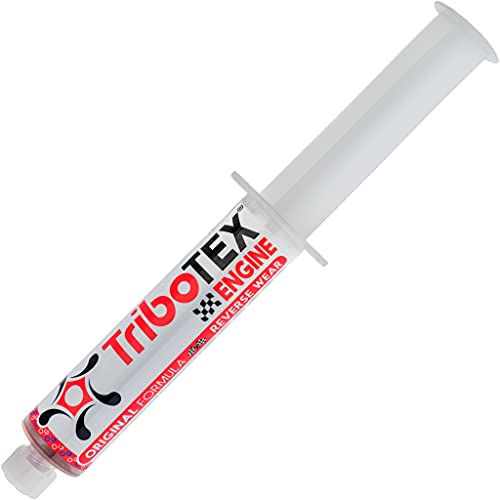
TriboTEX Nano Oil Additive Car Engine Treatment (Truck or Tractor)
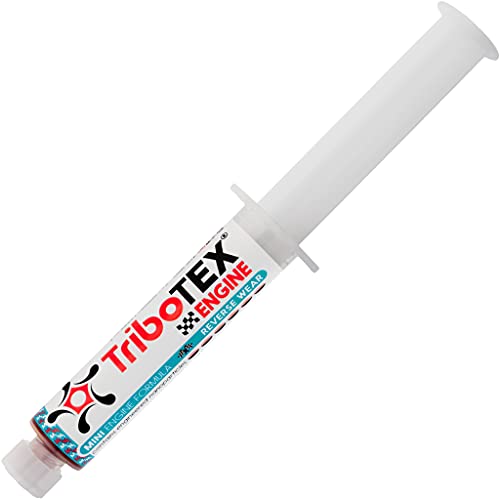
TriboTEX Small Oil Additive Engine Treatment (Mower or Generator)

TriboTEX Oil Additive Diesel Engine Treatment (Big Diesel Truck)
The Strengths Of Each Pick
Sea Foam sits in a category of its own because it works in three places at once: fuel, oil, and the intake tract. For a homeowner running a push mower, a snowblower, and maybe an older truck, that flexibility matters. One bottle can be poured into a fuel tank to clean injectors and carburetor passages, or measured into the crankcase to thin sludge and free up stuck rings.
The brand recommends a pour every 3,000 miles for cars, but for small engines the cadence is closer to once a season or whenever the mower starts acting finicky. You may find it useful as both a cleaning treatment and a light stabilizer, which trims down what you need to keep in the shed. Compared with the storage-only STA-BIL entries on this list, Sea Foam leans harder toward active cleaning rather than long-term preservation.
Everyday Perks
- Doubles as a fuel system cleaner and an oil treatment, so one bottle covers multiple jobs
- Safe for gasoline, diesel, and ethanol-blend fuel, which fits mixed-equipment garages
- Targets injectors, carburetor restrictions, and chamber deposits from a single dose
- Three-pack format keeps a spare on hand for the next service window
- Light enough to use as a routine additive rather than only a fix-it treatment
Things To Consider
- For pure winter storage of fuel sitting untouched for many months, dedicated stabilizers tend to do that job more aggressively
- The dosing instructions vary by application, so first-time users need to read the label carefully
Key Specs
Right Fit For
Homeowners who want a single additive to handle fuel cleaning, light stabilization, and crankcase freshening across a mix of mower, trimmer, and car.
Look Elsewhere When
Mowers stored untouched for an entire winter are better served by STA-BIL Storage Fuel Stabilizer, which is formulated specifically for months-long fuel preservation.
When a mower, generator, or snowblower sits for months between uses, the gasoline in the tank starts oxidizing and gumming. STA-BIL’s Storage formula is built for exactly that problem. You add it before the equipment goes into hibernation, and the fuel stays usable the next time you pull the starter cord.
The eight-pack of 4 oz bottles is sized for small engines rather than car-sized fuel tanks. One bottle typically treats a few gallons, so a homeowner with a mower, a tiller, and a generator can rotate through the pack over several seasons. It also doubles as corrosion protection against the ethanol-blend fuels that sit on most pumps these days.
Points In Its Favor
- Engineered specifically for months-long fuel storage rather than active cleaning
- Shields fuel system components from ethanol-related corrosion
- Small bottle format makes dosing for mower-sized tanks simple
- Eight-pack value means a single purchase covers several pieces of equipment
Worth Noting
- Not designed to clean a gummed-up carburetor that’s already misfiring; it’s a preventive, not a cure
- With many small bottles to track, owners commonly report losing track of which one is opened
Best Suited To
Anyone storing a mower, generator, or boat motor for an entire off-season and wanting fresh fuel ready at first start.
Swap It Out When
For an engine that already runs rough from varnish buildup, Mercury 8M0047931 Quickleen Engine & Fuel System Cleaner is the better active-cleaning choice.
Mercury’s Quickleen is part of the brand’s marine-grade fuel care system, but the chemistry transfers well to lawn mower duty. It focuses on carbon removal, lifting deposits from carburetors, intake valves, spark plugs, and piston crowns. For a mower that smokes on startup or has lost its crisp throttle response, that targeted cleanup is exactly what’s needed.
The dose is small, just one ounce per five gallons, which means a 12 oz bottle goes a long way across multiple treatments. Owners with a half-acre lawn and a few small engines can stretch one bottle across most of a season. The catch: Quickleen is a cleaner, not a stabilizer, so fuel still needs separate protection during long storage.
What Works In Its Favor
- Carbon-clearing action targets the same deposits that cause rough idle and knocking
- Light 1 oz-per-5-gal ratio means one bottle covers many treatments
- Built to Mercury Marine’s OEM specifications, so quality control is consistent
- Compatible with most carbureted small engines found in older mowers
Trade Offs
- Does not contain fuel stabilizers, so winter prep still calls for a separate product like STA-BIL
- Best as an occasional seasonal treatment rather than every-fill-up use
Feature Snapshot
Whose Shelf It Belongs On
Owners of older carbureted mowers that have lost snap or run rough on cold starts and need a serious internal cleaning.
Reach For A Different Pick When
Routine every-fill-up maintenance is the goal, in which case Quicksilver Quickleen Engine and Fuel System Cleaner handles that cadence better.
Quicksilver’s Quickleen is the everyday-use sibling of the Mercury product reviewed earlier, and that distinction matters. Where Mercury’s formula is dialed for occasional heavy-duty cleaning, Quicksilver is rated for use at every fuel fill-up. For a mower that runs weekly through the summer, that routine cadence keeps deposits from gaining a foothold in the first place.
The dose stays at one ounce per five gallons, matching the Mercury treatment. It handles all grades of gasoline plus ethanol blends, which lines up with what’s at most neighborhood pumps. It’s a sensible maintenance habit rather than a rescue product.
Well-Handled Touches
- Cleared for use at every fill-up, not just seasonal service
- Compatible with all gasoline grades and ethanol-blend fuels
- Prevents the knocking and seize-up that comes from accumulated carbon
- Modest 1 oz-per-5-gal dose keeps a bottle lasting across many refills
Points To Note
- Won’t rescue a carburetor that’s already varnished shut; pair with mechanical cleaning for severe cases
- Like other cleaners in this category, it does not stabilize fuel for months-long storage
Made For
Homeowners who mow often enough that weekly or per-fill-up additive dosing is realistic and who want to prevent buildup before it starts.
A Better Fit Elsewhere
For an engine that’s already running rough from neglect, STA-BIL In-Season Fuel System Treatment & Injector Cleaner delivers a stronger single-shot dose.
STA-BIL’s in-season treatment is the brand’s answer for engines that are still in active rotation but need their fuel system scrubbed clean. It targets injectors, fuel lines, and fuel pumps while pulling water out of the tank and lifting gum and varnish. The 32 oz bottles in a six-pack are sized for someone with a small fleet of equipment, not a single mower.
Compared to the storage-focused STA-BIL earlier in this list, this formula leans into cleaning rather than preservation. The bulk format suits a homeowner with a riding mower, a tiller, a generator, and a couple of snowblowers all sharing the same maintenance habits. For one small mower, the volume may be more than needed.
Noteworthy Benefits
- Cleanses the entire fuel path, from tank to injectors to fuel pump
- Pulls water out of fuel, which protects against corrosion in ethanol-blend gas
- Adds corrosion protection to internal metal parts during normal use
- Six-pack of 32 oz bottles covers multiple seasons of routine maintenance
Minor Gripes
- The bulk size is overkill for a homeowner with only one push mower
- Like most in-season cleaners, it does not replace a dedicated winter stabilizer
Quick Facts
Who Should Grab It
Owners with a small stable of equipment, riding mowers, generators, and tillers, who want one bulk supply to keep them all running clean.
Not Your Match When
For a single push mower tucked away for winter, the smaller 4 oz STA-BIL Storage Fuel Stabilizer is the right size and purpose.
TriboTEX takes a different angle from the rest of this list. Instead of treating fuel, it goes into the engine oil. The product is a synthetic nanoparticle material designed to build a diamond-like carbon coating on worn bearing surfaces. The pitch is wear reversal rather than prevention, which makes it a tool for engines that have already clocked significant hours.
This particular bottle is sized for one regular truck, tractor, or small diesel, so it crosses categories. For lawn and garden use, it fits a compact diesel tractor or a hardworking riding mower with hundreds of hours on the clock. Owners commonly describe quieter operation and smoother running after a treatment cycle, though results depend on engine condition.
Useful Touches
- Targets bearing wear directly rather than just cleaning fuel passages
- Compatible with all motor oil types, conventional or synthetic
- Works in both gasoline and diesel engines, broadening its yard uses
- Single-treatment bottle matches the oil capacity of one tractor or truck
Honest Caveats
- It is an oil additive, not a fuel additive, so it does not address varnish in carburetors
- Higher up-front cost than a bottle of fuel-side cleaner, with results that build over time
Who It Suits Best
Owners of compact diesel tractors or hard-working riding mowers with significant hours who want to address bearing wear rather than fuel cleanliness.
Where Another Pick Suits Better
For a gas push mower that won’t start after winter, STA-BIL Storage Fuel Stabilizer handles the fuel side at a fraction of the cost.
This is the small-engine sibling of the larger TriboTEX treatment, scaled for a single motorcycle, lawn mower, or generator. Same nanoparticle technology, same idea of building a diamond-like carbon coating on worn bearings, but tuned for the much smaller oil capacity of a push mower’s four-stroke or a generator’s crankcase.
For lawn mower owners, this is the version that actually fits the equipment. It’s safe for wet clutches, which is relevant if the mower in question shares technology with motorcycles or small utility engines. The trade-off is that it lives on the oil side of the engine, so any fuel-related starting problems still need a separate additive.
Benefits That Matter
- Sized correctly for small-engine oil capacities, avoiding over-dosing
- Safe for wet-clutch designs found in some shared-platform small engines
- Addresses bearing wear on engines with many seasons of use
- Compatible with both four-stroke and two-stroke oil systems
Points To Keep In Mind
- Does not touch fuel varnish or carburetor deposits; that is a different additive category
- A single small bottle leaves no leftover for a second treatment on the same engine
Feature Rundown
Perfect Match For
Push mower owners who want to address oil-side engine wear rather than fuel system issues, particularly on machines with several seasons of use.
Consider Something Else When
For fuel-system problems like stale gas or varnish, Quicksilver Quickleen Engine and Fuel System Cleaner stays in the fuel lane where the trouble lives.
The third TriboTEX option covers the heavy end of the lineup, big diesel trucks and large diesel-powered equipment. The chemistry is the same nanoparticle coating, but the bottle is sized to match a much larger oil capacity. For a property with a diesel pickup used for hauling and a diesel compact tractor, one bottle covers each engine as a single treatment.
It also suits lawn care operations running diesel-powered zero-turn mowers or commercial-grade mowing equipment. The honest read is that this product lives outside the typical push-mower conversation, but for readers who run larger diesel yard equipment, it rounds out the lineup alongside the smaller TriboTEX bottle.
Why It Works Well
- Targets the same bearing-wear problem on diesel engines where fuel additives cannot reach
- Bottle volume matches the oil capacity of one large diesel engine
- Useful for diesel pickups and large diesel-powered yard equipment
- Coating chemistry helps reduce engine noise and improve oil consumption in worn engines
Room For Improvement
- Single-use bottle per large engine means no leftover for touch-up treatments
- It does not address fuel-side issues that often accompany stored diesel equipment
Who Will Love This
Property owners running diesel pickups or diesel compact tractors who want oil-side wear treatment scaled to a large engine.
Skip It When
For a typical gasoline push mower, TriboTEX Small Oil Additive Engine Treatment is the correctly scaled version.
Factors Worth Weighing Before Choosing Fuel Additives For Lawn Mowers
Matching the Additive to the Problem
The first decision is whether the mower’s issue lives in the fuel system or the oil side. Fuel-side additives like STA-BIL and Sea Foam address stale gas, varnish, and injector deposits. Oil-side additives like the TriboTEX line address bearing wear. Most push mower problems fall on the fuel side, which is why fuel additives dominate this list.
Routine Cleaning Versus Storage Protection
There is a real difference between a treatment that scrubs deposits every fill-up and one that keeps fuel fresh for months. In-season cleaners like Quicksilver and STA-BIL In-Season work well during the mowing months. Storage stabilizers from STA-BIL earn their place before winter. Using one in place of the other is a common mix-up.
Engine Size and Dose Sizing
Small engines need small doses. A 1 oz-per-5-gal ratio means a 12 oz bottle covers many mower-sized tanks, while bulk 32 oz bottles make more sense for multi-equipment households. For oil additives, the bottle is usually sized to one engine’s full oil capacity, which keeps over-dosing from happening by accident.
Things Worth Knowing Before You Buy
Where Shoppers Go Wrong
Treating fuel system issues with an oil additive, or trying to fix bearing wear with a fuel cleaner, tops the list. The two sides of the engine need different products. Another common slip is buying a storage stabilizer expecting it to clean a carburetor that’s already varnished shut; that situation calls for an active deposit remover first, then stabilizer going forward.
Where The Extra Money Goes
The premium TriboTEX treatments cost more because they use nanoparticle coating chemistry developed for the Department of Energy and NASA, and they work on the oil side rather than the fuel side. The case for spending up is an engine with many hours on it where bearing wear is the real concern. For routine fuel maintenance on a push mower, a moderately priced fuel additive is plenty.
Frequently Asked Questions
Do fuel additives actually help lawn mowers run better?
They can, when matched to the problem. Fuel cleaners help engines that idle rough or smoke from carbon buildup. Stabilizers help engines that sit for months between uses. They are not magic, and they cannot reverse mechanical wear.
How often should I add fuel stabilizer to my mower?
For mowers stored through winter, treat the fuel right before the last run of the season. For mowers in regular use, a cleaner added every few fill-ups keeps deposits from accumulating. There is no benefit to adding more than the label recommends.
Is it safe to use car fuel additives in a lawn mower?
Most modern fuel additives are safe for small engines, but always check the label. Two-stroke oil mixes are a different category and need their own products. Oil-side additives vary more in compatibility, especially with wet clutches.
Can a fuel additive fix a mower that won’t start after sitting?
Sometimes. If the fuel is stale but the carburetor is clean, a stabilizer on fresh gas may get things going. If the carburetor is varnished, it needs an active cleaner or a manual cleaning first. No additive can repair a seized piston.
Are oil additives worth it for small engines?
For worn engines, oil-side treatments can reduce noise and improve compression by coating bearing surfaces. For a relatively new engine, the benefit is less noticeable. The honest read is that oil additives are situation-specific tools rather than routine maintenance for every mower.
Closing Remarks
The right fuel additive depends less on marketing claims and more on what the mower actually needs. A push mower that runs weekly wants a routine cleaner. A mower that sleeps through winter wants a stabilizer. A high-hour engine wants attention on the oil side. Pick the category first, then choose within it, and most mower headaches become much smaller problems.