Mowing season hits different when you’ve got an acre of grass and a gas-powered mower growling in your ears. I’ve spent enough weekends helping friends wrestle with loud equipment to know that protecting your hearing while still hearing the world around you matters. The right earmuffs cut the roar of a push mower or trimmer without making you feel sealed off from traffic, kids, or that one neighbor who always waves mid-cut. Here are seven pairs that handle yard work, workshop time, and everything in between.
How The Shortlist Stacks Up
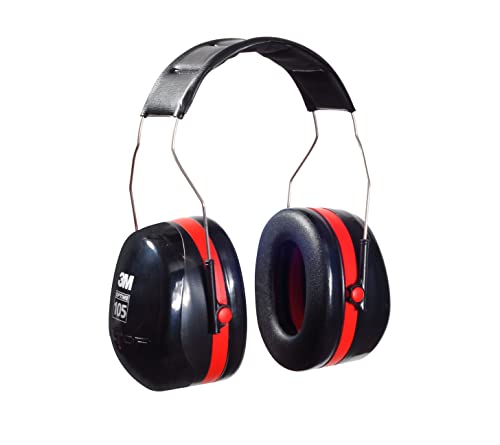
3M PELTOR Optime 105 Earmuffs, E-A-Rfit Compatible

3M PELTOR X5 Series Ear Muff Hearing Protection (NRR 21 dB)

3M Peltor Optime 98 Over-The-Head Earmuffs H9A

Dr.meter Kids Ear Protection EM100

PROHEAR 033 AM FM Bluetooth 5.4 Radio Headphones (Purple)
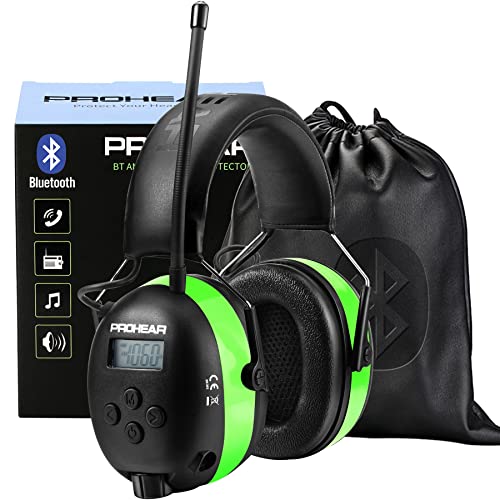
PROHEAR 033 Upgraded Bluetooth 5.4 Radio Headphones

PROHEAR 039 Bluetooth 6.0 Hi-Fi Hearing Protection Earmuffs
Why These Options Stand Out
For homeowners running loud gas mowers, leaf blowers, or angle grinders, the Optime 105 sits at the top of 3M’s passive protection lineup. NRR, or Noise Reduction Rating, measures how many decibels a hearing protector knocks off the sound reaching your ears; the Optime 105 carries one of the highest ratings in this roundup.
It pairs that strong attenuation with broad compatibility for E-A-Rfit validation testing, which matters for safety managers but reads as solid build quality to anyone else. The wide ear cups seal around most adult heads without clamping too tight, and the dual-headband design distributes weight across the crown rather than the temples.
Notable Gains
- Top-tier passive attenuation for loud yard equipment
- Comfortable overhead band for multi-hour sessions
- Compatible with E-A-Rfit testing systems for verified fit
- Sealed cups that stay put while walking uneven terrain
Trade-Offs
- No Bluetooth, radio, or audio passthrough built in
- Bulky cups can feel warm during summer mowing
- Passive-only design means no volume control for music
Who It Suits Best
Homeowners tackling chainsaw, tractor, or commercial-grade mower noise who want maximum sound blocking without electronics.
Where Another Pick Suits Better
Anyone wanting built-in radio and Bluetooth during long cuts will get more use from the PROHEAR 039 Bluetooth 6.0 Hi-Fi Hearing Protection Earmuffs.
The X5 Series keeps the high-attenuation philosophy of the Optime line but reshapes the cup for a lower-profile look. Listed for construction, manufacturing, and automotive work, it handles pneumatic tools and grinding wheels alongside weekend yard duty.
Compared to the Optime 105 above, the X5 trades a touch of maximum rating for a sleeker shell that doesn’t catch on car door frames or shop shelving. The cushions sit a bit deeper, which spreads pressure more evenly during longer shifts.
The Helpful Details
- High NRR for industrial and yard equipment alike
- Slimmer cup profile than the Optime 105
- Sturdy headband that holds its adjustment
- Works well with safety glasses or sunglasses
Honest Caveats
- Still a passive earmuff with no audio features
- May feel snug on wider head shapes
- Cushion replacements can be harder to source than standard models
Made For
Shed builders, garage tinkerers, and homeowners splitting time between the workshop and the yard.
Consider Something Else When
For mowing with music or podcasts, the PROHEAR 033 AM FM Bluetooth 5.4 Radio Headphones bring entertainment that pure passive muffs can’t.
The Optime 98 is the long-running middle child of the Peltor family, recommended for moderate-noise environments like push mowers, hedge trimmers, and small power tools. The H9A version uses a traditional overhead band that doesn’t tug on the neck.
Where the X5 above pushes into industrial territory, the 98 lands in the comfort zone of weekend yard work. The cushions seal well without aggressive clamping, which most people seem to find easier to wear for hours at a stretch.
The Good Stuff
- Balanced NRR for typical residential mower noise
- Lightweight overhead band reduces neck fatigue
- Widely available replacement cushions and parts
- Trusted brand with a long track record
Small Caveats
- Lower protection ceiling than the Optime 105 or X5
- No electronics for music or radio
- Plastic headband may crack if left in hot cars
Best Suited To
Homeowners with a standard push mower or electric trimmer who want reliable, no-frills hearing protection.
A Better Fit Elsewhere
Children helping in the yard will get a safer, smaller fit from the Dr.meter Kids Ear Protection EM100.
Feature Snapshot
Few things beat watching a kid “help” dad mow the lawn, but standard earmuffs swallow small ears whole. The Dr.meter EM100 shrinks the formula down with PU leather padding, memory foam cores, and an adjustable band sized for younger heads.
It isn’t built for cutting grass directly; rather, it lets them hang around the mower without flinching at every startup. The soft padding tends to stay comfortable even when a forgetful kid leaves them on past chore time.
Real Benefits
- Kid-sized band fits smaller heads securely
- Memory foam and PU leather resist pressure marks
- Adjustable design grows with the child
- Lightweight enough that kids tolerate wearing them
Points To Keep In Mind
- Not rated for adult-sized industrial noise
- PU leather can wear with heavy outdoor use
- Limited padding depth compared to adult earmuffs
Perfect Match For
Parents whose kids ride along on mowing day or help with leaf cleanup in the driveway.
Look Elsewhere When
Adults mowing solo will find stronger protection and longer sessions ahead with the 3M PELTOR Optime 105 Earmuffs.
Where the 3M Peltor and Optime pairs focus purely on blocking sound, the PROHEAR 033 layers entertainment on top. Bluetooth 5.4 streams from a phone, while the built-in AM/FM tuner keeps playing when there’s no signal in the yard.
Owners commonly appreciate the digital tuner with station presets, which beats scrolling through fuzzy frequencies every mow. The ABS shell and padded headband handle sweat and sun better than cloth-covered designs, and a carrying bag keeps everything together in the shed.
Practical Pluses
- Bluetooth 5.4 plus AM/FM radio in one cup
- Memory for up to 20 stored stations
- ABS shell and padded headband handle outdoor wear
- Storage bag included for shed or truck transport
- Skin-friendly ear cushions for all-day comfort
Worth Noting
- Battery needs periodic charging between long weekends
- Purple colorway may not suit every taste
- More parts to break than a basic passive muff
Quick Facts
Who Should Grab It
Yard warriors who treat mowing like cardio with a soundtrack and want radio plus Bluetooth in one cup.
Reach For A Different Pick When
Listeners who prioritize premium audio quality should consider the PROHEAR 039 Bluetooth 6.0 Hi-Fi Hearing Protection Earmuffs instead.
The upgraded PROHEAR 033 takes everything the original offered and tightens up the internals. Bluetooth 5.4 pairing feels faster, the rechargeable 1500mAh battery stretches across multiple mowing sessions, and the same ABS shell keeps weight low for a fatigue-resistant fit.
Compared to its sibling above, the upgraded version leans into longer runtimes and more reliable streaming at the edge of the property. SNR (Single Number Rating) gives a lab-tested estimate of how many decibels the muffs cut in real-world conditions, and this pair sits at 31 dB SNR.
What Earns Its Place
- Bluetooth 5.4 with faster, more stable pairing
- 1500mAh rechargeable battery for extended use
- 31 dB SNR for solid passive noise reduction
- Hi-Fi capable sound for music and podcasts
Things To Consider
- Charging routine required between uses
- Slightly heavier than passive-only muffs
- Microphone quality for calls varies in windy conditions
The Right Fit
Property owners who split time between lawn, shop, and snow blowing and want a single headset for all three.
Swap It Out When
Anyone chasing the latest Bluetooth standard and louder audio may prefer the PROHEAR 039 Bluetooth 6.0 Hi-Fi Hearing Protection Earmuffs.
The PROHEAR 039 is the newest entry in the lineup, and it shows: Bluetooth 6.0 for cleaner streaming, hi-fi drivers for richer sound, and a rechargeable 1500mAh battery rated at roughly four weeks of runtime under typical use.
Positioned for mowing, workshops, and snow blowing, it bundles OSHA-friendly noise reduction with the loud audio profile that music lovers tend to want. Compare it to the older PROHEAR 033 models and the difference shows up in connection stability and bass response.
Positive Points
- Bluetooth 6.0 with stronger connection range
- Hi-Fi audio output for clearer music playback
- Four-week rated runtime per charge cycle
- Built for mowing, workshop, and snow blowing alike
- OSHA-compliant noise reduction rating
Practical Considerations
- Newest model, so accessory availability is still building
- Premium price tier above basic passive muffs
- More features mean more to learn on first use
Feature Rundown
Whose Shelf It Belongs On
Homeowners and hobbyists who want one headset that handles mowing, snow clearing, and shop time with current Bluetooth.
Not Your Match When
Shoppers on a tight budget will find quieter, simpler protection in the 3M Peltor Optime 98 Over-The-Head Earmuffs H9A.
What Matters Most Before Choosing Noise Cancelling Headphones For Mowing Lawns
Match The Protection To Your Mower
Push mowers and electric trimmers run quieter than commercial-grade riding mowers or chainsaws, so a moderate NRR or SNR rating handles most residential yards. For tractor PTO work or extended chainsaw sessions, stepping up to a higher attenuation rating reduces the long-term risk of noise-induced hearing loss, which builds up over years of unprotected exposure.
Decide Between Passive And Electronic
Passive earmuffs block noise through cup design and padding alone, which keeps them simple, durable, and battery-free. Electronic models add Bluetooth, AM/FM radio, or microphones, which makes mowing more enjoyable but adds charging, pairing, and occasional firmware quirks to manage.
Comfort Counts Over A Two-Hour Mow
Headband shape, cup depth, and cushion material decide whether earmuffs feel fine for fifteen minutes or start hurting by the second lap around the yard. Over-the-head bands spread weight across the crown, while behind-the-neck designs clear the top of the head for hat wearers.
Think About Weather And Storage
Summer mowing sweats into cushions, and winter work chills plastic. ABS shells handle temperature swings better than vinyl, and a carrying bag or hook in the shed keeps dust off the speakers between weekends.
Key Considerations Across These Picks
Where Shoppers Go Wrong
First-time shoppers often grab the highest NRR number they can find and end up with bulky muffs that feel overbearing on a quiet electric mower. Others choose electronic models without checking that the battery is charged before the first cut of the season. Measure your typical noise exposure, decide whether entertainment matters, and charge up before the grass gets tall.
The Upgrade Payoff
Higher-tier muffs like the PROHEAR 039 add Bluetooth 6.0, hi-fi drivers, and longer battery life for mowing sessions that double as music time. Mid-tier electronic pairs cover most yards well, but premium builds tend to deliver cleaner audio, faster pairing, and sturdier shells for users who treat their equipment like tools, not toys.
Frequently Asked Questions
Do I Really Need Hearing Protection For Mowing?
Yes, especially with gas-powered mowers that exceed safe exposure thresholds within minutes. Even electric models can push 80 to 90 decibels, which adds up over a season of weekend cuts.
Can I Wear These Over Glasses Or A Hat?
Most over-the-head earmuffs seal fine over standard sunglasses or a baseball cap, though thicker frames can break the cup seal slightly. Behind-the-neck styles clear the top of the head entirely for hat wearers.
What’s The Difference Between NRR And SNR?
NRR (Noise Reduction Rating) is the standard used in the United States, while SNR (Single Number Rating) is common in Europe. Both estimate how many decibels a protector removes, but the numbers come from slightly different lab tests.
How Long Do Rechargeable Batteries Last?
Runtimes vary by model and volume, but the PROHEAR 039 is rated for roughly four weeks of typical use per charge. Higher volumes drain the battery faster than low-volume podcasts.
Are These Safe For Kids?
Kid-sized models like the Dr.meter EM100 fit smaller heads and use softer padding, but adult muffs designed for industrial noise can clamp uncomfortably on children. Always check fit and supervision when kids are near running equipment.
Closing Remarks
The right pair of hearing protection turns mowing from a chore you dread into a quieter, more pleasant rhythm around the yard. Match the protection level to your equipment, decide whether Bluetooth and radio matter to you, and pick a fit you can wear for hours without thinking about it. Your ears will thank you long after the grass grows in.