A worn-out engine on a Honda mower rarely fails all at once. It starts with thin, tired oil that can’t keep up with summer heat or a chilly spring morning. Picking the right bottle means smoother starts, fewer carbon deposits, and a longer life for a machine you depend on weekend after weekend. The list below mixes genuine Honda formulas with trusted third-party options, so you match the right oil to the way you actually mow.
A Fast Comparison Of The Options

Valvoline 4-Stroke Powersport Full Synthetic Motor Oil 1 Quart

Honda 5W-30 Motor Oil 1 Quart (08207-5W30)

Briggs & Stratton 100005 SAE 30W Engine Oil 18oz 6-Pack

Castrol GTX 10W-30 Conventional Motor Oil 5 Quarts

Briggs & Stratton SAE 5W-30 Synthetic 32oz 2-Pack

STP Premium Synthetic Blend 4-Cycle SAE 10W-30 32 fl oz

Honda Motor Oil 10W-30 2-Pack
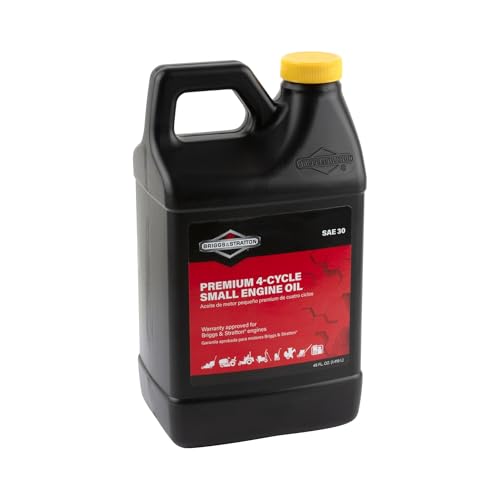
Briggs & Stratton 100028 SAE 30 Engine Oil 48 oz

Honda Genuine 5W-20 Motor Oil 12-Quart Case
More On The Choices That Made The List
Honda mowers spend long afternoons at wide-open throttle, so the oil inside has to handle heat without thinning out. This Valvoline pour is a full-synthetic 4-stroke formula built specifically for the punishing conditions of powersport and outdoor power equipment, where engines run hotter than a typical car motor.
Compared with the Honda OEM 10W-30 you’ll see later, this Valvoline leans harder into synthetic durability, which tends to hold viscosity across long summer runs. For homeowners who mow weekly through July and August, that stability matters more than the bottle on the label.
Useful Highlights
- Full-synthetic formula resists thermal breakdown during extended mowing sessions
- Engineered for air-cooled 4-stroke engines that run at higher RPMs
- One-quart size fits the typical oil capacity of most walk-behind Honda mowers
- Performs across a wide temperature range, so it stays useful from spring through fall
Worth Noting
- Not Honda-branded, so purists who want a stamped OEM oil may pass on it
- You may find the single quart runs out mid-season if you service multiple machines
Quick Facts
Who It Suits Best
Backyard homeowners who mow frequently through the warmer months and want a synthetic-grade oil that handles heat without losing thickness.
Consider Something Else When
Shoppers who insist on factory-stamped Honda fluids should look at the Honda 10W-30 2-Pack further down this list instead.
When a Honda engine is approved by its own manufacturer, that approval carries real weight. This 5W-30 is blended specifically for Honda 4-stroke power equipment, and the lower “5W” rating means the oil flows more freely when temperatures drop on a March morning.
Versus the SAE 30 picks farther down this list, this 5W-30 won’t slosh around as thickly on cold start, which reduces dry-start wear during the first few seconds of operation. For homeowners who fire up the mower before the sun warms the garage, that early protection is the real story.
Key Advantages
- OEM-formulated for all 4-stroke Honda power equipment
- 5W viscosity keeps oil moving at low temperatures for easier cold starts
- Approved by Honda as a service-fill engine oil
- One-quart bottle is easy to pour without spilling in a tight mower deck
Trade Offs
- Priced above generic SAE 30 alternatives for the same volume
- Single quart may not cover a full season if you also service a snow blower or generator
Feature Snapshot
Made For
Honda owners in cold-winter regions who start their mower in chilly spring weather and want factory-approved protection on every cold start.
Where Another Pick Suits Better
Mowers running only in hot, dry climates may find a heavier straight-weight like the Briggs & Stratton SAE 30 48oz a simpler match.
Six bottles in one shipment changes the math for anyone running more than one mower. This Briggs & Stratton bundle delivers six 18-ounce containers of SAE 30W detergent oil, which is the classic viscosity Honda specifies for many walk-behind engines in temperate weather.
Stack this against the single-quart Honda 5W-30 above and you see a clear divide: smaller, more frequent changes from individually sized bottles, or one big jug and a funnel. The 18oz bottles here suit Honda mower capacities nicely without leaving half-used jugs cluttering the garage shelf.
A Favorable Mix
- Six bottles cover multiple oil changes across a season without reordering
- SAE 30W is the classic weight Honda recommends for warm-weather operation
- Smaller 18oz bottles match typical Honda mower oil capacities with less waste
- Detergent formula helps suspend combustion byproducts inside the crankcase
Points To Note
- Six-pack format takes up more shelf space than a single quart
- SAE 30W thickens in cold weather, so spring starts may feel sluggish
Right Fit For
Shed managers and small-fleet owners who service several Honda mowers and want predictable, repeatable oil changes at a steady per-change cost.
Skip It When
Cold-region owners who fire up equipment in early spring will find a 5W-30 like the Honda 08207-5W30 a smoother choice.
Five quarts is overkill for one mower, but it’s a sweet spot for anyone running a mower, a generator, and a pressure washer in the same shed. Castrol GTX is a long-standing conventional 10W-30 designed to fight sludge, which is the carbon-and-moisture gunk that builds up when small engines sit between uses.
The trade-off versus the synthetic Valvoline earlier on this list is chemistry. Conventional oil costs less per quart but tends to break down faster under sustained high-heat operation, so for a push mower used once a week, the difference usually doesn’t matter. For a commercial-grade Honda running two hours straight, the synthetic edge shows up.
Everyday Perks
- Sludge-fighting additive package suited to small engines that sit idle between uses
- 10W-30 viscosity works across spring and summer without a swap
- Five-quart jug covers multiple equipment changes from one container
- Conventional formula keeps per-quart cost lower than full synthetics
Honest Caveats
- Conventional base oil thins faster than full synthetics under heavy load
- Five-quart jug is heavy to lift and pour accurately on a slanted mower deck
Best Suited To
Multi-machine households where the same jug services a Honda mower, a snow blower, and a generator over the course of the year.
Look Elsewhere When
Single-mower owners may prefer the convenience of the Honda OEM 10W-30 2-Pack and its machine-specific blend instead.
Full synthetic 5W-30 is the most flexible viscosity on this list for unpredictable climates. Briggs & Stratton engineered this formula specifically for air-cooled 4-cycle engines, the exact family that powers most Honda mower platforms, and the two 32oz bottles give you room to spare.
Where the Castrol GTX earlier leans conventional and affordable, this 5W-30 synthetic leans into longer service intervals and cleaner internals. Owners who mow through a long shoulder season, with chilly mornings in April and humid afternoons in August, tend to appreciate that flexibility.
Notable Upsides
- 100% synthetic base resists viscosity loss across wide temperature swings
- 5W-30 grade flows easily on cold mornings and stays stable in summer heat
- Two-pack format keeps one bottle ready while the other is in use
- Designed for air-cooled 4-cycle engines typical of Honda walk-behinds
Some Limits To Know
- Costs more per ounce than conventional SAE 30 alternatives
- Synthetic blend is overbuilt for a casual weekend mowing routine
At A Glance
Who Should Grab It
Honda owners in regions with big seasonal swings who want one oil that handles both a frosty April start and a hot August mowing session.
A Better Fit Elsewhere
Strict OEM loyalists will still favor the Honda 10W-30 2-Pack that carries the factory stamp.
Small-engine oil should not just protect a mower. STP’s synthetic-blend 10W-30 is positioned for the whole outdoor fleet, including generators, tractors, and snow blowers, so the same bottle in your garage can rotate between machines without a second purchase.
The blend sits between the cheaper conventional Castrol GTX and the full-synthetic Briggs & Stratton SAE 5W-30 earlier. For mixed-equipment owners who want synthetic durability without the full synthetic price tag, that middle ground is the honest sweet spot.
The Good Stuff
- Synthetic blend balances cost and high-temperature stability
- 10W-30 grade suits most Honda mower recommendations across the catalog
- Antioxidant package fights thermal stress on air-cooled Honda engines
- 32oz bottle gives one full change with a small reserve for top-ups
Worth Bearing In Mind
- Not specifically OEM-approved by Honda, so brand purists may pass
- Synthetic blend still costs more per quart than conventional alternatives
Whose Shelf It Belongs On
Mixed-fleet homeowners who run a Honda mower alongside a generator and a snow blower and want one bottle to rotate through them all.
Swap It Out When
Single-machine owners on a tight budget will find the Briggs & Stratton 100005 SAE 30 6-Pack easier on the wallet.
There is a real comfort in pouring the exact oil Honda engineered for its own engines. This two-pack of genuine Honda 10W-30 motor oil carries the manufacturer formulation designed for high-revving 4-stroke engines, with shear-stable polymer additives that resist viscosity breakdown under load.
Where the synthetic Valvoline earlier trades OEM pedigree for synthetic chemistry, this Honda 10W-30 trades synthetic edge for factory authentication. For owners who keep their maintenance records clean and want documented OEM spec, that trade is usually worth it.
Notable Gains
- Genuine Honda-branded oil with shear-stable polymer additive package
- Exceeds API service classification SM for Honda 4-stroke engines
- Two-quart pack covers a full season for most single-mower households
- Engineered to resist viscosity and thermal breakdown during heavy use
Less Ideal Details
- Priced above non-OEM equivalents at the same viscosity
- Conventional base stock, not synthetic, so it ages faster in extreme heat
The Right Fit
Honda-loyal owners who want factory-spec oil for warranty peace of mind and documented maintenance.
Reach For A Different Pick When
Shoppers in cold climates starting the mower in early spring will benefit more from the lower-temperature Honda 5W-30 covered earlier.
Forty-eight ounces covers multiple Honda mower changes from one bottle, which makes this Briggs & Stratton 100028 a favorite for property owners with wide lawns. The detergent SAE 30 formula is built for the higher operating temperatures of air-cooled engines, exactly the cooling style Honda walk-behinds use.
Stack this against the Briggs & Stratton 100005 6-Pack earlier and the choice becomes a volume question. Single 48oz jug or six 18oz bottles. Both deliver the same viscosity grade, but the big jug wins on shelf space and pour frequency.
Everyday Advantages
- 48oz bottle covers several oil changes across the mowing season
- Detergent SAE 30 oil targets carbon and deposit buildup in air-cooled engines
- Suitable across lawn mowers, tractors, generators, and pressure washers
- OEM-fit formulation intended to maintain Briggs & Stratton equipment life
Things To Weigh Up
- SAE 30 thickens noticeably below freezing on cold spring mornings
- Larger jug is heavier and harder to pour accurately on a slanted deck
Feature Rundown
Perfect Match For
Property owners with larger lawns who change mower oil several times a season and want one large bottle on the shelf.
Not Your Match When
Cold-region owners should pick the Honda 5W-30 instead, since SAE 30 struggles below freezing.
Twelve quarts is a commercial-scale purchase, and that’s the point. This Honda genuine 5W-20 case exists for small repair shops and serious lawn-care services that burn through oil faster than a weekend warrior ever could. The 5W-20 viscosity leans toward fuel-efficient light-duty Honda engines, including smaller mower platforms.
For most home shoppers, twelve quarts is far too much oil, and the upfront cost is real. Compared with the Honda 5W-30 single quart earlier, this case only makes sense if you actually service that volume of equipment on a regular schedule.
The Case For It
- Genuine Honda 5W-20 factory formulation in a bulk 12-quart case
- Lower viscosity supports easier cold-weather circulation
- Bulk packaging reduces per-quart cost for frequent changers
- Ideal stock for small engine shops and service routes
Possible Compromises
- 5W-20 is lighter than many Honda mower manuals call out
- Case format overwhelms casual homeowners who only service one mower
Who Will Love This
Independent small-engine repair shops and serious lawn-care operators who rotate through multiple Honda machines every week.
Where A Sibling Pick Shines
Casual homeowners with a single mower will find the Honda 10W-30 2-Pack a much more sensible shelf footprint.
What To Weigh Before Choosing The Right Oil
Viscosity grade matters more than brand loyalty in most cases. Honda walk-behind mowers typically call for SAE 10W-30 in temperate weather, SAE 30 in warm climates, and 5W-30 where spring starts run cold. The “W” rating describes how the oil flows at low temperatures, while the number after the dash describes its thickness once the engine is warm. Matching both ends to your climate keeps the metal parts coated on the first second of cranking and the thousandth.
Synthetic versus conventional is the next call. Synthetic oils resist thermal breakdown longer, which matters for hard-working air-cooled engines that run hot in summer. Conventional oils are cheaper per quart and perfectly adequate for occasional weekend mowing. For a Honda mower used once a week during a long growing season, synthetic usually pays for itself in longer service intervals and cleaner internals.
Container size shapes daily convenience more than people expect. A single quart matches most walk-behind capacities with no leftover oil to store. Larger jugs and 6-packs cut the per-quart cost but require a funnel and a clean shelf. Multi-machine households usually win with bigger containers; one-mower owners usually win with smaller bottles that get used before they go stale.
OEM versus third-party comes down to documentation. Honda-branded oil arrives with the manufacturer specification stamped on the bottle and a maintenance record that satisfies warranty paperwork. Quality third-party synthetics and conventionals from Valvoline, Castrol, Briggs & Stratton, and STP often meet or exceed the same performance thresholds at a lower per-change cost.
Key Considerations Across These Picks
Pitfalls Shoppers Hit
The most common mistake is matching viscosity to the bottle on sale instead of the owner’s manual. SAE 30 in a cold garage thickens up overnight and leaves the upper cylinder dry for the first few revolutions. The second slip is skipping the owner’s manual viscosity chart and trusting a generic recommendation. Honda prints the right grade for each engine on the label near the oil fill, and that line should win the argument every time.
Where The Extra Money Goes
Premium synthetics cost more because the base oil is engineered at the molecular level rather than refined from crude. The result is a more uniform molecule chain, which holds viscosity longer and resists oxidation better. For occasional weekend mowing, that advantage is modest. For a Honda mower used through a full growing season with long continuous runs, the upgrade tends to show up as cleaner oil at each change and a quieter engine on cold start.
Frequently Asked Questions
What viscosity oil does a Honda lawn mower take?
Most Honda walk-behind mowers take SAE 10W-30 in temperate weather, with SAE 30 common for warm climates and 5W-30 better for cold starts. Always confirm the grade printed near the oil fill on your specific engine before pouring.
Can car motor oil be used in a Honda mower?
Car motor oil can be used in a Honda mower when its viscosity grade matches what the manufacturer specifies, since small 4-stroke engines share the same lubrication principles as automobile engines. Air-cooled mower engines run hotter than car engines, so quality matters more than the source bottle.
How often should Honda mower oil be changed?
Honda recommends changing mower engine oil after the first 5 hours of use on a new engine, then every 50 hours of operation or once per mowing season, whichever comes first. Heavy dust, tall grass, or high temperatures may shorten that interval.
Is synthetic oil better for a Honda small engine?
Synthetic oil resists thermal breakdown longer than conventional oil and keeps its viscosity across wider temperature swings. For weekend mowing the gain is modest, but for frequent or commercial use the upgrade tends to show as cleaner internals and easier cold starts.
Does Honda mower oil expire?
Motor oil degrades primarily from use rather than age, but unopened bottles stored in a cool dry place typically remain usable for several years. Once a bottle is opened, moisture and dust can contaminate the remaining oil, so smaller containers matched to single changes tend to stay freshest.
Closing Thoughts
The right oil for a Honda mower comes down to the grade on the engine, the climate on the calendar, and the way you actually use the machine. Match those three honestly and any bottle on this list will do the job well.