A push mower or riding tractor running on tired oil is a slow-motion breakdown waiting to happen. I pulled together this shortlist for homeowners and small-property caretakers who want a straightforward way to keep 4-stroke engines and hydrostatic transmissions humming without wading through spec sheets for an evening. Inside, you’ll find everything from heavy-duty synthetics to bare-bones SAE 30 detergent oil, plus a specialty hydrostatic fluid for zero-turn riders. Each pick earns its slot for a specific reason, and a few honestly aren’t right for every yard.
Your Options, Compared

TRIAX Power 4-Stroke 10W-30 Full Synthetic 4-Cycle Small Engine Motor Oil (1 Quart)

Valvoline 4-Stroke Powersport Full Synthetic Motor Oil 1 Quart

Honda 5W-30 Motor Oil, 1 Quart, Model# 08207-5W30

Briggs & Stratton 100005 SAE 30W Engine Oil 18oz (Pack of 6)

Castrol GTX High Mileage 5W-30 Synthetic Blend Motor Oil, 5 Quarts
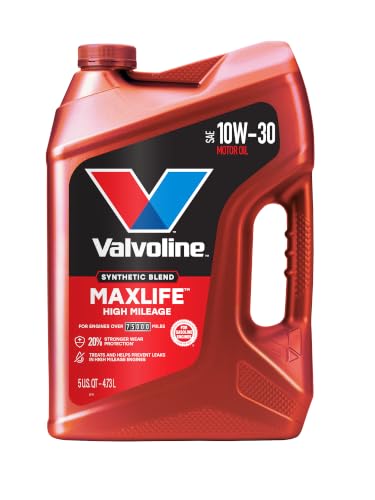
Valvoline High Mileage with MaxLife Technology 10W-30 Synthetic Blend Motor Oil 5 Quart

Castrol GTX 10W-30 Conventional Motor Oil, 5 Quarts

TRIAX Trans-Zero 20W-50 Full Synthetic Hydrostatic Transmission Oil (1 Gallon)

TRIAX Power 4-Stroke 10W-30 Full Synthetic 4-Cycle Small Engine Motor Oil (1 Gallon)
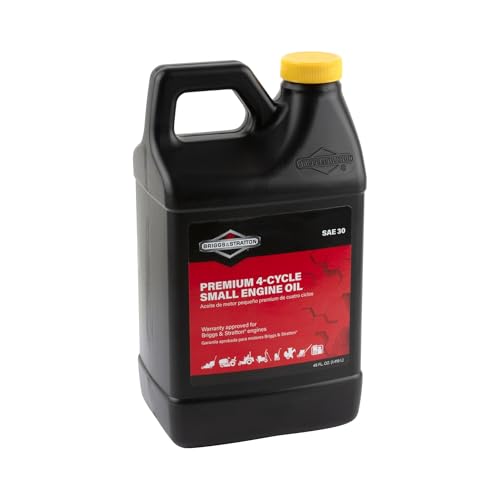
Briggs & Stratton 100028 SAE30 Engine Oil, 48 oz Bottle
A Breakdown Of The Leading Choices
This quart bottle is the one I lean toward when a small engine spends long hours under load, like a tow-behind generator on a job site or a riding mower mowing two acres every Saturday. The full-synthetic 10W-30 grade flows well at startup and stays stable once everything’s hot, which matters for equipment that doesn’t get warmed up gradually. Compared with the conventional Castrol GTX reviewed later, this one is engineered for harder service cycles.
Owners running multiple pieces of gear appreciate that a single quart covers the typical 18 to 22 oz sump on most walk-behinds and fits the bill for log splitters or pressure washers too.
Where It Delivers
- Higher zinc content than typical OEM fills, giving camshaft lobes and lifters extra anti-wear insurance during cold starts.
- Rated for a wide temperature range, so the same bottle works in a January snow blower and a July lawn tractor without swapping fluids.
- Full-synthetic base resists thermal breakdown, which for most users means longer service intervals and cleaner internals.
- One quart is a sensible size for routine top-offs and small oil changes, with less waste than a five-quart jug.
Things To Consider
- Quart pricing adds up across a fleet of machines; a single riding mower can demand two or three quarts.
- Higher zinc levels aren’t necessary for lightly used homeowner mowers, so the formula may be overkill for occasional use.
Key Specs
Whose Shelf It Belongs On
Homeowners with several 4-stroke machines who want one bottle to rotate through them all, especially anyone working in shoulder seasons.
A Better Fit Elsewhere
Honda owners running only Honda power equipment should grab the Honda 5W-30 Motor Oil for a tighter factory match.
Where the Triax above leans on zinc for wear protection, this Valvoline leans on its powersport heritage. 4-stroke engines in ATVs, side-by-sides, and compact powersport machines run hotter and spin harder than lawn tractors, and this formula is built for that reality. It still works in a mower crankcase; you may find it overkill for a Sunday-morning push mower, but it’s a smart pick if your equipment sees trail duty.
The 1-quart format keeps things simple for smaller sumps and is the same scale as the Triax bottle, so swapping between brands is painless.
Positive Points
- Engineered around the high-RPM demands of powersport engines, with detergent chemistry aimed at hot-running small motors.
- Full synthetic base supports longer drain intervals when paired with annual usage patterns.
- Valvoline’s brand footprint means spec sheets and add-pack data are widely published, helping conscientious DIYers verify compatibility.
Worth Noting
- The powersport focus makes it slightly more specialized than a generic small-engine oil, so Honda-only households may want the OEM bottle.
- For walk-behind mowers with annual usage under 25 hours, you may not tap into the extra thermal margin.
Who Will Love This
Owners with mixed powersport and lawn equipment who want one synthetic that handles both camps competently.
Reach For A Different Pick When
Shoppers wanting a broad fleet solution should look at the TRIAX Power 4-Stroke quart, which is targeted more at lawn-and-garden variety.
If your garage is a Honda graveyard, this factory-spec 5W-30 is the safe play. The lower “5W” cold rating is the headline benefit; the oil flows faster on cold mornings, which Honda specifically calls out for snow blower use. I’d reach for this if the equipment manual lists 08207-5W30 or its equivalents and there’s no reason to chase aftermarket chemistries.
Compared with the synthetic-blend Valvoline MaxLife later in the list, this one doesn’t carry seal-conditioning additives, so it isn’t aimed at high-mileage rebuilds.
A Few Highlights
- 5W cold-flow rating helps engines start easier in cold snaps and reduces initial wear on the cam and lifters.
- Honda-specified blend keeps warranty paperwork tidy and removes any spec-versus-fill debates.
Points To Note
- Tailored chemistry makes it a slightly narrow fit outside Honda equipment, limiting one-bottle flexibility.
- Owners commonly report that the quart-only format drives up per-change cost compared to gallon jugs.
Key Specs
Perfect Match For
Honda HRX mowers, snow blowers, and generators where factory-fill spec matters more than aftermarket upgrades.
Swap It Out When
Mixed-brand tool sheds do better with the TRIAX Power 4-Stroke gallon for broader equipment compatibility.
This six-pack is the package I recommend to someone with a single mower who never wants to make another oil run mid-season. Each bottle is 18 ounces, which roughly matches the sump on many walk-behind Briggs & Stratton engines. The straight SAE 30 weight is a no-nonsense conventional detergent oil suited to small air-cooled engines running in mild weather.
Don’t expect synthetic chemistry here. What you get is consistency and shelf-stable supply for years of light seasonal use.
Bright Spots
- Multi-pack format means you can keep spare bottles in the garage without trips back to the retailer.
- Conventional detergent formula is appropriate for OEM-fill specifications on many Briggs & Stratton walk-behinds.
- The 18oz bottle size aligns with common small-engine sump capacities, reducing leftover waste.
Honest Caveats
- SAE 30 is a single-weight oil that doesn’t flow well in sub-freezing starts, so cold-climate users should keep the Honda 5W-30 nearby.
- Conventional base means shorter drain intervals than the synthetics above.
Who Should Grab It
Homeowners with one walk-behind mower and a Briggs power washer who’d rather stockpile oil than revisit the shopping list.
Look Elsewhere When
Riders and zero-turn owners should consider the Briggs & Stratton 100028 SAE 30 48oz bottle for higher sump volumes.
Castrol markets this toward cars with 75,000-plus miles, but the chemistry translates surprisingly well to older, high-hour mowers. The synthetic blend base and high-mileage additive package help with seal conditioning and sludge control, two concerns that show up on equipment that’s been sitting half-used for a decade. I wouldn’t pour it into a brand-new mower, but it earns its slot for older units.
The 5-quart jug is overkill for a walk-behind, which is why this lands in the middle of the list rather than at the top.
What Earns Its Place
- Seal-conditioning chemistry helps older engines with light seepage around gaskets and seals.
- Synthetic blend steps up from the conventional Castrol GTX reviewed later, while staying friendlier on cost.
- Five-quart jug reduces per-ounce cost when filling larger riding mower sumps.
Trade Offs
- 5W-30 grade is fine for warm climates but thinner than what some Briggs & Stratton engines recommend in deep summer heat.
- Five-quart format is more volume than many walk-behind owners actually need, leading to storage of partial jugs.
Right Fit For
Owners of older riding mowers or compact tractors logging high hours who want a jug big enough for a full sump refill.
Skip It When
Households running a single walk-behind on seasonal duty will find the 18oz Briggs & Stratton six-pack a better fit.
Valvoline’s MaxLife technology is the centerpiece here, a seal-rejuvenation additive aimed at engines that leak past tired gaskets. On a 15-year-old riding mower leaving a slick under the deck, that chemistry is genuinely useful. The 10W-30 viscosity hits the middle of the small-engine sweet spot, working from spring startup through autumn leaf cleanup.
Compare this with the Castrol High Mileage above; both target aging engines, but the viscosity grade and additive philosophy differ enough that one usually fits a given manual better than the other.
What It Does Well
- Seal-conditioning additives help reduce minor oil seepage on aging equipment, a common headache with decade-old mowers.
- 10W-30 grade stays fluid in cool spring starts while remaining thick enough for hot summer mowing.
- Synthetic-blend base balances cost and durability for a long mowing season.
Less Ideal Details
- Five-quart size is wasted on a single walk-behind and tends to sit half-used in the garage.
- Additive package is engineered around automotive engines, so spec-by-spec lawn-equipment manuals may prefer a Honda OEM fill.
Made For
Owners of higher-hour riding mowers showing early signs of oil seepage who want a single jug for the season.
Another Choice May Suit
Anyone running Honda equipment across the board should pair with the Honda 5W-30 quart to honor factory recommendations.
The conventional GTX is the boring, dependable member of the Castrol family. No synthetic hype, no high-mileage claim, just a decades-old detergent formulation aimed at everyday light-duty engines. For a 10-year-old push mower used on a flat quarter-acre lot, this is probably more bottle than you need and that’s the point; sometimes the right answer is the simple one.
Versus the synthetic Triax quart earlier, GTX trades thermal margin for per-ounce cost, which is a fine trade for low-hour applications.
Real-World Strengths
- Conventional 10W-30 detergent formula is a textbook match for most small-engine OEMs without a synthetic requirement.
- Five-quart packaging keeps the per-change cost low for riding mower fills.
- Long-running formulation means spec compliance documentation is widely available for cautious owners.
Points To Keep In Mind
- Conventional base oil means shorter drain intervals; heavier use may darken the oil fast and demand earlier changes.
- Five-quart jug is too large for a single walk-behind, leading to long storage of partially used containers.
Best Suited To
Suburban homeowners with a riding mower and modest annual hours, where simple, cost-effective chemistry fits the bill.
Not Your Match When
Cold-climate operators pulling out a snow blower at zero degrees should switch to the Honda 5W-30 quart.
This one breaks the pattern of the list because it isn’t engine oil at all. It’s hydrostatic transmission fluid for the pumps and wheel motors on zero-turn mowers, stand-on mowers, and some riding tractors. Engine oil in a hydrostatic transmission is a real failure mode I see repeatedly, so I wanted to include the right answer for that separate system. Trans-Zero targets 20W-50 grade and broad OEM compatibility with major mower brands.
The gallon format suits the multi-quart capacities of hydrostatic systems, where a typical refill runs well past one quart.
Why It Works Well
- 20W-50 grade matches the higher viscosity OEMs typically spec for hydrostatic pumps and wheel motors.
- Compatibility list spans leading zero-turn and stand-on mower brands, simplifying the garage inventory.
- Full synthetic base supports cooler operating temps under heavy mowing loads.
Trade-Offs To Consider
- This is transmission fluid, not crankcase oil; using it in an engine would be the wrong application.
- One-gallon container is more volume than casual weekend mowers will ever need.
Right Fit For
Owners of zero-turn and stand-on mowers due for a hydrostatic service who want one fluid across mixed brands.
Where A Sibling Pick Shines
Engine-only owners should look at the TRIAX Power 4-Stroke gallon, which is built for 4-stroke engines, not transmissions.
Same chemistry as the Triax quart reviewed earlier, but in a gallon container sized for shops with multiple machines. For contractors and acreage owners running a fleet of mowers, log splitters, and pressure washers, the gallon cuts down on container waste and per-bottle cost. The high-zinc formula and wide temperature tolerance carry over unchanged.
Versus the Trans-Zero reviewed just above, this is engine oil, not transmission fluid, and the two never substitute for each other.
Key Advantages
- Gallon format reduces plastic waste and per-quart cost for high-volume users.
- Same high-zinc, full-synthetic 10W-30 formula as the quart, so there’s no behavior change when stepping up container size.
- One container can service several smaller engines across the season without mid-season shopping runs.
Room For Improvement
- A full gallon is excessive for anyone running only one walk-behind mower.
- Some manuals specify SAE 30, so a 10W-30 synthetic should be cross-checked against the operator’s manual before pouring.
Who It Suits Best
Multi-machine tool sheds, acreage owners, and small contractors who rotate the same oil through tractors, splitters, and mowers.
Consider Something Else When
Single-mower suburban homeowners should look at the Briggs & Stratton six-pack for better volume matching.
Closing out the list with the classic. The 100028 is a 48oz bottle of SAE 30 detergent oil, sized for single mowers and small riders without forcing a five-quart jug on you. The straight 30-weight oil is engineered for the higher operating temperatures of air-cooled engines, which describes most small Briggs blocks straight from the factory.
Compare this with the multi-pack Briggs & Stratton reviewed earlier; the chemistry is the same, but the single 48oz bottle suits owners with only one or two machines.
What Works In Its Favor
- 48oz bottle aligns with sump capacities on many push and self-propelled mowers, leaving minimal leftover.
- SAE 30 detergent formula matches OEM fills for many Briggs & Stratton air-cooled engines.
- Single-bottle packaging keeps storage footprint smaller than a five-quart jug.
Small Caveats
- SAE 30 is a single-weight grade that won’t flow well for cold-weather snow blower starts.
- Conventional base means more frequent changes than the synthetic options earlier in the list.
Built With In Mind
Suburban homeowners with a single Briggs & Stratton mower doing weekend duty through a warm growing season.
Where Another Pick Suits Better
Cold-climate users should reach for the Honda 5W-30 quart to keep winter starts smooth and seal-friendly.
What Matters Most Before Choosing Oils For Lawn Mower
Viscosity grade, shorthand for how thick an oil is at a given temperature, drives most of the decision. 10W-30 is the workhorse grade, flowing fast enough at cold start while staying thick enough in summer heat. 5W-30 buys better cold-weather flow for snow blowers and late-fall equipment. SAE 30 is a single-weight grade, meaning it doesn’t have polymer additives that change thickness with temperature, and it shines in warm-season air-cooled engines where startup temperatures are already mild.
Synthetic versus conventional is the next fork. Synthetics resist thermal breakdown longer, so under heavy use or extended mowing seasons they stretch drain intervals and protect against sludge. Conventional oils cost less per quart and match OEM fills on many older machines without drama.
Match the manual first, then upgrade if your usage pattern justifies it. A walk-behind running ten hours a year won’t notice the difference between a synthetic blend and a conventional detergent. A commercial rider logging two hundred hours a season absolutely will. Container size matters more than it seems; a five-quart jug forced into a single-mower garage becomes a long-term storage problem, while a multi-pack of small bottles keeps the shelf organized and waste minimal.
Key Considerations Across These Picks
Where Shoppers Go Wrong
The classic mistake is reaching for whatever 5W-30 is on the shelf and assuming all small engines are interchangeable. They aren’t, and a 5W-30 that flows perfectly in a car engine may be too thin for an air-cooled mower running in July. Another common slip is ignoring the difference between engine oil and hydrostatic transmission fluid; a zero-turn’s transmission takes a much heavier 20W-50 grade, and pouring 10W-30 in there is a fast way to shorten pump life.
Where The Extra Money Goes
Higher-tier synthetics invest the price difference in two places: base stock purity, which controls how fast the oil oxidizes under heat, and additive packages, which include zinc for wear, detergents for sludge, and seal conditioners for older engines. For a once-a-year oil change on a weekend mower, conventional chemistry does the job. For commercial operators or anyone mowing two-plus acres weekly, the upgrade pays back in longer engine life and fewer mid-season top-offs.